
太空莲

Search documents
新春走基层 | 荒山披绿 零碳生金
Ren Min Wang· 2026-02-19 06:03
Core Viewpoint - Li Wensan Village in Huangpi District, Wuhan, has transformed from a "hollow village" into a thriving community through ecological development and green initiatives, supported by the Wuhan Municipal Ecological Environment Bureau [1][10]. Group 1: Ecological Development - The village's ecological resources are its greatest asset, leading to a focus on "ecological priority and green development" to address the lack of distinctive industries [1]. - A 65 kW village-level photovoltaic power station and a 74 kW photovoltaic corridor have been established, resulting in a carbon reduction of over 60 tons annually and an increase in collective income of over 90,000 yuan [3]. - A high-standard oil tea base covering 350 acres has been developed, with over 60,000 oil tea trees planted, providing nearly 50 local jobs and an average annual income increase of over 6,000 yuan per person [4]. Group 2: Economic and Tourism Integration - The transformation of idle water surfaces into a 100-acre lotus pond has led to the introduction of "space lotus," yielding nearly 600 jin (300 kg) per acre, enhancing the village's aesthetic appeal and attracting tourists [4]. - The integration of ecology, economy, and tourism is continuously releasing benefits, contributing to the village's financial growth [4]. Group 3: Infrastructure and Community Well-being - The work team has improved village infrastructure by coordinating road hardening, household water supply, and wastewater treatment facilities, enhancing the quality of life for residents [7]. - The village has adopted a cultural approach to environmental awareness, with local artistic performances promoting eco-friendly practices and guidelines for waste management [8]. Group 4: Future Prospects - As Wuhan's first "zero-carbon village" pilot, Li Wensan Village aims to exceed 300,000 yuan in collective economic income by 2025, reflecting its commitment to green transformation and sustainable development [10].

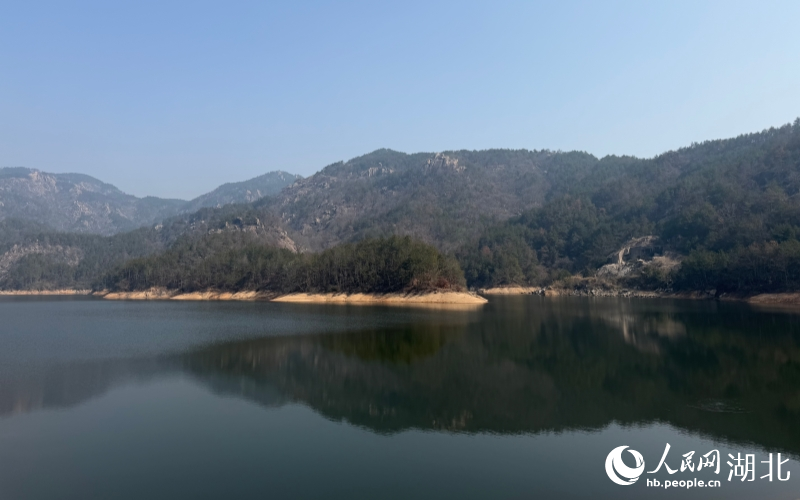
一环江水村边合 阜美马鞍入画来|一江碧水向东流
Chang Sha Wan Bao· 2025-10-25 05:44
Core Viewpoint - The transformation of Mahuan Village over the past decade highlights significant improvements in infrastructure, economic development, and cultural heritage, contributing to the overall rural revitalization in the region [3][9]. Infrastructure Development - Mahuan Village has undergone substantial changes since being selected as a pilot for beautiful rural construction in December 2021, including the installation of sewage pipelines, a sewage treatment plant, and the undergrounding of overhead power lines [4][6]. - The village has transitioned from having a narrow dirt road to paved roads, and a former garbage dump has been transformed into a public park, enhancing the living environment [5][9]. Economic Growth - The textile and garment industry is a significant economic driver in Mahuan Village, with numerous family-run workshops providing employment opportunities for local women, allowing them to earn monthly incomes of around 3,000 to 4,000 yuan [6][7]. - The agricultural sector, particularly the cultivation of "space lotus" in the nearby Huanglong Lake, has also flourished, with local farmers benefiting from advanced cold chain technology to supply fresh produce to major cities [6][8]. Cultural Heritage - Mahuan Village is rich in cultural heritage, with notable local cuisine such as "steamed eel" attracting visitors, and the historical Maokou pottery, recognized as an intangible cultural heritage, contributing to the village's identity [8][9]. - The village's unique geographical position has made it an important node in the ancient tea road, further enhancing its cultural significance and tourism potential [8].

驻东源仙塘帮扶工作队:“三管齐下”打造乡村振兴“仙塘样板”
Nan Fang Nong Cun Bao· 2025-06-05 14:34
Core Viewpoint - The article discusses the collaborative efforts of various organizations to promote rural revitalization in Xiantang, Dongyuan County, focusing on the establishment of key agricultural projects and the integration of technology and education to enhance local economic development [1][2][3]. Group 1: Project Initiatives - A joint meeting was held to discuss the support for Dongyuan County and Xiantang Town, leading to the signing of project cooperation agreements [2][3]. - The establishment of a red claw shrimp breeding base and a research and education center was announced, marking the official launch of the support projects [4][5]. - The first batch of 13,000 shrimp seedlings was successfully released into the breeding base, which includes standardized ponds and experimental fields [14][15]. Group 2: Agricultural Development - The work team has identified three main industries: red claw shrimp farming, Wuzhi peach processing, and space lotus planting, along with various supporting industries [10][11]. - The red claw shrimp breeding base is expected to yield 400 to 500 pounds per acre, with an estimated annual net profit of around 5,000 yuan per acre [22][23]. - The Wuzhi peach industry is being enhanced through the establishment of processing facilities and the development of new products to increase added value [27][30]. Group 3: Economic Promotion - The work team is focused on promoting the "Dongjiang Creative Valley" and "Dongjiang Lotus Rhythm" projects to enhance local economic development [34]. - Efforts are being made to integrate various resources to improve market access for local agricultural products, including international sales channels [40][41]. - The team is also organizing exhibitions and trade activities to showcase Dongyuan's unique products and cultural resources [44][46]. Group 4: Educational Support - Guangdong University of Technology is playing a crucial role in integrating technology and industry to support rural revitalization efforts [53][54]. - The university has facilitated numerous interactions with local enterprises and has organized various cultural and educational activities to enhance community engagement [59][62]. - New platforms for cultural and talent exchange have been established to support the development of local industries and improve the quality of life for residents [63][64].
