生态农业

Search documents
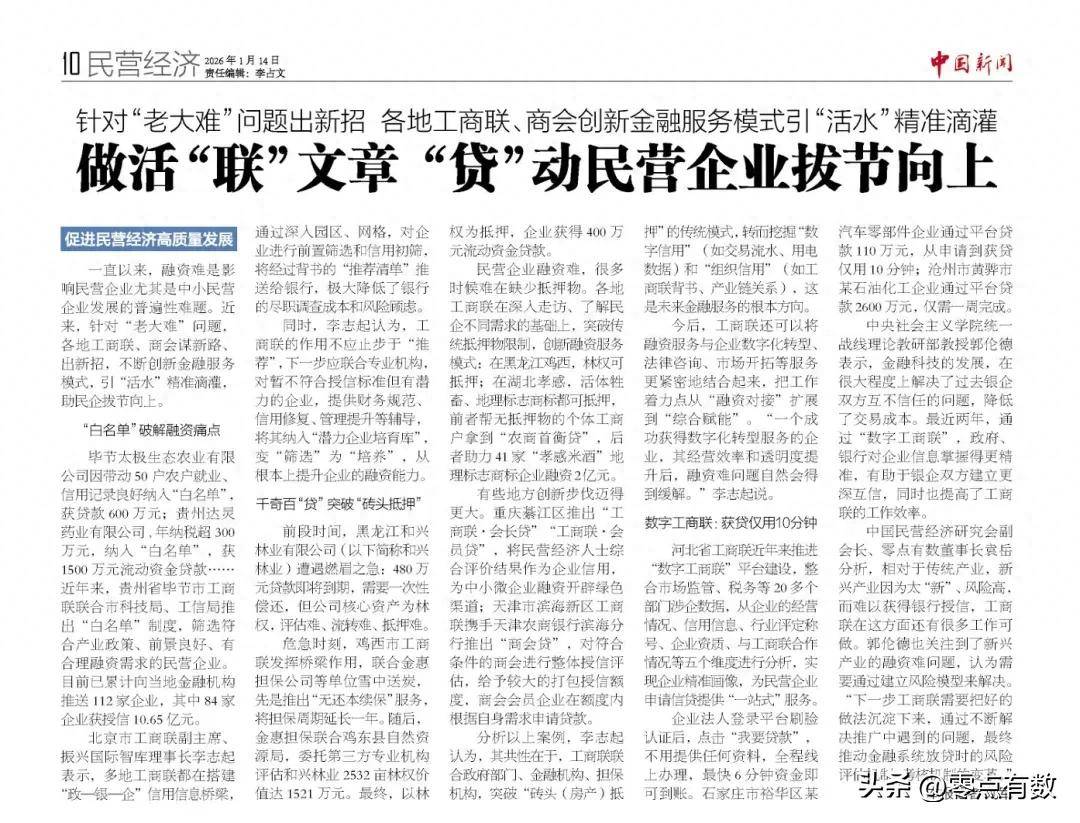
“联”合破局,民企融资迎来活水
Sou Hu Cai Jing· 2026-02-28 03:42
Core Viewpoint - The persistent issue of financing difficulties for private enterprises, especially small and medium-sized ones, is being addressed through innovative financial service models and collaboration among local business associations, government, and financial institutions [1][4]. Group 1: Financing Challenges and Solutions - Financing difficulties have long been a common challenge affecting the development of private enterprises, particularly small and medium-sized ones [4]. - Local business associations and chambers of commerce are exploring new paths and innovative financial service models to provide targeted support for private enterprises [4]. - The "white list" system in Bijie City, Guizhou Province, has successfully identified and supported 112 enterprises, resulting in a total credit of 1.065 billion yuan [4]. Group 2: Innovative Financial Models - Various regions are breaking traditional collateral requirements by allowing alternative forms of collateral, such as forest rights in Heilongjiang and live livestock in Hubei [5][6]. - The introduction of "business association loans" in Chongqing and "chamber of commerce loans" in Tianjin demonstrates a shift towards using comprehensive evaluations of private economic individuals as credit for financing [6]. Group 3: Digital Transformation and Financial Services - The integration of financing services with digital transformation, legal consulting, and market expansion is seen as a way to enhance overall enterprise capabilities [7]. - The "Digital Business Association" platform in Hebei Province allows for a streamlined loan application process, enabling quick access to funds for enterprises [7]. - Financial technology advancements are helping to build trust between banks and enterprises, reducing transaction costs and improving efficiency [7]. Group 4: Addressing Emerging Industry Financing - New industries face significant challenges in obtaining bank credit due to their novelty and associated risks, indicating a need for further efforts from business associations [8]. - Establishing risk models for new industries is suggested as a way to improve financing access and transform risk assessment mechanisms within the financial system [8].

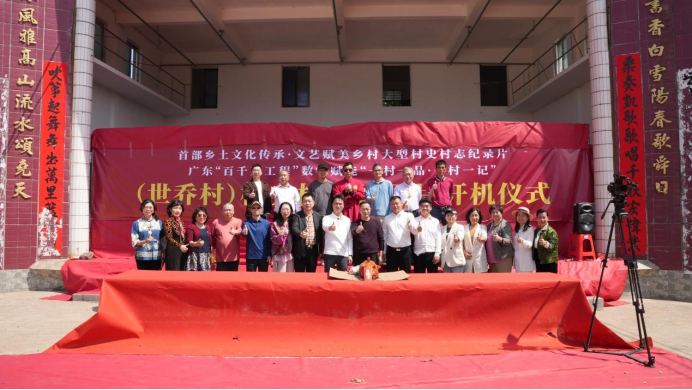
影像为笔,非遗为脉!湛江市麻章区湖光镇世乔村村史村志纪录片开机
Nan Fang Nong Cun Bao· 2026-02-20 07:59
Core Viewpoint - The event marks the launch of a documentary project aimed at preserving and promoting the cultural heritage of Shiqiao Village through the integration of traditional arts, non-material cultural heritage, and AI technology [1][8]. Group 1: Documentary Focus - The documentary will explore the historical context of Shiqiao Village, documenting the transition from traditional fishing and farming lifestyles to modern rural development [2]. - It will highlight traditional skills and folk activities within the village, showcasing the unique charm of the Leizhou Peninsula culture [2]. - The project will utilize AI technology for digital restoration of historical scenes and to present the ecological interplay between mangroves and agricultural civilization [2]. Group 2: Development Initiatives - The documentary's production coincides with the launch of the "AI + Mangrove Digital Agricultural and Cultural Tourism Platform" in Shiqiao Village [6]. - The village plans to integrate resources to create a mangrove-themed exhibition hall and a sales center for local specialty products, including oysters, shrimp, fish, local chicken, and crabs [6]. - These high-quality agricultural products will be promoted through online platforms and offline exhibitions, leveraging the support mechanisms from Zhanjiang to enhance cultural dissemination and economic development [6]. Group 3: Cultural and Economic Integration - The event symbolizes a deep reflection on local roots while initiating a new phase of development driven by cultural strength [8]. - Shiqiao Village aims to create a new narrative of rural revitalization that intertwines tradition with modernity and cultural prosperity with economic growth [8].
高寒地区种出“雪地草莓”
Xin Lang Cai Jing· 2026-02-19 21:59
Core Insights - The "Ling Shang Green Fire" ecological farm in Inner Mongolia is pioneering a "green revolution" by successfully cultivating crops in extreme cold without additional heating, showcasing innovative agricultural practices in high-latitude regions [1][2] Group 1: Agricultural Innovation - The farm utilizes a unique greenhouse structure known as "double film, double quilt, double frame," which provides excellent insulation and can maintain an internal temperature of around 28°C without relying on coal or electricity [2] - The farm has successfully achieved off-season crop yields, with annual production reaching 20,000 pounds of tomatoes and 8,000 pounds of strawberries per acre, marking a first in the country for sustainable off-season cultivation in extreme cold [2] Group 2: Economic Impact - The farm has created over 40 stable job opportunities and is expected to provide nearly 100 jobs as the industry expands [2] - It has attracted over 25,000 visitors, with a peak daily footfall of 400, becoming a popular winter leisure destination and boosting local tourism [3] - The farm's fresh tomatoes are being sold beyond Inner Mongolia, reaching major cities like Beijing, Shanghai, Guangzhou, and Shenzhen, allowing a wider audience to experience the unique flavors from this icy region [3]
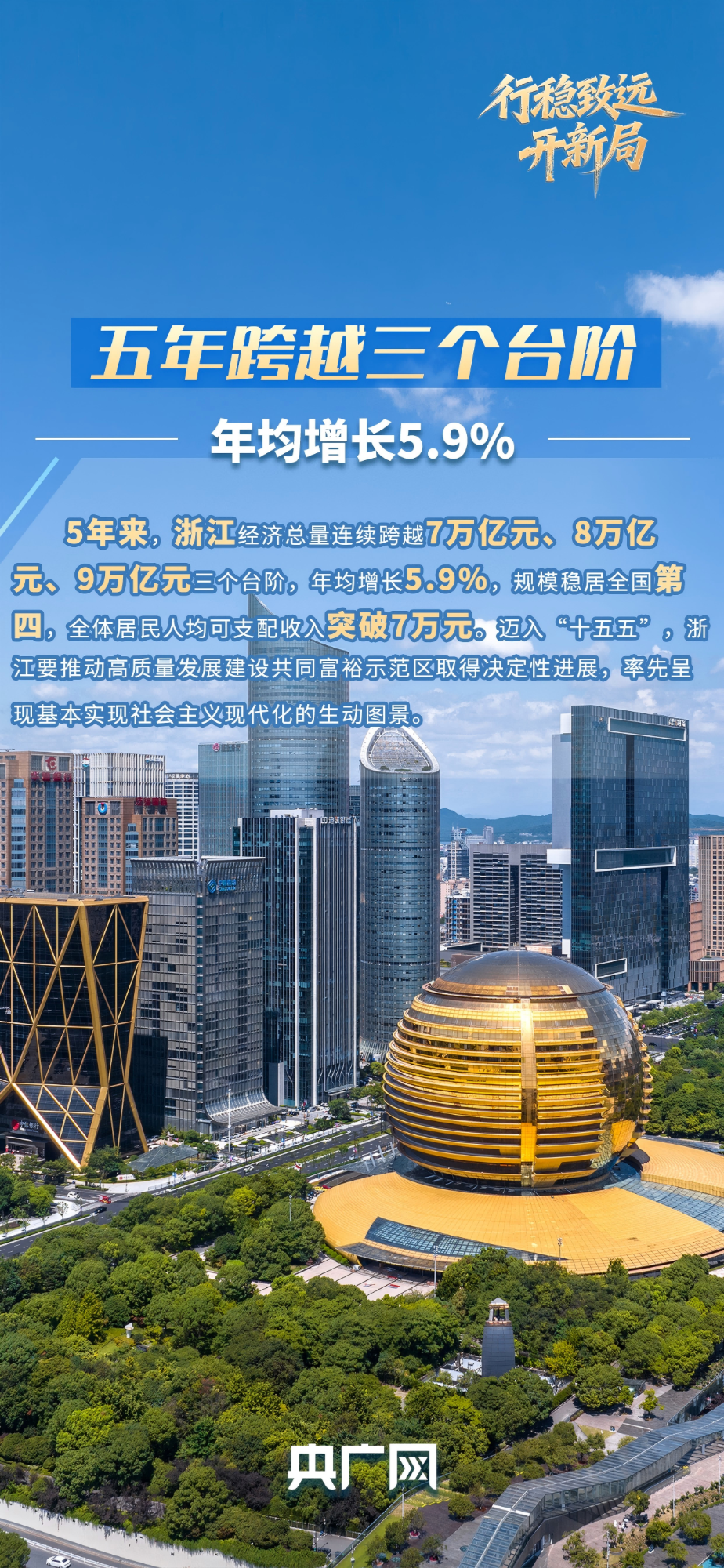
行稳致远开新局|共同富裕先行先试,“浙”里缘何创新活力澎湃?
Yang Guang Wang· 2026-02-19 13:46
Core Viewpoint - The article emphasizes Zhejiang's significant economic growth and technological advancements over the past five years, highlighting its commitment to high-quality development and the integration of digital economy and ecological sustainability as it enters the "15th Five-Year Plan" period [4][11][28]. Economic Growth - Zhejiang's economic total has crossed significant milestones of 7 trillion, 8 trillion, and 9 trillion yuan, with an average annual growth rate of 5.9%, maintaining its position as the fourth largest economy in China [4]. - The province contributes nearly 7% of the national economic total while occupying only 1% of the country's land area, showcasing its high-quality development [4]. Digital Economy - The digital economy in Zhejiang has transitioned from "innovation exploration" to "development leadership," with products like AI glasses and companion robots becoming popular consumer items [5][10]. - In the past year, Zhejiang invested 723.2 billion yuan in technological innovation, adding over 6,000 high-tech enterprises and 17,600 technology-based SMEs, with the AI core industry revenue reaching 680 billion yuan, growing over 20% [6][11]. Artificial Intelligence Development - The focus on artificial intelligence is evident in the establishment of innovation spaces that support collaboration across various sectors, enhancing the AI industry ecosystem [7][10]. - The region aims to become a leading hub for AI innovation, with plans to enhance computing power and algorithm supply capabilities [10][11]. Ecological Development - Zhejiang has made strides in ecological civilization, transforming areas like the Xixi National Wetland Park into a model of biodiversity, with significant increases in species diversity [12][14]. - The province has implemented innovative ecological product value realization mechanisms, leading to the establishment of 14 "Green Mountains and Clear Waters" practice innovation bases, the highest in the country [18]. Common Prosperity Initiatives - The "Common Prosperity Workshop" initiative integrates resources from various sectors to create platforms for production, employment support, and skill enhancement, significantly increasing income for local farmers [21][27]. - Over the past five years, the per capita disposable income in Zhejiang has surpassed 70,000 yuan, with urban and rural incomes exceeding 80,000 yuan and 45,000 yuan respectively, ranking first among provinces [27]. Future Goals - By 2030, Zhejiang aims to achieve a high-quality development model that closely aligns with developed economies, focusing on economic growth and employment strategies as core drivers [27][28].
新春走基层 | 荒山披绿 零碳生金
Ren Min Wang· 2026-02-19 06:03
Core Viewpoint - Li Wensan Village in Huangpi District, Wuhan, has transformed from a "hollow village" into a thriving community through ecological development and green initiatives, supported by the Wuhan Municipal Ecological Environment Bureau [1][10]. Group 1: Ecological Development - The village's ecological resources are its greatest asset, leading to a focus on "ecological priority and green development" to address the lack of distinctive industries [1]. - A 65 kW village-level photovoltaic power station and a 74 kW photovoltaic corridor have been established, resulting in a carbon reduction of over 60 tons annually and an increase in collective income of over 90,000 yuan [3]. - A high-standard oil tea base covering 350 acres has been developed, with over 60,000 oil tea trees planted, providing nearly 50 local jobs and an average annual income increase of over 6,000 yuan per person [4]. Group 2: Economic and Tourism Integration - The transformation of idle water surfaces into a 100-acre lotus pond has led to the introduction of "space lotus," yielding nearly 600 jin (300 kg) per acre, enhancing the village's aesthetic appeal and attracting tourists [4]. - The integration of ecology, economy, and tourism is continuously releasing benefits, contributing to the village's financial growth [4]. Group 3: Infrastructure and Community Well-being - The work team has improved village infrastructure by coordinating road hardening, household water supply, and wastewater treatment facilities, enhancing the quality of life for residents [7]. - The village has adopted a cultural approach to environmental awareness, with local artistic performances promoting eco-friendly practices and guidelines for waste management [8]. Group 4: Future Prospects - As Wuhan's first "zero-carbon village" pilot, Li Wensan Village aims to exceed 300,000 yuan in collective economic income by 2025, reflecting its commitment to green transformation and sustainable development [10].
最美“新农人”风采|孙苗苗:从都市白领到省级示范农场主的人生跨越
Xin Lang Cai Jing· 2026-02-19 01:27
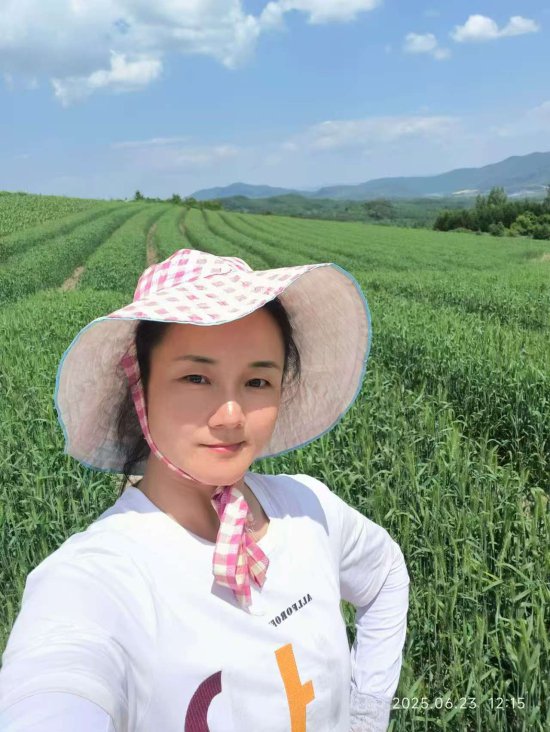
Core Insights - The article highlights the journey of Sun Miaomiao, who transitioned from an urban white-collar worker to a provincial-level model farm owner in Jilin Province, China, establishing a successful family farm named "Ranyue" over a decade [1][10] Group 1: Background and Motivation - Sun Miaomiao was born into a well-off family in Shandong and had a stable job before marrying a farmer and moving to rural Jilin [3] - The initial charm of rural life was overshadowed by the challenges of managing a farm and raising two children, leading to feelings of fatigue and doubt [3][4] Group 2: Entrepreneurial Journey - In 2015, Sun decided to pursue her dream of agricultural entrepreneurship despite the difficulties associated with starting a farm, including high investment and long operational cycles [4][6] - The couple's commitment to providing healthy food and reducing health risks became a driving force behind their perseverance [6] Group 3: Farm Development and Achievements - The "Ranyue" family farm was officially registered in 2018, focusing on ecological farming practices, including the cultivation of various crops and livestock [7] - The farm spans 800 acres, generating a total output value of 3 million yuan and creating 29 jobs [7] - Sun Miaomiao has actively sought knowledge through various training programs to enhance her agricultural practices and adapt to consumer demands for high-quality products [7] Group 4: Recognition and Future Plans - The farm received recognition as a provincial "demonstration family farm" in 2020, and Sun was named a "local expert" in forestry and agriculture [9] - Sun aims to continue promoting ecological agriculture and help more local residents achieve prosperity through her initiatives [9][10]
新春走基层|扎根乡村15年!农博士:如何交接好种地接力棒(视频)
Xin Lang Cai Jing· 2026-02-18 04:58
Core Insights - The article highlights the transformation of rural areas in China, showcasing the integration of modern ecological practices and the emergence of highly educated "new farmers" who are reshaping agricultural practices and community engagement [1][2]. Group 1: Ecological Practices - The "Share Harvest Farm," founded by Dr. Cheng Cunwang and Dr. Shi Yan, focuses on ecological agriculture, emphasizing a deep connection between people and land while exploring new paths for urban-rural integration [1][2]. - The farm employs an ecological pest control philosophy that prioritizes minimal intervention, utilizing a combination of soil health, facility protection, and biodiversity planting to manage pests without relying heavily on chemical pesticides [3][4]. Group 2: Economic Impact - The collective economy of Liuzhuanghu Village reached 3.62 million yuan in 2024, marking a 43% year-on-year increase, with an average income of approximately 21,500 yuan per household [4][5]. - The farm's digital system enhances operational efficiency by matching supply with demand, achieving a 90% alignment in product sales through a tiered membership model [5]. Group 3: New Farmers - The article discusses the transition from older farmers to "new farmers," who are characterized by their professional backgrounds, high educational levels, and innovative agricultural philosophies [6]. - The new generation of farmers is increasingly relying on automation and technology, moving away from traditional labor-intensive practices to ensure sustainable agricultural development [6].
乡音唤归雁 沃土育新机——陕西商南举行2026年新春团拜会暨第五届乡党回乡发展大会
Xin Lang Cai Jing· 2026-02-13 02:50
Group 1 - The core message emphasizes the rapid development and investment potential of Shannan County, highlighting the successful return of entrepreneurs to contribute to local growth [1][5][9] - The 2026 New Year gathering and the fifth Homecoming Development Conference aimed to discuss development strategies and promote the construction of "Four Famous Cities" and "Five Beautiful Shannan" [1][5] - Over 200 participants, including successful entrepreneurs and local business representatives, attended the event to share experiences and discuss investment opportunities [1][5] Group 2 - Entrepreneurs observed six key projects, including the Qinling Spring Tea Industry Park and the Medical and Health Project Industrial Park, showcasing the integration of various industries [3][5] - The Medical and Health Project focuses on a comprehensive service system covering elderly care, medical rehabilitation, and end-of-life care, exploring new paths for integrated healthcare [3][5] - The Shannan Economic Development Zone is home to a biobased new materials project with an investment of 166 million, emphasizing zero emissions and pollution [3][5] Group 3 - The event reinforced the confidence of returning entrepreneurs in investing in their hometown, with plans for a comprehensive logistics park to leverage ecological advantages [5][9] - The county reported a GDP growth rate of over 5.8% annually during the 14th Five-Year Plan period, with significant increases in urban and rural residents' income [9][10] - A total of 243 projects have been planned to enhance infrastructure, social welfare, and ecological governance, supporting the development of Shannan as an attractive investment destination [10] Group 4 - The county aims to create a favorable business environment by implementing policies that support entrepreneurs, including streamlined approval processes and dedicated support for project implementation [10] - A total of 12 high-quality projects with a total investment of 812 million were successfully signed during the event, covering various sectors such as new materials and tourism [7][10] - The county's commitment to fostering a supportive ecosystem for businesses includes optimizing services and recognizing outstanding entrepreneurs [10]
科技支撑沈阳市乡村全面振兴
Xin Lang Cai Jing· 2026-02-11 21:49
Core Viewpoint - The "Rural Comprehensive Revitalization Plan (2024-2027)" issued by the Central Committee of the Communist Party of China and the State Council emphasizes the dual drive of technology and reform to promote the revitalization of rural industries, talent, culture, ecology, and organization. Group 1: Achievements in Rural Revitalization - Significant progress has been made in agricultural high-quality development in Shenyang, focusing on seed resource creation, smart equipment research and development, and technology service supply [1]. - The seed industry revitalization action has been effectively advanced, with 39 core projects initiated and several varieties recognized as national excellent varieties, leading to a national promotion area of over 15 million mu for new corn varieties [2]. - Agricultural facility equipment levels have steadily improved, with the average loss rates for rice and corn reduced to 1.63% and 1.62%, respectively, and a mechanization rate of over 98% expected for major grain crops by 2025 [3]. - Progress in digital rural construction includes the establishment of 4,000 new 5G base stations, achieving over 98% coverage in administrative villages, and a stable internet penetration rate of over 70% in rural areas [4]. - The green transformation of agriculture has deepened, with a comprehensive utilization rate of livestock and poultry manure reaching 78% and straw utilization achieving over 92% [5]. Group 2: Talent Development in Rural Areas - The rural technology talent team is growing, with over 6,500 young farmers trained, and many obtaining vocational skills and technology management certificates [6]. - Technology special commissioners have been deployed to serve rural areas, with 5,841 instances of service provided across various agricultural districts [7]. Group 3: Challenges in Rural Revitalization - There are still significant shortcomings in agricultural innovation technology, with a need for more original and disruptive innovations to drive transformation [8]. - Cultural revitalization faces challenges due to rural population hollowing, leading to weakened participation in cultural construction and talent outflow [9]. - The integration of digital technology and ecological industries is not yet coordinated, hindering green and low-carbon development [10]. - Organizational revitalization struggles with a "digital divide" and insufficient digital literacy among rural leaders, leading to mismatches in skills and tools [11]. Group 4: Recommendations for Improvement - Establish a special fund for technological support in rural revitalization, focusing on original agricultural technology innovation and the development of local characteristic industries [12]. - Innovate the application model for technology transfer, promoting collaboration between academia and industry to enhance rural development [13]. - Enhance regional technological innovation capabilities by fostering cross-regional cooperation and establishing high-standard agricultural technology demonstration bases [14]. - Improve incentives for agricultural technology personnel to work in rural areas, including establishing a project library for rural revitalization technology services [15].
贵池求解“创新之问”
Xin Lang Cai Jing· 2026-02-05 18:10
Core Viewpoint - The article highlights the innovative development strategy of the Guichi District in Anhui Province, emphasizing the importance of technology innovation as a core engine for regional growth and the establishment of a comprehensive innovation ecosystem. Group 1: Innovation Strategy - Guichi District has implemented an innovation-driven development strategy, resulting in the number of high-tech enterprises increasing to 112, which is 2.2 times the initial count, and the number of technology-based SMEs reaching 286, growing over 5 times during the 14th Five-Year Plan period [7]. - The district's comprehensive competitiveness has improved, ranking 9th among 45 districts in the province, and it has been recognized as one of the top 10 manufacturing development districts for three consecutive years [7]. Group 2: Industry Focus - Guichi District has chosen to focus on three key areas: new materials, new energy, and high-end equipment manufacturing, rather than chasing the hottest industry trends [8]. - The copper-aluminum-magnesium new materials industry has achieved an output value of 35 billion yuan, becoming a provincial industrial cluster, while bamboo charcoal materials have successfully entered the high-end segment of sodium-ion batteries [8]. Group 3: Government Support - The district has adopted a "service-oriented" government approach, providing "accompaniment-style" growth services to enterprises, including policy guidance and financial support [9][10]. - The "免申即享" policy allows enterprises to automatically receive funds without needing to apply, resulting in 13.0868 million yuan disbursed [10]. Group 4: Agricultural Innovation - Innovation in Guichi District extends beyond industrial sectors, with agricultural companies transforming agricultural waste into valuable products, such as organic fertilizers and biopesticides [11]. - The district has seen a 10% growth in seven major agricultural specialty industries, and the "好池不贵" regional public brand has been launched to support rural revitalization [11]. Group 5: Systematic Development - Guichi District aims to create a supportive ecosystem for all innovative entities rather than focusing on a few star enterprises, fostering a "forest" effect for sustainable growth [12]. - By the end of the 14th Five-Year Plan, the district has established over 50 provincial-level platforms and 170 municipal platforms, forming a robust innovation network [12]. Group 6: Future Plans - Looking ahead, Guichi District plans to deepen the integration of innovation chains, industrial chains, financial chains, talent chains, and policy chains, with a focus on emerging industries and revitalizing traditional sectors [14]. - The district aims to attract investment and accelerate project construction to inject strong momentum into future development, emphasizing a systematic approach to innovation [14].