
太阳形器

Search documents
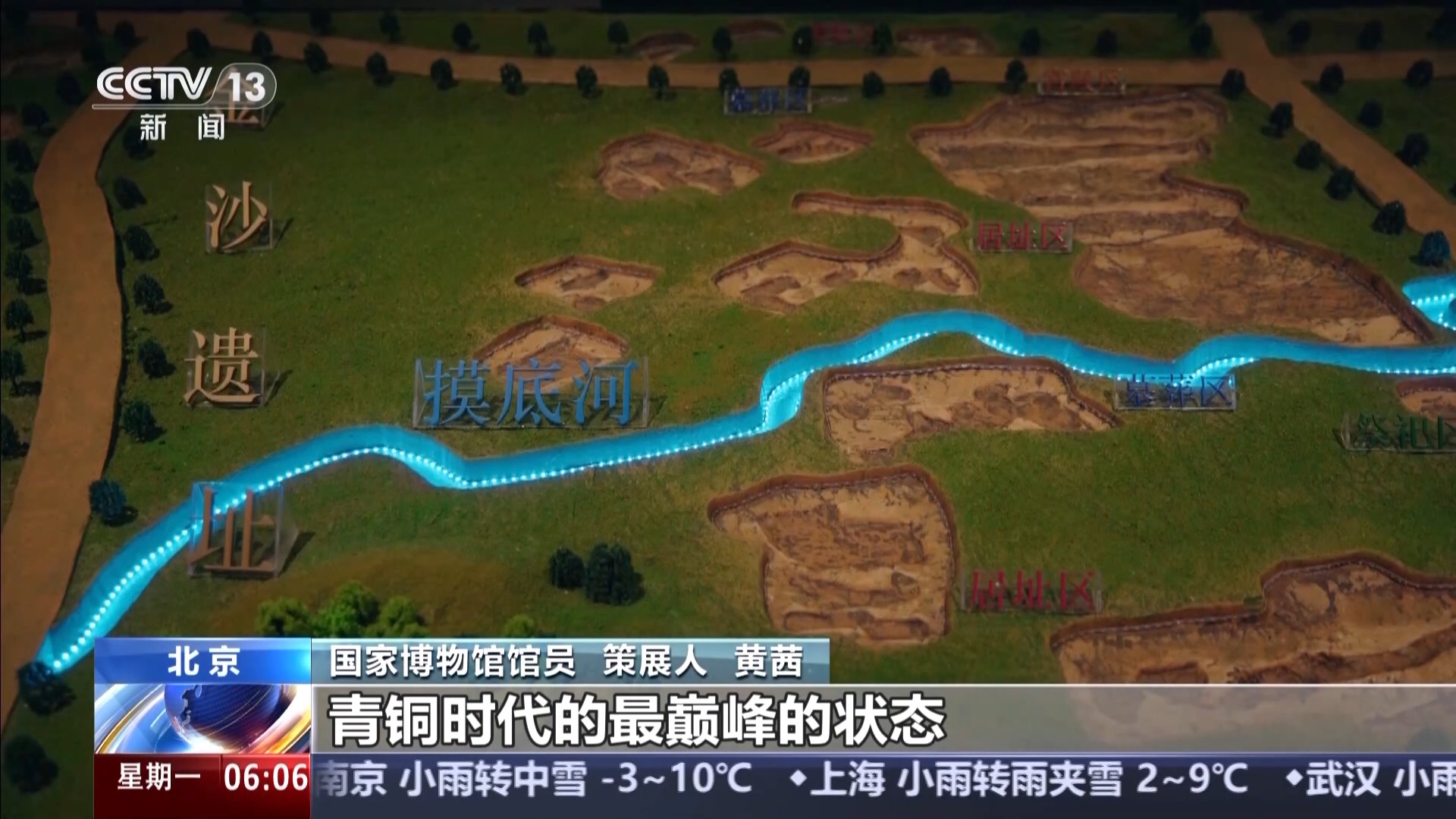
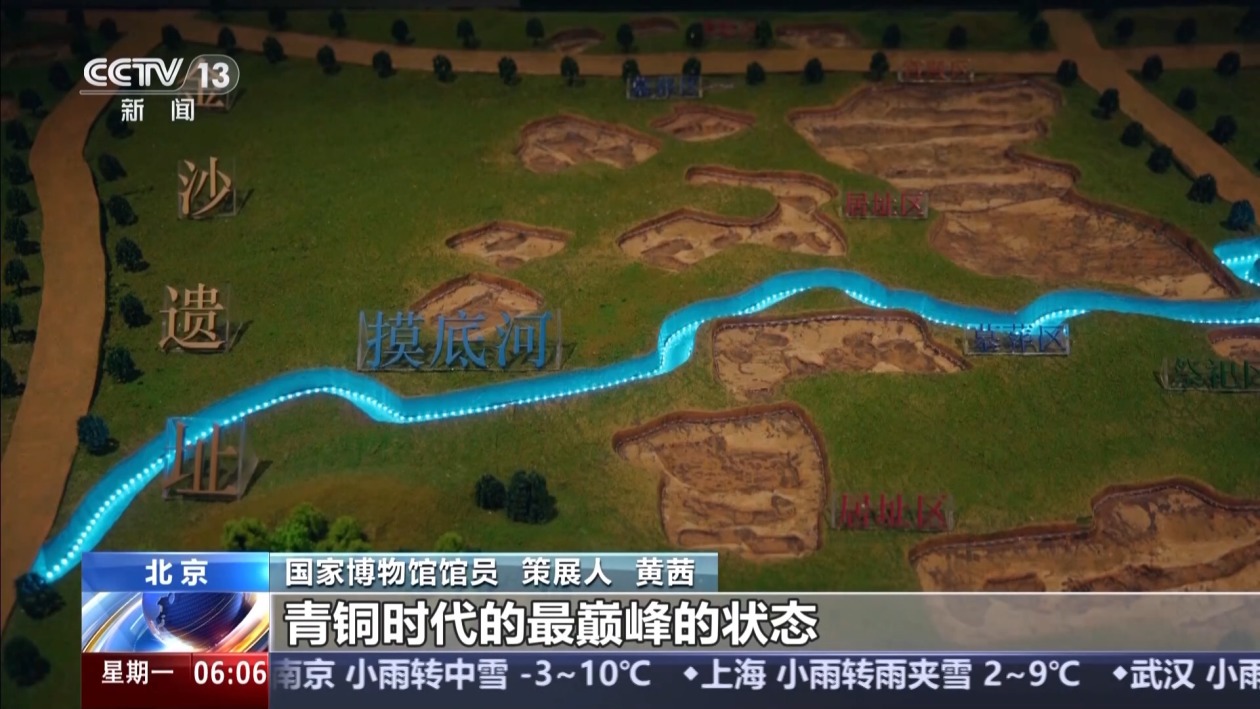
视频丨三星堆及金沙遗址200余件珍贵文物亮相国博
Yang Shi Xin Wen Ke Hu Duan· 2026-01-19 01:07
Core Insights - The exhibition at the National Museum showcases over 200 precious artifacts from the Sanxingdui and Jinsha sites, both of which have been recognized as significant archaeological discoveries in the past century, greatly enhancing the understanding of Chinese bronze civilization [1] Group 1 - The artificial carbonized rice and diverse pottery found at the sites reflect the daily life and wisdom of the ancient Shu people, highlighting their culinary practices [2] - Rituals played a crucial role in ancient Chinese culture, as evidenced by various ceremonial artifacts such as bronze masks and jade implements, which illustrate the reverence for nature and the divine [2] - The artifacts symbolize the Shu people's admiration for light and their imaginative cosmology, showcasing their rich cultural expressions [2] Group 2 - The Sanxingdui and Jinsha sites represent the pinnacle of the ancient Shu civilization during the Bronze Age, according to the curator of the National Museum [4] - Many of the unique designs found in the artifacts can be traced back to the historical context of Chinese civilization, indicating a strong cultural connection to the Central Plains during the Shang and Zhou dynasties [6] - The ancient Shu civilization demonstrated significant cultural creativity and subjectivity by incorporating and innovating upon bronze vessel forms from the Central Plains and the lower reaches of the Yangtze River [6]

三星堆及金沙遗址200余件珍贵文物亮相国博
Xin Lang Cai Jing· 2026-01-18 23:36
Core Viewpoint - The exhibition of over 200 precious artifacts from the Sanxingdui and Jinsha sites at the National Museum highlights the significance of these archaeological discoveries in enhancing the understanding of Chinese bronze civilization [1][3]. Group 1: Artifacts and Cultural Significance - The artifacts, including artificially cultivated carbonized rice and various pottery, reflect the daily life and wisdom of the ancient Shu people [1]. - Ritual items such as bronze masks and jade ceremonial objects illustrate the importance of rituals in ancient Chinese society, depicting a reverence for nature and the cosmos [1]. - The sun-shaped and eye-shaped artifacts symbolize the ancient Shu people's admiration for light, showcasing their rich imagination and romantic view of the universe [1]. Group 2: Historical Context and Influence - The Sanxingdui and Jinsha sites represent the pinnacle of the ancient Shu civilization during the bronze age, indicating a significant cultural development [3]. - Many designs found in the artifacts, such as the beast face patterns on jade ceremonial axes, have roots in the bronze artifacts of the Shang and Zhou dynasties, indicating a cultural exchange [5]. - The ancient Shu civilization's ability to absorb and innovate upon the bronze forms from the Central Plains and the lower reaches of the Yangtze River demonstrates its strong cultural identity and creativity [5].
通天“神作”:三星堆人的自然、图腾与祖先崇拜
Jing Ji Guan Cha Bao· 2025-12-16 04:46
Core Viewpoint - The article discusses the unique cultural significance of the Sanxingdui archaeological site, highlighting its religious artifacts and the complex belief systems of the ancient civilization that created them [1]. Group 1: Archaeological Findings - The Sanxingdui site has revealed eight burial pits containing a wealth of bronze, jade, and ivory artifacts, with distinct characteristics that allow them to be categorized into two groups [2][3]. - The burial pits show evidence of intentional burning, with many artifacts charred or deformed, suggesting a ritualistic context rather than a violent burial [4]. - The artifacts' stratified arrangement within the pits indicates a systematic approach to their burial, closely linked to ritual practices [5]. Group 2: Ritual Significance - Experts largely agree that the burial pits are associated with sacrificial activities, rather than being the result of a violent conflict [6][7]. - The concept of "yi mai" (burial for sacrifice) is referenced, indicating a cultural practice of interring offerings as part of religious ceremonies [5]. - Different interpretations exist regarding the nature of the pits, with some experts categorizing them as direct products of sacrificial activities, while others view them as burial sites for sacrificial artifacts [6]. Group 3: Belief Systems - The Sanxingdui culture exhibits three primary forms of worship: nature, totem, and ancestor worship, reflecting a rich spiritual life [8]. - Nature worship is exemplified by artifacts such as the bronze sacred tree and sun-shaped vessels, indicating a deep reverence for natural elements [9]. - Ancestor worship is represented by the unique "Zongmu" masks, which are believed to connect the living with their ancestors [10]. Group 4: Artistic Expression - The bronze sacred tree, standing at 396 cm, is noted as the largest of its kind discovered, symbolizing a connection between the earthly and divine realms [11]. - The intricate design of the sacred tree, featuring multiple branches and symbolic elements, showcases the advanced bronze casting techniques and artistic imagination of the Sanxingdui civilization [12].