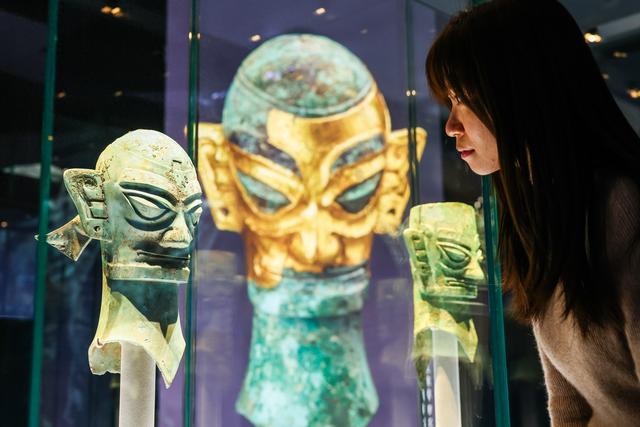
戴金面罩青铜人头像

Search documents
到国博感受古蜀文明“双星耀世”
Xin Lang Cai Jing· 2026-01-19 23:20
Core Viewpoint - The "Double Stars Shine Together - Sanxingdui and Jinsha Site Ancient Shu Civilization Exhibition" opened at the National Museum of China, showcasing over 200 artifacts and highlighting the unique value of the ancient Shu civilization [1][2]. Group 1: Exhibition Overview - The exhibition is guided by the National Cultural Heritage Administration and organized by the National Museum of China and the Sichuan Provincial Cultural Heritage Administration, running for seven months [1]. - It features four thematic sections: "Stunning Secrets," "Dance of Gods and Humans," "Worship of Heaven and Earth," and "Mutual Appreciation," presenting the archaeological journey and cultural heritage of the Sanxingdui and Jinsha sites [1]. Group 2: Artifacts and Highlights - The exhibition includes significant artifacts such as bronze human heads with gold masks, bronze standing figures, and jade ceremonial objects, illustrating the grandeur of ancient Shu society [2]. - Notably, 37 artifacts from the Jinsha Site Museum are on display for the first time due to museum renovations, including the renowned bronze standing figure and beast-head jade [2][3]. - The exhibition features a historic gathering of the crowned bronze masks from both the Sanxingdui Museum and the National Museum of China, marking their first appearance together since 1986 [3]. Group 3: Visitor Experience - The exhibition is designed to be accessible, with features such as tactile models, NFC interactions, and audio guides to enhance the experience for all visitors, including those with disabilities [3]. - The immersive experience allows visitors to engage deeply with the ancient Shu civilization, creating a memorable cultural encounter [3].
200余件古蜀文物闪耀国博
Xin Lang Cai Jing· 2026-01-19 05:48
Core Viewpoint - The exhibition "Double Stars Shine in the World - Ancient Shu Civilization Exhibition of Sanxingdui and Jinsha Sites" showcases over 200 artifacts, including 59 first-class items, highlighting the rich cultural heritage of ancient Shu civilization and its archaeological significance [1] Group 1: Exhibition Highlights - The exhibition features 200+ artifacts, with 59 classified as first-class, including the bronze standing figures from the Jinsha site, marking their first display outside their home museum [1] - Notable exhibits include the bronze human head with a gold mask and the bronze standing figures, which illustrate the cultural evolution from the Sanxingdui to the Jinsha period [1] - The exhibition emphasizes the similarities and differences in artifacts, showcasing the transition in hairstyles and cultural practices between the two sites [1] Group 2: Cultural Exchange and Influence - The architectural elements and construction techniques of the Sanxingdui and Jinsha sites reflect cultural exchanges with the Yellow River basin, indicating a broader influence of Shang culture on ancient Shu bronze culture [1] - Artifacts such as seashells found at the sites suggest that the region functioned as an "international metropolis" during its peak [1] Group 3: Educational Aspects - The exhibition incorporates modern technology, including Braille descriptions and NFC-enabled audio guides, to enhance accessibility and understanding of ancient Shu civilization for all visitors [1] - Recent archaeological findings related to bronze casting techniques and agricultural practices are presented alongside artifacts, providing a comprehensive view of the advancements in ancient Shu society [1]
视频丨三星堆及金沙遗址200余件珍贵文物亮相国博
Yang Shi Xin Wen Ke Hu Duan· 2026-01-19 01:07
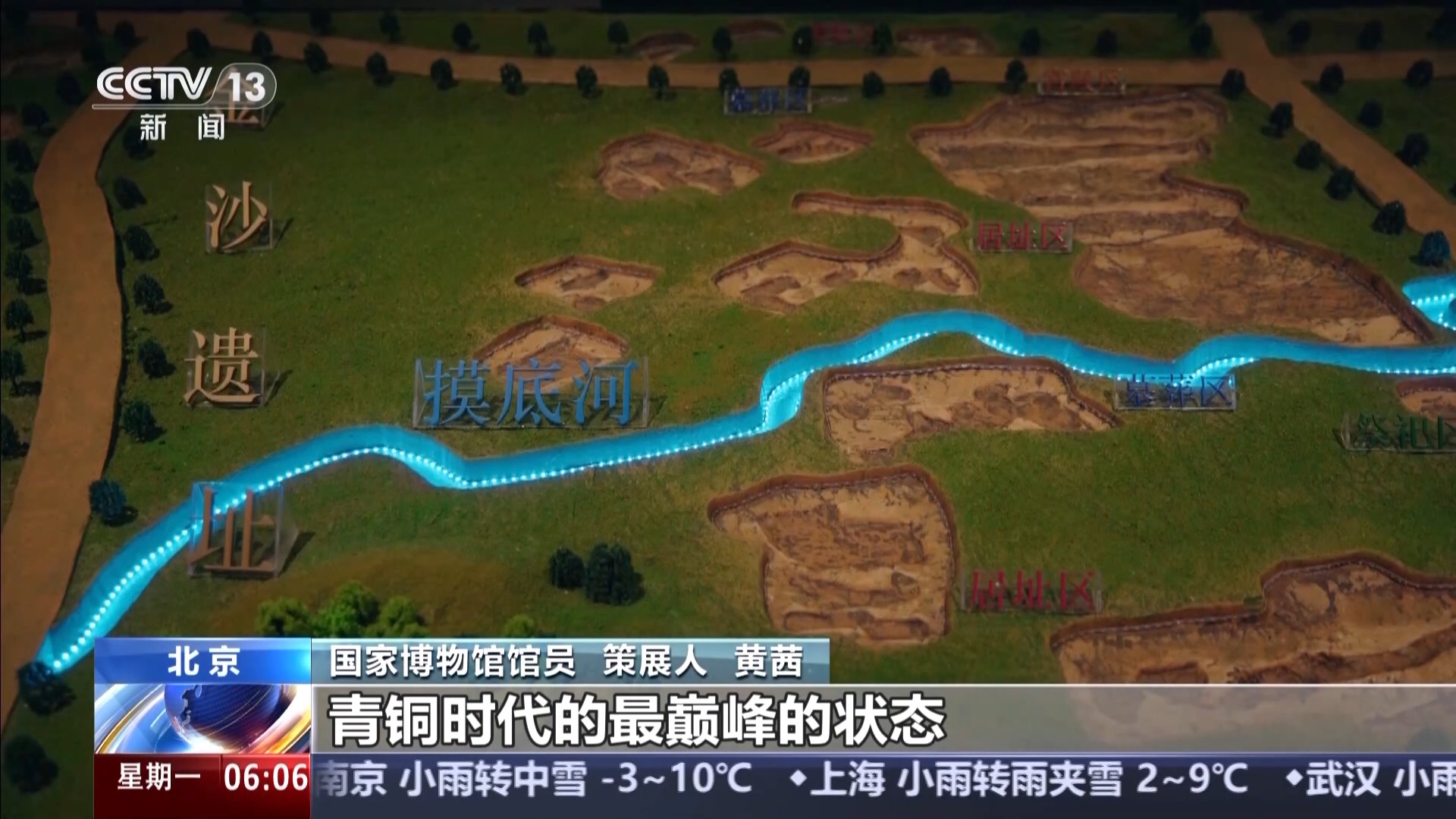
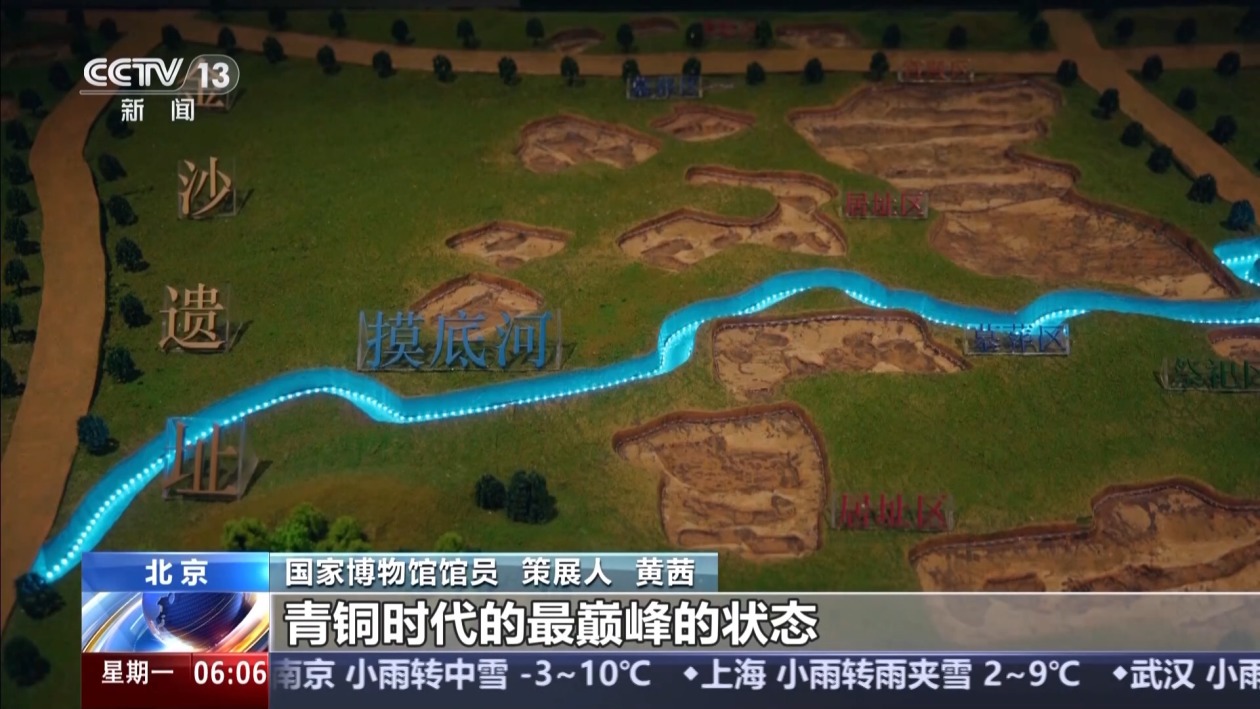
Core Insights - The exhibition at the National Museum showcases over 200 precious artifacts from the Sanxingdui and Jinsha sites, both of which have been recognized as significant archaeological discoveries in the past century, greatly enhancing the understanding of Chinese bronze civilization [1] Group 1 - The artificial carbonized rice and diverse pottery found at the sites reflect the daily life and wisdom of the ancient Shu people, highlighting their culinary practices [2] - Rituals played a crucial role in ancient Chinese culture, as evidenced by various ceremonial artifacts such as bronze masks and jade implements, which illustrate the reverence for nature and the divine [2] - The artifacts symbolize the Shu people's admiration for light and their imaginative cosmology, showcasing their rich cultural expressions [2] Group 2 - The Sanxingdui and Jinsha sites represent the pinnacle of the ancient Shu civilization during the Bronze Age, according to the curator of the National Museum [4] - Many of the unique designs found in the artifacts can be traced back to the historical context of Chinese civilization, indicating a strong cultural connection to the Central Plains during the Shang and Zhou dynasties [6] - The ancient Shu civilization demonstrated significant cultural creativity and subjectivity by incorporating and innovating upon bronze vessel forms from the Central Plains and the lower reaches of the Yangtze River [6]

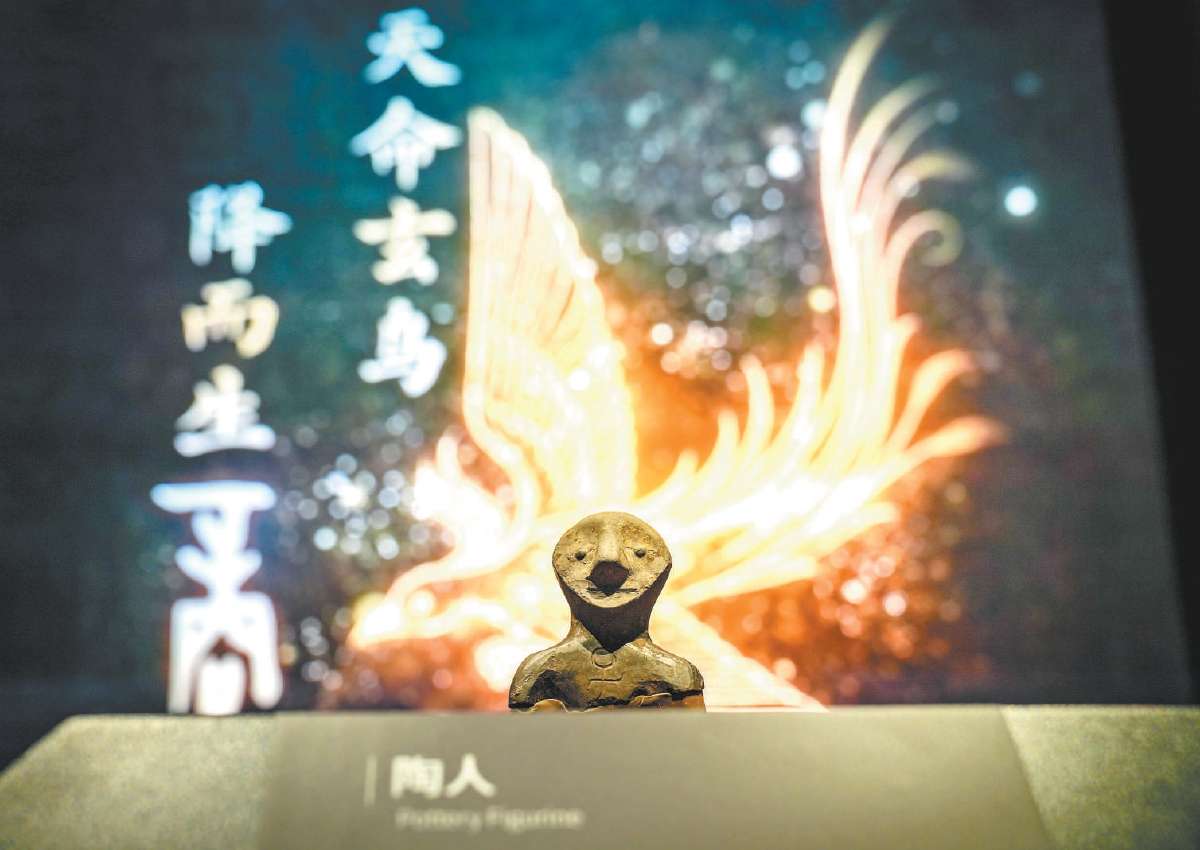
三星堆及金沙遗址200余件珍贵文物亮相国博
Xin Lang Cai Jing· 2026-01-18 23:36
Core Viewpoint - The exhibition of over 200 precious artifacts from the Sanxingdui and Jinsha sites at the National Museum highlights the significance of these archaeological discoveries in enhancing the understanding of Chinese bronze civilization [1][3]. Group 1: Artifacts and Cultural Significance - The artifacts, including artificially cultivated carbonized rice and various pottery, reflect the daily life and wisdom of the ancient Shu people [1]. - Ritual items such as bronze masks and jade ceremonial objects illustrate the importance of rituals in ancient Chinese society, depicting a reverence for nature and the cosmos [1]. - The sun-shaped and eye-shaped artifacts symbolize the ancient Shu people's admiration for light, showcasing their rich imagination and romantic view of the universe [1]. Group 2: Historical Context and Influence - The Sanxingdui and Jinsha sites represent the pinnacle of the ancient Shu civilization during the bronze age, indicating a significant cultural development [3]. - Many designs found in the artifacts, such as the beast face patterns on jade ceremonial axes, have roots in the bronze artifacts of the Shang and Zhou dynasties, indicating a cultural exchange [5]. - The ancient Shu civilization's ability to absorb and innovate upon the bronze forms from the Central Plains and the lower reaches of the Yangtze River demonstrates its strong cultural identity and creativity [5].
金沙青铜立人出土25年首次亮相北京 200余件古蜀文物闪耀国家博物馆
Xin Lang Cai Jing· 2026-01-18 23:36
Core Insights - The "Double Stars Shine - Sanxingdui and Jinsha Site Ancient Shu Civilization Exhibition" has opened, showcasing over 200 artifacts, including 59 first-class items, with many being exhibited for the first time [1] - The exhibition highlights the cultural exchange and continuity between the Sanxingdui and Jinsha sites, emphasizing the evolution of bronze artifacts and their significance in ancient Shu civilization [1] Group 1 - The exhibition features a significant number of bronze masks and figures, with a focus on the similarities and differences in design, reflecting the story of cultural inheritance [1] - Two prominent bronze figures, one from Sanxingdui and one from Jinsha, are showcased, illustrating the transition in cultural representation from the Sanxingdui period to the Jinsha period [1] - The architectural elements and construction techniques of the Sanxingdui and Jinsha sites show influences from the Yellow River basin, indicating a broader cultural interaction [1] Group 2 - Recent discoveries in bronze casting technology and agricultural practices related to the ancient Shu civilization are presented, enhancing the understanding of their craftsmanship [2] - The exhibition includes notable artifacts such as the solar bird gold ornament, which will be displayed again to celebrate the 20th anniversary of the "Cultural and Natural Heritage Day" [2] - Accessibility features such as Braille descriptions and audio guides are incorporated to enhance the experience for all visitors, including those with disabilities [2]
金沙青铜立人、青铜面具……200余件古蜀文物闪耀国博
Xin Lang Cai Jing· 2026-01-18 08:11
Group 1 - The exhibition "Double Stars Shine - Sanxingdui and Jinsha Site Ancient Shu Civilization Exhibition" showcases the latest archaeological findings from the Sanxingdui and Jinsha sites, featuring over 200 artifacts, including 59 first-class items [3] - Notable exhibits include the large and small bronze standing figures, with the large one being dubbed the "King of Bronze Statues" and the small one being displayed in Beijing for the first time in 25 years [5] - The exhibition highlights cultural exchanges, with architectural similarities between the Sanxingdui and Jinsha sites reflecting influences from the Yellow River basin [7] Group 2 - The exhibition reveals new findings in bronze casting technology, gold-making techniques, and rice cultivation methods, providing insights into ancient Shu craftsmanship [10] - A significant aspect of the exhibition is the first joint display of two iconic masks from the Sanxingdui Museum and the National Museum of China, marking a reunion after 40 years [12] - The exhibition includes accessibility features such as Braille descriptions, NFC sensing, touchable exhibits, and audio guide QR codes to enhance the experience for all visitors [14]
文博日历丨来这个博物馆,见证时隔半个世纪的团聚
Yang Shi Xin Wen· 2025-06-02 01:44
Core Viewpoint - The exhibition "See the Yin Shang" showcases significant artifacts from the Yin Shang dynasty, highlighting its 500-year history and cultural achievements [2]. Group 1: Artifacts and Their Significance - The exhibition features a collection of important artifacts, including the "Owl Zun" which symbolizes the legendary figure Fu Hao, a female warrior of the Shang dynasty [1]. - The "Yue Brothers," two bronze axes from the Shang dynasty, are displayed together for the first time in 36 years, emphasizing their historical importance [5]. - Unique bronze artifacts such as a bronze human head with golden skin and a bronze hand sculpture are presented, showcasing the advanced craftsmanship of the time [7][8]. Group 2: Cultural Insights - The artifacts reflect the spiritual and cultural beliefs of the Shang dynasty, including the reverence for dragons and the communication with deities, as seen in the dragon-shaped vessel [9]. - The exhibition serves as a vivid representation of the brilliance of Chinese civilization, inviting visitors to engage with the rich history of the Yin Shang period [9].
看见殷商 权威解码
Bei Jing Wan Bao· 2025-05-21 11:23
Core Viewpoint - The exhibition "See the Shang" at the Beijing Grand Canal Museum showcases 338 precious artifacts from 28 cultural institutions, narrating stories from over 3,000 years ago and illustrating the brilliance of Shang civilization [1][26]. Group 1: Exhibition Overview - The exhibition spans 1,720 square meters and features a selection of artifacts that were meticulously chosen through seven rounds of evaluation by a team of experts [1][3]. - The exhibition aims to provide an immersive experience, allowing visitors to "travel" through different regions and decode the cultural significance of the Shang dynasty [3][6]. Group 2: Artifact Selection Process - The selection process involved extensive collaboration with various museums, including notable pieces like the "Yazhang Niu Zun" and the "Crouching Owl Zun," which are significant for their historical and cultural value [4][22]. - The curatorial team focused on balancing academic rigor with public interest, ensuring that the artifacts not only represent scholarly importance but also engage the audience [3][4]. Group 3: Artifact Display and Safety - Each artifact is transported and displayed using specialized packaging to ensure safety, including temperature and humidity control for particularly valuable items [5][22]. - The exhibition features a variety of artifacts, including early Chinese writing systems and bronze vessels, highlighting cultural connections across different regions [5][12]. Group 4: Visitor Engagement - The exhibition includes interactive elements, such as mixed reality experiences, allowing visitors to engage with the artifacts in innovative ways [14][20]. - The exhibition also features a "Easter egg" area inspired by popular culture, connecting ancient artifacts to contemporary themes [5][26].