玉钺

Search documents
视频丨三星堆及金沙遗址200余件珍贵文物亮相国博
Yang Shi Xin Wen Ke Hu Duan· 2026-01-19 01:07
Core Insights - The exhibition at the National Museum showcases over 200 precious artifacts from the Sanxingdui and Jinsha sites, both of which have been recognized as significant archaeological discoveries in the past century, greatly enhancing the understanding of Chinese bronze civilization [1] Group 1 - The artificial carbonized rice and diverse pottery found at the sites reflect the daily life and wisdom of the ancient Shu people, highlighting their culinary practices [2] - Rituals played a crucial role in ancient Chinese culture, as evidenced by various ceremonial artifacts such as bronze masks and jade implements, which illustrate the reverence for nature and the divine [2] - The artifacts symbolize the Shu people's admiration for light and their imaginative cosmology, showcasing their rich cultural expressions [2] Group 2 - The Sanxingdui and Jinsha sites represent the pinnacle of the ancient Shu civilization during the Bronze Age, according to the curator of the National Museum [4] - Many of the unique designs found in the artifacts can be traced back to the historical context of Chinese civilization, indicating a strong cultural connection to the Central Plains during the Shang and Zhou dynasties [6] - The ancient Shu civilization demonstrated significant cultural creativity and subjectivity by incorporating and innovating upon bronze vessel forms from the Central Plains and the lower reaches of the Yangtze River [6]


三星堆及金沙遗址200余件珍贵文物亮相国博
Xin Lang Cai Jing· 2026-01-18 23:36
Core Viewpoint - The exhibition of over 200 precious artifacts from the Sanxingdui and Jinsha sites at the National Museum highlights the significance of these archaeological discoveries in enhancing the understanding of Chinese bronze civilization [1][3]. Group 1: Artifacts and Cultural Significance - The artifacts, including artificially cultivated carbonized rice and various pottery, reflect the daily life and wisdom of the ancient Shu people [1]. - Ritual items such as bronze masks and jade ceremonial objects illustrate the importance of rituals in ancient Chinese society, depicting a reverence for nature and the cosmos [1]. - The sun-shaped and eye-shaped artifacts symbolize the ancient Shu people's admiration for light, showcasing their rich imagination and romantic view of the universe [1]. Group 2: Historical Context and Influence - The Sanxingdui and Jinsha sites represent the pinnacle of the ancient Shu civilization during the bronze age, indicating a significant cultural development [3]. - Many designs found in the artifacts, such as the beast face patterns on jade ceremonial axes, have roots in the bronze artifacts of the Shang and Zhou dynasties, indicating a cultural exchange [5]. - The ancient Shu civilization's ability to absorb and innovate upon the bronze forms from the Central Plains and the lower reaches of the Yangtze River demonstrates its strong cultural identity and creativity [5].

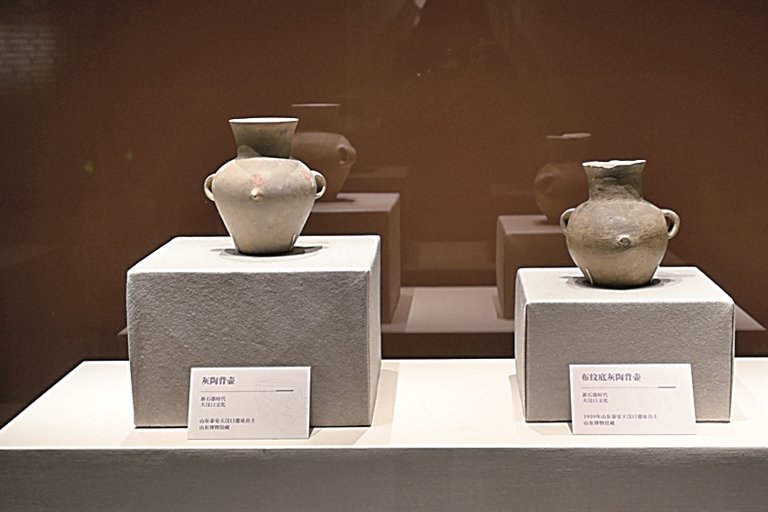
聆听礼乐文明悠远回响——山东文物特展亮相银川
Xin Lang Cai Jing· 2026-01-17 19:45
Core Viewpoint - The exhibition "Harmony of Rites and Music - Shandong Cultural Relics Exhibition" showcases over 100 artifacts, including jade, pottery, and bronze items, highlighting the evolution of Chinese civilization through the lens of ritual and music [1][2]. Group 1: Artifacts and Their Significance - The exhibition features a black pottery high-handled cup from the Longshan culture, noted for its delicate craftsmanship, representing the pinnacle of prehistoric pottery techniques [5]. - Jade artifacts from the Neolithic era, such as jade cong and jade axes, illustrate the early social structure and spiritual evolution, with jade becoming a symbol of moral and ethical values [2]. - The exhibition includes pottery that reflects the development of ritual practices from everyday life, indicating how these items transitioned from utilitarian to ceremonial purposes [2]. Group 2: Cultural Insights - The integration of jade into the ritual system signifies a deeper connection between material culture and moral values, as jade embodies qualities like benevolence and wisdom [2]. - The transition from pottery to bronze during the Shang and Zhou dynasties marks a significant evolution in ritual practices, with bronze items becoming symbols of state power and authority [5]. - The exhibition emphasizes the historical significance of ritual and music in shaping the values of Chinese civilization, promoting ideals such as virtue and harmony [7]. Group 3: Exhibition Details - The exhibition is held at the Ningxia Museum and will run until March 8 [8].