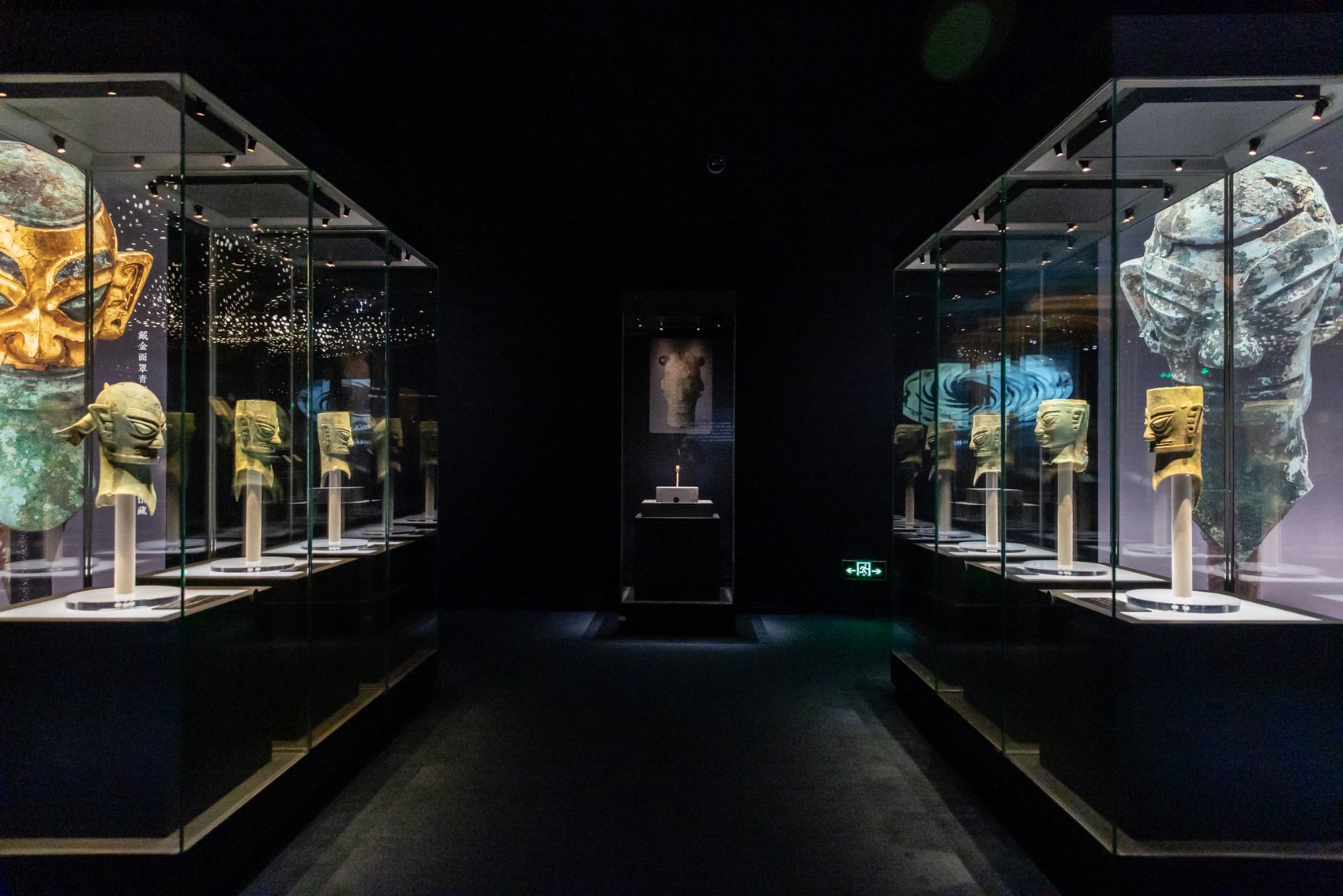
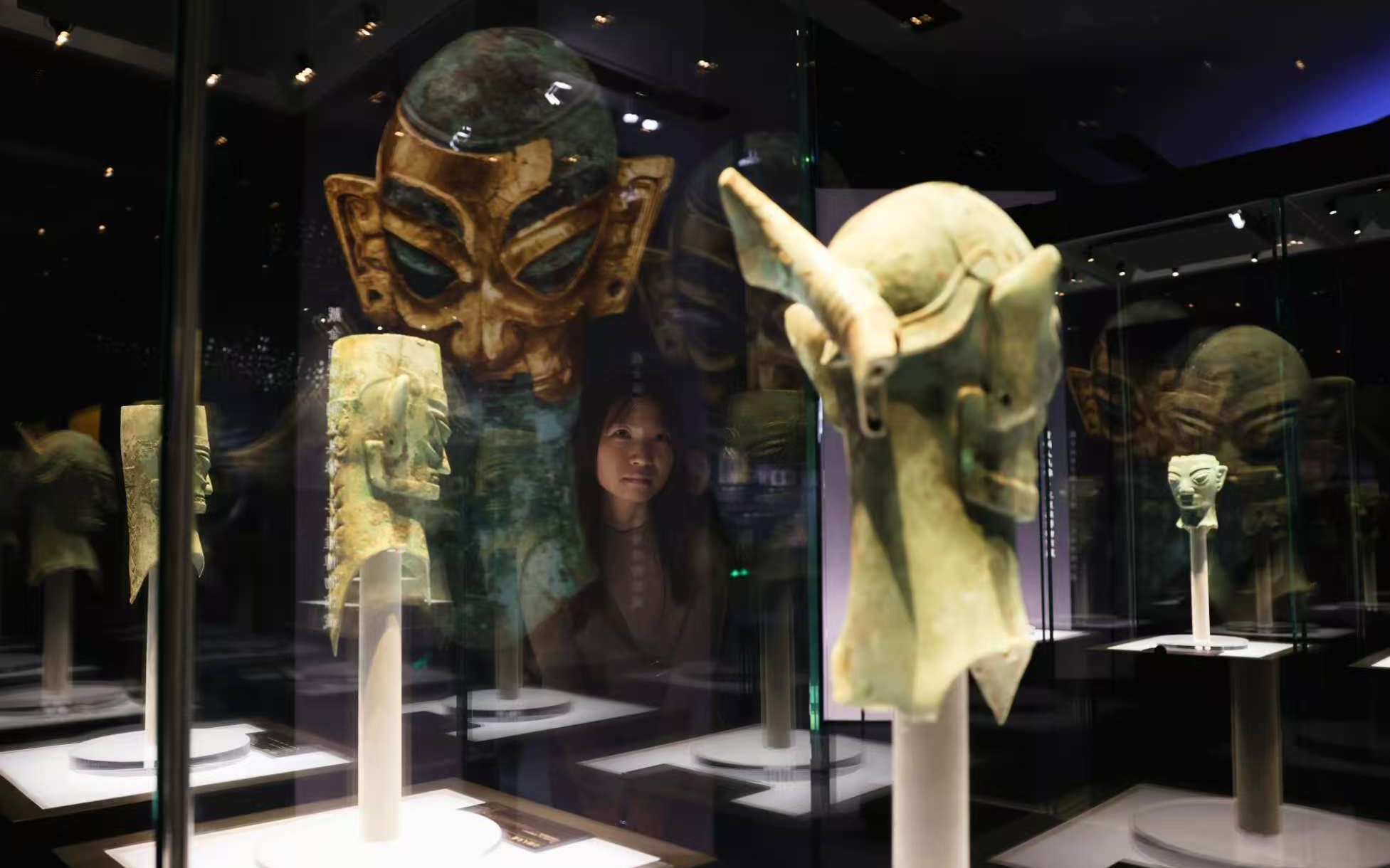
戴冠纵目面具

Search documents
看古蜀文明“双星”闪耀
Ren Min Ri Bao Hai Wai Ban· 2026-01-27 03:44
Core Viewpoint - The exhibition "Double Stars Shine in the World - Sanxingdui and Jinsha Site Ancient Shu Civilization Exhibition" showcases over 200 exquisite artifacts from the Sanxingdui and Jinsha sites, highlighting the archaeological journey and rich cultural heritage of ancient Shu civilization, emphasizing its significant position in the diverse and unified structure of Chinese civilization [2] Group 1: Exhibition Overview - The exhibition is organized by the National Museum of China and the Sichuan Provincial Cultural Relics Bureau, featuring artifacts that reflect the life and spiritual world of ancient Shu ancestors [2] - It includes four thematic units: "Stunning Secret Treasures," "Dance of Gods and Humans," "Worship of Heaven and Earth," and "Mutual Appreciation," which collectively present the archaeological findings and cultural significance of the Sanxingdui and Jinsha sites [2] - The exhibition aims to deepen the audience's understanding of the multi-faceted development of Chinese civilization [2] Group 2: Artifacts and Discoveries - Significant artifacts include the gold mask, bronze human head, and various jade and bronze items, showcasing the craftsmanship and cultural practices of the ancient Shu civilization [2][3] - The exhibition features 108 artifacts from the Jinsha site, including 37 items that have never been exhibited before, such as the bronze standing figure and beast-head jade [3] - The gold crown and the Sun Bird gold ornament from the Jinsha site are highlighted as symbols of ancient Shu's artistic achievements, with the gold ornament having a gold content of 94.2% [5] Group 3: Archaeological Significance - The Sanxingdui and Jinsha sites are recognized as major archaeological discoveries, with the Sanxingdui site being re-excavated in 2019, revealing six new sacrificial pits [2] - The exhibition features a rare display of two crown masks from the Sanxingdui site, marking the first time these iconic bronze masks have been exhibited together since their discovery [6] - The artifacts demonstrate a close cultural connection between the two sites, reflecting the continuity of ancient Shu civilization [5][6] Group 4: Visitor Engagement - The exhibition incorporates various interactive elements such as Braille descriptions, NFC sensing, touchable exhibits, and audio guide QR codes to enhance visitor engagement and understanding of ancient Shu civilization [7] - The exhibition is set to run until August 18 [8]

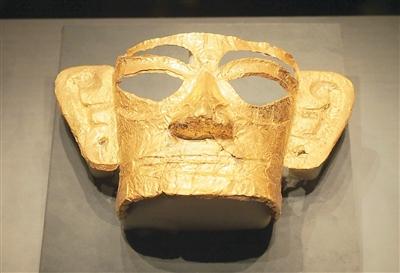
三星堆戴冠纵目面具“历史性聚首”
Xin Lang Cai Jing· 2026-01-20 19:54
Core Viewpoint - The exhibition "Double Stars Shine in the World - Ancient Shu Civilization Exhibition of Sanxingdui and Jinsha Sites" showcases over 200 exquisite artifacts from the Sanxingdui and Jinsha sites, reflecting the life and spiritual world of ancient Shu ancestors and their close ties with the Central Plains and the Yangtze River basin [8][10]. Group 1: Exhibition Overview - The exhibition is guided by the National Cultural Heritage Administration and organized by the National Museum of China and the Sichuan Provincial Cultural Heritage Administration, opening on January 18 and running until mid-August [8]. - It features four thematic units: "Stunning Secrets," "Dance of Gods and Humans," "Worship of Heaven and Earth," and "Mutual Appreciation," highlighting the unique value of ancient Shu civilization [8][10]. - The exhibition includes 108 artifacts from the Jinsha site, with 37 pieces never exhibited outside since the museum's opening, including iconic items like the bronze standing figure and beast-head jade pendant [8][10]. Group 2: Notable Artifacts - The exhibition features significant artifacts such as the bronze beast mask, sun-shaped bronze vessels, and the bronze figure known as the "Bronze Fitness Coach," showcasing the creativity and imagination of ancient Shu people [10][12]. - A historic gathering occurs with the display of two crown-shaped eye masks from the Sanxingdui Museum and the National Museum of China, marking the first time these iconic bronze masks are exhibited together since their discovery in 1986 [11]. - The exhibition also highlights the gold mask copper human head, known for its combination of gold foil and bronze, and is considered the most complete gold mask from the Shang and Zhou dynasties in China [12]. Group 3: Archaeological Significance - The discoveries at the Sanxingdui and Jinsha sites are recognized as major archaeological finds of the 20th and early 21st centuries, showcasing the harmonious coexistence of ancient Shu civilization with its natural environment [10]. - The exhibition emphasizes the importance of ancient Shu civilization in the context of China's diverse and unified cultural landscape, contributing unique insights into human civilization [12]. Group 4: Accessibility and Engagement - The exhibition incorporates multi-dimensional sensory experiences and inclusivity features, such as Braille descriptions, NFC sensing, touchable exhibits, and audio guide QR codes, ensuring accessibility for all visitors, including those with disabilities [12].
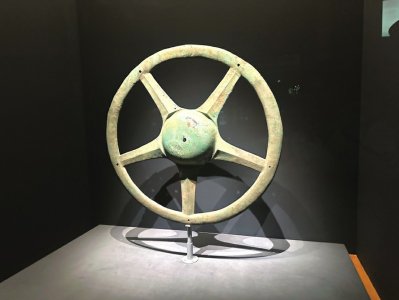
到国博感受古蜀文明“双星耀世”
Xin Lang Cai Jing· 2026-01-19 23:20
Core Viewpoint - The "Double Stars Shine Together - Sanxingdui and Jinsha Site Ancient Shu Civilization Exhibition" opened at the National Museum of China, showcasing over 200 artifacts and highlighting the unique value of the ancient Shu civilization [1][2]. Group 1: Exhibition Overview - The exhibition is guided by the National Cultural Heritage Administration and organized by the National Museum of China and the Sichuan Provincial Cultural Heritage Administration, running for seven months [1]. - It features four thematic sections: "Stunning Secrets," "Dance of Gods and Humans," "Worship of Heaven and Earth," and "Mutual Appreciation," presenting the archaeological journey and cultural heritage of the Sanxingdui and Jinsha sites [1]. Group 2: Artifacts and Highlights - The exhibition includes significant artifacts such as bronze human heads with gold masks, bronze standing figures, and jade ceremonial objects, illustrating the grandeur of ancient Shu society [2]. - Notably, 37 artifacts from the Jinsha Site Museum are on display for the first time due to museum renovations, including the renowned bronze standing figure and beast-head jade [2][3]. - The exhibition features a historic gathering of the crowned bronze masks from both the Sanxingdui Museum and the National Museum of China, marking their first appearance together since 1986 [3]. Group 3: Visitor Experience - The exhibition is designed to be accessible, with features such as tactile models, NFC interactions, and audio guides to enhance the experience for all visitors, including those with disabilities [3]. - The immersive experience allows visitors to engage deeply with the ancient Shu civilization, creating a memorable cultural encounter [3].
200余件古蜀文物闪耀国博
Xin Lang Cai Jing· 2026-01-19 05:48
Core Viewpoint - The exhibition "Double Stars Shine in the World - Ancient Shu Civilization Exhibition of Sanxingdui and Jinsha Sites" showcases over 200 artifacts, including 59 first-class items, highlighting the rich cultural heritage of ancient Shu civilization and its archaeological significance [1] Group 1: Exhibition Highlights - The exhibition features 200+ artifacts, with 59 classified as first-class, including the bronze standing figures from the Jinsha site, marking their first display outside their home museum [1] - Notable exhibits include the bronze human head with a gold mask and the bronze standing figures, which illustrate the cultural evolution from the Sanxingdui to the Jinsha period [1] - The exhibition emphasizes the similarities and differences in artifacts, showcasing the transition in hairstyles and cultural practices between the two sites [1] Group 2: Cultural Exchange and Influence - The architectural elements and construction techniques of the Sanxingdui and Jinsha sites reflect cultural exchanges with the Yellow River basin, indicating a broader influence of Shang culture on ancient Shu bronze culture [1] - Artifacts such as seashells found at the sites suggest that the region functioned as an "international metropolis" during its peak [1] Group 3: Educational Aspects - The exhibition incorporates modern technology, including Braille descriptions and NFC-enabled audio guides, to enhance accessibility and understanding of ancient Shu civilization for all visitors [1] - Recent archaeological findings related to bronze casting techniques and agricultural practices are presented alongside artifacts, providing a comprehensive view of the advancements in ancient Shu society [1]
视频丨三星堆及金沙遗址200余件珍贵文物亮相国博
Yang Shi Xin Wen Ke Hu Duan· 2026-01-19 01:07
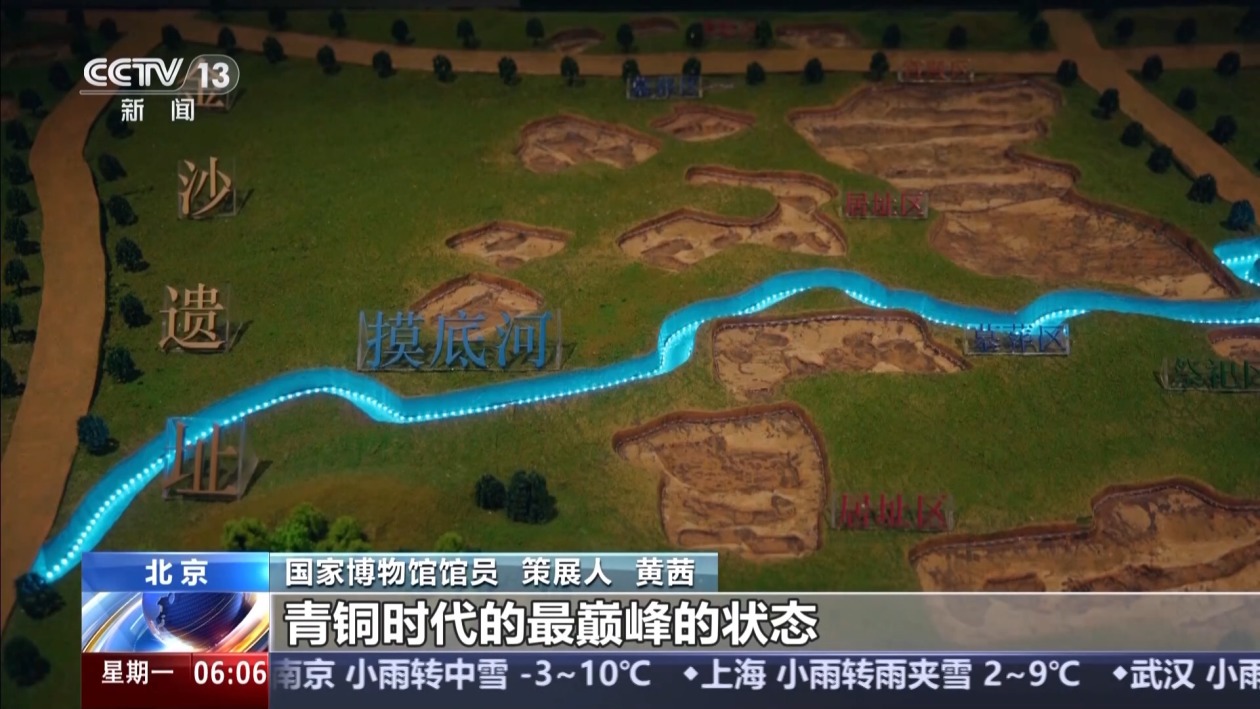
Core Insights - The exhibition at the National Museum showcases over 200 precious artifacts from the Sanxingdui and Jinsha sites, both of which have been recognized as significant archaeological discoveries in the past century, greatly enhancing the understanding of Chinese bronze civilization [1] Group 1 - The artificial carbonized rice and diverse pottery found at the sites reflect the daily life and wisdom of the ancient Shu people, highlighting their culinary practices [2] - Rituals played a crucial role in ancient Chinese culture, as evidenced by various ceremonial artifacts such as bronze masks and jade implements, which illustrate the reverence for nature and the divine [2] - The artifacts symbolize the Shu people's admiration for light and their imaginative cosmology, showcasing their rich cultural expressions [2] Group 2 - The Sanxingdui and Jinsha sites represent the pinnacle of the ancient Shu civilization during the Bronze Age, according to the curator of the National Museum [4] - Many of the unique designs found in the artifacts can be traced back to the historical context of Chinese civilization, indicating a strong cultural connection to the Central Plains during the Shang and Zhou dynasties [6] - The ancient Shu civilization demonstrated significant cultural creativity and subjectivity by incorporating and innovating upon bronze vessel forms from the Central Plains and the lower reaches of the Yangtze River [6]
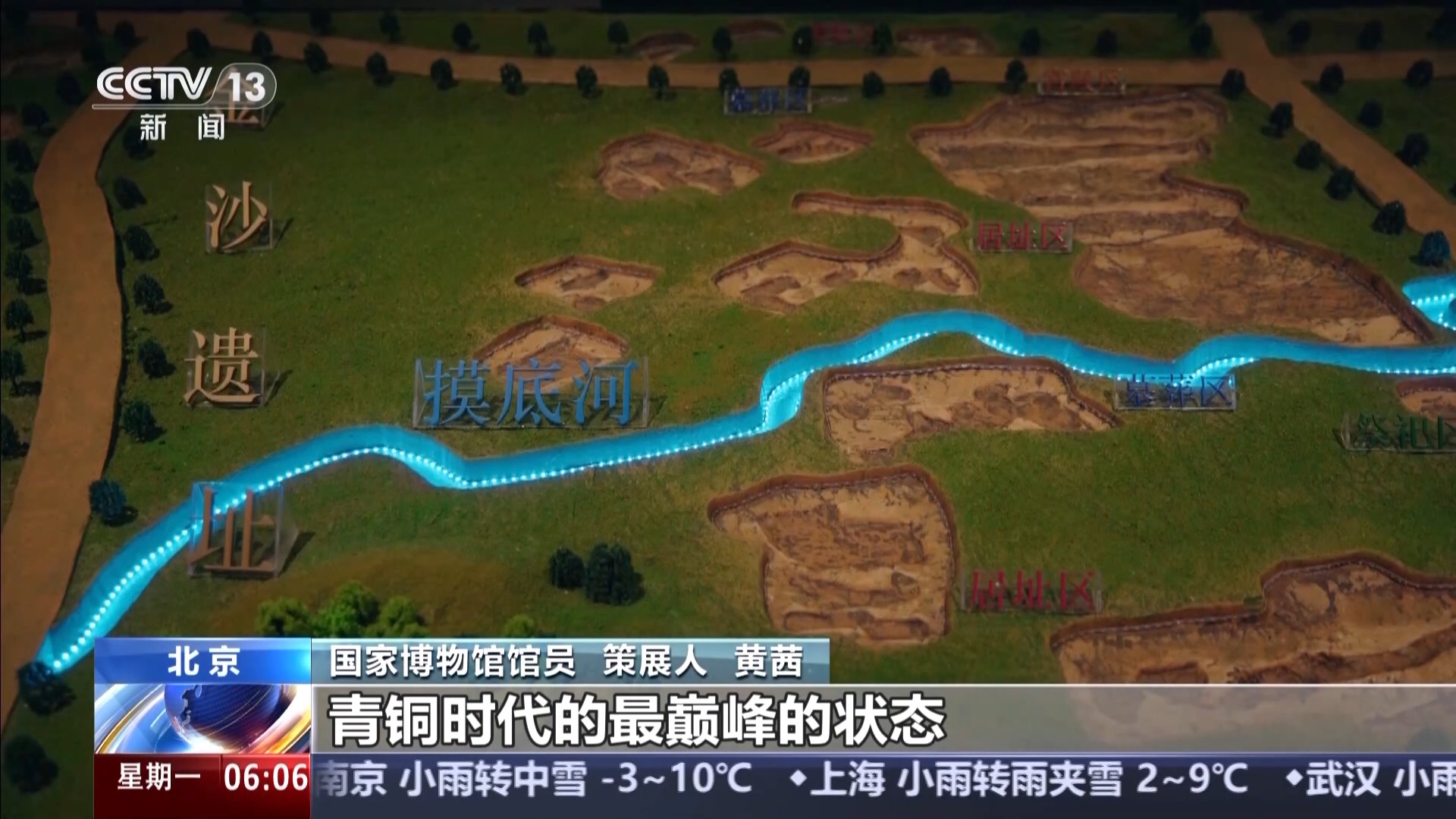
跨时空对话,三星堆—金沙遗址古蜀文明展亮相国博 戴冠纵目面具首次同台亮相
Si Chuan Ri Bao· 2026-01-19 00:35
Core Viewpoint - The exhibition "Double Stars Shine in the World - Sanxingdui and Jinsha Site Ancient Shu Civilization Exhibition" showcases over 200 exquisite artifacts from the Sanxingdui and Jinsha sites, highlighting the archaeological journey and rich cultural heritage of ancient Shu civilization, and its connections with the Central Plains and the lower reaches of the Yangtze River [7][8]. Group 1: Exhibition Details - The exhibition runs from June 13 to August 18, featuring the Sun God Bird gold ornament from the Jinsha site as the centerpiece, with 37 artifacts making their debut [7][11]. - This is the first time the crowned eye masks from the Sanxingdui Museum and the National Museum of China are displayed together since their discovery in 1986 [12]. Group 2: Cultural Significance - The Sanxingdui and Jinsha sites are recognized as the largest and most culturally rich urban ruins in the Yangtze River basin, providing crucial archaeological evidence for the multi-faceted nature of Chinese civilization [8]. - The exhibition is divided into four sections: "Stunning Treasures," "Gods and Humans Dance Together," "Worshiping Heaven and Earth," and "Mutual Integration and Appreciation," each revealing different aspects of ancient Shu civilization [8][9]. Group 3: Artifacts and Innovations - The "Worshiping Heaven and Earth" section showcases artifacts that reflect the high status of religious rituals in ancient Shu society, including jade and masks that signify the importance of spirituality [9]. - The "Mutual Integration and Appreciation" section explains how the Sanxingdui and Jinsha cultures innovated by incorporating surrounding civilizations, exemplified by the unique bronze tree and advanced goldsmithing techniques [10].

三星堆及金沙遗址200余件珍贵文物亮相国博
Xin Lang Cai Jing· 2026-01-18 23:36
Core Viewpoint - The exhibition of over 200 precious artifacts from the Sanxingdui and Jinsha sites at the National Museum highlights the significance of these archaeological discoveries in enhancing the understanding of Chinese bronze civilization [1][3]. Group 1: Artifacts and Cultural Significance - The artifacts, including artificially cultivated carbonized rice and various pottery, reflect the daily life and wisdom of the ancient Shu people [1]. - Ritual items such as bronze masks and jade ceremonial objects illustrate the importance of rituals in ancient Chinese society, depicting a reverence for nature and the cosmos [1]. - The sun-shaped and eye-shaped artifacts symbolize the ancient Shu people's admiration for light, showcasing their rich imagination and romantic view of the universe [1]. Group 2: Historical Context and Influence - The Sanxingdui and Jinsha sites represent the pinnacle of the ancient Shu civilization during the bronze age, indicating a significant cultural development [3]. - Many designs found in the artifacts, such as the beast face patterns on jade ceremonial axes, have roots in the bronze artifacts of the Shang and Zhou dynasties, indicating a cultural exchange [5]. - The ancient Shu civilization's ability to absorb and innovate upon the bronze forms from the Central Plains and the lower reaches of the Yangtze River demonstrates its strong cultural identity and creativity [5].
金沙青铜立人出土25年首次亮相北京 200余件古蜀文物闪耀国家博物馆
Xin Lang Cai Jing· 2026-01-18 23:36
Core Insights - The "Double Stars Shine - Sanxingdui and Jinsha Site Ancient Shu Civilization Exhibition" has opened, showcasing over 200 artifacts, including 59 first-class items, with many being exhibited for the first time [1] - The exhibition highlights the cultural exchange and continuity between the Sanxingdui and Jinsha sites, emphasizing the evolution of bronze artifacts and their significance in ancient Shu civilization [1] Group 1 - The exhibition features a significant number of bronze masks and figures, with a focus on the similarities and differences in design, reflecting the story of cultural inheritance [1] - Two prominent bronze figures, one from Sanxingdui and one from Jinsha, are showcased, illustrating the transition in cultural representation from the Sanxingdui period to the Jinsha period [1] - The architectural elements and construction techniques of the Sanxingdui and Jinsha sites show influences from the Yellow River basin, indicating a broader cultural interaction [1] Group 2 - Recent discoveries in bronze casting technology and agricultural practices related to the ancient Shu civilization are presented, enhancing the understanding of their craftsmanship [2] - The exhibition includes notable artifacts such as the solar bird gold ornament, which will be displayed again to celebrate the 20th anniversary of the "Cultural and Natural Heritage Day" [2] - Accessibility features such as Braille descriptions and audio guides are incorporated to enhance the experience for all visitors, including those with disabilities [2]
戴冠纵目面具首次同台 三星堆—金沙遗址古蜀文明展亮相国家博物馆
Xin Lang Cai Jing· 2026-01-18 18:29
Core Viewpoint - The exhibition "Double Stars Shine in the World - Sanxingdui and Jinsha Site Ancient Shu Civilization Exhibition" showcases over 200 cultural relics, highlighting the archaeological journey and rich cultural heritage of the Sanxingdui and Jinsha sites, revealing the close connections between ancient Shu civilization and the Central Plains as well as the middle and lower reaches of the Yangtze River [1][6]. Group 1: Exhibition Highlights - The exhibition features the first-ever joint display of two crowned vertical-eyed masks from the Sanxingdui Museum and the National Museum of China, marking a historic gathering since their discovery in 1986 [3][4]. - The exhibition includes 37 sets of Jinsha relics that are being displayed outside the museum for the first time, showcasing significant artifacts such as the bronze standing figure and beast-head jade [6][8]. - The Sun God Bird gold ornament, a treasure of the Jinsha Museum, is highlighted in the exhibition, known for its high gold content of 94.2% and intricate design, representing the pinnacle of ancient Shu gold craftsmanship [4][6]. Group 2: Archaeological Significance - The Sanxingdui and Jinsha sites are recognized as two of the most significant archaeological discoveries in China, with the Sanxingdui site being re-excavated in 2019, leading to the discovery of six new sacrificial pits [3][4]. - The exhibition utilizes 3D technology to recreate significant artifacts, enhancing the visitor experience and understanding of ancient Shu civilization [5][8]. - The exhibition aims to deepen public awareness of the multi-faceted development of Chinese civilization, showcasing the results of archaeological excavations since 2020 and the upcoming research progress to be presented at the Sanxingdui Forum in September 2025 [8].
“神鸟”领衔、戴冠纵目面具首次聚首,三星堆—金沙遗址古蜀文明展亮相国博
Xin Lang Cai Jing· 2026-01-18 11:14
Core Viewpoint - The exhibition "Twin Stars Shine - Sanxingdui and Jinsha Site Ancient Shu Civilization Exhibition" showcases over 200 exquisite artifacts from the Sanxingdui and Jinsha sites, highlighting the archaeological journey and rich cultural heritage of the ancient Shu civilization, and revealing its close ties with the Central Plains and the lower reaches of the Yangtze River, thus illustrating the diversity and unity of Chinese civilization [1][4]. Group 1: Exhibition Overview - The exhibition is guided by the National Cultural Heritage Administration and hosted by the National Museum of China and the Sichuan Provincial Cultural Heritage Administration, with support from various local archaeological institutions. It will run until August 18, 2026 [3]. - The exhibition is divided into four main chapters: "Stunning Treasures," "Human and Divine Dance," "Worship of Heaven and Earth," and "Mutual Integration and Appreciation," which collectively unveil the grandeur of ancient Shu civilization [4]. Group 2: Key Artifacts and Cultural Insights - "Stunning Treasures" presents the discovery journey of the Sanxingdui and Jinsha sites, with significant finds from 1986 and 2001 recognized as major archaeological discoveries of the 20th and early 21st centuries, respectively [4]. - "Human and Divine Dance" illustrates the rich bronze civilization of ancient Shu, revealing the spiritual beliefs and social structure of the Shu people through artifacts like bronze figures and masks, indicating a dual power structure of religious and secular authority [5]. - "Worship of Heaven and Earth" showcases artifacts that reflect the ancient Shu people's reverence for nature and the divine, emphasizing the high status of religious rituals in their society and the civilization's strength during the Shang and Zhou dynasties [7]. - "Mutual Integration and Appreciation" details how the Sanxingdui and Jinsha cultures innovatively absorbed surrounding civilizations, exemplified by the advanced bronze and gold craftsmanship, which represents the pinnacle of early Chinese metallurgy [8]. Group 3: Notable Exhibits - The exhibition features the "Sun God Bird" gold ornament from the Jinsha site, renowned for its intricate design and high gold content of 94.2%, symbolizing the brilliance of ancient Shu gold craftsmanship [10]. - A total of 37 artifacts from the Jinsha site are being exhibited for the first time, including significant items that depict the daily life, production techniques, and spiritual beliefs of the ancient Shu society [11]. - The exhibition also includes notable artifacts from the Sanxingdui site, such as the gold mask and bronze figures, which together portray a vibrant ancient Shu society and highlight the grandeur of Chinese civilization [13].