奶盒

Search documents
小分类推动大循环 从奶盒回收“走进”校园看城市更新向“绿”转型
Yang Shi Wang· 2025-12-08 02:28
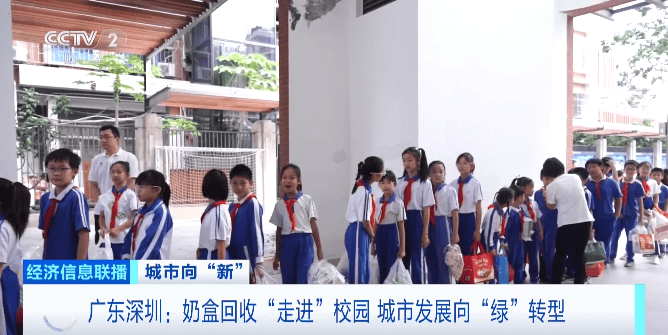
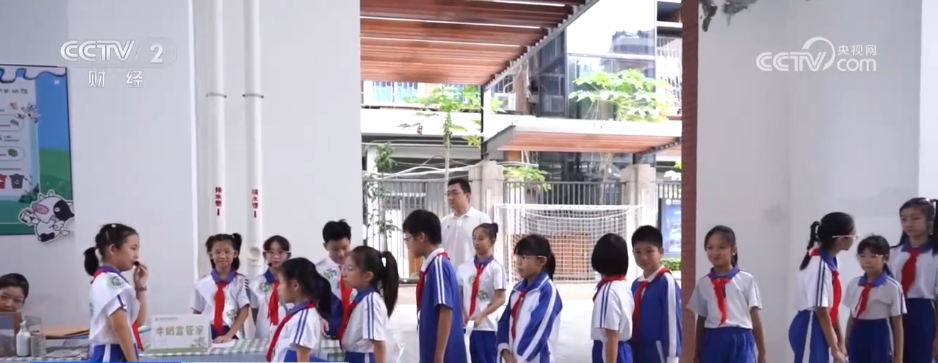
Group 1 - The core idea of the news is the promotion of green and low-carbon development through urban renewal, specifically focusing on waste classification initiatives in cities across China since 2019 [1] - Shenzhen has implemented a weekly milk box recycling program in schools, where students actively participate in collecting and recycling milk boxes, which were previously discarded [3] - The recycled milk boxes are transported to designated sites and enter the resource recycling system, with students able to exchange collected boxes for school supplies or movie tickets, fostering environmental awareness and financial literacy [5] Group 2 - Over 1,800 out of more than 2,200 primary and secondary schools in Shenzhen are involved in the milk box recycling initiative, which has led to the recycling of approximately 763 tons of milk boxes last year [7] - The carbon reduction achieved from this recycling effort amounts to 1,232 tons, which has been traded in the carbon market, marking a pioneering step in carbon trading for milk box recycling in China [7]

奶盒回收“走进”深圳校园 城市发展向“绿”转型
Sou Hu Cai Jing· 2025-12-07 14:59
Core Viewpoint - The article emphasizes the importance of green and low-carbon development in urban renewal, highlighting the implementation of waste classification in cities across China since 2019, with a specific focus on Shenzhen's initiatives in recycling milk cartons and promoting environmental awareness among students [1]. Group 1: Waste Classification Initiatives - The city of Shenzhen has implemented a milk carton recycling program in over 1800 out of 2200 primary and secondary schools, which has led to the recycling of approximately 763 tons of milk cartons last year, resulting in a carbon reduction of 1232 tons through carbon trading [10]. - The recycling process involves students collecting, cleaning, and preparing milk cartons for recycling, which fosters environmental consciousness and financial literacy among them [3][6][8]. Group 2: Collaboration and Expansion - The Shenzhen Municipal Waste Classification Management Center has identified challenges in recycling takeout containers in office buildings, leading to partnerships with delivery platforms and property management to enhance the collection of recyclable materials [12]. - The overall waste classification system is expanding beyond schools, indicating a broader commitment to improving recycling rates and reducing waste in urban environments [10].