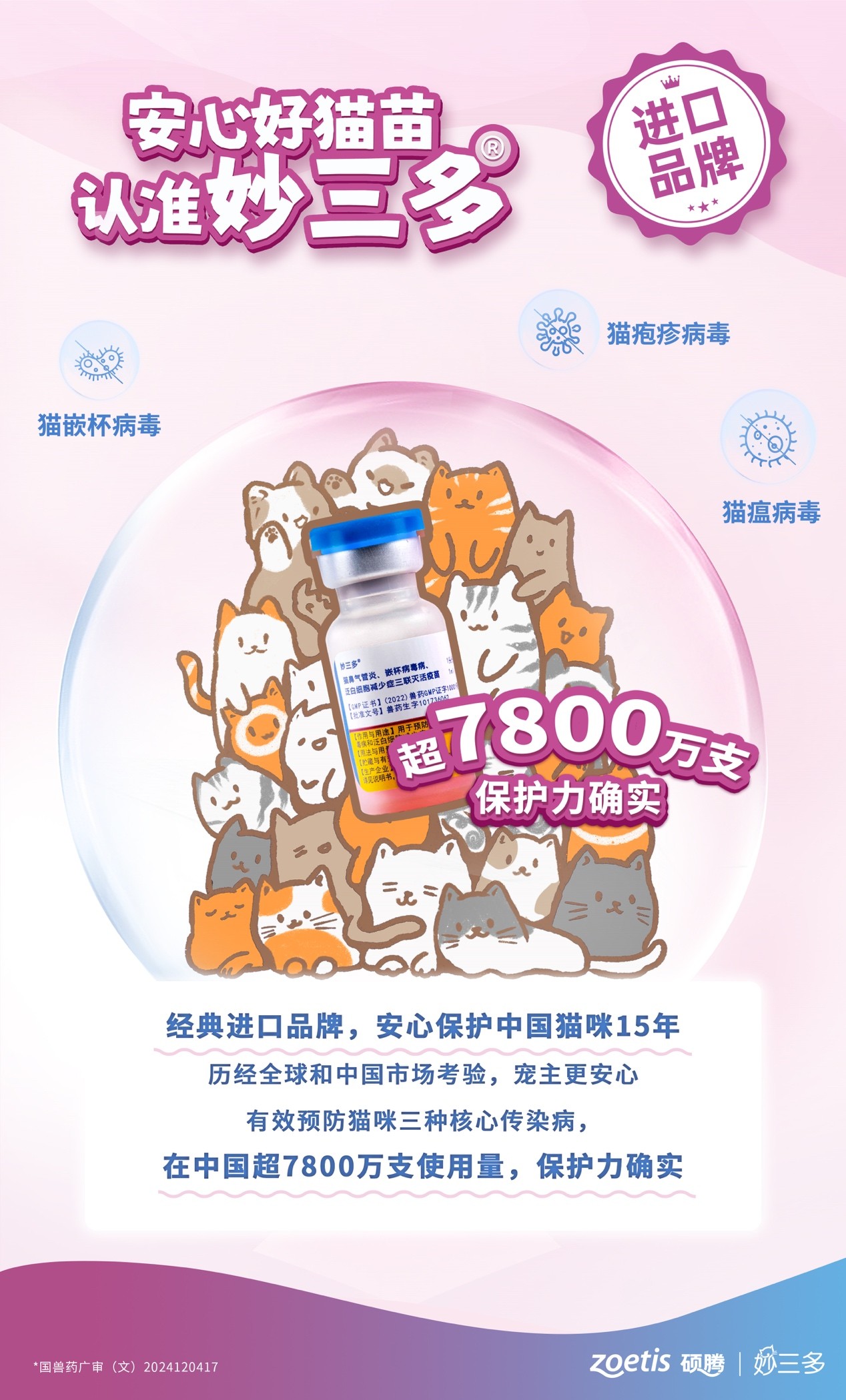
妙三多疫苗

Search documents
买猫500、治病5000,年轻人抛弃宠物医院
投中网· 2026-03-24 08:14
Core Insights - The pet medical industry in China is facing significant challenges, with many clinics struggling to remain profitable despite a growing market for pet care [7][10][21] - The average profit margin for 40% of pet hospitals is below 10%, leading to a high closure rate of clinics [7][10] - The industry is experiencing a shift towards specialization and community-based services as a response to financial pressures and changing consumer behavior [41][43] Group 1: Industry Challenges - Many pet hospitals are unable to cover their operational costs, with 55% of institutions reporting monthly revenues below 100,000 yuan [20][21] - The average consultation fee for pets remains below 500 yuan, which is insufficient to sustain the high costs of medical equipment and staff salaries [19][20] - The influx of capital has led to a competitive environment where clinics are forced to invest heavily in advanced medical equipment, often without a clear path to profitability [26][27] Group 2: Changing Consumer Behavior - The demographic of pet owners is shifting, with younger urban workers becoming the primary pet owners, often leading to a more cost-conscious approach to pet care [13][14] - Many pet owners are opting for lower-cost treatment options or even abandoning pets due to high medical costs, leading to increased abandonment rates [15][16] - The perception that pet medical care is more expensive than human healthcare is prevalent, causing dissatisfaction among pet owners [20][21] Group 3: Industry Evolution - The pet medical field is witnessing a trend towards specialization, with clinics focusing on specific areas such as traditional Chinese medicine or rehabilitation services [37][40] - Community-based clinics are emerging as a viable model, providing essential services while reducing operational costs [41][43] - The industry is moving towards a tiered healthcare system, where small community clinics and larger specialized hospitals coexist, allowing for better resource allocation and service delivery [41][45]


买猫500、治病5000,年轻人抛弃宠物医院
虎嗅APP· 2026-03-23 00:15
Core Insights - The pet medical industry in China is facing significant challenges, with many clinics struggling to remain profitable despite a growing market. The average profit margin for 40% of pet hospitals is below 10%, leading to a high closure rate [5][8]. - The market for pet care is still expanding, with over 126 million cats and dogs in China, surpassing the number of children under four years old. However, the influx of new clinics has led to oversaturation and increased competition [7][8]. - The cost of pet medical care is perceived as high, with many pet owners opting for cheaper treatment options or even abandoning their pets due to financial constraints [12][13]. Industry Challenges - Many pet hospitals are experiencing a "pain spiral," where both the volume of clients and revenue are under pressure. Over 55% of clinics report monthly revenues below 100,000 yuan [16][18]. - The average consultation fee for pet medical services remains below 500 yuan, which is insufficient to cover operational costs, leading to financial strain on clinics [16][18]. - The high cost of medical equipment and supplies, coupled with low patient turnover, makes it difficult for clinics to achieve profitability. For instance, the cost of MRI scans for pets can reach 2,000-3,000 yuan, while the equipment itself is expensive to maintain [20][21]. Market Dynamics - The pet medical field is witnessing a shift towards specialization, with an increasing number of clinics focusing on specific areas such as traditional Chinese medicine, dental care, and rehabilitation services [30][32]. - The trend of "downgrading" clinics to community service models is emerging, allowing for lower operational costs and a more sustainable business model [36][38]. - Despite the challenges, there is a segment of responsible pet owners willing to invest in quality care for their pets, indicating a potential market for specialized services [30][32]. Future Outlook - The industry is expected to evolve towards a more structured system of tiered medical services, where small community clinics and specialized hospitals coexist, catering to different segments of pet owners [35][38]. - The ongoing professionalization and standardization of services may help address issues of over-treatment and build trust between pet owners and veterinary professionals [38].

妙三多疫苗可以预防哪些疾病?这篇新手养猫秘籍一定不要错过!
Sou Hu Wang· 2026-02-27 04:30
Core Viewpoint - The article emphasizes the importance of vaccinating cats with the "cat triad" vaccine, which protects against three major infectious diseases: feline panleukopenia, feline viral rhinotracheitis, and feline calicivirus. This proactive approach is crucial for ensuring the health and well-being of cats, especially for new pet owners [1][3]. Group 1: Vaccine Importance - The "cat triad" vaccine is not just a combination of three vaccines but a single shot that prevents three of the most dangerous and contagious viruses affecting cats [1]. - Feline panleukopenia has a high mortality rate, especially in kittens, while feline viral rhinotracheitis can lead to lifelong viral carriers, causing recurrent symptoms [1]. - Feline calicivirus can result in severe health issues, including oral ulcers and pneumonia, which can also be life-threatening [1]. Group 2: Cost-Benefit Analysis - Choosing to treat feline panleukopenia after infection can cost thousands, with no guaranteed recovery, while vaccination is a significantly lower cost option that provides robust protection [2]. - The financial burden and emotional stress of treating a sick cat can be overwhelming for pet owners, making vaccination a more sensible choice [2]. Group 3: Vaccine Safety and Efficacy - The "Miao San Duo" vaccine has been widely used in China for many years, with its safety and efficacy validated through extensive global market experience [3]. - Veterinarians recommend this vaccine based on professional experience, having witnessed the positive outcomes of timely vaccinations [3]. - Vaccination is portrayed as a foundational step in ensuring a cat's healthy development and a commitment to responsible pet ownership [3][4].
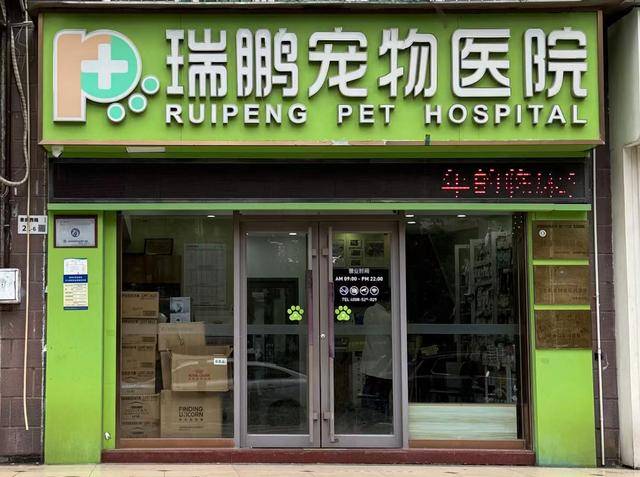
新瑞鹏创始人彭永鹤悄然出走:宠物医疗巨头狂奔下的裂缝与变局
Sou Hu Cai Jing· 2025-10-23 09:20
Core Insights - New Ruipeng Pet Hospital Group is shifting its strategy away from low-quality expansion, as emphasized by co-chairman Li Liang during the mid-year meeting in August 2025, following the departure of founder Peng Yonghe, which has sparked widespread discussion in the industry [1][3] - The operational control of New Ruipeng has been transferred to a representative of Hillhouse Capital, while Peng Yonghe has moved on to focus on AI medical technology and supply chain in a new venture [1][3] Company Overview - Founded in 1998 by veterinarian Peng Yonghe, Ruipeng Pet Hospital became the first listed pet medical company in China in 2016 [3] - In 2018, Ruipeng delisted from the New Third Board and formed New Ruipeng Group with significant investment from Hillhouse Capital, each holding approximately 40% of the company [3] - Despite becoming the largest pet medical platform in China, rapid expansion has led to significant financial losses, with revenues increasing from 4.784 billion to 5.74 billion yuan from 2021 to 2022, while net losses rose to 1.311 billion and 1.417 billion yuan respectively [3][4] Operational Challenges - The rapid expansion has resulted in management and service quality issues, leading to a talent gap in medical staff and dissatisfaction among employees due to high workloads and low compensation [3][4] - Consumer experience has been negatively impacted, with a reported 1,480 complaints on the Black Cat Complaint platform, focusing on issues like opaque pricing and over-treatment [4][8] Financial Performance - New Ruipeng's operational costs have surged, with labor costs rising from 22% of total revenue in 2015 to 52% in 2022, further squeezing profit margins [7] - The company has retracted its IPO application in the U.S. and is undergoing strategic contraction, reducing its number of stores from around 1,900 to approximately 1,600 [7][8] Industry Context - The challenges faced by New Ruipeng reflect broader issues within the Chinese pet medical industry, which has seen a saturation of stores and increasing operational costs, leading to a disconnect between consumer perceptions of high costs and companies' struggles with profitability [8][9] - Recent performance reports from other listed pet companies indicate similar trends, with revenue growth accompanied by declining net profits due to rising marketing expenses [9] Strategic Initiatives - New Ruipeng is focusing on specialization and digital transformation, establishing 15 specialized pet medical departments to enhance service quality [10] - The company is also exploring a network layout of "1+P+C" (one central hospital, specialized hospitals, and community clinics) to optimize resource allocation [10] - Peng Yonghe has invested 14 million yuan in Xiaowen Medical, which focuses on AI applications in the pet medical field, indicating a potential new growth area for the industry [10]