
宾利欧陆GT

Search documents
亏不起了,超豪华集体“反水”
汽车商业评论· 2026-02-26 23:05
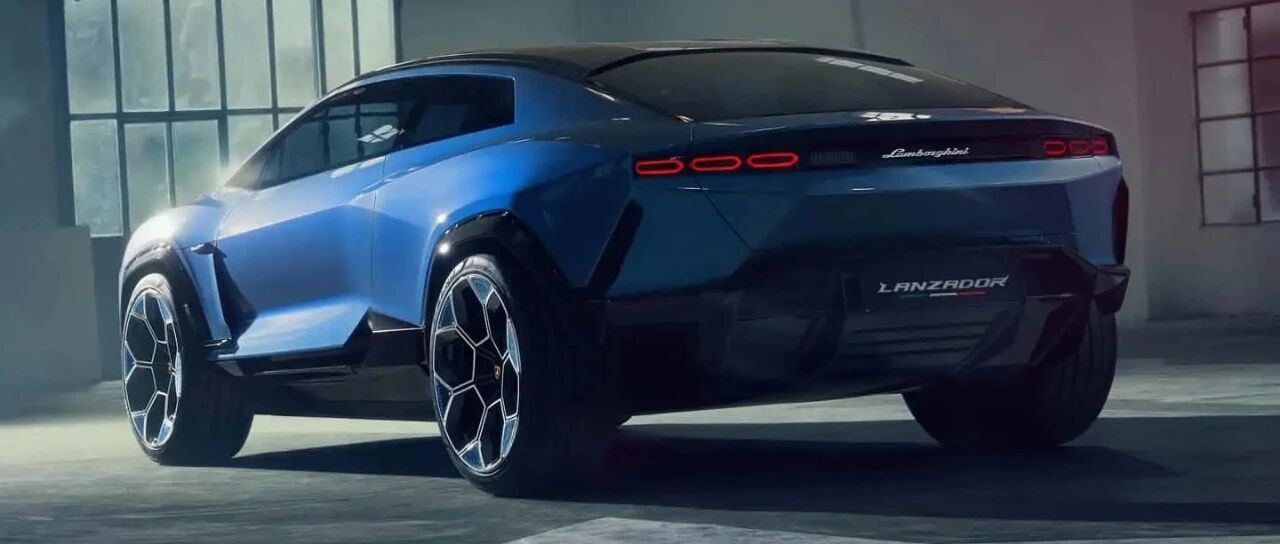
Core Viewpoint - Several ultra-luxury car brands are slowing down their electric vehicle (EV) transition due to market conditions and customer feedback, indicating a strategic recalibration rather than a complete retreat from electrification [4][16][40]. Group 1: Lamborghini's Strategy - Lamborghini has decided to shelve its all-electric concept car, the Lanzador, originally set for production in 2028, now replaced by plug-in hybrid models, meaning its lineup will consist entirely of hybrids by 2030 [6][8]. - CEO Stephan Winkelmann describes plug-in hybrids as a "win-win" solution, combining electric technology benefits while retaining the internal combustion engine as part of the brand's identity [7][9]. - The company plans to continue producing fuel vehicles for as long as possible, reflecting customer preferences for traditional engine sounds [9][33]. Group 2: Aston Martin's Financial Struggles - Aston Martin is facing severe financial difficulties, reporting an operating loss of £259.2 million and a net loss of £493.2 million in 2025, with total debt reaching £1.38 billion and cash reserves at only £250 million [11]. - Despite multiple investments from billionaire Lawrence Stroll, ongoing losses and delivery delays have led to a significant drop in stock price, nearly halving since its 2019 IPO [12][13]. - The company has cut its five-year capital expenditure plan from £2 billion to £1.7 billion and postponed investments in EV technology, alongside a 20% workforce reduction to save £40 million annually [14][15]. Group 3: Industry-Wide Adjustments - Other ultra-luxury brands like Bentley, Ferrari, and McLaren are also adjusting their electrification timelines, indicating a collective strategic shift [17][20]. - Bentley has postponed its EV plans to 2035 due to weak demand and inadequate charging infrastructure, while retaining gasoline versions of its models to cater to specific markets [18][20]. - Ferrari has halved its 2030 EV target, now aiming for 40% internal combustion, 40% hybrids, and 20% electric vehicles, reflecting a significant change from its previous goals [25][26]. Group 4: Customer Preferences and Market Dynamics - Customer feedback has played a crucial role in these strategic adjustments, as luxury car buyers often associate supercars with powerful gasoline engines [30][31]. - Brands like Lamborghini and Bentley acknowledge that the current luxury EV market does not support a full transition to electric vehicles, emphasizing the need for customer involvement in the electrification process [34][36]. - External pressures such as geopolitical tensions and economic uncertainties are also influencing these brands to reassess their EV strategies, highlighting the risks associated with aggressive electrification investments [37][39]. Group 5: Regulatory Pressures - Despite the strategic recalibrations, regulatory pressures remain stringent, with EU manufacturers required to reduce CO2 emissions by 90% by 2035 and at least 55% by 2030 [42][43]. - Brands like Ferrari and Bentley are still planning to launch their first electric models soon, indicating that while the pace of electrification may slow, the ultimate goal remains unchanged [44][45].


极氪9X将配备宾利同款Naim车载音响
Jing Ji Guan Cha Bao· 2025-08-20 05:00
Core Viewpoint - Zeekr 9X will feature Naim audio system, known for high-fidelity sound, enhancing the vehicle's audio experience [1] Company Summary - Zeekr Intelligent Technology announced the integration of Naim audio system in its Zeekr 9X model [1] - Naim Audio, a British high-fidelity audio manufacturer, was established in 1973 and has a history of collaboration with luxury automotive brands [1] Industry Summary - Naim has previously partnered with Bentley since 2008, providing upgraded audio systems for various Bentley models [1] - The collaboration with Naim positions Zeekr in the premium automotive market, leveraging high-quality audio as a selling point [1]