法拉利Luce

Search documents
亏不起了,超豪华集体“反水”
汽车商业评论· 2026-02-26 23:05
Core Viewpoint - Several ultra-luxury car brands are slowing down their electric vehicle (EV) transition due to market conditions and customer feedback, indicating a strategic recalibration rather than a complete retreat from electrification [4][16][40]. Group 1: Lamborghini's Strategy - Lamborghini has decided to shelve its all-electric concept car, the Lanzador, originally set for production in 2028, now replaced by plug-in hybrid models, meaning its lineup will consist entirely of hybrids by 2030 [6][8]. - CEO Stephan Winkelmann describes plug-in hybrids as a "win-win" solution, combining electric technology benefits while retaining the internal combustion engine as part of the brand's identity [7][9]. - The company plans to continue producing fuel vehicles for as long as possible, reflecting customer preferences for traditional engine sounds [9][33]. Group 2: Aston Martin's Financial Struggles - Aston Martin is facing severe financial difficulties, reporting an operating loss of £259.2 million and a net loss of £493.2 million in 2025, with total debt reaching £1.38 billion and cash reserves at only £250 million [11]. - Despite multiple investments from billionaire Lawrence Stroll, ongoing losses and delivery delays have led to a significant drop in stock price, nearly halving since its 2019 IPO [12][13]. - The company has cut its five-year capital expenditure plan from £2 billion to £1.7 billion and postponed investments in EV technology, alongside a 20% workforce reduction to save £40 million annually [14][15]. Group 3: Industry-Wide Adjustments - Other ultra-luxury brands like Bentley, Ferrari, and McLaren are also adjusting their electrification timelines, indicating a collective strategic shift [17][20]. - Bentley has postponed its EV plans to 2035 due to weak demand and inadequate charging infrastructure, while retaining gasoline versions of its models to cater to specific markets [18][20]. - Ferrari has halved its 2030 EV target, now aiming for 40% internal combustion, 40% hybrids, and 20% electric vehicles, reflecting a significant change from its previous goals [25][26]. Group 4: Customer Preferences and Market Dynamics - Customer feedback has played a crucial role in these strategic adjustments, as luxury car buyers often associate supercars with powerful gasoline engines [30][31]. - Brands like Lamborghini and Bentley acknowledge that the current luxury EV market does not support a full transition to electric vehicles, emphasizing the need for customer involvement in the electrification process [34][36]. - External pressures such as geopolitical tensions and economic uncertainties are also influencing these brands to reassess their EV strategies, highlighting the risks associated with aggressive electrification investments [37][39]. Group 5: Regulatory Pressures - Despite the strategic recalibrations, regulatory pressures remain stringent, with EU manufacturers required to reduce CO2 emissions by 90% by 2035 and at least 55% by 2030 [42][43]. - Brands like Ferrari and Bentley are still planning to launch their first electric models soon, indicating that while the pace of electrification may slow, the ultimate goal remains unchanged [44][45].


法拉利发布纯电车型,昭示了怎样的全球行业走向?
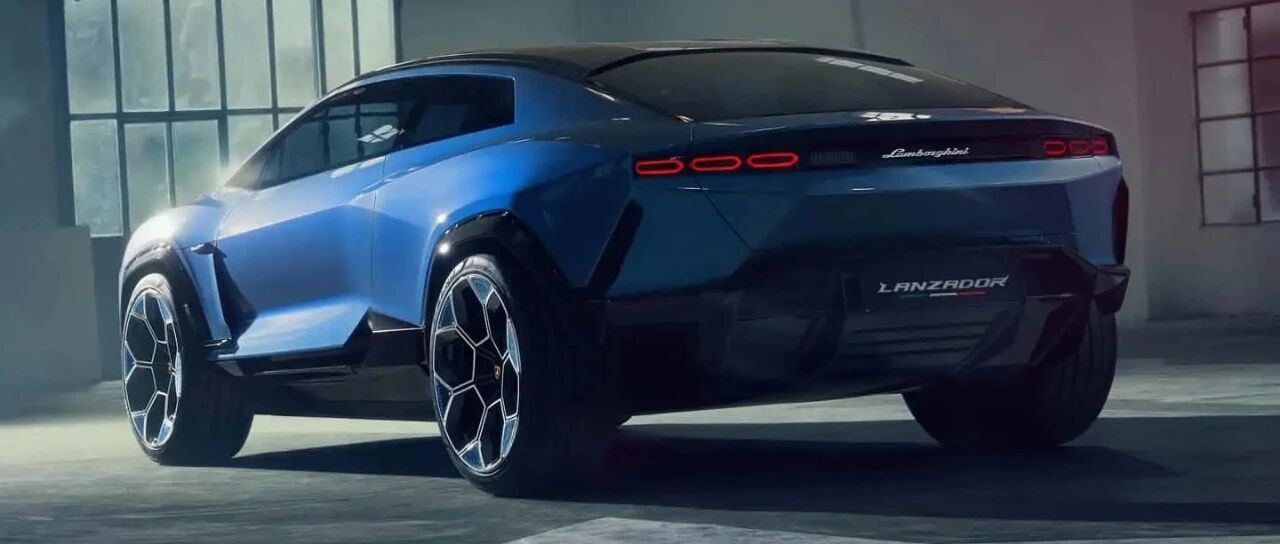
Zhong Guo Qi Che Bao Wang· 2026-02-12 03:14
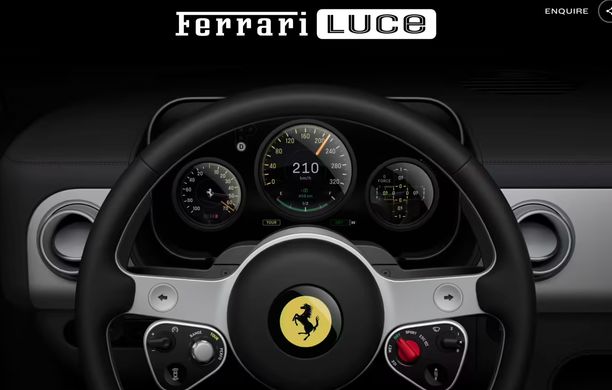
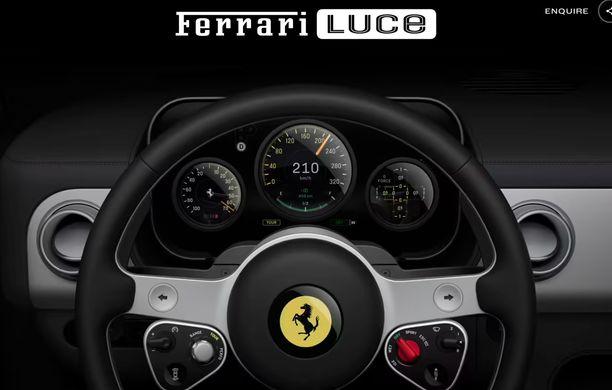
Core Insights - Ferrari has officially launched its first all-electric model, Luce, and plans to introduce five new models throughout 2026, marking a significant shift from its traditional brand positioning [2][3] Electric Vehicle Launch - The introduction of Luce connects Ferrari's past with its future, showcasing the brand's confidence in electric technology and setting the stage for future market strategies [3] - Ferrari's gradual transition reflects a deep understanding of its brand value and customer base, balancing innovation with the emotional ties built over years [3] Interior Design and User Experience - Luce's interior design avoids the trend of large screens, opting instead for physical buttons, knobs, and levers, enhancing driver interaction and enjoyment [4][10] - The steering wheel is made from 100% recycled aluminum, reducing weight by approximately 400 grams and emphasizing Ferrari's commitment to environmental responsibility [5] Technological Innovations - Luce features a key made from Corning Fusion5 glass with an electronic ink screen, creating a unique startup experience that combines technology and aesthetics [6] - The vehicle's sound design amplifies the electric drive system's vibrations rather than mimicking internal combustion engine noise, maintaining Ferrari's signature driving excitement [6] Driving Experience - Luce adopts a linear power output for easier handling in daily driving, while also providing comfort features such as advanced seating and noise insulation [7] - The vehicle's intelligent driving assistance system alleviates driving stress in urban settings, enhancing the overall travel experience [7] Industry Trends and Strategies - The automotive industry is witnessing a shift towards diverse technology routes, with plug-in hybrid electric vehicles (PHEVs) emerging as a transitional solution amid the electric vehicle revolution [8] - Ferrari's strategy of simultaneously developing fuel, hybrid, and electric models aligns with the industry's trend of recognizing that electric is the future, but a multi-faceted approach is necessary during the transition [8] Brand Identity and Market Positioning - Traditional luxury brands face challenges in maintaining their core values while transitioning to electric vehicles, with Ferrari and Porsche exemplifying a refusal to conform to homogenization [9][10] - Ferrari's design of Luce reflects its classic sports car identity while integrating electric innovation, emphasizing the importance of brand recognition in the electric era [10] Lessons for Traditional Brands - Ferrari's customer-centric approach offers valuable insights for traditional automakers navigating the electric transition, contrasting with companies that aggressively push electric sales without considering customer needs [11] - Mastery of core technologies is crucial for market competitiveness, highlighting the need for traditional automakers to invest in R&D for sustainable development [11]
新款纯电跑车内饰曝光,用什么来体现这还是一辆“法拉利”?
Guan Cha Zhe Wang· 2026-02-10 06:10
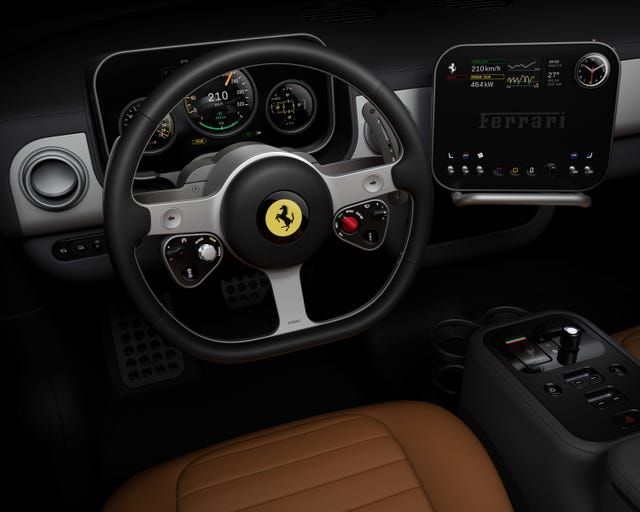
Core Viewpoint - Ferrari has officially announced its first all-electric sports car named "Luce," marking a significant milestone in its electrification strategy [1] Group 1: Vehicle Design and Features - The interior of Luce features extensive leather upholstery and a new style steering wheel, dashboard, and control panel, emphasizing luxury and digital technology [3] - The design collaboration for Luce was done with the creative team LoveFrom, founded by renowned designer Jony Ive, known for his work on Apple products [3] - Luce retains many physical controls, with Ive stating that touch controls will "never" be fully used in cars to avoid distraction from the road [3] Group 2: Technological Innovations - The central console includes a 10-inch touchscreen similar to an iPad, with a movable armrest that can also serve as a palm rest, and physical buttons for climate and media control [5] - The clock at the top of the screen features a physical dial with digital display capabilities, which can switch to a compass or lap timer, taking significant development time [5] - The dashboard consists of independent OLED screens, with customizable displays based on the selected powertrain [7] Group 3: Unique Features and Future Plans - The vehicle's start control system is located above the driver's head, inspired by helicopter operations, requiring a downward pull to activate [9] - The full exterior design of Luce remains confidential, with plans for an official reveal in May [9] - Ferrari aims to maintain its brand's driving experience by using a custom sound system that amplifies the electric drive system's vibrations instead of simulating traditional engine noise [9][11] Group 4: Market Implications - The gradual release of information about Luce indicates Ferrari's attempt to balance brand identity with the push for electrification, with future releases and market reactions being key points of interest [11]
法拉利首款电动超跑定名“Luce” 苹果前设计掌门参与设计
Huan Qiu Wang Zi Xun· 2026-02-10 03:46
Core Viewpoint - Ferrari has officially launched its first all-electric supercar named "Luce," which is inspired by light and represents a new design philosophy [1][3]. Group 1: Product Features - The interior and human-machine interaction design of "Luce" breaks the traditional notion that electric vehicles must rely on large touchscreen displays, opting instead for intuitive mechanical buttons, knobs, switches, and levers [3]. - The design of "Luce" is led by former Apple Chief Design Officer Jony Ive and industrial design master Marc Newson, who collaborated with Ferrari's design team through their creative studio LoveFrom [3]. - The goal of the design team is to seamlessly integrate Ferrari's performance DNA with a digital experience, fostering a more intuitive emotional connection between the driver and the vehicle [3]. Group 2: Release and Pricing - Ferrari has confirmed that "Luce" will be released in 2025 as one of six new models for that year, although the exterior reveal has been postponed to May of this year [3]. - The starting price of the electric supercar is set to exceed €500,000 (approximately $535,000) [3].