
小儿牛黄退热贴膏

Search documents
中药产业迎政策利好 产业链协同创新加速
Zheng Quan Ri Bao Wang· 2026-02-07 01:57
Group 1 - The core viewpoint of the news is the release of the "Implementation Plan for the High-Quality Development of Traditional Chinese Medicine Industry (2026-2030)" by eight departments, which aims to establish a collaborative development system for the entire industry chain by 2030, enhancing supply capabilities and technological breakthroughs [1] - The plan emphasizes the importance of digital transformation and green transition in the traditional Chinese medicine industry, with leading companies accelerating the construction of smart factories and upgrading production processes [1] - Guangzhou Pharmaceutical Group's Baiyunshan Zhongyi Pharmaceutical was recognized as the only traditional Chinese medicine manufacturer in the "2025 Advanced Intelligent Factory List" due to its systematic breakthroughs in digital transformation [1] Group 2 - The research and development vitality of traditional Chinese medicine companies is being released, with several innovative Class 1 traditional Chinese medicine products expected to be approved for market launch in 2025, including Jiangsu Kangyuan Pharmaceutical's and Jianmin Pharmaceutical's products [2] - Hunan Fangsheng Pharmaceutical has stated that the implementation plan will significantly promote the development of innovative traditional Chinese medicine, and the company plans to increase investment in this area to strengthen its core competitiveness [2] - Local governments are also leveraging industrial funds to attract social capital, with Yunnan Province establishing a 10 billion yuan traditional Chinese medicine industry development fund to enhance the industry ecosystem [2] Group 3 - Since 2025, the traditional Chinese medicine sector has faced performance pressure due to weak sales in pharmacy and hospital channels, leading to a divergence in the performance of listed companies [3] - The OTC (over-the-counter) sector's leading companies have shown resilience, and the industry is undergoing a painful transition in its development model, with a focus on diversified channels and high clinical value being crucial for future success [3] - The implementation plan supports the cultivation of leading enterprises and encourages the establishment of industrial funds, aiming for a healthy ecosystem that integrates large, medium, and small enterprises [3]


武汉创新药加速落地 “稻米造血”新药将进入省内八成医疗机构
Chang Jiang Ri Bao· 2026-01-18 00:46
Core Insights - The "dual directory" policy and collaborative platform have enabled rapid access for innovative drugs in Wuhan to provincial medical institutions, enhancing patient access to new medications [1][2] Group 1: Event Overview - The event held on January 16 facilitated connections between local pharmaceutical companies and major hospitals, resulting in nearly 20 preliminary cooperation intentions [1] - Seven local key pharmaceutical companies, including He Yuan Bio and Jianmin Pharmaceutical, showcased 13 core products during the event [1] Group 2: Market Impact - The success rate of supply-demand matching for innovative drugs in Wuhan increased by 75% compared to individual promotions by companies [1] - The market share for He Yuan Bio and Jianmin Pharmaceutical is expected to double, driving upstream R&D expansion and midstream enterprise aggregation [1] Group 3: Financial Projections - The collaboration is projected to generate an additional industry chain output value of over 1 billion yuan annually, accelerating the formation of a positive cycle from R&D to clinical application [1] Group 4: Policy Changes - Starting January 1, 2026, Wuhan will implement the national medical insurance drug directory and the first version of the commercial insurance innovative drug directory, increasing the total number of medical insurance drugs to 3,253, with 114 new additions [2] - Among the new medical insurance drugs, 50 are classified as innovative drugs, covering 23 critical clinical areas [2] Group 5: Patient Cost Reduction - The financial burden on patients will significantly decrease, with costs for triple-negative breast cancer patients dropping from 728,000 yuan to 23,000 yuan, a reduction of 96.8% [4] - For non-small cell lung cancer patients, the annual burden will decrease by 56,000 to 83,000 yuan, averaging a reduction of 71% [4] - CAR-T cell therapy costs will be reduced from 1.2 million yuan to a minimum of 186,000 yuan due to a combination of price cuts and insurance reimbursements [4]

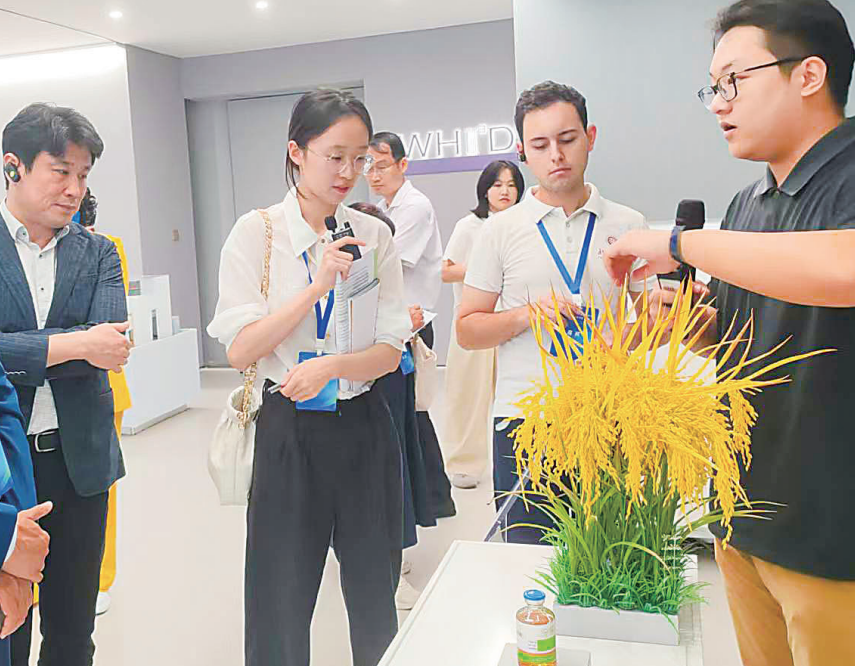
湖北一年新增4个一类创新药 药品原始创新获历史最佳成绩
Chang Jiang Shang Bao· 2026-01-13 23:52
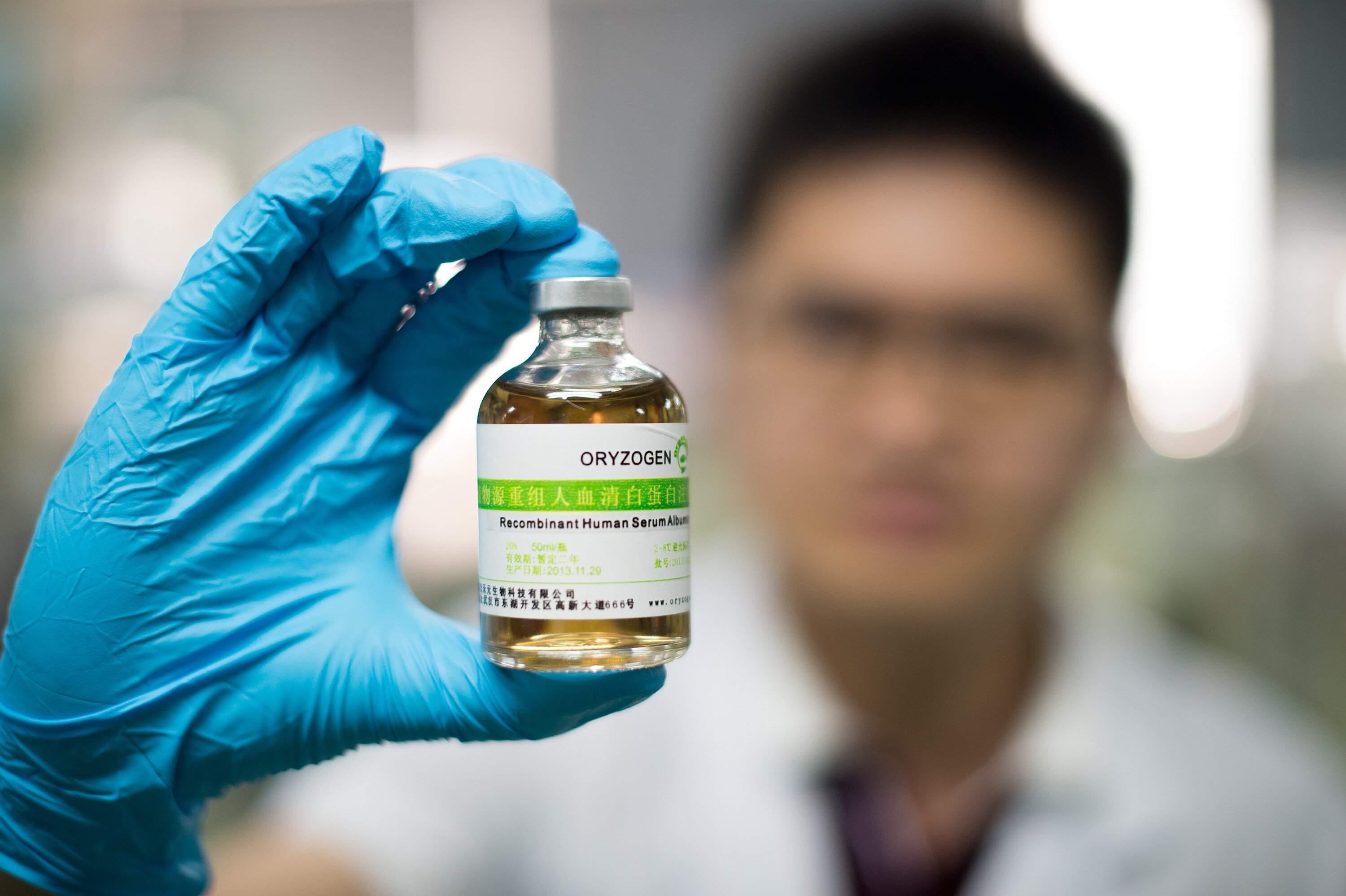
Core Insights - In 2025, Hubei province achieved a record high with 4 new Class I innovative drugs and 3 Class III innovative medical devices approved for market, with Wuhan contributing 3 of the Class I drugs [1][2] Group 1: Innovative Drug Developments - Hubei's new Class I innovative drugs include two significant products from local companies: He Yuan Bio (688765.SH) and Jianmin Pharmaceutical (600976.SH) [1][2] - He Yuan Bio's recombinant human albumin injection (rice-based) is the first approved recombinant human serum albumin product in China, addressing the issue of reliance on imported albumin [2][5] - Jianmin Pharmaceutical's pediatric heat-reducing patch is the only approved traditional Chinese medicine gel patch for children in the last 20 years, filling a market gap for pediatric external treatments [3] Group 2: Policy Support and Industry Ecosystem - Hubei's innovative achievements are supported by a robust industrial ecosystem, with over 3,000 biopharmaceutical companies in the Optics Valley Biotech City, creating a comprehensive industry chain from R&D to production [4] - The Hubei provincial government aims to double the biopharmaceutical industry's revenue to 250 billion yuan by 2027, with specific targets for companies exceeding 500 million yuan, 100 million yuan, and 50 million yuan in revenue [4] - The provincial drug regulatory authority has implemented measures to enhance the approval process for innovative products, significantly boosting the vitality of the pharmaceutical industry [4][5]

“无人区”变成“新高地”——解码武汉创新药爆发背后的三重支撑
Chang Jiang Ri Bao· 2026-01-13 01:06
Core Insights - In 2025, Wuhan achieved a historic breakthrough in innovative pharmaceuticals with three Class I innovative drugs receiving "National Drug Approval" [1][17] - This achievement reflects a two-decade commitment to innovation, showcasing a deep integration of government, industry, academia, research, and medical sectors [1][5] Group 1: Innovation Journey - The journey of innovation is marked by perseverance, as exemplified by Yang Daichang, who led a team for 20 years to develop the world's first plant-derived recombinant human serum albumin [2][5] - The extraction efficiency of human serum albumin from rice improved from 2.75 grams per kilogram to 30 grams, with purity increasing from 99.9% to 99.9999% over 20 years [2][5] - The development of the "Children's Bovine Gallstone Heat-Reducing Patch" by Jianmin Pharmaceutical Group took 20 years, emphasizing the modernization of traditional Chinese medicine [5][6] Group 2: Ecosystem and Support - Wuhan is building a robust ecosystem for life and health industry innovation, supported by top medical education resources from institutions like Huazhong University of Science and Technology and Wuhan University [6][9] - The region hosts 32 tertiary hospitals and over 7,000 health institutions, facilitating a deep integration of clinical needs, technological research, and industrial innovation [7][9] - The "Optics Valley Biocity" has attracted over 4,200 enterprises, focusing on strengthening the biopharmaceutical and high-end medical equipment industry clusters [9][12] Group 3: Government and Regulatory Support - The local government has played a crucial role in supporting innovative companies, providing financial assistance and facilitating connections for funding [12] - The Hubei Provincial Drug Administration has implemented reforms to expedite the approval process for innovative drugs, significantly reducing the time to market [14][16] - A modernized regulatory framework, including the establishment of a smart drug supervision platform, enhances the stability and predictability of the industry [16]
一年内3个一类创新药获批上市 武汉药品原始创新与研发居全国前列
Chang Jiang Ri Bao· 2026-01-13 01:00
Group 1 - The National Medical Products Administration announced the approval of three Class I innovative drugs from Wuhan, marking the city's best historical performance in original drug innovation and research [1] - The approved drugs are classified as "global firsts" or "fill market gaps," highlighting their significance in the pharmaceutical industry [2] - The first drug, "Recombinant Human Albumin Injection (Rice)," developed by Wuhan Heyuan Biotechnology Co., utilizes genetic engineering to produce human-like albumin from rice, effectively turning rice into a "blood bank" [2] Group 2 - The second drug, "Children's Cow Bile Heat-Reducing Patch," developed by Jianmin Pharmaceutical Group, is the only approved traditional Chinese medicine gel patch for children in the last 20 years, filling a clinical gap in pediatric fever treatment [2] - The third drug, "Oral Hexavalent Recombined Rotavirus Live Attenuated Vaccine," developed by Wuhan Institute of Biological Products, is the world's first hexavalent rotavirus vaccine, capable of preventing six types of rotavirus-induced diarrhea, breaking the long-standing monopoly of foreign companies [2]
健民集团(600976):25H1工业收入快速增长,儿药新药放量可期
Hua Yuan Zheng Quan· 2025-08-20 14:37
Investment Rating - The investment rating for the company is "Buy" (maintained) [5] Core Views - The company is expected to experience rapid growth in industrial revenue in the first half of 2025, with new pediatric drugs anticipated to gain market traction [5] - The company's revenue for the first half of 2025 was 1.805 billion yuan, a year-on-year decrease of 10.20%, while the net profit attributable to the parent company was 221 million yuan, down 7.83% [7] - The pharmaceutical industrial segment showed strong performance with a revenue increase of 23.07%, while the pharmaceutical commercial segment saw a decline of 37.82% due to restructuring efforts [7] - The company is focusing on a dual-brand strategy with "Longmu" for pediatric drugs and "Jianmin" for chronic disease and family medicine, which is expected to drive growth in the OTC product line [7] - The company is accelerating the commercialization of innovative traditional Chinese medicine, with significant new product launches and increased R&D investment [7] Summary by Sections Financial Performance - For 2023, the projected revenue is 4.213 billion yuan, with a year-on-year growth rate of 15.72%. However, a decline is expected in 2024 and 2025, with revenues of 3.505 billion yuan and 3.205 billion yuan respectively [6] - The net profit attributable to the parent company is forecasted to be 521 million yuan in 2023, with a significant drop in 2024 to 362 million yuan, followed by a recovery to 448 million yuan in 2025 [6] - The earnings per share (EPS) is expected to be 3.40 yuan in 2023, decreasing to 2.36 yuan in 2024, and then recovering to 2.92 yuan in 2025 [6] Business Strategy - The company is implementing a brand strategy that focuses on enhancing the market share and influence of its pediatric drug line and OTC products [7] - The innovative traditional Chinese medicine products are expected to gain traction, with new approvals and increased market coverage [7] Future Outlook - The company anticipates net profits of 448 million yuan in 2025, 514 million yuan in 2026, and 586 million yuan in 2027, with respective growth rates of 24%, 15%, and 14% [7] - The current stock price corresponds to a price-to-earnings (P/E) ratio of 14X for 2025, indicating a favorable valuation for potential investors [7]
健民集团分析师会议-20250801
Dong Jian Yan Bao· 2025-08-01 01:16
Group 1: Report Overview - The report is about a research on Jianmin Group in the traditional Chinese medicine industry, with a research date of July 1, 2025 [1][2] Group 2: Research Basic Information - The research object is Jianmin Group, belonging to the traditional Chinese medicine industry, and the reception time was on July 1, 2025. The company's reception personnel included the company's director and president Wang Jun, board secretary Zhou Jie, securities affairs representative Cao Hong, and securities affairs assistant Wang Miao [17] Group 3: Detailed Research Institutions - The research institution is Liuhe Investment, a fund management company [20] Group 4: Main Content Product Sales - In 2025, the company optimized its marketing assessment system, advancing from "net sales assessment" to "net sales + profit". It overcame factors like consumption decline and reduced pharmacy foot - traffic in Q1 and achieved growth in pharmaceutical industry sales revenue. Longmu Zhuanggu Granules saw increased sales revenue and improved sales structure, while Biantong Capsules and Jianpi Shengxue Granules maintained good momentum. Hospital - line product sales were stable, and new product sales grew [22] Emerging Business - The company's traditional Chinese medicine diagnosis and treatment and big - health business are emerging. The traditional Chinese medicine diagnosis and treatment business developed healthily, with one new clinic opened in H1 and a total of four clinics in operation in Hanyang, Hankou, Wuchang, and Optics Valley. The big - health business focused on children's healthy growth, increasing core variety cultivation and differentiated product development [23] Innovative Traditional Chinese Medicine Sales - Since 2021, the company has successively obtained approvals for three innovative drugs. In 2025, it accelerated the commercialization of new products like Xiao'er Zibei Xuanfei Syrup and Qirui Weishu Capsules, with smooth market development. Xiao'er Niuhuang Tuire Plaster was newly approved, and its listing preparations are on schedule and will participate in this year's medical insurance negotiation. The company also increased R & D investment, advanced new drug projects, and optimized its product pipeline [24][25] Future Development Plan - The company will continue to focus on the core business of traditional Chinese patent medicine manufacturing, accelerate the incubation of emerging businesses, and achieve the "1 + N" strategic goal. Specific strategic measures are detailed in the company's "2024 Annual Report" and "June 2025 Investor Relations Activity Record" [26] Advertising and Marketing - As an OTC brand pharmaceutical company, it will strengthen brand power, create "Longmu" children's medicine brand and "Jianmin" chronic disease/family - essential medicine brand. It uses multiple advertising channels such as long - form videos, short - form videos, variety shows, CCTV, and elevator media, with advertising volume similar to last year [27] Marketing System Reform - In 2024, the company carried out a comprehensive marketing system reform. In 2025, it added profit contribution assessment on the basis of net sales assessment. It optimized the organizational structure, promoted digital construction, and reduced terminal inventory. As of the end of 2024, the channel inventory of Longmu Zhuanggu Granules on the OTC line and major products on the prescription line had basically returned to a reasonable level [28] Impact of Chinese Herbal Medicine Price - The overall decline in Chinese herbal medicine prices is beneficial for the company's cost reduction and profit improvement. The company's manufacturing center uses multiple procurement models and strengthens cooperation with upstream suppliers to ensure stable raw material supply [29][30]
年诊疗量超16亿人次!中医药法护航“中华瑰宝”
Xin Hua She· 2025-07-01 13:56
Core Viewpoint - The implementation of the Traditional Chinese Medicine (TCM) Law has significantly advanced the development of TCM in China, with over 1.6 billion TCM treatments recorded in 2024, reflecting its growing importance in the healthcare system [1][3][7] Group 1: Policy and Legal Framework - The TCM Law, enacted on July 1, 2017, serves as a comprehensive legal foundation for the reform and development of TCM, guiding a series of supporting regulations and policies [1][2] - The Chinese government has issued multiple policies to enhance TCM quality and promote its high-quality development, integrating TCM into the broader Healthy China initiative [1][2] Group 2: Achievements in TCM Development - TCM hospitals and clinics have achieved full coverage in cities and communities, with the number of licensed TCM practitioners reaching 971,000 [2] - The quality of TCM products has improved, with the overall pass rate for TCM decoction pieces reaching approximately 97% and the pass rate for proprietary Chinese medicines maintaining above 99% [2] Group 3: Accessibility and Service Expansion - TCM services have become more accessible, with community health centers in Wuhan fully equipped with TCM facilities, leading to a significant increase in TCM treatment volumes [3] - The total number of TCM treatments in 2024 exceeded 1.6 billion, showing a marked increase compared to 2023 [3] Group 4: Innovation and Product Development - Since the reform of the TCM approval system in 2021, 53 new TCM products have been approved, including 25 classic formulations, indicating a boost in innovation [4] - The number of pediatric TCM products has also increased, providing new options for children's medication [4] Group 5: Cultural Integration and Global Outreach - TCM culture is gaining popularity, with traditional health concepts and products becoming widely accepted and integrated into modern lifestyles [5] - Efforts are being made to promote TCM internationally, including collaborations with the World Health Organization and the establishment of international standards for TCM practices [6]
发挥中医药原创优势 我国中药新药上市步伐加快
Xin Hua She· 2025-05-28 03:09
Core Viewpoint - The approval of innovative traditional Chinese medicine (TCM) products, such as the pediatric fever-reducing patch, reflects the accelerated modernization and industrialization of TCM, driven by policy guidance, scientific breakthroughs, and clinical demand [1][2]. Group 1: Recent Developments in TCM - Since 2021, 52 new TCM products have been approved, with a notable increase in the number of innovative drugs, indicating a rapid pace of TCM new drug approvals [1][3]. - The approval of TCM new drugs is supported by the "14th Five-Year Plan for TCM Development," which emphasizes the development of new drugs based on ancient classic formulas and effective components [1][3]. Group 2: Research and Development Trends - A significant characteristic of recent TCM drug approvals is the focus on ancient classic formulas, with 23 out of the 52 new drugs being based on these traditional formulations [3]. - The integration of big data, artificial intelligence, and genomics into TCM research has enhanced precision and efficiency, while collaboration among experts from various fields has provided comprehensive solutions for TCM development [3]. Group 3: Market Demand and Future Outlook - Growing public interest in health and traditional culture has led to increased market demand for TCM, prompting higher investment and research enthusiasm from companies in this sector [2]. - The acceleration of TCM new drug approvals is reshaping treatment models and providing multiple benefits to patients, particularly in challenging diseases like cancer [4]. - The government aims to enhance TCM quality and promote high-quality development in the industry by focusing on significant chronic diseases and optimizing the approval process for innovative TCM drugs [4].