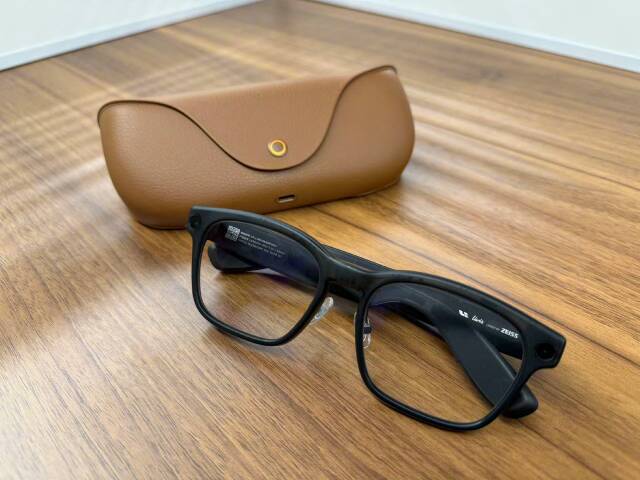
小度眼镜

Search documents
外卖大战刚打完,大厂新一轮「烧钱抢市场」又来了
3 6 Ke· 2025-12-09 12:15
Core Viewpoint - The competition in the AI glasses market is intensifying as major companies like Baidu, Alibaba, and Li Auto launch their products, with Li Auto's Livis glasses selling out quickly after release [1][3]. Group 1: Market Dynamics - Li Auto's AI glasses Livis were launched without pre-sale, directly shipping at a competitive price of 1699 yuan, leading to rapid sell-out within two hours [1]. - Other major players, including Google, Vivo, and Xiaomi, are also exploring AI glasses, with Google reportedly in the POC stage for two products [3][4]. - The entry of various companies into the AI glasses market indicates a significant shift, with many viewing it as a strategic necessity for data collection and user interaction [4][18]. Group 2: Strategic Importance - AI glasses are seen as a critical extension of existing hardware experiences for consumer electronics companies, while for internet giants, they represent a necessary entry point for data collection and model enhancement [4][17]. - Companies like Alibaba and Baidu are aggressively pursuing AI glasses as a strategic product, with Baidu defining it as an S-level strategic initiative [20][22]. - The competition is not just about hardware but also about the underlying data that can be collected through these devices, which is crucial for future AI developments [12][17]. Group 3: Industry Trends - The hardware barrier for entering the AI glasses market has lowered significantly, allowing a wide range of players to participate [25][29]. - The supply chain for AI glasses is rapidly evolving, with companies like Qualcomm and Foxconn involved in production, leading to shorter project cycles and controlled hardware costs [28][29]. - The market is characterized by a "comprehensive competition," where the ability to deliver high-quality products without flaws is essential for success [30].

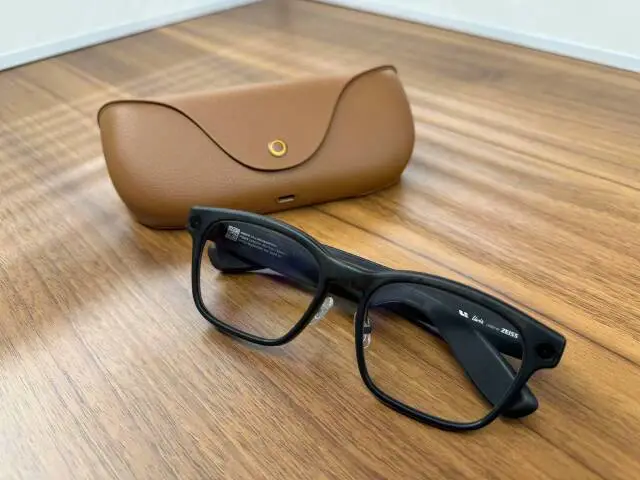
不只理想夸克,我们还有7家大厂AI眼镜的最新消息|智能涌现独家
3 6 Ke· 2025-12-04 09:11
Core Insights - The AI glasses market is heating up with major players like Baidu, Alibaba, and Li Auto launching their products, with Li Auto's Livis glasses selling out within two hours of release at a price of 1699 yuan [1][3] - Various tech giants are entering the AI glasses space, including Google, which is in the POC stage for two products, and ByteDance, which has multiple projects underway [3][5] - The competition is not just about hardware but also about data collection and user interaction, positioning AI glasses as a critical entry point for future AI applications [11][12] Group 1: Major Players and Market Dynamics - Li Auto's AI glasses Livis were released without pre-sale, directly shipping to consumers, indicating a strong market demand [1] - Google is collaborating with Qualcomm, Samsung, and Foxconn for its AI glasses, aiming for a 2026 Q4 release [3] - ByteDance is pursuing multiple AI glasses projects, with one expected to launch in Q1 2024 and another in Q4 2024, focusing on optical display and spatial computing [5] Group 2: Strategic Importance of AI Glasses - For consumer electronics companies, AI glasses represent an extension of existing hardware experiences and a strategic defense move [6] - Internet companies view AI glasses as a necessary entry point to enhance their data capabilities and user engagement [7] - The competition among various players is intensifying as they all aim to capture the emerging AI glasses market [8] Group 3: Investment and Development Trends - Companies like Alibaba and Baidu are aggressively investing in AI glasses, with Baidu defining it as an S-level strategic product [15] - In contrast, traditional consumer electronics firms are more cautious, viewing AI glasses as a means to explore new growth avenues while protecting their existing hardware domains [17] - The lowering of hardware barriers has led to a surge in supply chain involvement, with companies like GoerTek and Luxshare Precision betting on AI glasses [20] Group 4: Challenges and Competition - The AI glasses market is characterized by a "comprehensive competition" where any flaw in product development can lead to significant setbacks [23] - Previous product failures, such as Xiaomi's high return rate for its first-generation AI glasses, highlight the challenges in this competitive landscape [24] - The industry's future will depend on how well companies can balance resource allocation and strategic patience in the face of intense competition [24]