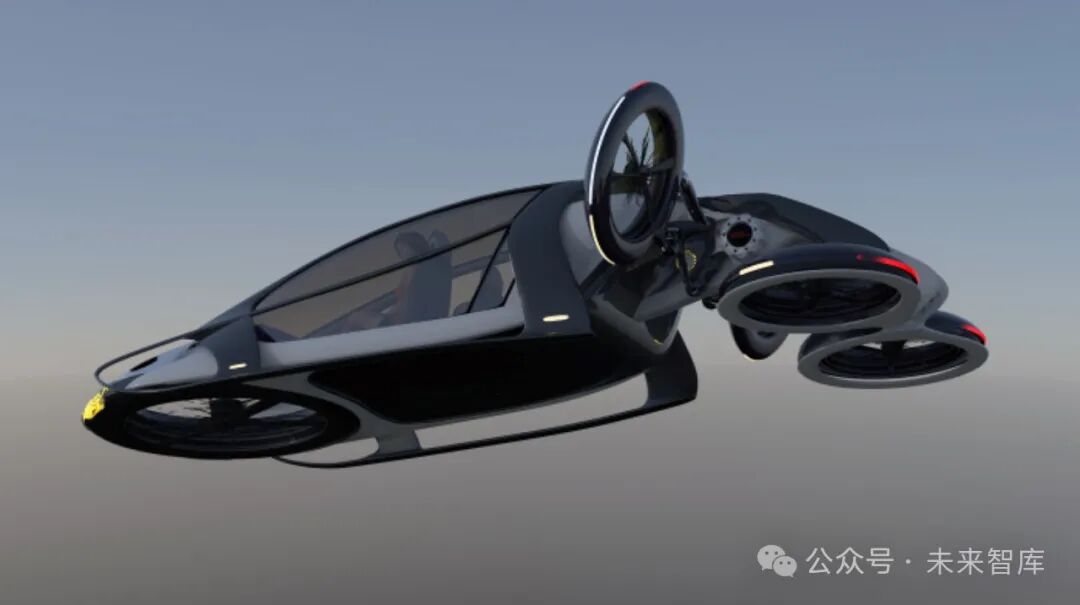
小鹏汇天陆地航母飞行汽车

Search documents
飞行汽车产业发展全景解析:应用、技术与支撑保障
Xin Lang Cai Jing· 2026-02-24 11:05
Industry Application - The application scenarios of flying cars are characterized by the parallel advancement of professional and popular applications, which together strengthen the industry's essential foundation and expand market space [1][25] - Professional applications focus on public safety and industry efficiency, gradually expanding from essential scenarios to value-added industry applications, with pilot implementations in emergency rescue, firefighting, power inspection, and medical transport [1][25] - Popular applications aim to optimize travel experiences and supplement transportation systems, integrating into urban transportation networks, with cities like Shenzhen and Guangzhou planning to launch commuting routes by 2026 [3][27] Industry Development - The flying car industry is transitioning from research and validation to engineering, with a need for a comprehensive commercial system [4][28] - The industry chain now covers materials, key components, complete manufacturing, and demonstration operations, with a complete R&D-approval-manufacturing-operation loop being accelerated [4][28] - Leading companies such as XPeng Heavens, Volocopter, and Joby Aviation are driving the industry structure towards improvement, with significant capital market interest reflected in the rising market values of several companies [5][29] Technical Challenges - Flying cars face three major technical challenges: payload range, airworthiness safety, and intelligent driving, which must be overcome for practical and widespread development [10][35] - The payload range is limited by the performance of power systems, with current lithium-ion batteries having energy densities significantly lower than traditional aviation fuels, impacting the effective range and payload capacity [10][35] - Airworthiness safety is a core constraint for commercial viability, requiring flying cars to meet high reliability and redundancy standards, with ongoing efforts to achieve airworthiness certification [11][36] Infrastructure Development - The development of flying car infrastructure is constrained by land, funding, and regulatory challenges, necessitating government guidance and industry collaboration to address these systemic issues [18][20] - Initial infrastructure development should focus on repurposing existing resources, such as airports and parking lots, to quickly alleviate shortages [20][21] - Future infrastructure will evolve into a "three-dimensional smart network" that integrates with urban development and ground transportation, supporting the regular operation of flying cars [22][23]




新春走基层|广东民俗蝶变经济引擎 政策框架下的产业升级路径
Zhong Guo Jing Ying Bao· 2026-02-23 05:01
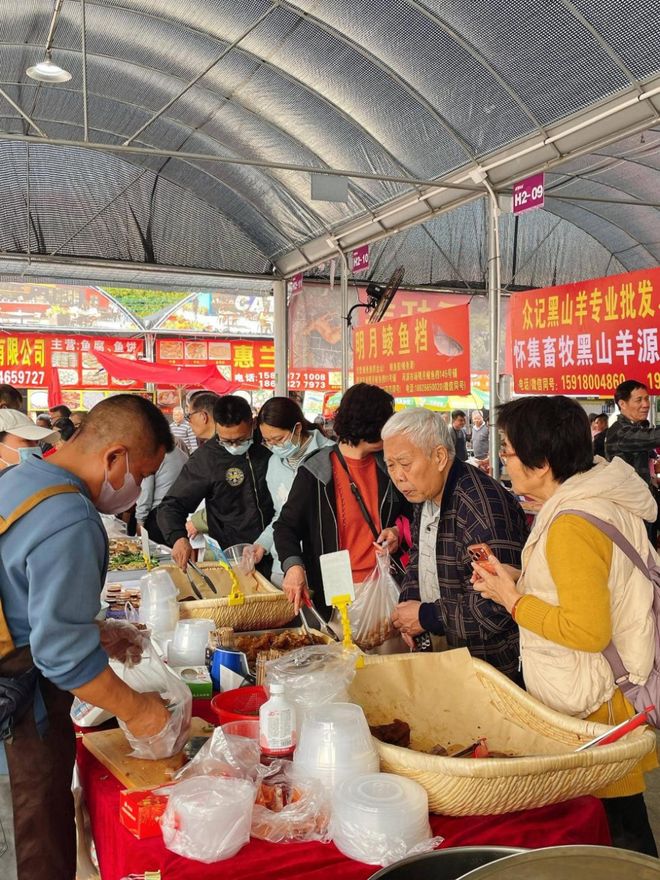
Core Insights - The article highlights the integration of traditional cultural activities in Guangdong into a broader framework of urban-rural coordinated development, showcasing how local policies and industrial upgrades are reshaping holiday consumption and rural landscapes [1][2][4] Group 1: Transformation of Traditional Activities - In Shunde District's Dadun Village, the bustling market during the Spring Festival is not just a festive event but a manifestation of the "Hundred Counties, Thousand Towns, and Ten Thousand Villages High-Quality Development Project" [2][4] - The market has transformed from an idle space into a popular destination, attracting over a thousand visitors daily, blending traditional customs with modern economic activities [1][4] - The Guangzhou Tianhe Spring Flower Market has incorporated innovative elements like flying cars, expanding the traditional scope of the event and reflecting a fusion of technology and cultural practices [1][6] Group 2: Economic and Cultural Upgrades - The Dadun Village has seen significant improvements in its living environment, including the renovation of over 40 small parks and the establishment of a 30-kilometer rainwater and sewage separation network, leading to a cleaner and more organized village appearance [5][10] - The village's economic vitality has surged, with the creation of over a hundred local entrepreneurial jobs and a fivefold increase in daily sales at the farmer's market, showcasing the direct impact of these transformations [5][11] - The integration of cultural and tourism elements has attracted over 250,000 visitors to the Dadun Market since its establishment, generating 2 million yuan in tourism revenue for local residents [6][11] Group 3: Policy and Market Dynamics - The transformation in Dadun Village is driven by a multi-dimensional structural approach, emphasizing environmental improvement, industrial strength, cultural identity, and spatial development [10][13] - The local government has implemented mechanisms to enhance community participation in environmental management, significantly improving the village's living conditions [10][12] - The introduction of flying cars at the Guangzhou flower market represents a strategic response to market demands, illustrating the evolving landscape of traditional events under the influence of policy and market dynamics [11][12]
今日新闻丨特斯拉宣布每年推出一代自研AI芯片!小鹏飞行汽车“陆行体”量产试制车下线!
电动车公社· 2025-11-23 16:18
Group 1 - The core point of the article highlights the significant advancements in the electric vehicle industry, particularly focusing on the production milestones of flying cars by Xiaopeng and the AI chip developments by Tesla [2][3][6][10][18]. Group 2 - Xiaopeng's flying car, referred to as the "陆行体" (land carrier), has successfully completed its first production trial, marking a step towards mass production [3][5][8]. - The flying car model has already secured over 7,000 global orders and is expected to begin deliveries next year, although it faces challenges such as high costs and airspace restrictions [8]. Group 3 - Tesla has deployed millions of self-developed AI chips to support its autonomous driving and humanoid robot initiatives, with plans to release a new chip every year [10][12][18]. - The upcoming AI5 chip is projected to be 40 times more powerful than the current AI4 version, with mass production expected in 2027, while the AI6 chip is anticipated to be twice as powerful as AI5, set for 2028 [18][20]. - Tesla's collaboration with Samsung for chip production aims to fulfill significant orders, indicating the company's commitment to maintaining technological leadership through in-house development [20].