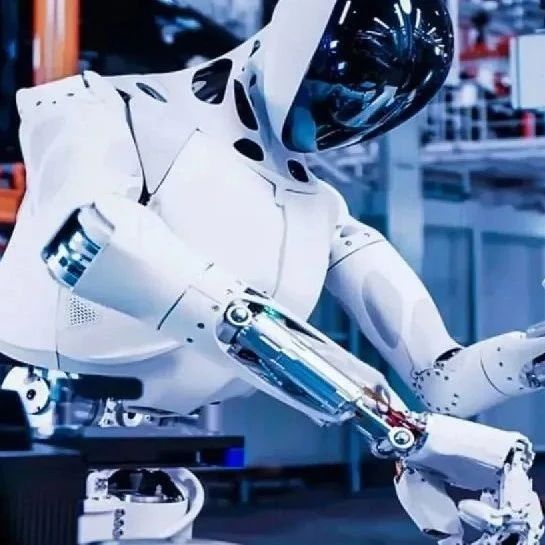
小鹏PX5人形机器人

Search documents
猫步太逼真被调侃“里面有真人”,小鹏IRON人形机器人线下首秀摔倒,被工作人员“抬走”,何小鹏回应
Mei Ri Jing Ji Xin Wen· 2026-02-01 09:50
Group 1 - The core event involved the first offline interaction of Xiaopeng's IRON humanoid robot, which took place at Shenzhen Bay Vanke Plaza, where the robot fell during its demonstration [1][2] - Xiaopeng's Vice President highlighted that the robot's fall was a part of the learning process, comparing it to children learning to walk, emphasizing resilience and progress [2][3] - The company has transitioned from early research on quadruped robots to more complex bipedal robot development, showcasing its first humanoid robot PX5 at the Technology Day on October 24, 2023 [6] Group 2 - The latest generation AI robot, Iron, was officially unveiled on November 6, 2025, featuring a human-like design with a height of 178 cm and weight of 70 kg, equipped with 62 degrees of freedom and a Turing AI chip with 3000T computing power [7] - Concerns were raised by netizens regarding the authenticity of the robot's movements, with some suggesting it appeared to be a human in disguise [7] - Xiaopeng's Chairman expressed the emotional weight of proving the robot's authenticity, noting that skepticism exists towards advanced technology from Chinese companies, and emphasized the mission to advance humanoid robots in the next three years [9]



「教父」谢幕,铁人登场
机器人大讲堂· 2025-05-29 15:20
Core Viewpoint - The article discusses the emergence and development of humanoid robots in the automotive industry, highlighting the strategic moves of companies like Xiaopeng Motors in this sector, particularly with their humanoid robot IRON and PX5 models, as well as the competitive landscape involving other major automotive players [1][4][30]. Group 1: Humanoid Robot Development - Xiaopeng Motors showcased its humanoid robot IRON at the Shanghai International Auto Show, marking its first public appearance outside a technical display [2][3]. - The humanoid robot market in China is projected to reach approximately 2.76 billion yuan by 2024, with expectations of growing into a "trillion yuan market" by 2030 [4]. - Major global automotive companies, including Tesla, BMW, and Toyota, are entering the humanoid robot space, with varying strategies such as partnerships and acquisitions [4]. Group 2: Xiaopeng's Strategic Moves - Xiaopeng Motors entered the humanoid robot sector by acquiring the quadruped robot company "Duogou Robotics" in December 2020, forming a joint venture called "Pengxing Intelligent" [4]. - The first quadruped robot "Xiaobailong" was launched in September 2021, designed for entertainment and companionship, showcasing Xiaopeng's initial foray into robotics [5]. - The humanoid robot PX5, introduced in 2023, stands 1.5 meters tall and weighs 55 kg, featuring advanced joint technology and a maximum arm load of 3 kg [8]. Group 3: Competitive Landscape - Other automotive companies are also investing in humanoid robots, with BYD acquiring a stake in Zhiyuan Robotics and launching multiple commercial humanoid robots within a year [10]. - Chery's subsidiary "Aimoga" launched the humanoid robot "Mornine" in March 2024, indicating a trend of automotive companies leveraging humanoid robots for auxiliary services [12]. - The competition in the humanoid robot market is intensifying, with companies like Tesla and Xiaomi outlining their production timelines and capacity plans for humanoid robots [30]. Group 4: Key Personnel and Leadership - Zhao Tongyang, known as the "father of Pengxing Intelligent," played a crucial role in the development of Xiaopeng's robotics initiatives, leading the design and technology strategy [13][25]. - The core team behind Pengxing Intelligent included key figures like Sun Zhaozhi and Da Xingye, who contributed significantly to product design and motion control algorithms [21][22]. - Following the acquisition of Pengxing Intelligent by Xiaopeng Motors, the team was restructured, with Zhao Tongyang leaving to establish "Zhongqing Robotics" [25]. Group 5: Future Prospects - Xiaopeng's humanoid robot IRON is expected to achieve small-scale deployment within the company by the end of 2024, with plans for mass production targeting industrial applications by 2026 [27][28]. - The integration of AI technologies and advanced control systems in humanoid robots is anticipated to enhance their operational capabilities and market viability [27].