小米CyberDog

Search documents
对话鹿明机器人:在具身智能的“数据荒”里,做一个送水人|AI Founder 请回答
Tai Mei Ti A P P· 2026-01-11 04:52
Core Insights - The industry is facing a significant challenge known as the "data drought," which is critical for the advancement of embodied intelligence models [2] - By 2026, the demand for training data for leading embodied models is expected to reach millions of hours, highlighting the urgent need for efficient data acquisition methods [2][5] - LUMOS aims to position itself as a "super data factory" rather than just a hardware manufacturer, focusing on defining data standards for the industry [2][3] Company Background - LUMOS was founded by a team with strong technical backgrounds, including experience in robotics and AI, with the founder having previously led projects at notable companies [3] - The company has successfully completed multiple rounds of financing, raising hundreds of millions, with investments from well-known institutions [3] Technological Advancements - The FastUMI Pro system developed by LUMOS has significantly improved data collection efficiency, reducing the time per data point from 50 seconds to 10 seconds and cutting costs by 80% [4][9] - The system employs an innovative eight-step industrial data quality assessment framework, increasing data effectiveness from the industry standard of 70% to over 95% [4][9] Strategic Goals - LUMOS has set an ambitious target to establish a data production capacity of 1 million hours by 2026, which is seen as a critical milestone for the emergence of intelligent systems in embodied intelligence [5][13] - The company aims to create a comprehensive ecosystem that integrates tools, platforms, and data to maximize the value of embodied intelligence applications [5][12] Market Positioning - LUMOS is not only focused on the domestic market but also aims to expand its presence globally, with a significant portion of its clientele being top teams in the embodied intelligence field [14] - The company emphasizes the importance of high-quality data and hardware infrastructure as foundational elements for the successful deployment of embodied intelligence solutions [7][12]


「教父」谢幕,铁人登场
机器人大讲堂· 2025-05-29 15:20
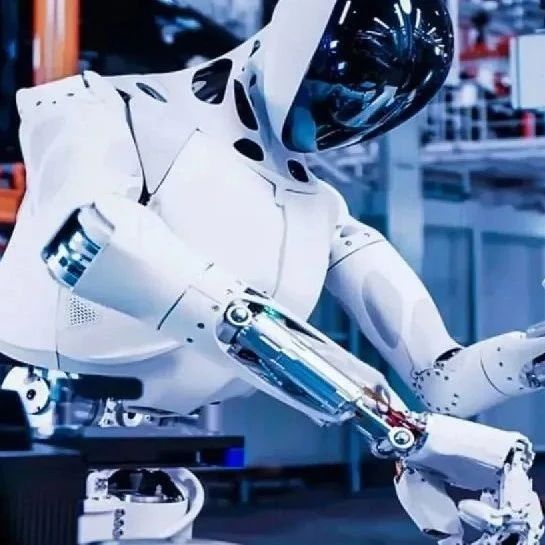
Core Viewpoint - The article discusses the emergence and development of humanoid robots in the automotive industry, highlighting the strategic moves of companies like Xiaopeng Motors in this sector, particularly with their humanoid robot IRON and PX5 models, as well as the competitive landscape involving other major automotive players [1][4][30]. Group 1: Humanoid Robot Development - Xiaopeng Motors showcased its humanoid robot IRON at the Shanghai International Auto Show, marking its first public appearance outside a technical display [2][3]. - The humanoid robot market in China is projected to reach approximately 2.76 billion yuan by 2024, with expectations of growing into a "trillion yuan market" by 2030 [4]. - Major global automotive companies, including Tesla, BMW, and Toyota, are entering the humanoid robot space, with varying strategies such as partnerships and acquisitions [4]. Group 2: Xiaopeng's Strategic Moves - Xiaopeng Motors entered the humanoid robot sector by acquiring the quadruped robot company "Duogou Robotics" in December 2020, forming a joint venture called "Pengxing Intelligent" [4]. - The first quadruped robot "Xiaobailong" was launched in September 2021, designed for entertainment and companionship, showcasing Xiaopeng's initial foray into robotics [5]. - The humanoid robot PX5, introduced in 2023, stands 1.5 meters tall and weighs 55 kg, featuring advanced joint technology and a maximum arm load of 3 kg [8]. Group 3: Competitive Landscape - Other automotive companies are also investing in humanoid robots, with BYD acquiring a stake in Zhiyuan Robotics and launching multiple commercial humanoid robots within a year [10]. - Chery's subsidiary "Aimoga" launched the humanoid robot "Mornine" in March 2024, indicating a trend of automotive companies leveraging humanoid robots for auxiliary services [12]. - The competition in the humanoid robot market is intensifying, with companies like Tesla and Xiaomi outlining their production timelines and capacity plans for humanoid robots [30]. Group 4: Key Personnel and Leadership - Zhao Tongyang, known as the "father of Pengxing Intelligent," played a crucial role in the development of Xiaopeng's robotics initiatives, leading the design and technology strategy [13][25]. - The core team behind Pengxing Intelligent included key figures like Sun Zhaozhi and Da Xingye, who contributed significantly to product design and motion control algorithms [21][22]. - Following the acquisition of Pengxing Intelligent by Xiaopeng Motors, the team was restructured, with Zhao Tongyang leaving to establish "Zhongqing Robotics" [25]. Group 5: Future Prospects - Xiaopeng's humanoid robot IRON is expected to achieve small-scale deployment within the company by the end of 2024, with plans for mass production targeting industrial applications by 2026 [27][28]. - The integration of AI technologies and advanced control systems in humanoid robots is anticipated to enhance their operational capabilities and market viability [27].