巨无霸套餐

Search documents
高价轻食卖不动 小份沙拉成品牌救命稻草
Xin Lang Cai Jing· 2026-01-09 11:29
Core Insights - The fast-casual dining sector, once rapidly expanding, is now facing significant challenges due to economic downturns, leading consumers to cut back on spending, including opting for cheaper meal options [1][2] Industry Performance - Sweetgreen Inc. reported a 9.5% decline in Q3 sales compared to the same period in 2024, exceeding Wall Street's expectations, resulting in a stock price drop and a market value decrease of over 77% by December 15, 2025 [2] - Chipotle Mexican Grill Inc. revised its 2025 sales forecast from flat to a low single-digit decline, with its stock price down 40% in 2025 [2] - Cava Group Inc. indicated stagnant customer traffic, projecting a sales increase of only 3% to 4% for existing restaurants, down from a previous estimate of 4% to 6% [2] Consumer Behavior - Budget-conscious consumers are increasingly preparing meals at home, finding it cheaper than purchasing ready-made salads from restaurants [3] - There is a noticeable shift of customers from fast-casual brands to traditional fast-food chains like Taco Bell and Chick-fil-A, which offer competitive pricing for similar meal options [4] Pricing Strategies - Fast-food chains like McDonald's and Burger King have successfully attracted budget-conscious consumers with discounted meal options, such as McDonald's $5 sausage egg muffin meal and $8 Big Mac meal [5] - In contrast, Chipotle and Cava are resistant to lowering prices, emphasizing their value proposition beyond just price [6][7] Market Trends - Consumer expectations are shifting, with price becoming the most important factor in dining choices for the first time in 2025, surpassing quality, service, and portion size [9] - Sweetgreen is exploring pricing adjustments and discount membership programs to attract customers, indicating a need for lower-priced seasonal offerings [9] Potential Solutions - Introducing smaller portion sizes for salads could reduce production costs while addressing consumer desires for appropriate meal sizes, although this approach carries reputational risks [10]
美国人吃不起麦当劳了?麦当劳CEO称将恢复“超值套餐”,最低只要5美元
Sou Hu Cai Jing· 2025-09-05 01:34
Group 1 - McDonald's CEO Chris announced the return of "value meals" in the U.S. on September 8, with prices starting at $5 for a sausage McMuffin with egg and $8 for a Big Mac meal, following a strategy that was popular during the 2008 financial crisis [1] - Recent months have seen a significant decline in sales among low-income customers, with a nearly double-digit drop compared to the previous quarter [1] - The economic pressure on low-income consumers is reflected in their dining habits, with many skipping breakfast, indicating growing financial strain as of 2025 [1] Group 2 - McDonald's will offer eight meal options during breakfast, lunch, and dinner, with prices 15% lower than purchasing items separately [2] - The CFO Ian Borden emphasized the need to appeal to all consumers, including low-income individuals [2] - Economic experts warn that rising prices could lead to cautious consumer behavior, potentially creating a vicious cycle of layoffs and reduced spending power [2]

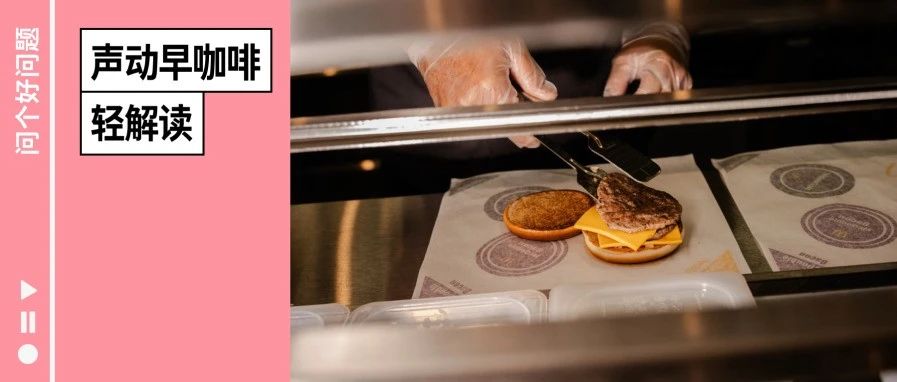
美国快餐品牌打响价格战,麦当劳凭何突围?| 声动早咖啡
声动活泼· 2025-08-25 09:03
Core Viewpoint - McDonald's is facing challenges in maintaining its affordability image as prices rise, leading to a shift in consumer perception and behavior, particularly among low-income families [2][3][9] Pricing Strategy - In response to rising prices, McDonald's has initiated a price war, launching a $5 limited-time offer meal to attract cost-conscious consumers [3][4] - The average price of McDonald's menu items has increased by 40% since 2019, although the company claims this increase is in line with inflation [3] - Franchisees have significant autonomy in pricing, leading to price variations across different locations [3] Consumer Behavior - Economic pressures have led to a decline in foot traffic and sales for major fast-food chains, with 80% of surveyed consumers considering fast food a luxury [2][4] - Many consumers are opting to cook at home due to rising restaurant prices, which are increasing faster than grocery prices [2][4] Product Innovation - McDonald's has shifted its focus from beef to chicken products, with chicken revenue now matching that of beef burgers, driven by consumer preference for more affordable options [5][6] - The introduction of new chicken products and limited-time offers has been a key strategy to attract consumers and generate buzz [5][6] Marketing Strategy - McDonald's employs extensive marketing campaigns to reinforce its value proposition, spending approximately $8.5 million on advertising for the $5 meal [7] - The company has successfully integrated nostalgia and emotional appeal into its marketing, targeting both children and adults with promotional items [8] Challenges Ahead - Despite some success in promotions, the number of low-income consumers visiting McDonald's has significantly declined, indicating ongoing economic anxiety [9] - The company faces the challenge of positioning itself effectively across different income segments, as middle-income consumers may prefer more upscale dining options [9]