干黑绿豆

Search documents
与时俱进、不断发展 中国-东盟自贸区惠及20多亿人口
Yang Shi Xin Wen Ke Hu Duan· 2026-01-11 15:44
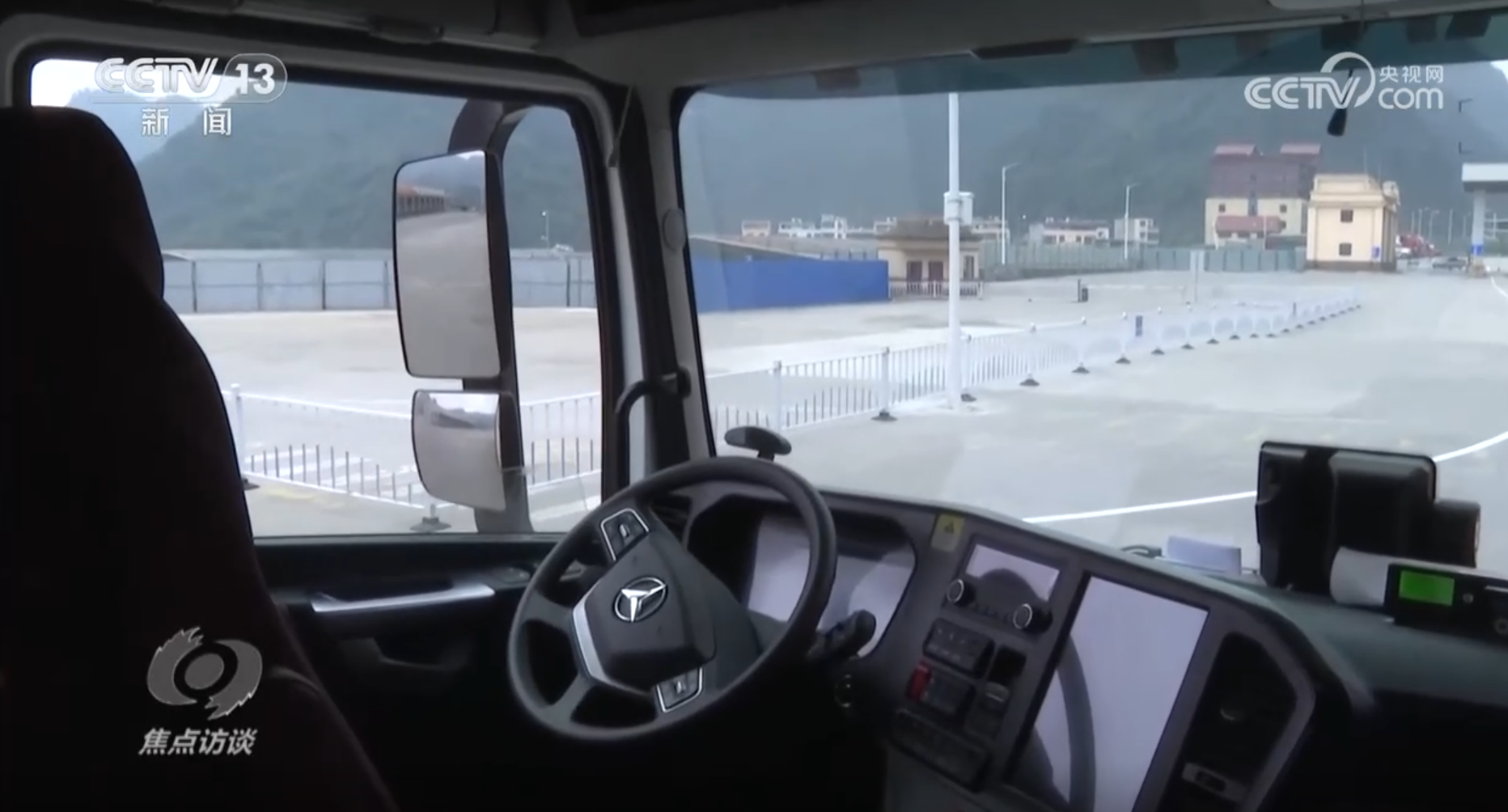
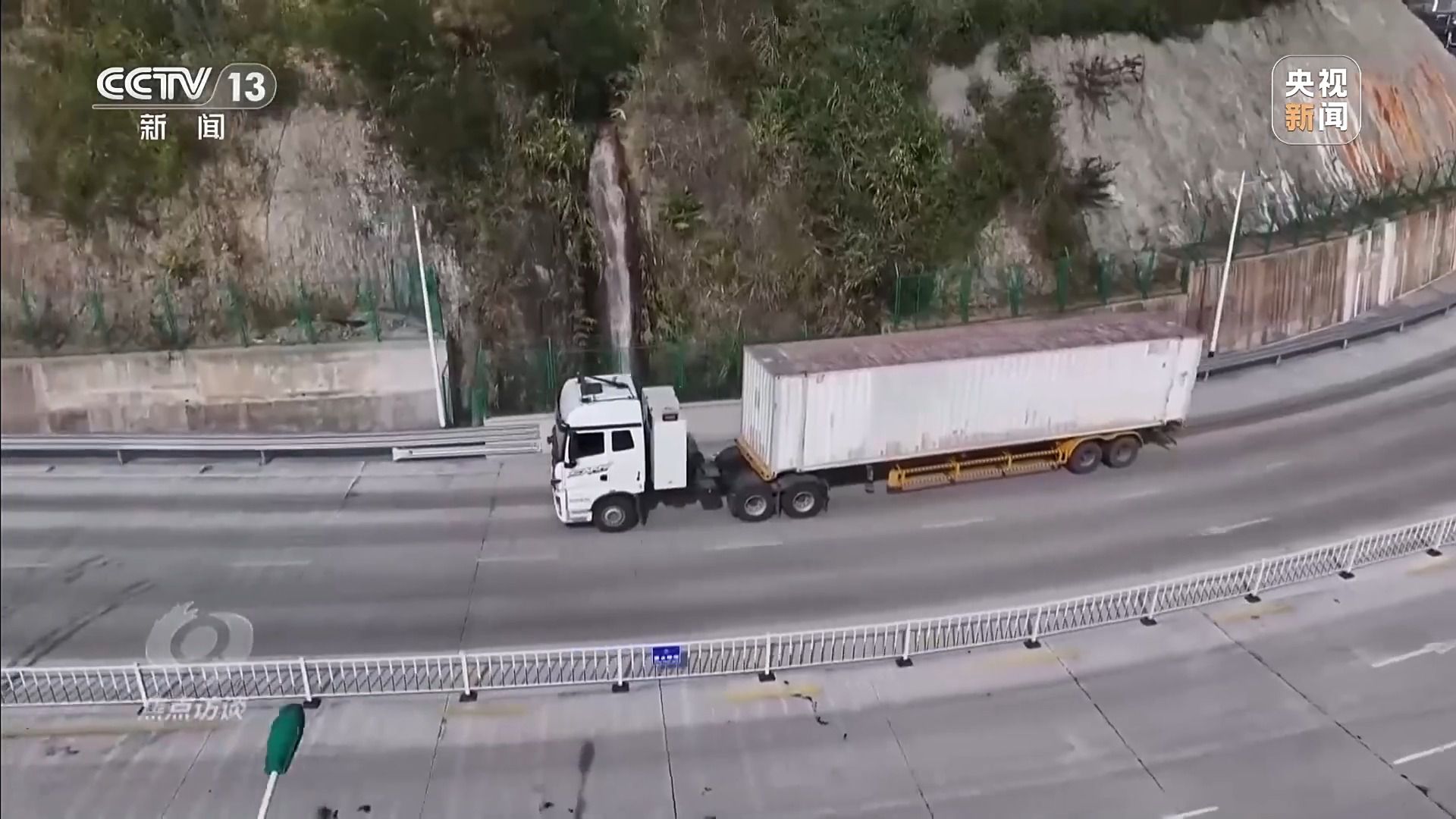
Core Insights - The China-ASEAN Free Trade Area (CAFTA) has significantly developed over the past 16 years, benefiting over 2 billion people, with China being ASEAN's largest trading partner for 16 consecutive years and ASEAN being China's largest trading partner for 5 years [1][11] - The signing of the CAFTA 3.0 upgrade protocol on October 28, 2025, marks a significant enhancement in trade facilitation and cooperation between China and ASEAN, moving towards a more integrated economic community [1][8] Group 1: Trade and Economic Cooperation - The CAFTA has evolved from a focus on goods trade to a deeper integration of industrial and value chains, establishing a "community of shared destiny" [1][11] - The total trade value within the CAFTA has reached 6.82 trillion yuan, making it one of the most dynamic free trade areas globally [11][23] - The 3.0 upgrade protocol aims to enhance trade facilitation by breaking down barriers and improving efficiency in trade processes [8][10] Group 2: Technological Advancements - The Guangxi Friendship Pass port has implemented advanced technologies, including AI and autonomous driving, to improve customs efficiency by approximately 75% [4][6] - The integration of digital technologies in the 3.0 protocol is expected to streamline customs declarations and enhance transparency in trade processes [10][22] Group 3: New Areas of Cooperation - The 3.0 protocol introduces cooperation in emerging fields such as digital and green economies, reflecting a forward-looking approach to economic collaboration [14][16] - The protocol encourages mutual recognition of technical compliance standards among member countries, facilitating smoother trade in new sectors [16][18] Group 4: Support for SMEs - The 3.0 protocol includes specific measures to support small and medium-sized enterprises (SMEs), enhancing their capacity to participate in international trade [22][20] - Initiatives such as information sharing and e-commerce support are designed to help SMEs benefit from the free trade area [22][20] Group 5: Future Implications - The CAFTA 3.0 upgrade signifies a shift from a focus on tariff reductions to a more comprehensive institutional openness, enhancing the business environment for enterprises [22][23] - The protocol is positioned to provide a replicable model for global trade governance, contributing to the construction of a community with a shared future for humanity [22][23]

焦点访谈|中国-东盟经贸合作跨越式突破 为全球经济增长注入强劲动能
Yang Shi Wang· 2026-01-11 13:25
Group 1 - The core viewpoint of the news is the significant upgrade of the China-ASEAN Free Trade Area (CAFTA) to version 3.0, which aims to enhance trade facilitation and deepen economic integration between China and ASEAN countries [5][15] - The CAFTA has evolved from a focus on goods trade to a more integrated economic community, with the 3.0 version emphasizing the inclusion of digital and green economies, reflecting a forward-looking cooperation strategy [7][9] - The total trade value within the CAFTA has reached 6.82 trillion yuan, covering over 2 billion people, making it one of the most dynamic free trade areas globally [5][15] Group 2 - The upgraded CAFTA 3.0 version includes measures specifically designed to support small and medium-sized enterprises (SMEs), enhancing their ability to participate in international trade [11][13] - The implementation of advanced technologies at border ports, such as AI and automated driving, has significantly improved customs efficiency, with reported efficiency gains of approximately 75% [3][5] - The new agreement allows for mutual recognition of technical compliance standards among member countries, which is expected to facilitate smoother trade processes for emerging sectors like renewable energy [9][11]