
新能源储能电池

Search documents
与时俱进、不断发展 中国-东盟自贸区惠及20多亿人口
Yang Shi Xin Wen Ke Hu Duan· 2026-01-11 15:44
Core Insights - The China-ASEAN Free Trade Area (CAFTA) has significantly developed over the past 16 years, benefiting over 2 billion people, with China being ASEAN's largest trading partner for 16 consecutive years and ASEAN being China's largest trading partner for 5 years [1][11] - The signing of the CAFTA 3.0 upgrade protocol on October 28, 2025, marks a significant enhancement in trade facilitation and cooperation between China and ASEAN, moving towards a more integrated economic community [1][8] Group 1: Trade and Economic Cooperation - The CAFTA has evolved from a focus on goods trade to a deeper integration of industrial and value chains, establishing a "community of shared destiny" [1][11] - The total trade value within the CAFTA has reached 6.82 trillion yuan, making it one of the most dynamic free trade areas globally [11][23] - The 3.0 upgrade protocol aims to enhance trade facilitation by breaking down barriers and improving efficiency in trade processes [8][10] Group 2: Technological Advancements - The Guangxi Friendship Pass port has implemented advanced technologies, including AI and autonomous driving, to improve customs efficiency by approximately 75% [4][6] - The integration of digital technologies in the 3.0 protocol is expected to streamline customs declarations and enhance transparency in trade processes [10][22] Group 3: New Areas of Cooperation - The 3.0 protocol introduces cooperation in emerging fields such as digital and green economies, reflecting a forward-looking approach to economic collaboration [14][16] - The protocol encourages mutual recognition of technical compliance standards among member countries, facilitating smoother trade in new sectors [16][18] Group 4: Support for SMEs - The 3.0 protocol includes specific measures to support small and medium-sized enterprises (SMEs), enhancing their capacity to participate in international trade [22][20] - Initiatives such as information sharing and e-commerce support are designed to help SMEs benefit from the free trade area [22][20] Group 5: Future Implications - The CAFTA 3.0 upgrade signifies a shift from a focus on tariff reductions to a more comprehensive institutional openness, enhancing the business environment for enterprises [22][23] - The protocol is positioned to provide a replicable model for global trade governance, contributing to the construction of a community with a shared future for humanity [22][23]

焦点访谈|中国-东盟经贸合作跨越式突破 为全球经济增长注入强劲动能
Yang Shi Wang· 2026-01-11 13:25
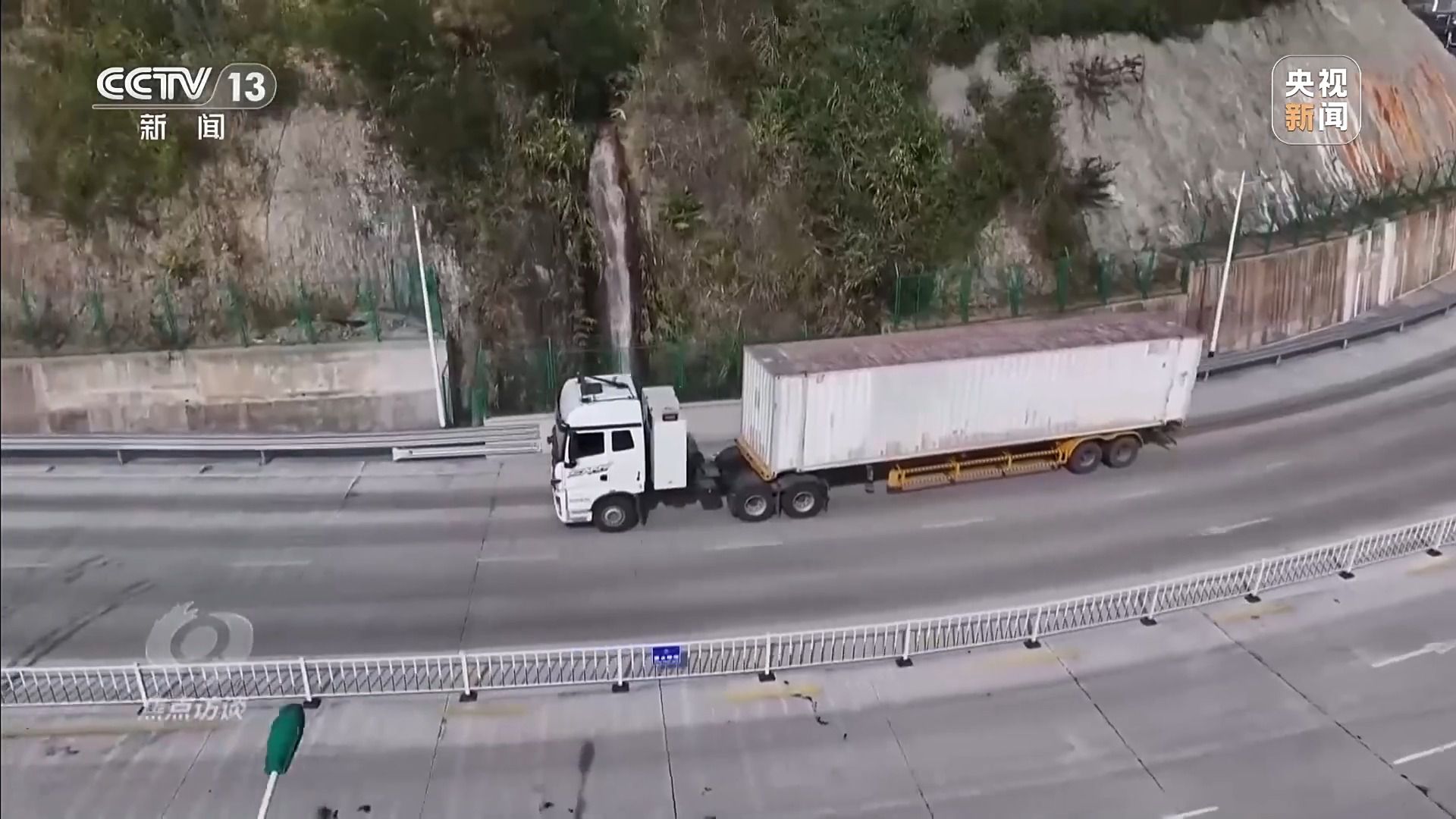
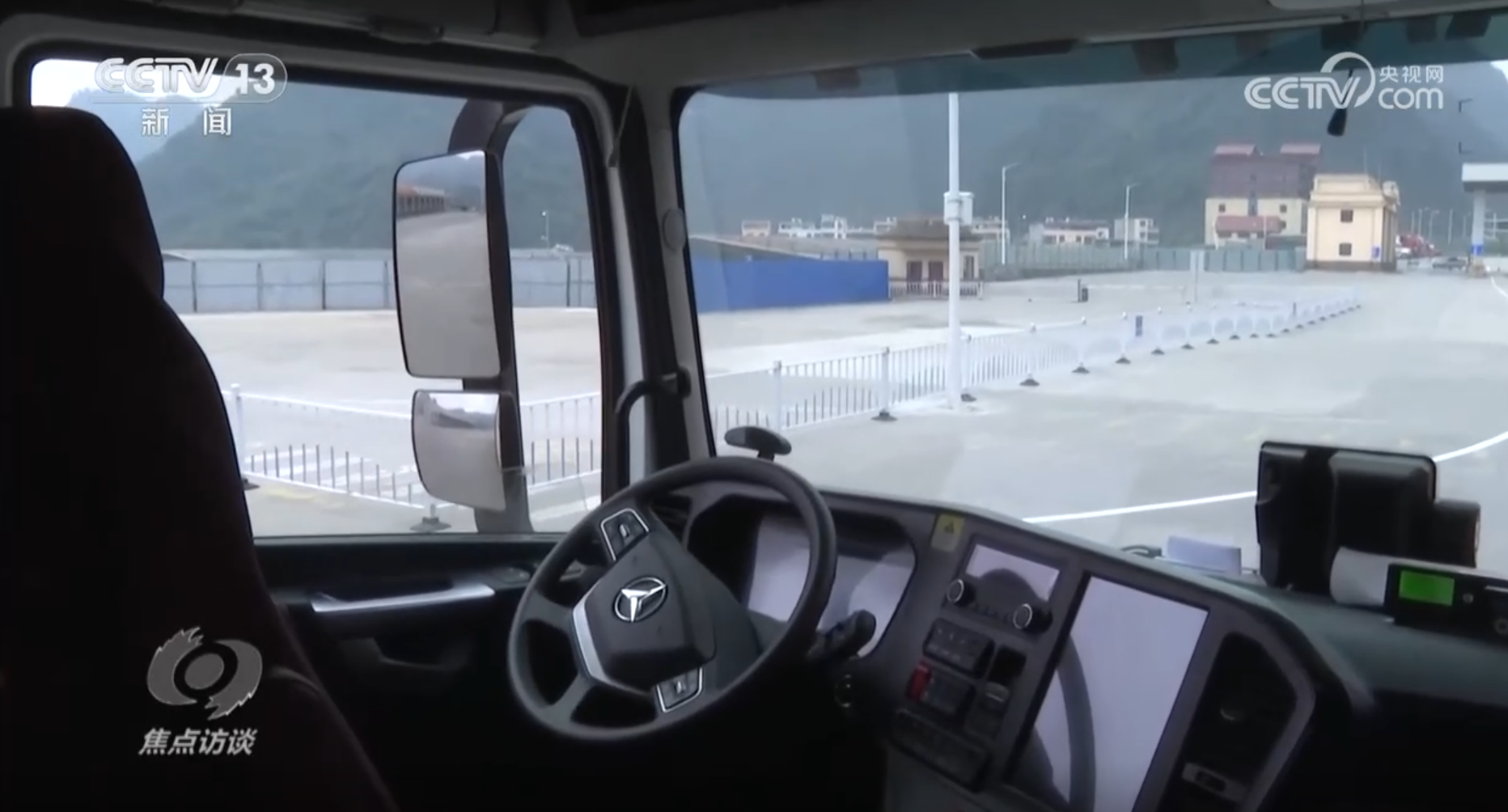
Group 1 - The core viewpoint of the news is the significant upgrade of the China-ASEAN Free Trade Area (CAFTA) to version 3.0, which aims to enhance trade facilitation and deepen economic integration between China and ASEAN countries [5][15] - The CAFTA has evolved from a focus on goods trade to a more integrated economic community, with the 3.0 version emphasizing the inclusion of digital and green economies, reflecting a forward-looking cooperation strategy [7][9] - The total trade value within the CAFTA has reached 6.82 trillion yuan, covering over 2 billion people, making it one of the most dynamic free trade areas globally [5][15] Group 2 - The upgraded CAFTA 3.0 version includes measures specifically designed to support small and medium-sized enterprises (SMEs), enhancing their ability to participate in international trade [11][13] - The implementation of advanced technologies at border ports, such as AI and automated driving, has significantly improved customs efficiency, with reported efficiency gains of approximately 75% [3][5] - The new agreement allows for mutual recognition of technical compliance standards among member countries, which is expected to facilitate smoother trade processes for emerging sectors like renewable energy [9][11]
威马又一工厂迎复活曙光,破产产能能成“香饽饽”么?
Zhong Guo Qi Che Bao Wang· 2025-10-31 01:45
Core Viewpoint - Chuangneng New Energy is reportedly interested in acquiring the Weima Xinghui factory for vehicle manufacturing, indicating a trend of revitalizing underutilized manufacturing facilities in the new energy vehicle sector [1][5]. Company Overview - Chuangneng New Energy, based in Xiaogan, Hubei, is backed by the fourth-largest dealership group in China, Hengxin Automotive Group, and has a strong competitive edge in the battery sector, focusing on energy storage and power batteries [3]. - The company has established production bases with a total capacity exceeding 110 GWh and plans to expand to over 350 GWh by 2025, positioning itself among the top five globally in energy storage battery shipments [3]. - Hengxin Automotive Group, which owns Chuangneng, has a significant presence with over 310 dealerships across more than 60 cities, achieving a total revenue of 78.51 billion yuan and sales exceeding 410,000 vehicles in 2024 [3]. Acquisition Details - The potential acquisition of the Weima Xinghui factory, which has a total investment of 20.2 billion yuan and a planned capacity of 150,000 vehicles, is seen as a strategic move for Chuangneng to accelerate its entry into vehicle manufacturing [8]. - The factory is recognized for its advanced intelligent manufacturing capabilities and has been awarded as a champion enterprise in Hubei province, indicating its competitive position in the new energy vehicle manufacturing sector [8][10]. Market Context - The trend of acquiring existing manufacturing facilities is gaining traction as companies seek to leverage established production capabilities rather than building new plants from scratch, which can be resource-intensive [10][11]. - The new energy vehicle market is experiencing rapid growth, with a significant shift from traditional fuel vehicles, making the revitalization of existing production capacities a strategic necessity for companies entering this space [10][11].
