
平遥推光漆器

Search documents
情满中国年丨传统文化点亮新春时代光彩
Yang Guang Wang· 2026-02-18 01:46
Group 1 - The core message emphasizes the importance of inheriting and promoting traditional Chinese culture in the context of modernization, as highlighted by President Xi Jinping during his visits to cultural heritage sites [1][2][4] - The bustling activity in cultural streets, such as the Yangliuqing painting shop, showcases the successful integration of traditional art forms with modern consumer products, appealing to younger audiences [2][3] - The preservation and innovative development of historical sites, like Pingyao Ancient City, are crucial for maintaining cultural heritage while promoting tourism and local economies [2][3] Group 2 - The initiative to combine traditional crafts, such as Miao embroidery, with modern design has led to the creation of over 100 cultural products, demonstrating the potential for cultural industries to contribute to economic development [3][4] - The rising interest in cultural heritage and non-material cultural assets reflects a broader trend of cultural confidence and pride among the Chinese population, as traditional elements gain popularity in contemporary society [4] - The integration of cultural tourism with local heritage sites aims to create a sustainable model for preserving history while enhancing visitor engagement and understanding of cultural significance [3][4]
山西非遗消费艺术季(冬季)启动
Sou Hu Cai Jing· 2026-01-21 22:31
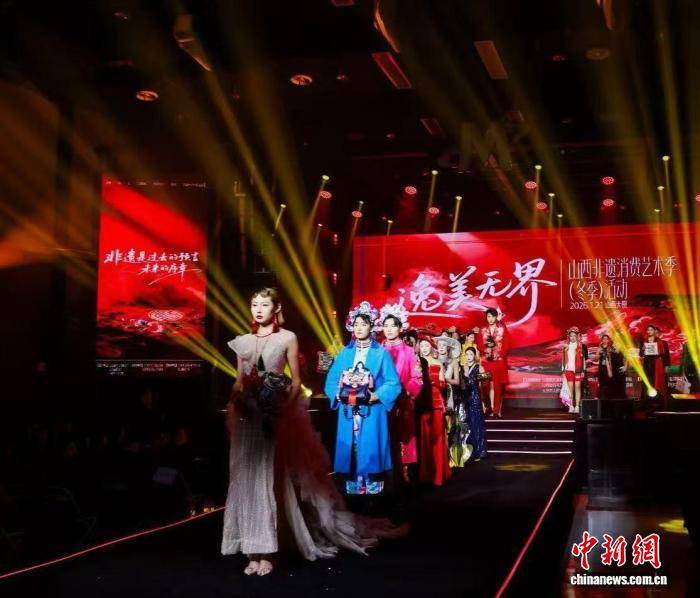
Core Viewpoint - The "Yimei Wujie" Shanxi Intangible Cultural Heritage Consumption Art Season (Winter) event has been launched in Taiyuan, focusing on integrating intangible cultural heritage into modern life through various innovative formats [1][3]. Group 1: Event Overview - The event will last for two months and features a theme of "intangible heritage integrated into modern life" [1]. - It includes fashion shows and performances that creatively transform traditional intangible cultural heritage items into modern accessories, breaking stereotypes and appealing to contemporary aesthetics [3]. Group 2: Collaborative Initiatives - The Shanxi Provincial Department of Culture and Tourism has initiated a "Co-Creation Plan" to find space managers with cultural energy to collaborate with intangible heritage inheritors [5]. - The "New Youth Support Program for Intangible Heritage Era" will continue, providing training in market promotion and product innovation for young inheritors, aiming to create new products that blend cultural essence with modern aesthetics [5]. Group 3: Consumer Engagement - A "Zhonglou Street Intangible Heritage Walking Map" has been released, linking traditional shops and cultural creative stores, allowing consumers to enjoy exclusive discounts or gifts by presenting receipts from participating stores [5]. - The event has created the "Jin Kan Intangible Heritage" art space, showcasing over 70 representative projects and products, enhancing product marketing and providing interactive experiences for visitors [6].

“品游山西” 感受千年古城的传承与创新
Yang Shi Wang· 2025-07-28 08:54
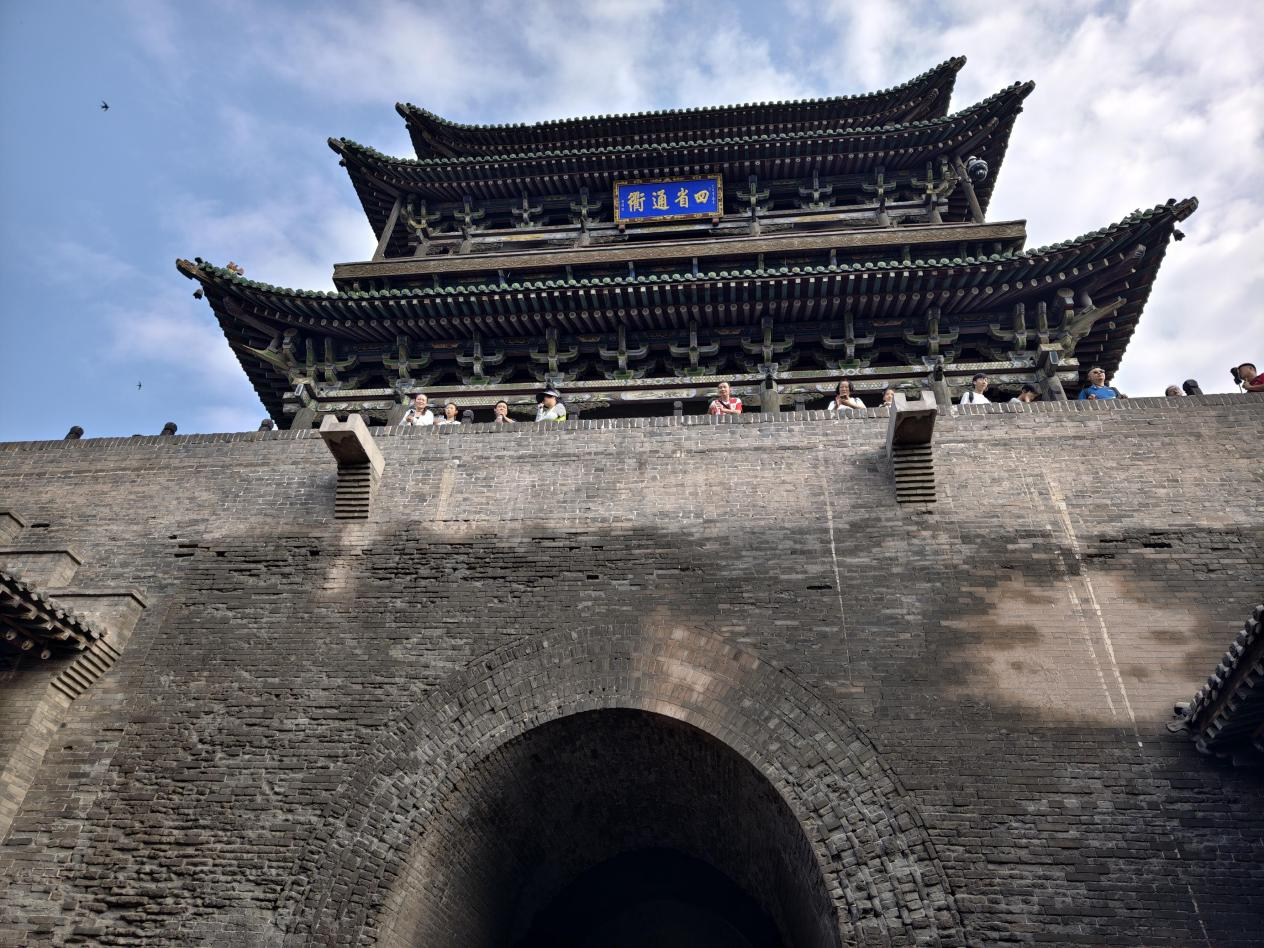
Core Viewpoint - Pingyao Ancient City, with over 2800 years of history, is recognized as a UNESCO World Heritage site, showcasing a complete picture of cultural, economic, social, and religious development [1] Group 1: Historical Significance - Pingyao Ancient City was established in the Western Zhou Dynasty and was listed as a World Cultural Heritage site in 1997 alongside Shuanglin Temple and Zhen Guo Temple [1] - The city features a well-preserved city wall, approximately 6000 meters long, primarily retaining its Ming Dynasty architectural style [3] Group 2: Cultural Heritage - The city is home to over 220 ancient shops, with the first Chinese bank, "Rishengchang," established here during the late Qing Dynasty [3] - Pingyao's Tui Guang lacquerware, recognized as one of China's four famous lacquerware types, was included in the first batch of national intangible cultural heritage in 2006 [4] Group 3: Modern Developments - The ancient city integrates traditional architecture with modern technology, featuring attractions like a "companion robot" and a 3D light show that enhances the historical ambiance [4] - The preservation efforts in the city include strict monitoring of temperature and humidity to protect cultural relics, emphasizing minimal intervention during restorations [3]
用漆艺“绘”人生:老匠人五十载守真守艺 千年非遗焕新生
Zhong Guo Xin Wen Wang· 2025-05-15 01:22
Core Viewpoint - The article highlights the dedication and innovation of Master Liang Zhongxiu in preserving and revitalizing the ancient craft of Pingyao lacquer art, transforming it into a global treasure over his 50-year career [1][4]. Group 1: Master Liang's Journey - Liang Zhongxiu began his lacquer art journey at the age of 17, training under renowned master Xue Shengjin, where he honed his skills in traditional techniques and studied classical art [2]. - He furthered his education at Sichuan Fine Arts Institute and Guangzhou Academy of Fine Arts, merging academic techniques with traditional Pingyao lacquer craftsmanship, leading to the creation of new processes like "gold, silver, and shell inlay" [2]. - His works have received numerous accolades, including the Craft Award at the first China Lacquer Painting Exhibition and a gold medal at the World Handicraft Conference, establishing him as a leading figure in the field [2]. Group 2: Passing on the Craft - Liang Zhongxiu actively trains young artisans in his studio, emphasizing the importance of skill and dedication in lacquer art, with several of his apprentices achieving recognition as provincial and municipal masters [3]. - He has established multiple platforms for talent development, including guest professorships and workshops, contributing to the growth of Pingyao lacquer art and its economic impact [3]. - The "Pingyao Zhongxiu Lacquer Art Culture Research Base," built by Liang, serves as a vital hub for the living transmission of this intangible cultural heritage [3]. Group 3: Global Recognition of Chinese Lacquer Art - Liang's innovative approach combines traditional craftsmanship with modern design principles, enhancing the cultural depth and regional characteristics of lacquer art [4]. - His works have been commissioned for significant institutions, including the Great Hall of the People and various embassies, showcasing the evolution of Pingyao lacquer from folk art to high-end artistic expression [4]. - Since the 1990s, his innovative products have been exported to Europe, America, and Asia, significantly contributing to national revenue and elevating Pingyao lacquer to an esteemed art form [4].