彤央TY1000

Search documents
算力通胀终结者!凭一招把大模型Token成本砍到1/2
创业邦· 2026-01-28 12:58
Core Viewpoint - The article discusses the challenges and inefficiencies in the AI computing power industry, highlighting the concept of "computing power inflation" and the need for "high-quality computing power" to address these issues. Group 1: Computing Power Inflation - The rapid growth of computing power over the past decade has led to a situation where many GPUs are underutilized, with effective utilization rates around 40% for training clusters and even below 20% for inference scenarios [2][3] - The industry has been caught in a parameter race to catch up with models like GPT-4 and GPT-5, leading to a waste of resources as hardware development cycles lag behind rapid algorithm changes [2][3] Group 2: High-Quality Computing Power - The definition of "high-quality computing power" includes efficiency, predictability, and sustainability, moving away from merely focusing on peak performance metrics [5] - The company TianShu ZhiXin aims to improve computing efficiency by 60% over industry averages through innovative technologies in their upcoming architecture [8] Group 3: Cost Management and Efficiency - TianShu ZhiXin has developed solutions to reduce storage costs significantly, including a 50% reduction in memory usage for model inference through key-value caching techniques [10] - The company has demonstrated that its single-machine performance can exceed international solutions by over 100%, while halving the cost per token in specific applications [17] Group 4: Market Position and Future Outlook - The year 2026 is expected to be pivotal for the Chinese GPU industry, with TianShu ZhiXin and other domestic players preparing for IPOs, marking the beginning of a more competitive landscape [19] - The company has established partnerships with various hardware manufacturers and solution providers to enhance AI accessibility across industries, indicating a shift towards practical applications of computing power [21]

天数智芯公布四代架构路线图及边端产品“彤央”
Zhong Guo Jing Ying Bao· 2026-01-26 15:07
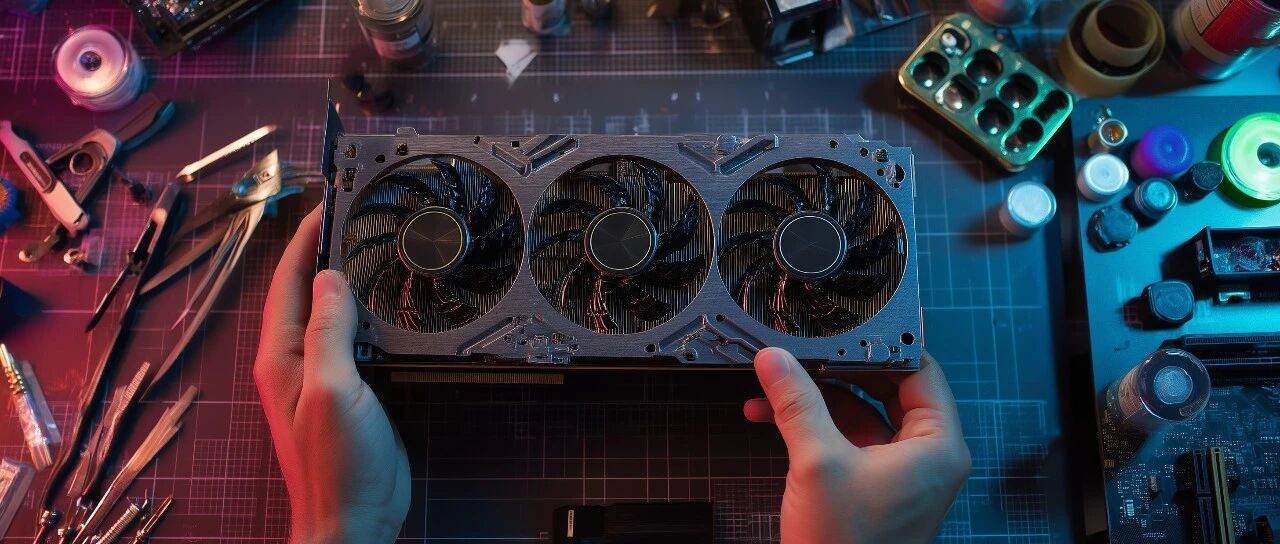
Core Insights - TianShu ZhiXin (09903.HK) announced its fourth-generation architecture roadmap, aiming to surpass international competitors, with the "TianShu" architecture set to exceed NVIDIA's Hopper by 2025, followed by "TianXuan" and "TianJi" targeting Blackwell in 2026, and "TianQuan" aiming to surpass NVIDIA's Rubin in 2027 [2] - The company launched the "TongYang" series of edge computing products, which includes models with performance metrics ranging from 100 TOPs to 300 TOPs, with the TY1200 model achieving 300 TOPs, outperforming NVIDIA's AGX Orin in various applications [2] Group 1 - The fourth-generation architecture details include the TianShu architecture supporting high-precision scientific and AI calculations, achieving over 90% effective utilization efficiency in attention mechanism computations [3] - The TianXuan architecture introduces ixFP4 precision support, while the TianJi architecture aims for comprehensive AI and accelerated computing coverage [3] - The TianQuan architecture will incorporate more precision support and innovative designs [3] Group 2 - TianShu ZhiXin's products and solutions have served over 300 clients and completed more than 1,000 deployments, with the "TongYang" series already implemented in various sectors including embodied intelligence and industrial automation [3] - The CEO, Gai Lujian, emphasized the importance of self-developed AI computing power to establish a robust ecosystem and the need for open collaboration to define new development paradigms [3]