
愿景基金

Search documents
孙正义的杠杆周期:当软银暴跌,市场在害怕什么
美股研究社· 2026-03-10 10:42
Core Viewpoint - SoftBank Group is viewed as a "magnifier" of market sentiment, where its stock price fluctuations signal broader trends in the technology sector, particularly during periods of high leverage and concentrated investments in technology narratives [1][3]. Group 1: SoftBank's Role in the Market - SoftBank is characterized as a unique entity in the global tech investment landscape, functioning more like a "technology-themed leveraged fund" rather than a traditional venture capital firm or a typical public company [5]. - The company's stock price is highly sensitive to market liquidity and investor sentiment, often experiencing greater volatility than the broader tech sector [7][8]. - SoftBank's stock movements often precede broader market shifts, acting as an early indicator of changing investor sentiment towards high-risk technology investments [8][10]. Group 2: Historical Context and Current Trends - In early 2021, SoftBank's stock began to decline even as the tech sector was experiencing a boom, foreshadowing the subsequent market downturn that occurred later that year [10]. - The current decline in SoftBank's stock is attributed to concerns over its significant investments in OpenAI, with the company having invested approximately $64.6 billion and committed to further funding [10][11]. - Similar to past trends, the market is now questioning the sustainability of the AI industry's profitability, which could lead to a broader reevaluation of tech valuations [11][14]. Group 3: Implications for the AI Sector - The focus of SoftBank's recent stock decline is on the capital narrative surrounding generative AI, with OpenAI representing a critical player in this space [13][14]. - As market enthusiasm shifts to a more rational perspective, doubts are emerging about whether AI companies can justify their high valuations amidst ongoing cash burn and substantial capital requirements [14][15]. - If the narrative surrounding AI falters, SoftBank could face significant pressure, potentially leading to a broader reassessment of the entire AI application sector's valuation framework [14][15]. Group 4: Future Outlook - The current situation suggests that the AI bull market may be entering its first real stress test, with investors increasingly demanding tangible profits and cash flows rather than just compelling narratives [15][16]. - SoftBank's stock fluctuations serve as a reminder that during periods of leveraged retreat, defensive strategies may be more prudent than aggressive investments [16].


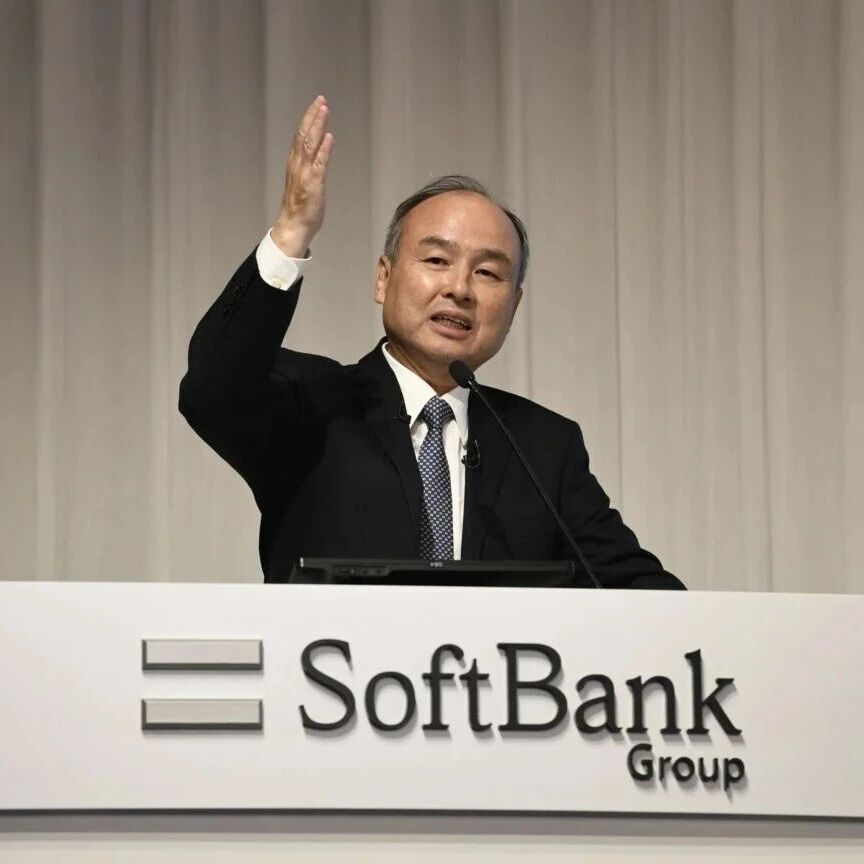
历史新高!刚刚,美联储,传出重磅消息!
券商中国· 2025-08-08 02:13
Core Viewpoint - The nomination of Stephen Milar by President Trump to the Federal Reserve Board suggests a shift towards a more dovish stance by the Fed, potentially leading to a depreciation of the US dollar [3][5]. Group 1: Federal Reserve Nomination - President Trump nominated Stephen Milar, the current chairman of the White House Council of Economic Advisers, to fill a vacant position on the Federal Reserve Board, with a term ending on January 31, 2026 [3]. - Milar has a history of supporting Trump's calls for interest rate cuts and has previously served as a senior economic policy advisor at the Treasury during Trump's first term [4]. - The nomination requires Senate confirmation, which is expected to take 4 to 8 weeks, indicating that the new appointee may not participate in the upcoming FOMC meeting in September [4][5]. Group 2: Market Reactions - Following the Fed's dovish signals, the Japanese stock market saw significant gains, with the TOPIX index rising 1.5% to surpass 3000 points, marking a historical high [2][6]. - SoftBank Group's stock surged over 12% after reporting a net profit of 421.82 billion yen for the first quarter, significantly exceeding market expectations [6]. - Sony's stock increased over 6%, with the company raising its full-year profit guidance after reporting a 36% year-on-year increase in operating profit for the first quarter [7]. Group 3: Trade Relations and Tariffs - Japan's trade negotiations with the US are ongoing, with Japanese officials expressing concerns over the implementation of tariffs that exceed previously agreed rates [8]. - The US has committed to correcting administrative orders that could lead to higher tariffs on Japanese goods, which could impact market sentiment [7][8].


软银集团一季度净利润4218.2亿日元,上年同期亏损1,742.8亿日元,预估为1582.3亿日元
Mei Ri Jing Ji Xin Wen· 2025-08-07 06:49
Core Insights - SoftBank Group reported a net profit of 421.82 billion yen for the first quarter, compared to a loss of 174.28 billion yen in the same period last year, exceeding the forecast of 158.23 billion yen [1] Financial Performance - The Vision Fund generated investment income of 726.84 billion yen in the first quarter [1] - The Vision Fund's profit for the first quarter was 451.39 billion yen [1]
5月13日电,软银集团愿景基金2024全年亏损1150.2亿日元。
news flash· 2025-05-13 06:46
Core Points - SoftBank Group's Vision Fund reported a total loss of 115.2 billion yen for the fiscal year 2024 [1] Financial Performance - The reported loss of 115.2 billion yen indicates significant financial challenges faced by the Vision Fund in the current fiscal year [1]