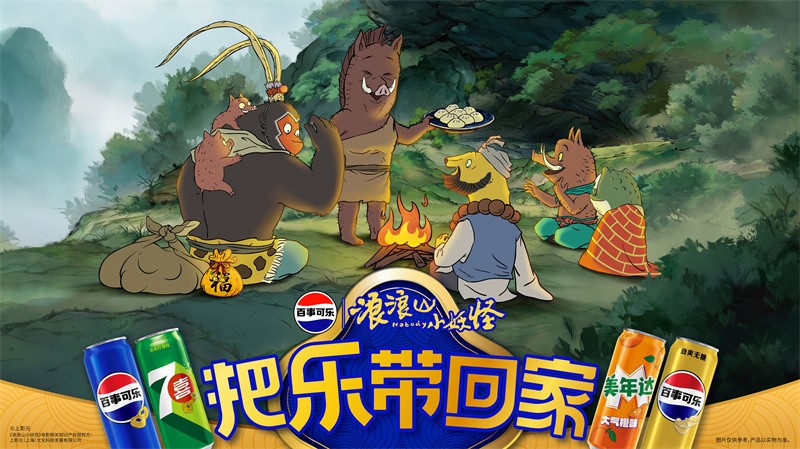
把乐带回家

Search documents
百事的护城河,从来不是饮料是情绪
半佛仙人· 2026-01-26 09:10
Core Viewpoint - The article discusses the challenges and nuances of marketing strategies during the year-end period, emphasizing the importance of genuine connection over formulaic advertising [3][4]. Group 1: Marketing Strategies - Brands often aim for impactful year-end marketing but can miss the mark with overly realistic or formulaic approaches that lead to consumer fatigue [3]. - The article criticizes the use of cliché elements in marketing, suggesting that they fail to resonate with consumers and can even provoke negative reactions [3]. - There is a call for brands to focus on authentic storytelling that reflects real-life experiences rather than superficial or exaggerated narratives [3][4]. Group 2: Family and Home - The narrative highlights the significance of family and home, suggesting that true happiness and fulfillment come from connections with loved ones rather than material achievements [6][8]. - The article references the animated series "浪浪山小妖怪" and its collaboration with Pepsi, illustrating how storytelling can convey deeper messages about family and returning home for the New Year [7][8]. - It emphasizes that the essence of the New Year is about bringing joy back to the family, reinforcing the idea that familial bonds are paramount [8][12]. Group 3: Brand Legacy and Storytelling - Pepsi's marketing strategy is noted for its ability to evolve while maintaining a consistent message over the years, creating a strong emotional connection with consumers [10][11]. - The article reflects on Pepsi's historical marketing campaigns, showcasing how they have adapted to cultural changes while remaining relevant [10][11]. - The concept of "bringing joy home" has been a recurring theme in Pepsi's campaigns, illustrating the brand's understanding of consumer sentiment and the importance of family [10][11].



十五年长情陪伴,百事“把乐带回家”联动现象级动画IP《浪浪山小妖怪》,以平凡微光照亮新春归途
Zhong Guo Shi Pin Wang· 2026-01-19 10:34
Core Insights - The collaboration between Pepsi and the animated IP "Wang Wang Mountain Little Monsters" aims to redefine the narrative of the brand's "Bringing Joy Home" campaign, marking a new phase in its 15-year journey [1][4][12] Group 1: Brand Narrative and Emotional Connection - The campaign reflects a shift in public sentiment, where the definition of "joy" has evolved from external achievements to finding peace and stability in everyday life [3][4] - The meaning of "home" has transformed from a ceremonial return to a place of emotional comfort and acceptance, emphasizing the importance of ordinary connections [3][4] - Over the past 15 years, the "Bringing Joy Home" campaign has grown from a simple New Year greeting to a cultural symbol embedded in family traditions, resonating with the emotional pulse of the nation [4][12] Group 2: Engagement Strategies - Pepsi has created an immersive emotional experience through various channels, including limited edition packaging and themed products that resonate with consumers' identities [5][7] - The campaign extends into real-life settings by establishing themed experience spaces in key cultural and commercial locations, allowing the brand's message to permeate everyday life [7][9] - The new year special "Wang Wang Mountain Little Monsters: Bringing Joy Home" film conveys the essence of joy derived from unconditional acceptance by family, aligning with the brand's emotional core for this year's campaign [9][12] Group 3: Cultural and Market Implications - The partnership with "Wang Wang Mountain Little Monsters" signifies Pepsi's commitment to engaging with contemporary narratives around family and joy, reflecting a deep empathy for ordinary lives [12] - The campaign serves as a bridge between generations, fostering understanding and resonance through relatable stories of everyday workers and their experiences [12] - The 15-year milestone represents both a significant achievement and a new beginning for Pepsi, reinforcing its role as a companion during the Chinese New Year and its ongoing commitment to emotional engagement with consumers [12]