
抗肿瘤

Search documents
恒瑞医药跌2.00%,成交额21.67亿元,主力资金净流出2.95亿元
Xin Lang Cai Jing· 2026-02-26 06:26
Core Viewpoint - Heng Rui Medicine's stock price has experienced a decline of 4.82% year-to-date, with significant drops over various trading periods, indicating potential challenges in market performance [2]. Group 1: Stock Performance - As of February 26, Heng Rui Medicine's stock price was 56.70 CNY per share, with a trading volume of 21.67 billion CNY and a turnover rate of 0.59%, resulting in a total market capitalization of 376.33 billion CNY [1]. - The stock has decreased by 4.82% since the beginning of the year, with a 3.74% drop over the last five trading days, a 5.66% decline over the last 20 days, and a 6.53% decrease over the last 60 days [2]. Group 2: Company Overview - Heng Rui Medicine, established on April 28, 1997, and listed on October 18, 2000, is primarily engaged in the research, production, and sales of pharmaceuticals, focusing on oncology [2]. - The company's product portfolio includes anti-tumor drugs, analgesics, and contrast agents, with applications across various medical fields such as autoimmune diseases, cardiovascular diseases, and pain management [2]. - The main revenue sources for Heng Rui Medicine are product sales (86.88%), licensing income (12.63%), and other income (0.49%) [2]. Group 3: Financial Performance - For the period from January to September 2025, Heng Rui Medicine reported a revenue of 23.188 billion CNY, reflecting a year-on-year growth of 14.85%, and a net profit attributable to shareholders of 5.751 billion CNY, which is a 24.50% increase compared to the previous year [3]. Group 4: Shareholder Information - As of September 30, 2025, the number of shareholders for Heng Rui Medicine was 397,300, an increase of 8.94% from the previous period, while the average circulating shares per person decreased by 8.21% to 16,058 shares [3]. - The company has distributed a total of 9.303 billion CNY in dividends since its A-share listing, with 3.568 billion CNY distributed over the last three years [4].

恒瑞医药涨2.10%,成交额22.11亿元,主力资金净流入3346.30万元
Xin Lang Cai Jing· 2026-01-29 03:06
Core Viewpoint - Heng Rui Medicine's stock price has shown a decline of 3.07% year-to-date, with a notable drop of 6.75% over the past 60 days, indicating potential challenges in market performance [2]. Company Overview - Jiangsu Heng Rui Medicine Co., Ltd. is primarily engaged in the research, production, and sales of pharmaceuticals, focusing on oncology, including kinase inhibitors, antibody-drug conjugates (ADC), tumor immunology, hormone receptor regulation, DNA repair, and epigenetics [2]. - The company's product portfolio includes anti-tumor drugs, analgesics, and contrast agents, applicable in various medical fields such as autoimmune diseases, metabolic diseases, cardiovascular diseases, infectious diseases, respiratory diseases, hematological diseases, pain management, neurological diseases, ophthalmology, and nephrology [2]. - The main revenue sources for Heng Rui Medicine are product sales (86.88%), licensing income (12.63%), and other income (0.49%) [2]. Financial Performance - As of September 30, Heng Rui Medicine reported a total revenue of 23.188 billion yuan, reflecting a year-on-year growth of 14.85%, and a net profit attributable to shareholders of 5.751 billion yuan, which is a 24.50% increase compared to the previous year [3]. - The company has distributed a total of 9.303 billion yuan in dividends since its A-share listing, with 3.568 billion yuan distributed over the past three years [4]. Shareholder Information - As of September 30, the number of shareholders for Heng Rui Medicine reached 397,300, an increase of 8.94% from the previous period, while the average circulating shares per person decreased by 8.21% to 16,058 shares [3]. - Among the top ten circulating shareholders, Hong Kong Central Clearing Limited holds 487 million shares, a decrease of 48.1792 million shares from the previous period [4].
恒瑞医药跌2.01%,成交额33.42亿元,主力资金净流出2.75亿元
Xin Lang Cai Jing· 2026-01-14 06:26
Core Viewpoint - Heng Rui Medicine's stock price has shown fluctuations, with a recent decline of 2.01% and a total market capitalization of 419.604 billion yuan as of January 14. The company has experienced a net outflow of 275 million yuan in principal funds, indicating potential investor concerns [1]. Company Overview - Jiangsu Heng Rui Medicine Co., Ltd. is primarily engaged in the research, production, and sales of pharmaceuticals, focusing on oncology and related fields such as kinase inhibitors, antibody-drug conjugates (ADC), and DNA repair [2]. - The company's revenue composition includes 86.88% from product sales, 12.63% from licensing income, and 0.49% from other sources [2]. Financial Performance - For the period from January to September 2025, Heng Rui Medicine achieved a revenue of 23.188 billion yuan, representing a year-on-year growth of 14.85%. The net profit attributable to shareholders was 5.751 billion yuan, with a year-on-year increase of 24.50% [3]. Shareholder Information - As of September 30, 2025, the number of shareholders increased to 397,300, with an average of 16,058 circulating shares per person, a decrease of 8.21% from the previous period [3]. - The company has distributed a total of 9.303 billion yuan in dividends since its A-share listing, with 3.568 billion yuan distributed in the last three years [4]. Institutional Holdings - Among the top ten circulating shareholders, Hong Kong Central Clearing Limited holds 487 million shares, a decrease of 48.1792 million shares from the previous period. China Securities Finance Corporation remains unchanged with 95.3998 million shares [4].
恒瑞医药跌2.00%,成交额13.68亿元,主力资金净流出1.92亿元
Xin Lang Zheng Quan· 2025-11-17 05:46
Group 1 - The core viewpoint of the news is that 恒瑞医药's stock has experienced fluctuations, with a recent decline of 2.00% and a year-to-date increase of 34.88% [1] - As of November 17, the stock price is reported at 61.64 CNY per share, with a total market capitalization of 409.12 billion CNY [1] - The company has seen a net outflow of 1.92 million CNY in principal funds, with significant selling pressure observed [1] Group 2 - 恒瑞医药, established on April 28, 1997, focuses on the research, production, and sales of pharmaceuticals, particularly in the oncology field [2] - The company's main revenue sources are product sales (86.88%), licensing income (12.63%), and other income (0.49%) [2] - The company operates in various therapeutic areas, including oncology, pain management, and cardiovascular diseases [2] Group 3 - As of September 30, the number of shareholders has increased to 397,300, while the average circulating shares per person have decreased by 8.21% [3] - For the period from January to September 2025, 恒瑞医药 reported a revenue of 23.188 billion CNY, reflecting a year-on-year growth of 14.85%, and a net profit of 5.751 billion CNY, up 24.50% year-on-year [3] Group 4 - Since its A-share listing, 恒瑞医药 has distributed a total of 9.303 billion CNY in dividends, with 3.568 billion CNY distributed in the last three years [4] - Among the top ten circulating shareholders, Hong Kong Central Clearing Limited holds 487 million shares, a decrease of 48.179 million shares from the previous period [4] - Other notable shareholders include China Securities Finance Corporation and various ETFs, with some experiencing a reduction in shareholding [4]
恒瑞医药涨2.05%,成交额14.59亿元,主力资金净流入1.02亿元
Xin Lang Cai Jing· 2025-11-13 03:23
Core Viewpoint - Heng Rui Medicine's stock price has shown a significant increase of 38.67% year-to-date, indicating strong market performance despite recent fluctuations [1][3]. Company Overview - Jiangsu Heng Rui Medicine Co., Ltd. is primarily engaged in the research, production, and sales of pharmaceuticals, focusing on oncology and related fields [2]. - The company's product portfolio includes anti-tumor drugs, analgesics, and contrast agents, with applications across various diseases including autoimmune, metabolic, cardiovascular, infectious, respiratory, hematological, pain management, neurological, ophthalmic, and renal diseases [2]. - The main revenue sources for the company are product sales (86.88%), licensing income (12.63%), and other income (0.49%) [2]. Financial Performance - As of September 30, Heng Rui Medicine reported a total revenue of 23.188 billion yuan, reflecting a year-on-year growth of 14.85%, and a net profit attributable to shareholders of 5.751 billion yuan, which is a 24.50% increase compared to the previous year [3]. - The company has distributed a total of 9.303 billion yuan in dividends since its A-share listing, with 3.568 billion yuan distributed over the last three years [4]. Shareholder Information - As of September 30, 2025, the number of shareholders increased to 397,300, with an average of 16,058 circulating shares per person, a decrease of 8.21% from the previous period [3]. - Major shareholders include Hong Kong Central Clearing Limited and China Securities Finance Corporation, with notable changes in their holdings [4].
恒瑞医药涨2.01%,成交额7.53亿元,主力资金净流入9341.89万元
Xin Lang Cai Jing· 2025-11-12 02:08
Core Viewpoint - Heng Rui Medicine's stock price has shown a significant increase of 36.30% year-to-date, indicating strong market performance despite recent fluctuations [1][3]. Company Overview - Jiangsu Heng Rui Medicine Co., Ltd. is primarily engaged in the research, production, and sales of pharmaceuticals, focusing on oncology and related fields [2]. - The company's product portfolio includes anti-tumor drugs, analgesics, and contrast agents, with applications across various diseases including autoimmune, metabolic, cardiovascular, infectious, respiratory, hematological, pain management, neurological, ophthalmic, and renal diseases [2]. - The main revenue sources for the company are product sales (86.88%), licensing income (12.63%), and other income (0.49%) [2]. Financial Performance - As of September 30, 2025, Heng Rui Medicine reported a revenue of 23.188 billion yuan, representing a year-on-year growth of 14.85%, and a net profit attributable to shareholders of 5.751 billion yuan, up 24.50% year-on-year [3]. - The company has distributed a total of 9.303 billion yuan in dividends since its A-share listing, with 3.568 billion yuan distributed over the past three years [4]. Shareholder Information - As of September 30, 2025, the number of shareholders increased to 397,300, with an average of 16,058 circulating shares per person, a decrease of 8.21% from the previous period [3]. - Major shareholders include Hong Kong Central Clearing Limited and China Securities Finance Corporation, with notable changes in their holdings [4].
恒瑞医药跌2.00%,成交额17.93亿元,主力资金净流出2.10亿元
Xin Lang Cai Jing· 2025-11-04 05:50
Core Viewpoint - Heng Rui Medicine's stock price has experienced fluctuations, with a year-to-date increase of 35.95% but a recent decline of 2.34% over the past five trading days and 10.22% over the past 20 days [2] Company Overview - Heng Rui Medicine, established on April 28, 1997, and listed on October 18, 2000, is primarily engaged in the research, production, and sales of pharmaceuticals, focusing on oncology [2] - The company's product portfolio includes anti-tumor drugs, analgesics, and contrast agents, with applications across various diseases including autoimmune, metabolic, cardiovascular, infectious, respiratory, hematological, pain management, neurological, ophthalmic, and renal diseases [2] - The main revenue sources for the company are product sales (86.88%), licensing income (12.63%), and other income (0.49%) [2] Financial Performance - For the period from January to September 2025, Heng Rui Medicine reported a revenue of 23.188 billion yuan, reflecting a year-on-year growth of 14.85%, and a net profit attributable to shareholders of 5.751 billion yuan, up 24.50% year-on-year [3] - The company has distributed a total of 9.303 billion yuan in dividends since its A-share listing, with 3.568 billion yuan distributed over the past three years [4] Shareholder Information - As of September 30, 2025, the number of shareholders increased to 397,300, with an average of 16,058 circulating shares per person, a decrease of 8.21% from the previous period [3] - Major shareholders include Hong Kong Central Clearing Limited, holding 487 million shares, and China Securities Finance Corporation, holding 95.4 million shares, with some reductions in holdings noted [4]
55种药品进集采
财联社· 2025-10-28 10:35
Core Viewpoint - The eleventh batch of national organized drug procurement has been announced, including 55 commonly used drugs across various fields, achieving the goals of stabilizing clinical use, ensuring quality, preventing internal competition, and avoiding collusion [1][2] Group 1: Procurement Details - The procurement includes drugs for infection, allergy, tumor treatment, blood sugar, blood pressure, and blood lipid management [1] - 75% of the procurement demand from medical institutions has been met, indicating a strong alignment with actual needs [1] Group 2: Bidder Requirements - The bidding process has raised the qualification threshold for participating companies, requiring them to have production experience with similar types of drugs and a clean record in the last two years regarding production quality management [1] - Future supervision will involve comprehensive checks by drug regulatory authorities on selected products [1] Group 3: Competitive Landscape - The competition in this round of procurement is significantly more intense than in previous batches, with measures in place to maintain a high selection rate despite the competitive environment [1] - The average price difference for selected products has notably decreased compared to earlier batches, aided by strategies such as excluding products with a scale below 100 million and setting "anchor prices" to prevent extreme low-price impacts [1] Group 4: Participation and Impact - A total of 46,000 medical institutions participated in the reporting process, with 445 companies submitting 794 products for bidding, of which 272 companies and 453 products received proposed selection qualifications [2] - The new batch of quality and reasonably priced selected drugs is expected to be available to patients nationwide by February 2026 [2]

55种药品纳入!第十一批国家组织药品集采开标
第一财经· 2025-10-28 10:28
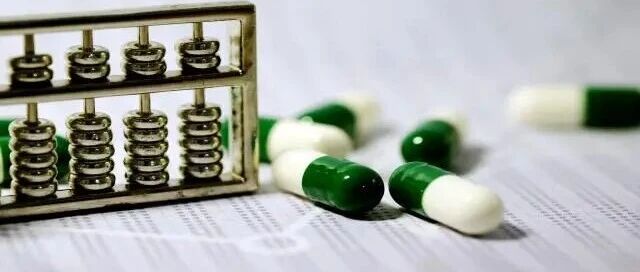
Core Viewpoint - The eleventh batch of national organized drug procurement has been announced, including 55 types of commonly used drugs across various fields, achieving the expected goals of stabilizing clinical use, ensuring quality, preventing excessive competition, and avoiding collusion [1][2]. Group 1: Procurement Details - The selected products in this procurement align more closely with the needs of medical institutions, with 75% of procurement requests being met [2]. - The qualification threshold for bidding enterprises has been raised, requiring experience in producing similar types of drugs and ensuring compliance with production quality management standards [2]. - The competition level in this procurement is significantly higher than in previous batches, with measures such as excluding products below 100 million yuan from procurement and setting "anchor prices" to prevent extreme low-price impacts [2]. Group 2: Regulatory and Oversight Measures - A comprehensive supervision and inspection mechanism will be implemented for selected products, ensuring adherence to quality standards [2]. - The procurement process has been standardized to prevent collusion, treating companies with related interests as a single entity to avoid price-fixing [2]. - A total of 46,000 medical institutions participated in the procurement, with 445 companies submitting bids, resulting in 272 companies having 453 products proposed for selection [2].
55种药品纳入!第十一批国家组织药品集采开标
Yang Shi Xin Wen· 2025-10-28 10:19
Core Insights - The 11th batch of national organized drug procurement results has been announced, including 55 types of commonly used drugs across various fields such as anti-infection, anti-allergy, anti-tumor, blood sugar reduction, blood pressure reduction, and blood lipid reduction, achieving the expected goals of "stabilizing clinical use, ensuring quality, preventing internal competition, and avoiding collusion" [1][2] Group 1 - The selected products in this procurement are more aligned with the needs of medical institutions, reinforcing the goal of "stabilizing clinical use." Medical institutions can report quantities based on either generic names or brand names, with 75% of procurement quantity requirements being met [1] - The procurement process has raised the qualification thresholds for bidding companies, requiring them to have production experience with similar types of drugs and ensuring that the production line of the bidding drugs has not violated quality management regulations in the past two years. Regulatory authorities will conduct comprehensive supervision and inspection of the selected products [1] - The level of competition in this procurement is significantly higher than in the previous ten batches, but measures such as excluding products with a scale below 100 million, setting "anchor prices" to prevent extreme low-price impacts, and introducing a revival mechanism have maintained a relatively high selection rate, with the average price difference of selected products noticeably reduced compared to previous batches [1] Group 2 - The procurement process has standardized bidding behavior across the entire chain, adhering to the principle of "preventing collusion." Companies with equity relationships, commissioned production, or license transfers are treated as a single entity to prevent collusive pricing. A total of 46,000 medical institutions participated in the reporting process, with 445 companies submitting bids for 794 products, of which 272 companies with 453 products have obtained proposed selection qualifications [2] - The official announcement of the proposed selection results is expected, with nationwide patients anticipated to access a new batch of high-quality and reasonably priced selected drugs by February 2026 [2]