招投标智慧监管监督系统

Search documents
浙江用AI抓贪官
券商中国· 2026-01-15 06:57
Core Viewpoint - The article discusses the implementation of a smart regulatory supervision system in Zhejiang Province, which enhances the efficiency of monitoring public power and combating corruption in the bidding process, revealing hidden corrupt practices through data analysis and AI technology [1][2]. Group 1: Smart Regulatory Supervision System - The smart regulatory supervision system aims to address corruption in the bidding process, particularly in capital-intensive areas like public projects, by providing data-driven insights and risk alerts [1][2]. - The system has successfully identified potential corruption cases, such as the suspicious bidding practices in the Jiangshan City lighting project, where AI-generated risk alerts indicated possible collusion and unfair practices among experts [1][2]. Group 2: Case Studies and Outcomes - A specific case involving Feng Jiang, a former official, illustrates how the system exposed corrupt activities, including collusion with a winning bidder who paid bribes for favorable treatment during the bidding process [2][4]. - The system's ability to analyze large datasets allows investigators to trace connections and uncover broader networks of corruption, as seen in the follow-up investigations that revealed additional issues linked to Feng Jiang [3][5]. Group 3: Impact on Corruption Detection - The introduction of the smart regulatory supervision system has transformed the approach to corruption detection, enabling authorities to proactively identify issues rather than relying solely on specific complaints [2][6]. - The system's analytical capabilities have led to more precise targeting of corrupt practices, significantly improving the effectiveness of investigations and resulting in timely disciplinary actions against offenders [5][6].

浙江用AI抓出贪官
Zhong Guo Ji Jin Bao· 2026-01-14 16:09
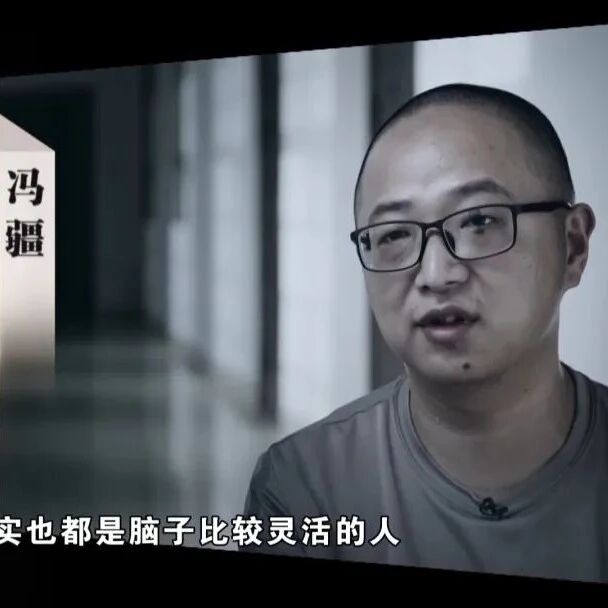
Core Viewpoint - The documentary highlights the use of intelligent supervision systems in combating corruption in public bidding processes, showcasing the case of Feng Jiang, a former official involved in corrupt practices, and how technology has enhanced the detection and prevention of such activities [1][2][4]. Group 1: Case Analysis - Feng Jiang, former head of the financing construction department at the Jiangshan State-owned Assets Management Service Center, was involved in corrupt practices related to public bidding [4]. - The intelligent supervision system identified anomalies in the bidding process for a city lighting project, leading to the discovery of collusion and bribery [6][10]. - The system's data analysis revealed that the winning bidder had no significant technical advantage, indicating potential manipulation in the bidding process [6][10]. Group 2: Technology and Corruption Prevention - The intelligent supervision system utilizes big data and AI to analyze past cases, identifying patterns of corruption and providing alerts for potential issues in current projects [17][19]. - The system acts as a filter, allowing for the rapid identification of irregularities in bidding processes, significantly improving the efficiency of corruption investigations [19][21]. - The integration of technology into regulatory frameworks enhances the ability to detect and address corruption, creating a more robust governance structure [26][29]. Group 3: Impact on Governance - The system has led to a significant increase in the detection of corruption cases, with improved accuracy in identifying issues [15][27]. - It promotes a culture of accountability by ensuring that any flagged issues are addressed and results are reported back to the system [25][26]. - The intelligent supervision system also includes features for proactive education and reminders for public officials, aiming to prevent corruption before it occurs [27][29].
浙江用AI抓出贪官
中国基金报· 2026-01-14 16:02
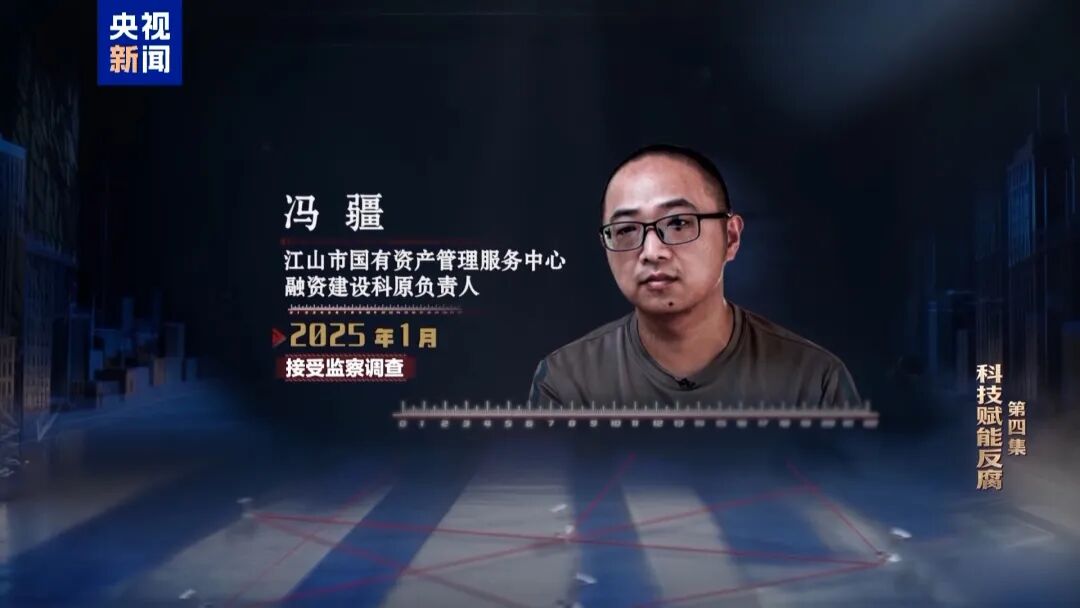
Core Viewpoint - The article discusses the implementation of a smart regulatory system in Zhejiang Province, which enhances the supervision of bidding processes and helps uncover corruption cases, exemplified by the case of Feng Jiang, a former official involved in corrupt practices [2][4][27]. Group 1: Case Analysis - The case of Feng Jiang illustrates how the smart regulatory system identified potential corruption through data analysis, revealing irregularities in the bidding process for a city lighting project [6][10]. - The system generated risk alerts based on data collisions, indicating possible collusion and unfair practices among bidders, which led to further investigations by the local disciplinary inspection and supervision authorities [12][14]. - The analysis of the bidding process showed that the winning company had no significant advantages but received disproportionately high scores, suggesting manipulation in the evaluation process [10][25]. Group 2: System Functionality - The smart regulatory system utilizes big data and AI to analyze past cases, identifying patterns of corruption and irregularities in bidding processes, thus improving the accuracy and efficiency of investigations [29][33]. - The system acts as a filter, processing data through various models to detect anomalies, which significantly enhances the ability to uncover corruption compared to traditional methods [31][35]. - Feedback from case investigations continuously improves the system, allowing it to adapt and refine its data models based on new findings and emerging corruption tactics [36][38]. Group 3: Impact on Governance - The integration of technology and regulatory frameworks has led to a more proactive approach in identifying and addressing corruption, thereby reducing the opportunities for misconduct [45][52]. - The system's ability to send automated integrity reminders to public officials at critical stages of the bidding process aims to foster a culture of compliance and ethical behavior [47][49]. - Overall, the initiative seeks to eliminate the conditions that allow corruption to thrive, thereby enhancing governance capabilities and promoting a more transparent public sector [51][52].

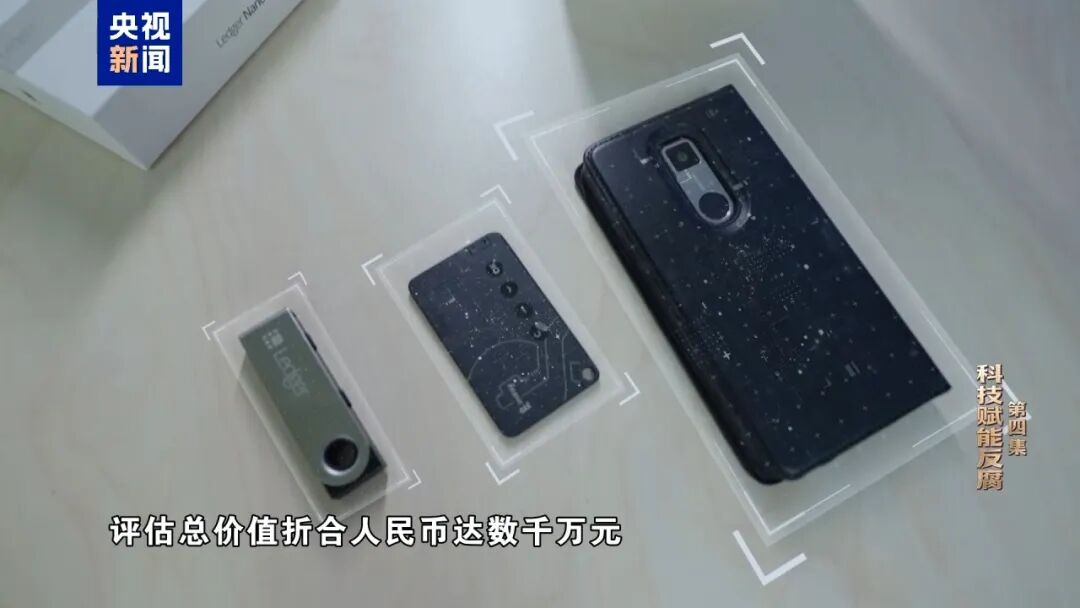
一次收受2000枚以太币,市值最高超6000万元!官方披露姚前案细节:赃款藏在U盘里……
Xin Lang Cai Jing· 2026-01-14 14:08
Group 1 - The core issue revolves around the case of Yao Qian, former director of the Technology Supervision Department of the China Securities Regulatory Commission (CSRC), who was investigated for corruption involving virtual currencies [1][7][32] - The investigation revealed that Yao Qian used hardware wallets to store virtual currencies, which were valued at several million yuan, as a means to accept bribes [3][28] - The case highlights the challenges of regulating new forms of corruption, particularly those involving virtual currencies, which are difficult to trace and monitor due to their decentralized nature [9][34] Group 2 - The investigative team utilized big data and information technology to uncover Yao Qian's illicit activities, including the discovery of "mask accounts" that he controlled, which were used to facilitate large transactions [12][37] - A significant finding was a transfer of 10 million yuan linked to a virtual currency trading account, which was traced back to Yao Qian's "mask account" and subsequently used for purchasing a villa [39][41] - The investigation also identified a key intermediary, Jiang Guoqing, who facilitated Yao Qian's corrupt transactions and was involved in the transfer of virtual currencies [16][43] Group 3 - The case of Yao Qian serves as a precedent for the anti-corruption efforts involving virtual currencies, demonstrating the importance of adapting regulatory frameworks to address new forms of corruption [21][48] - The use of blockchain technology allowed investigators to trace the flow of virtual currencies, providing a clear record of transactions that ultimately led to Yao Qian's admission of guilt [46][48] - The ongoing evolution of information technology, including artificial intelligence and big data, is crucial for enhancing the effectiveness of anti-corruption measures in the public sector [49][51]