
公权力大数据监督平台

Search documents
浙江用AI抓贪官
券商中国· 2026-01-15 06:57
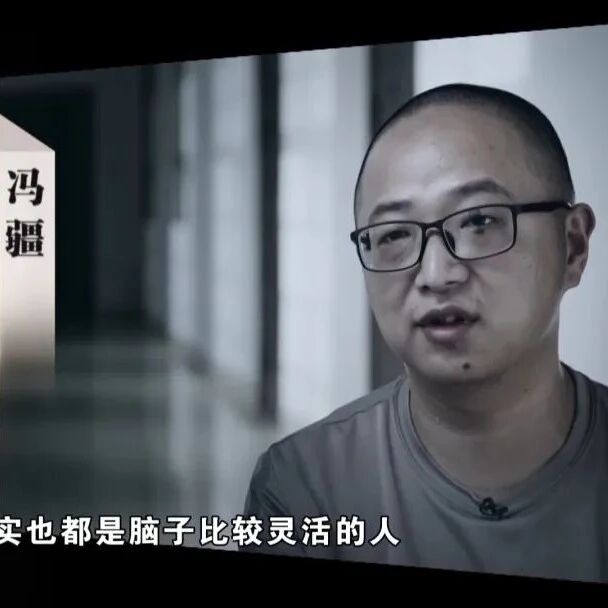
Core Viewpoint - The article discusses the implementation of a smart regulatory supervision system in Zhejiang Province, which enhances the efficiency of monitoring public power and combating corruption in the bidding process, revealing hidden corrupt practices through data analysis and AI technology [1][2]. Group 1: Smart Regulatory Supervision System - The smart regulatory supervision system aims to address corruption in the bidding process, particularly in capital-intensive areas like public projects, by providing data-driven insights and risk alerts [1][2]. - The system has successfully identified potential corruption cases, such as the suspicious bidding practices in the Jiangshan City lighting project, where AI-generated risk alerts indicated possible collusion and unfair practices among experts [1][2]. Group 2: Case Studies and Outcomes - A specific case involving Feng Jiang, a former official, illustrates how the system exposed corrupt activities, including collusion with a winning bidder who paid bribes for favorable treatment during the bidding process [2][4]. - The system's ability to analyze large datasets allows investigators to trace connections and uncover broader networks of corruption, as seen in the follow-up investigations that revealed additional issues linked to Feng Jiang [3][5]. Group 3: Impact on Corruption Detection - The introduction of the smart regulatory supervision system has transformed the approach to corruption detection, enabling authorities to proactively identify issues rather than relying solely on specific complaints [2][6]. - The system's analytical capabilities have led to more precise targeting of corrupt practices, significantly improving the effectiveness of investigations and resulting in timely disciplinary actions against offenders [5][6].

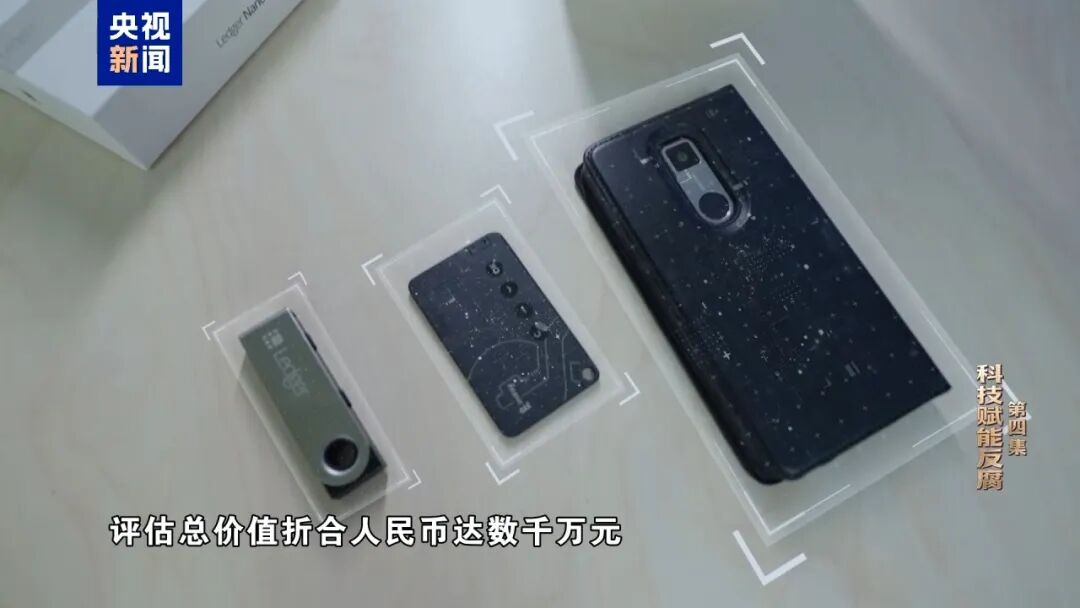
一次收受2000枚以太币,市值最高超6000万元!官方披露姚前案细节:赃款藏在U盘里……
Xin Lang Cai Jing· 2026-01-14 14:08
Group 1 - The core issue revolves around the case of Yao Qian, former director of the Technology Supervision Department of the China Securities Regulatory Commission (CSRC), who was investigated for corruption involving virtual currencies [1][7][32] - The investigation revealed that Yao Qian used hardware wallets to store virtual currencies, which were valued at several million yuan, as a means to accept bribes [3][28] - The case highlights the challenges of regulating new forms of corruption, particularly those involving virtual currencies, which are difficult to trace and monitor due to their decentralized nature [9][34] Group 2 - The investigative team utilized big data and information technology to uncover Yao Qian's illicit activities, including the discovery of "mask accounts" that he controlled, which were used to facilitate large transactions [12][37] - A significant finding was a transfer of 10 million yuan linked to a virtual currency trading account, which was traced back to Yao Qian's "mask account" and subsequently used for purchasing a villa [39][41] - The investigation also identified a key intermediary, Jiang Guoqing, who facilitated Yao Qian's corrupt transactions and was involved in the transfer of virtual currencies [16][43] Group 3 - The case of Yao Qian serves as a precedent for the anti-corruption efforts involving virtual currencies, demonstrating the importance of adapting regulatory frameworks to address new forms of corruption [21][48] - The use of blockchain technology allowed investigators to trace the flow of virtual currencies, providing a clear record of transactions that ultimately led to Yao Qian's admission of guilt [46][48] - The ongoing evolution of information technology, including artificial intelligence and big data, is crucial for enhancing the effectiveness of anti-corruption measures in the public sector [49][51]
许昆林在省纪委监委机关和省委巡视办调研时强调 提高站位勇担当善作为 纵深推进全面从严治党
Xin Lang Cai Jing· 2026-01-06 23:41
Group 1 - The core message emphasizes the importance of deepening the understanding and implementation of Xi Jinping's thoughts on party building and self-revolution, aiming to provide strong political support for the province's development during the 14th Five-Year Plan [1] - The provincial leadership is committed to advancing the comprehensive and strict governance of the party, ensuring a clean political environment through high standards and practical measures [2][3] - The focus is on utilizing big data to enhance anti-corruption efforts, improving the digital supervision system to monitor power effectively and reduce opportunities for corruption [3] Group 2 - The provincial government is actively addressing feedback from central inspections, ensuring thorough rectification of issues and enhancing the effectiveness of political supervision [4] - There is a strong emphasis on the role of disciplinary inspection and supervision agencies in maintaining a high-pressure environment for anti-corruption efforts, particularly in key sectors such as education and healthcare [3][4]
业务丛谈丨大数据信息化赋能正风反腐
Zhong Yang Ji Wei Guo Jia Jian Wei Wang Zhan· 2025-12-25 01:04
Core Insights - The article emphasizes the importance of building a comprehensive digital platform for enhancing supervision and accountability in public power, focusing on data integration and technological innovation [1][2][3][4][5] Group 1: Digital Platform Development - The establishment of an integrated digital platform is crucial for empowering disciplinary inspection and supervision work, with a focus on data collection and system integration [2] - The initiative in Zhoukou City aims to create a unified online operational system that encompasses all supervisory processes, enhancing efficiency and convenience [2] - A cross-departmental data sharing mechanism is being developed to facilitate collaboration among various regulatory bodies, ensuring a seamless flow of information [2] Group 2: Technological Empowerment - Technological innovation is identified as a key driver for improving the quality and efficiency of supervision and case handling, with a focus on specific areas such as bid rigging and fund misappropriation [3] - The implementation of intelligent supervision models aims to proactively identify risks and enhance the detection of irregularities through data analysis [3] - A system for intelligent analysis is being constructed to support case handling, providing detailed insights and relationship mapping to aid investigators [3] Group 3: Mechanism and Regulation Strengthening - The Zhoukou City disciplinary inspection commission is focusing on establishing strict operational norms and technical safeguards to prevent misuse of power and data leaks [4] - A comprehensive management system is being developed to ensure that all supervisory actions are traceable and accountable, enhancing transparency in the process [5] - The establishment of a full-process traceability system aims to ensure that every action taken in supervision is documented and can be reviewed [5] Group 4: Talent Development - The development of a skilled workforce is highlighted as essential for the success of digital initiatives in disciplinary inspection, with a focus on integrating business and technology skills [5] - Training programs are being implemented to cultivate professionals who are proficient in both supervision and information technology, addressing the gap between these areas [5] - Efforts are being made to extend digital capabilities to grassroots levels, ensuring that information technology is effectively utilized in frontline supervision [5]
山东:以大数据信息化赋能正风反腐
Zhong Yang Ji Wei Guo Jia Jian Wei Wang Zhan· 2025-12-22 04:16
Group 1 - The core viewpoint of the articles emphasizes the integration of big data technology into the supervision and enforcement processes of disciplinary inspection and supervision agencies in Shandong Province, aiming to enhance the effectiveness and efficiency of anti-corruption efforts [1][3][4] - Shandong Province's disciplinary inspection and supervision agencies have implemented a five-year plan for building a digital disciplinary inspection system, focusing on the establishment of big data resource centers and supervision platforms [1][2] - The integration of data from over 20 supervisory entities has resulted in the consolidation of 349 data items, providing robust data support for anti-corruption initiatives [1][2] Group 2 - Jinan City has developed 69 analytical models targeting 16 areas of administrative law enforcement, while Dezhou City is building data models for 2-3 selected projects to share within the city's data supervision model library [2] - The application of data models has significantly enhanced the capabilities of supervision and enforcement work, allowing for the identification of issues such as collusion in bidding processes through advanced data analysis techniques [2][3] - The provincial disciplinary inspection agencies have discovered 305 problem clues through big data analysis this year, leading to 132 cases being filed and 108 individuals receiving disciplinary actions [3] Group 3 - The public power big data supervision platform has played a crucial role in standardizing authority operations and identifying problem clues, while the big data case handling platform has expanded the toolkit for addressing new and hidden forms of corruption [3][4] - The transition from manual verification to online data analysis has resulted in the identification of 35,000 problem indicators and the conversion of over 1,100 clues, enhancing the overall effectiveness of supervision and enforcement [3] - The "Lu Law Enforcement" platform has enabled timely alerts for abnormal data, leading to a 30% reduction in the frequency of administrative inspections related to enterprises [4] Group 4 - The integration of big data has shifted the focus of supervision from post-event accountability to preemptive warnings, improving governance efficiency [4][5] - The establishment of the "Smart Integrity Hospital" regulatory platform aims to enhance integrity education and source prevention, ensuring that authority figures adhere to ethical standards [5]