
新国标电动自行车

Search documents
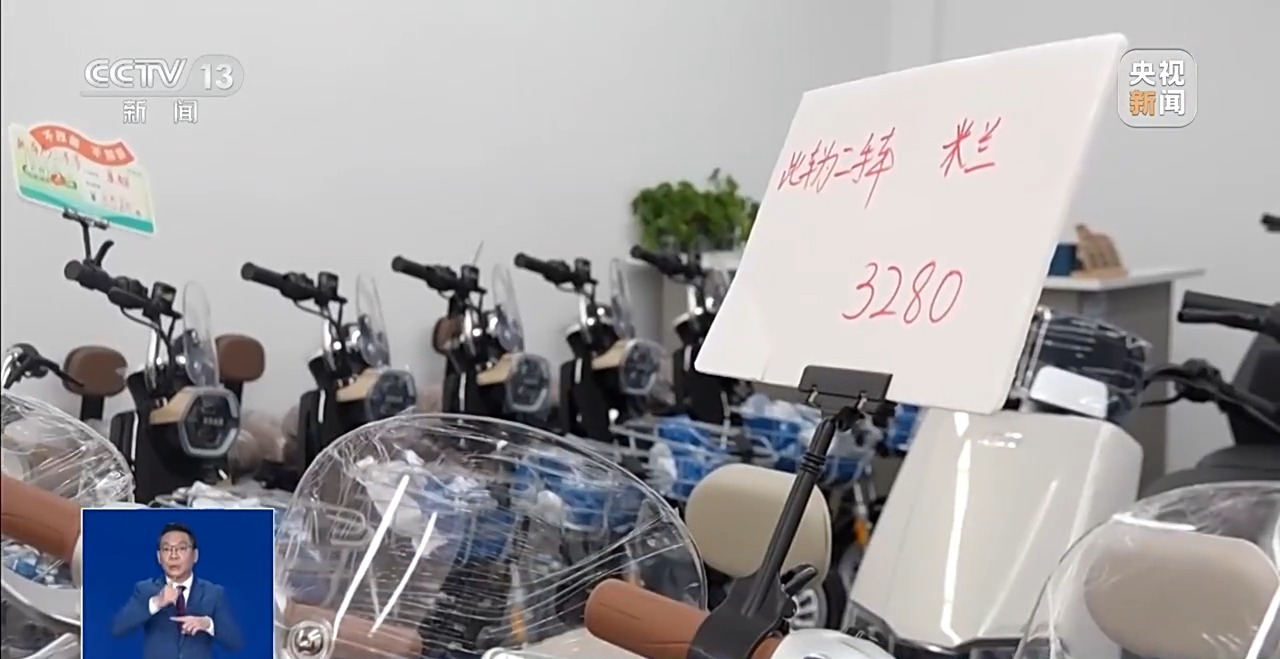
“禁售令”实施近三个月 为何多地仍能买到旧国标电动自行车
Yang Shi Xin Wen· 2026-02-26 19:27
Core Viewpoint - The article highlights the ongoing sale of old standard electric bicycles under the guise of "second-hand" vehicles, despite a ban on their sale due to new regulations. This practice raises concerns about compliance with safety standards and consumer protection [1][10]. Group 1: Sales Practices - Many retailers are selling old standard electric bicycles as "zero-kilometer second-hand vehicles," claiming they have never been used [4][5]. - Retailers have registered these bicycles before the ban took effect, allowing them to sell through a transfer process, thus circumventing the prohibition [4][6]. - In various regions, stores are holding significant inventories of old standard electric bicycles, with some shops reporting dozens to hundreds of units in stock [6]. Group 2: Regulatory Changes - The new national standard for electric bicycles includes stricter safety requirements, such as speed limitations and enhanced fire resistance measures [9]. - The new regulations stipulate that electric bicycles must not exceed a speed of 25 km/h, with automatic power cut-off for violations [9]. - The transition period for manufacturers to adapt to the new standards is set until August 31, 2025, with an additional sales grace period until November 30, 2025 [10][11]. Group 3: Industry Recommendations - Experts suggest that manufacturers should take responsibility for the disposal of old standard electric bicycles, potentially by returning them for upgrades to meet new standards [13]. - There is a call for collaborative efforts between manufacturers and retailers to address the challenges posed by the existing inventory of old standard bicycles [14].

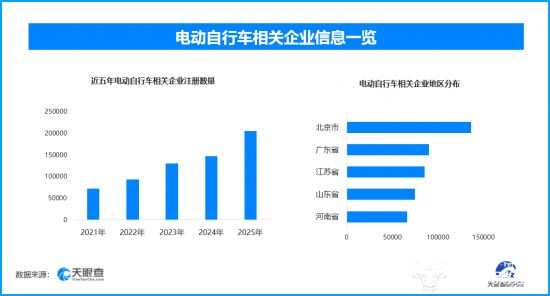
新国标电动自行车供给增强 现存相关企业超104万家
Xin Lang Cai Jing· 2026-02-08 04:03
Group 1 - The "2026 New National Standard Electric Bicycle Promotion Event" showcased 33 models from 17 companies that received CCC certification, emphasizing the importance of compliance records and product quality history for consumers, dealers, and e-commerce platforms [1] - As of now, 748 new national standard CCC certification certificates have been issued to key member companies, with a total of 1.65 million new standard models launched. The industry anticipates a peak in listings in March, with production expected to reach 7.55 million units by the end of Q1, indicating a continuous increase in supply capacity [1] Group 2 - The new national standard for electric bicycles raises safety thresholds and promotes high-quality industry development. 20 leading companies have signed a pledge to resist non-compliance behaviors, highlighting the need for rigorous internal quality management and corporate governance [2] - Data from Tianyancha indicates that there are over 1.047 million existing electric bicycle-related companies in China, with more than 205,000 new registrations in 2025. The trend shows a year-on-year increase in the number of registered companies over the past five years, peaking in 2025 [2] Group 3 - In terms of regional distribution, Beijing, Guangdong, and Jiangsu provinces have the highest number of electric bicycle-related companies, with over 136,000, 90,000, and 85,000 companies respectively [4]
行业供给能力持续增强
Jing Ji Ri Bao· 2026-02-03 09:15
Core Insights - The new national standard for electric bicycles has been fully implemented, with 33 models from 17 leading brands showcased, meeting diverse consumer needs [1] - The industry is experiencing a significant increase in compliance and production capacity, with 748 CCC certifications issued and 1.65 million new standard models already in the market [2][3] - The electric bicycle sector is projected to produce 55 million units by 2025, with a year-on-year growth of 29%, contributing significantly to the consumer goods sector [3] Group 1 - The event highlighted the launch of new models that comply with safety requirements, including speed limits and fire resistance, while also focusing on smart technology and user experience [1] - Companies are actively upgrading production lines to enhance compliance and are committed to promoting safety and user experience as core responsibilities [1][3] - The industry is transitioning from merely selling products to providing comprehensive safety solutions for consumers [4] Group 2 - The new national standard imposes stricter technical requirements in key areas such as fire resistance and braking performance, raising safety standards across the industry [3][5] - A public commitment was made by 20 key electric bicycle companies to resist non-compliance and uphold integrity in operations [4] - The Ministry of Industry and Information Technology emphasizes the importance of quality and safety as essential for business survival, aiming to prevent non-compliant vehicles from entering the market [5]
行业供给能力持续增强——多款新国标电动自行车集中亮相
Jing Ji Ri Bao· 2026-02-02 22:08
Core Insights - The new national standard for electric bicycles has been fully implemented, with 33 models from 17 leading brands showcased, meeting diverse consumer needs [1][2] - The industry is experiencing significant growth, with 165 million new standard models launched and an expected production of 7.55 million units by the end of Q1 2025 [2] - Safety and compliance are emphasized as critical for the industry's survival, with stricter technical requirements introduced in the new standard [3] Group 1 - The event in Beijing highlighted the launch of new national standard electric bicycles, featuring diverse designs and advanced technologies from major brands like Yadea, Aima, and Niu [1] - The showcased models adhere to safety requirements such as speed limits and fire resistance, while also focusing on smart technology and user experience [1][3] - Companies are accelerating the production of compliant products and promoting safety and experience as key responsibilities [1] Group 2 - As of now, 31 key member companies have obtained 748 CCC certification certificates for the new standard electric bicycles, with 276 models available for consumers [2] - The electric bicycle industry is projected to produce 54.9 million units by 2025, reflecting a 29% year-on-year growth, contributing significantly to the consumer goods sector [2] - A public commitment was made by 20 leading companies to resist non-compliance and uphold safety standards, emphasizing the importance of quality and consumer trust [3]
多款新国标电动自行车集中亮相
Jing Ji Ri Bao· 2026-02-02 22:07
Group 1 - The new national standard for electric bicycles has been fully implemented, with 33 models from 17 leading brands showcased, meeting diverse consumer needs [1] - The China Bicycle Association reported that 31 key member companies have obtained 748 new national standard CCC certification certificates, with a total of 1.65 million new standard models released to the market [2] - The electric bicycle industry is projected to produce 7.55 million new standard vehicles by the end of Q1 this year, indicating a continuous increase in supply capacity [2] Group 2 - Safety is emphasized as a non-negotiable baseline for the electric bicycle industry, with stricter technical requirements introduced in areas such as fire resistance and braking performance [3] - A public commitment was made by 20 key electric bicycle companies to resist non-compliance behaviors, ensuring adherence to standards and promoting consumer safety [3] - The Ministry of Industry and Information Technology highlighted the importance of quality and safety as vital for business survival, aiming to prevent non-compliant vehicles from entering the market [3]
17家电动自行车品牌携33款新国标车型集中亮相
Zhong Guo Jing Ji Wang· 2026-02-01 05:42
Group 1 - The event "2026 New National Standard Electric Bicycle Promotion Activity" was held in Beijing, focusing on the theme of "New Standards, New Models, New Consumption" to promote the implementation of the new electric bicycle safety technical specifications (GB17761—2024) [1] - 17 leading companies in the industry showcased 33 models of new national standard electric bicycles that have obtained CCC certification, adhering to safety requirements such as speed limits, weight limits, and fire resistance while achieving breakthroughs in intelligence, lightweight design, long endurance, and comfort [1] - Multiple companies have completed production line upgrades and are accelerating the expansion of compliant product capacity, shifting consumer focus from extreme performance to "safety and experience" [1] Group 2 - The China Bicycle Association is promoting a transition from "capacity switching" to "quality upgrading" in the industry, with 31 key member companies having obtained 748 new national standard CCC certificates and over 1.65 million new models launched, enhancing industry supply capacity [1] - 20 backbone electric bicycle companies have released a "Convention to Resist Non-compliant Industry Behavior," committing to integrity in operations, strict adherence to standards, refusal of illegal modifications, and proactive acceptance of social supervision [1] - A representative from the Ministry of Industry and Information Technology emphasized the importance of quality and safety as a lifeline for enterprises, aiming to prevent non-compliant and modified vehicles from entering the market to mitigate fire and traffic safety risks [2]
2026新国标电动自行车投放超165万辆
Xin Hua She· 2026-01-29 14:46
Core Viewpoint - The Chinese bicycle industry is experiencing significant growth in the electric bicycle sector, with a substantial number of new models being introduced and certified under the new national standards [1] Group 1: Industry Developments - As of now, 31 key member enterprises of the China Bicycle Association have obtained 748 new national standard CCC certificates for electric bicycles [1] - More than 1.65 million new electric bicycle models have been launched into the market [1] - Currently, there are 276 new models available for consumers [1]
北京市平谷区平谷镇市场监管所开展新国标电动自行车强制性产品认证专项监督检查
Xin Lang Cai Jing· 2026-01-20 03:29
Core Viewpoint - The article discusses the implementation of mandatory product certification inspections for electric bicycles in Beijing's Pinggu District, focusing on compliance with the new national standard (GB17761-2024) [1] Group 1: Compliance Checks - The inspections are centered on verifying whether electric bicycles for sale have obtained the required CCC certification and comply with the new national standard [1] - The compliance checks include ensuring that the bicycles meet the specifications outlined in the CCC certification [1] Group 2: Consistency Checks - The inspections involve verifying that the actual parameters of the bicycles, such as appearance, battery, and charger, match the information provided in the CCC certification [1] - The enforcement of the "one vehicle, one battery, one charger, one code" configuration is also a focus of the inspections [1] Group 3: Business Conduct Checks - The inspections assess whether there are any sales of electric bicycles with speed-limiting modifications, illegal alterations, or assembly [1] - The checks also evaluate the adherence to inventory verification procedures and the establishment of sales records [1]
新国标落地 中国自行车协会呼吁企业加快转型抢占先机
Zhong Guo Chan Ye Jing Ji Xin Xi Wang· 2026-01-12 01:10
Core Viewpoint - The electric bicycle industry is facing challenges due to the implementation of the new national standard (GB 17761-2024) and seasonal market fluctuations, but there are opportunities for growth through innovation and market expansion [1][2][3] Group 1: Market Demand and Consumer Behavior - Winter is traditionally a slow season for electric bicycle sales, leading to a decrease in market demand [1] - Consumer interest in new standard models is increasing, with new products being stocked in major sales outlets and attracting consumer inquiries [1] Group 2: Industry Challenges - The industry faces four main challenges: 1. Long and costly mold development cycles for magnesium-aluminum alloy die-casting parts, affecting production efficiency and cost control [2] 2. Rising material costs due to the new standard requiring some plastic parts to be replaced with metal, along with the addition of new components like BeiDou positioning systems [2] 3. Challenges in applying new composite materials, such as carbon fiber, which require careful balancing of plastic components for safety and practicality [2] 4. Seasonal market fluctuations, particularly during winter, which impact sales growth of new standard products [2] Group 3: Recommendations for Industry Improvement - Companies are encouraged to recognize the importance of stable production and supply under the new standards, increase the launch of new products, and ensure market supply [3] - To address mold development issues, companies should optimize design plans and improve the use ratio of magnesium-aluminum parts, sheet metal, and plastics [3] - There is a need for increased research and testing in new technologies and materials to overcome production difficulties related to the new standard [3] - The industry should seek policy support and enhance collaboration between upstream and downstream sectors to resolve supply chain bottlenecks [3] - The promotion of eco-friendly transportation and urbanization presents broader market opportunities for the electric bicycle industry [3]
旧国标电动自行车何去何从
Bei Jing Ri Bao Ke Hu Duan· 2026-01-06 23:13
Core Viewpoint - The new mandatory national standard for electric bicycles (GB 17761-2024) will take effect on December 1, 2025, leading to the complete cessation of sales for electric bicycles that do not comply with the new standard [1] Group 1: New National Standard Implementation - All electric bicycles sold after December 1, 2025, must meet the new national standard, which includes enhanced safety features and performance upgrades [1][3] - The new standard aims to eliminate fire hazards and reduce traffic accident risks by limiting motor speed and improving braking distances [4][5] - The introduction of features like Beidou navigation and real-time safety monitoring enhances user experience and vehicle safety [5] Group 2: Market Response and Transition - As of late November 2025, stores reported high sales of new standard electric bicycles, with some selling over 40 units in the last three days of the transition period [4] - Some retailers are attempting to sell unsold old standard bicycles as "zero-kilometer second-hand vehicles" by transferring ownership before the new standard takes effect [6][7] Group 3: Legal and Regulatory Considerations - The sale of "zero-kilometer second-hand vehicles" is legally permissible if the vehicle was registered before the new standard's implementation [8] - Manufacturers and retailers are advised to responsibly manage old standard bicycles through options like factory returns, recycling, or export [9] - Existing old standard bicycles can continue to be used and serviced, with manufacturers required to provide maintenance support [11] Group 4: Future Directions and Recommendations - There is a need for enhanced promotion of the new standard to ensure public awareness of its safety benefits [13] - Manufacturers should focus on optimizing product designs to meet diverse consumer needs while adhering to safety regulations [13] - Regulatory bodies must monitor the market to prevent price gouging and ensure compliance with the new standards [13]