
电动自行车新国标

Search documents
315再曝电自行业乱象:“空牌”横生、时速失控
高工锂电· 2026-03-16 12:26
Core Viewpoint - The article highlights the ongoing issues in the electric bicycle industry, particularly focusing on the irregularities following the introduction of new national standards, including illegal practices in the rental market and the accumulation of licenses for non-compliant vehicles [3][4]. Group 1: Industry Issues - The 315 Gala has exposed industry chaos for two consecutive years, with last year's focus on the gray market for electric bicycle battery modifications and this year's emphasis on violations related to the new national standards [3]. - Some dealers applied for electric bicycle licenses before the new standards were officially implemented, allowing them to circumvent regulatory measures by stockpiling licenses for "ghost vehicles" [3]. - The new standards prohibit the production of old standard electric bicycles after September 1, 2025, yet demand for higher-speed old standard models has led to significant stockpiling of licenses by dealers [3]. Group 2: Market Dynamics - The core controversy revolves around battery modifications, with the new standards mandating a uniform voltage of 48V and prohibiting mixed installations, leading to a rise in demand for higher voltage and capacity electric bicycles [5]. - The electric bicycle market is characterized by intense price wars, with dealers struggling to maintain profitability, resulting in a shift towards rental and modification business models [5]. - The saturation of the electric bicycle market has made rental services an attractive option for dealers, as they provide a recurring revenue stream compared to one-time vehicle sales [8]. Group 3: User Demands and Regulatory Suggestions - Delivery riders, who constitute over 40% of the electric bicycle rental market, have specific needs for speed and range, often leading to the acquisition of licenses for over-speeding vehicles [8]. - There is a proposal to differentiate the management of electric motorcycles from traditional fuel motorcycles, which could provide delivery riders with better transportation options [9]. - The cost structure of electric motorcycles is heavily influenced by battery prices, with companies like Xingheng Power aiming to balance safety, performance, and cost in their battery offerings [10]. Group 4: Future Directions - The article suggests that the regulation of the lightweight power market should involve both strict limitations on certain applications while also expanding road rights in other markets to meet diverse user needs [11].


哈啰租电动车遭315晚会点名,最新回应
21世纪经济报道· 2026-03-15 15:03
Core Viewpoint - The article highlights the alarming trend of e-commerce live streamers promoting electric bicycles that exceed national safety standards, with some models capable of reaching speeds up to 80 km/h, significantly higher than the legal limit of 25 km/h set by upcoming regulations [3][5]. Group 1: Regulatory Violations - Multiple e-commerce streamers openly advertise electric bicycles that violate national regulations, claiming speeds of 40 to 60 km/h [3]. - The upcoming national standard for electric bicycles, effective in 2025, stipulates a maximum speed of 25 km/h, a battery voltage not exceeding 48 volts, and a motor output power of 400 watts or less [3]. - Data from the Ministry of Public Security indicates that electric bicycles account for approximately 10% of traffic accidents in urban areas, primarily due to violations of speed limits [3]. Group 2: Industry Practices - Investigations reveal that not only individual rental shops but also well-known brands like Hello Bike are involved in renting out non-compliant electric bicycles, with some models reportedly reaching speeds of 75 km/h [3][5]. - A manager from Hello Bike disclosed that some dealers applied for licenses using certificates for bicycles that had not yet been produced, allowing them to circumvent new regulations [5]. - Another company, Electric Donkey, reportedly distributes electric motorcycles labeled as electric bicycles, with licenses that can be easily purchased [5]. Group 3: Industry Statistics - Over 32,000 electric bicycle-related companies have experienced operational anomalies [6]. - As of now, there are more than 926,000 electric bicycle-related enterprises in China, with 1.38% having faced legal disputes and 3.52% having operational irregularities [9].
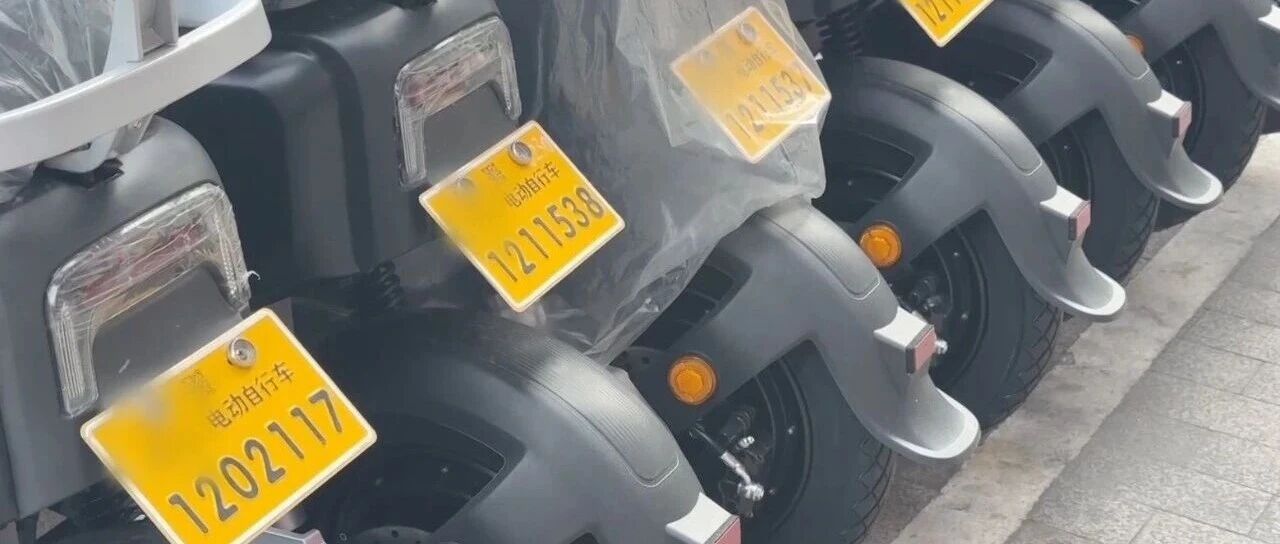
315晚会曝光:哈啰租电动车、电驴哥等违反国标,解除限速、造假套牌上路
YOUNG财经 漾财经· 2026-03-15 14:31
Core Viewpoint - The article highlights the widespread violation of national standards by electric bicycle rental companies, particularly in terms of speed limits and safety regulations, posing significant risks to road safety [2][3][5][6]. Group 1: National Standards and Regulations - The latest national standard for electric bicycles, effective in 2025, stipulates a maximum speed of 25 km/h, a battery voltage not exceeding 48 volts, and a motor output power of 400 watts or less [3][36]. - Electric bicycles are involved in approximately 10% of urban traffic accidents, indicating a significant safety concern linked to violations of speed limits [3]. Group 2: Violations by Rental Companies - Many rental companies, including prominent brands like 哈啰租电动车 (Hello Rent Electric Bike) and 电驴哥 (Electric Donkey), offer electric bicycles that exceed national speed limits, with some models reportedly reaching speeds of 60-80 km/h [10][16][20][28]. - Rental companies often misrepresent the speed capabilities of their bicycles, with speedometers showing 25 km/h while actual speeds are much higher, a tactic used to evade regulatory scrutiny [12][14]. Group 3: Regulatory Evasion Tactics - Companies have developed methods to register non-compliant electric bicycles as compliant by using pre-registered licenses and certificates, allowing them to bypass new regulations [45][48]. - Some companies openly admit to selling electric motorcycle models under the guise of electric bicycles, utilizing fake or improperly registered licenses to facilitate rentals [52][55]. Group 4: Battery Specifications - Many rental bicycles are equipped with batteries that exceed the legal limit of 48 volts, with some reported to have 60 volts, further violating safety standards [58][60][62].
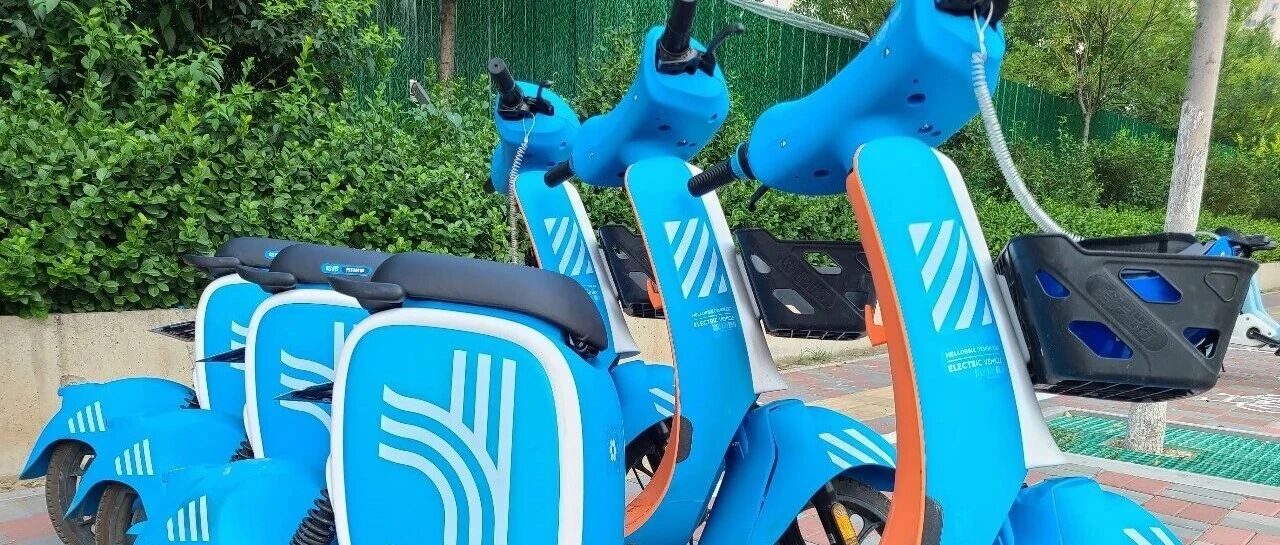
租赁电动自行车“狂飙”!“3·15”点名哈啰租电动车、电驴哥
中国能源报· 2026-03-15 14:08
Core Viewpoint - The article highlights the rampant violation of national regulations by e-commerce live streamers promoting electric bicycles that exceed safety standards, posing significant risks to road safety [1][3][5]. Group 1: Regulatory Violations - E-commerce live streamers are openly promoting electric bicycles that exceed national safety standards, including speed limits and battery specifications [1][3]. - The 2025 national standard specifies that electric bicycles should not exceed a speed of 25 km/h, a battery voltage of 48 volts, and a motor output of 400 watts [1][3]. - Data from the Ministry of Public Security indicates that electric bicycles account for approximately 10% of urban traffic accidents, with many incidents attributed to speeding violations [1]. Group 2: Rental Practices - Investigations reveal that rental shops, such as "Black Knight Tribe," offer electric bicycles capable of speeds up to 60-70 km/h, significantly exceeding legal limits [8][10]. - Rental shops employ tactics to evade regulations, such as displaying speedometers that falsely indicate a maximum speed of 25 km/h while the actual speed is much higher [11][15]. - The practice of renting out non-compliant electric bicycles is widespread, with even well-known brands like "Hello Rent" engaging in similar violations [17][19]. Group 3: Licensing and Compliance Issues - Many rental bicycles are registered under electric bicycle licenses, allowing them to operate without requiring a driver's license, thus reducing regulatory scrutiny [28][31]. - The article discusses how companies like "Hello Rent" manage to register non-compliant bicycles by obtaining licenses before the new regulations were implemented [42][45]. - Some companies, such as "Electric Donkey," reportedly sell electric bicycle licenses directly, allowing them to bypass legal requirements [51][52]. Group 4: Battery Specifications - The article notes that many rental bicycles are equipped with batteries exceeding the legal limit of 48 volts, further violating national safety standards [56][57]. - Investigations found that rental shops frequently offer bicycles with 60-volt batteries, which are not compliant with the new regulations [59][60].

租赁电动自行车“狂飙”!“3·15”点名哈啰租电动车、电驴哥
新华网财经· 2026-03-15 13:48
Core Viewpoint - The article highlights the rampant violation of national regulations by e-commerce live streamers promoting electric bicycles that exceed safety standards, posing significant risks to road safety [1][3][5]. Group 1: Regulatory Violations - E-commerce live streamers are openly promoting electric bicycles that exceed national safety standards, including speed limits and battery specifications [1][3]. - The 2025 national standard specifies that the maximum speed should not exceed 25 km/h, battery voltage should not exceed 48 volts, and motor output should be less than or equal to 400 watts [1]. - Electric bicycles are involved in approximately 10% of urban traffic accidents, indicating a direct correlation between speed violations and traffic incidents [1]. Group 2: Rental Practices - The investigation revealed that rental shops, such as "Black Knight Tribe," offer electric bicycles capable of speeds up to 60-70 km/h, significantly exceeding legal limits [7][17]. - Rental shops employ deceptive practices, such as displaying speedometers that show 25 km/h while the actual speed can reach 44 km/h or more [9][11]. - Major rental brands like "Hello Rent" also admit to offering electric bicycles that can reach speeds of 50-75 km/h, violating national standards [17][20]. Group 3: Licensing and Compliance Issues - Many rental bicycles are registered as electric bicycles, allowing them to bypass the need for a driver's license and reducing regulatory scrutiny [26][29]. - The article discusses how companies like "Hello Rent" manage to register non-compliant vehicles by preemptively obtaining licenses before the new regulations took effect [43][49]. - Some companies openly admit to selling electric motorcycle models under the guise of electric bicycles, with licenses that are either pre-registered or purchased cheaply [49][51]. Group 4: Battery Specifications - The article notes that many rental electric bicycles are equipped with batteries exceeding the legal limit of 48 volts, with some reported at 60 volts [55][56]. - This non-compliance with battery specifications further exacerbates the safety risks associated with these vehicles [55].
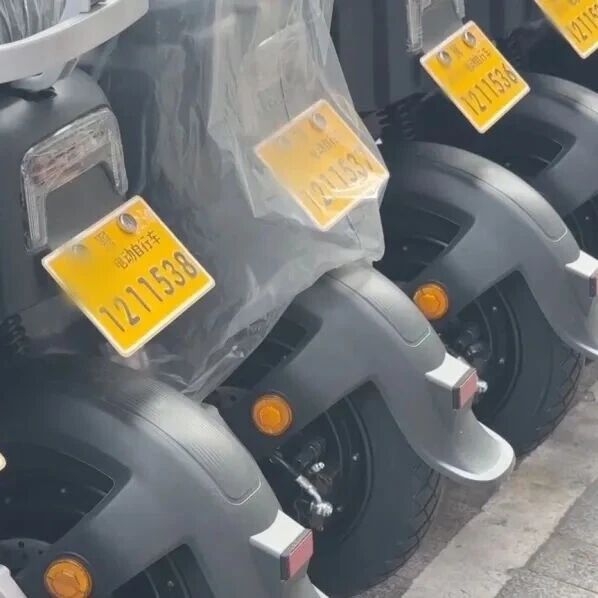
租赁电动自行车“狂飙”,哈啰租电动车等被点名
财联社· 2026-03-15 13:25
Group 1 - The new national standard for electric bicycles, effective in 2025, stipulates a maximum speed of 25 km/h, a battery voltage not exceeding 48 volts, and a motor output power of 400 watts or less [1] - Electric bicycles account for approximately 10% of total traffic accidents in urban areas, with one major cause being the violation of speed limits [1] - E-commerce influencers are promoting electric bicycles that exceed national standards, with some models reaching speeds of up to 80 km/h [1] Group 2 - Haier Rent Electric Bicycles, a leading brand in the rental industry, has over 5,000 stores in more than 100 cities across the country, with some bicycles capable of reaching speeds of 75 km/h [3] - Some electric bicycle dealers have circumvented the new standards by applying for licenses using certificates for vehicles that have not yet been produced, allowing them to produce vehicles that comply with old standards [5] - A company named "Electric Donkey Brother" reportedly distributes electric motorcycles labeled as electric bicycles, with the licenses being easily purchased at a low cost [5]
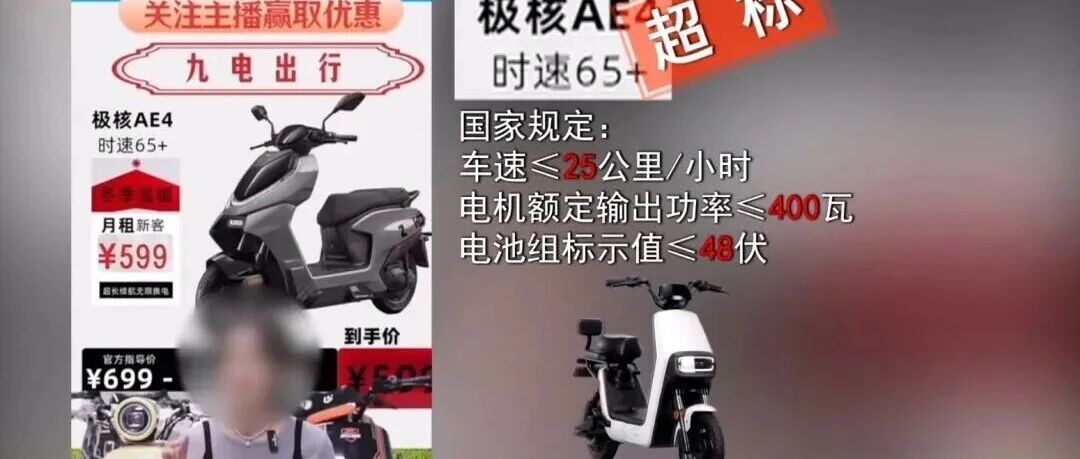
“禁售令”实施近三个月 为何多地仍能买到旧国标电动自行车
Yang Shi Xin Wen· 2026-02-26 19:27
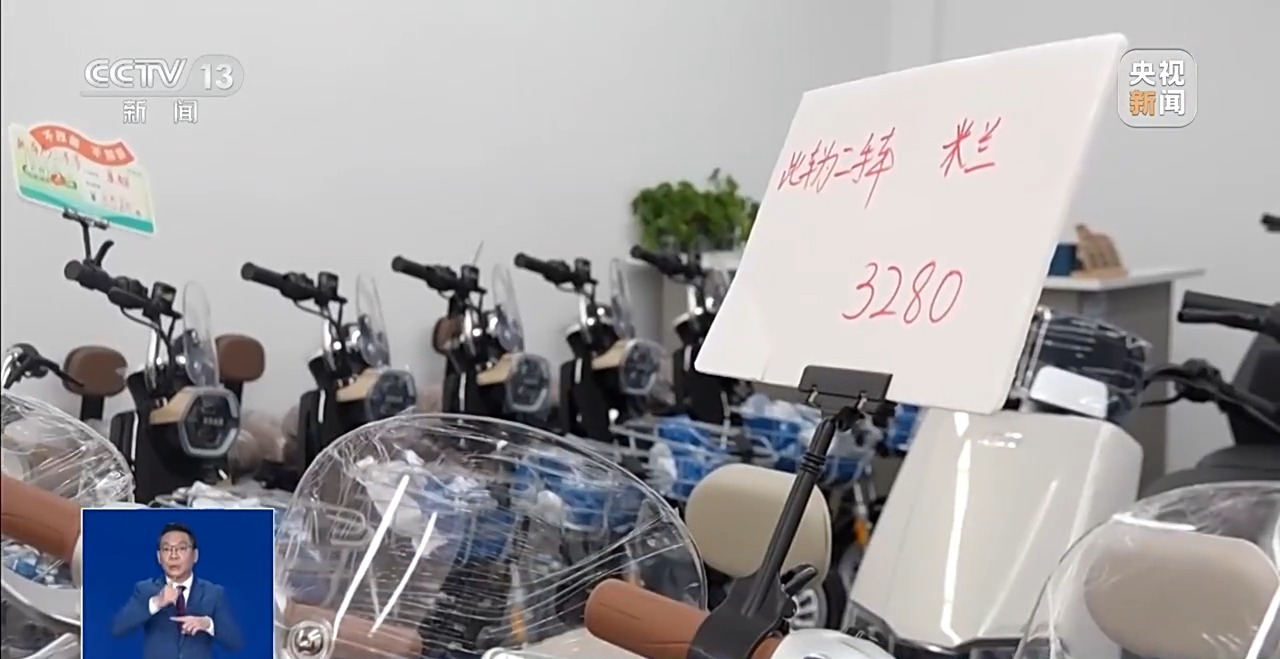
Core Viewpoint - The article highlights the ongoing sale of old standard electric bicycles under the guise of "second-hand" vehicles, despite a ban on their sale due to new regulations. This practice raises concerns about compliance with safety standards and consumer protection [1][10]. Group 1: Sales Practices - Many retailers are selling old standard electric bicycles as "zero-kilometer second-hand vehicles," claiming they have never been used [4][5]. - Retailers have registered these bicycles before the ban took effect, allowing them to sell through a transfer process, thus circumventing the prohibition [4][6]. - In various regions, stores are holding significant inventories of old standard electric bicycles, with some shops reporting dozens to hundreds of units in stock [6]. Group 2: Regulatory Changes - The new national standard for electric bicycles includes stricter safety requirements, such as speed limitations and enhanced fire resistance measures [9]. - The new regulations stipulate that electric bicycles must not exceed a speed of 25 km/h, with automatic power cut-off for violations [9]. - The transition period for manufacturers to adapt to the new standards is set until August 31, 2025, with an additional sales grace period until November 30, 2025 [10][11]. Group 3: Industry Recommendations - Experts suggest that manufacturers should take responsibility for the disposal of old standard electric bicycles, potentially by returning them for upgrades to meet new standards [13]. - There is a call for collaborative efforts between manufacturers and retailers to address the challenges posed by the existing inventory of old standard bicycles [14].
中工车评 | 新国标正在重塑一个更安全的出行产业
Xin Lang Cai Jing· 2026-02-11 00:12
Core Insights - The new national standard for electric bicycles, implemented on December 1, 2025, marks a significant shift towards safety and industry restructuring, addressing the rising safety concerns and accidents associated with electric bicycles [1][2] Industry Impact - The new standard represents a fundamental change in the development logic for companies, moving away from a competition model that sacrifices safety for performance and cost advantages [2] - The upgrade in standards has led to increased costs for materials and components, but it also acts as a driving force for industry transformation [2] - Leading companies like Yadea and Aima are proactively adapting by optimizing production lines and supply chains to manage new costs, while tech-oriented firms like Niu and Tailg are highlighting safety features as new selling points [2] - Data from the China Bicycle Association indicates that hundreds of new CCC certificates have been issued, with over one million compliant new vehicles launched in the market [2] Market Dynamics - Initial consumer reactions to the new standard included concerns about reduced speed, inconvenience in carrying passengers, and price increases, reflecting a lag in consumer understanding of the value of safety [3] - The rapid increase in electric bicycle ownership has expanded usage scenarios, necessitating ongoing improvements in classification management and road rights allocation [3] - The new standard aims to integrate the vast market into a more regulated and controllable development path, emphasizing the need for both production standards and refined management at the usage end [3] Governance and Collaboration - The success of the new standard relies on a collaborative governance framework involving enterprises, users, and society, ensuring that safety standards are effectively implemented [4] - Continuous improvement of the supporting system is essential, including the establishment of charging facilities and rational management of vehicle usage [4] - A sustainable competitive advantage for compliant vehicles must be established in terms of safety, convenience, and cost-effectiveness to achieve a virtuous cycle in the electric bicycle ecosystem [4] Future Outlook - The implementation of the new standard is a reflection of the manufacturing industry's move towards higher safety standards and responsible development models, as well as a significant practice in urban traffic governance [5] - Safety should be the primary driving force for the future of electric bicycles, balancing technological advancement with social demand in modern urban governance [5]
新国标落地急需产品制造新逻辑
Xin Lang Cai Jing· 2026-02-09 22:25
Core Viewpoint - The new national standard for electric bicycles, described as the "strictest ever," will be fully implemented by December 2025, aiming to reduce fire and traffic accident risks while enhancing product standardization and practicality [1] Group 1: Safety Standards - The new standard includes systematic upgrades in safety, such as a maximum design speed of 25 kilometers per hour and a limit on plastic component weight to no more than 5.5% [1] - Measures like "one vehicle, one pool, one charge, one code" are introduced to strengthen anti-tampering requirements, addressing long-standing issues of illegal modifications and fire hazards [1] - The standard sets a safety baseline but does not restrict product forms, allowing companies to optimize technology and design to meet diverse consumer needs [1] Group 2: Market Response and Consumer Focus - Companies need to continuously focus on how to better meet usage scenarios within the compliance framework, as the new standard does not prohibit features like rear racks, child seats, or mirrors [2] - Market feedback indicates that consumers are not opposed to changes brought by the new standard but are more concerned with usability and value [2] - Companies are encouraged to clarify product structures and pricing logic to help consumers understand the value behind product upgrades, optimizing product versions and launch schedules based on specific usage feedback [2] Group 3: Industry Development and Competitive Advantage - The new standard points towards a more standardized and intelligent development of electric bicycles, with the real differentiation lying in system design capabilities, supply chain collaboration, and understanding of user needs [2] - Companies that upgrade their capabilities early will maintain a competitive edge, allowing them to progress more steadily and further in the market [2]
电动自行车行业迎来新国标时代 高质量发展成未来主旋律
Xiao Fei Ri Bao Wang· 2026-02-06 00:46
Core Viewpoint - The electric bicycle industry is entering a new era with the implementation of the new national standard, emphasizing high-quality development as the main theme for the future [2][3][8] Group 1: Industry Statistics and Developments - As of now, 31 key member companies of the China Bicycle Association have obtained 748 new national standard CCC certificates, with over 165 million new models launched [2] - The new standard, effective from September 1, 2025, aims to enhance product quality and safety, with an expected production of 54.9 million electric bicycles in 2025, representing a 29% year-on-year increase [3] - By the end of Q1 2026, the production of new standard electric bicycles is projected to reach 7.55 million units, indicating a continuous increase in industry supply capacity [3] Group 2: Market Challenges and Consumer Sentiment - Despite positive industry performance, the implementation of the new standard has led to some market pressures, with consumers expressing concerns about the price, speed, and practicality of new products [4] - The industry faces the challenge of overcoming consumer hesitation and shifting focus from mere compliance to enhancing product competitiveness and innovation [5] Group 3: Industry Self-Regulation and Collaboration - The industry emphasizes the importance of self-regulation and collaboration, with companies committing to a code of conduct to resist non-compliant behaviors [6] - The Ministry of Industry and Information Technology stresses the need for quality and safety as a lifeline for businesses, aiming to eliminate substandard and modified vehicles from the market [6] Group 4: Future Directions and Policy Support - The future direction of the electric bicycle industry is centered on safety, compliance, and innovation, contributing to green transformation and low-carbon urban development [8] - The China Bicycle Association will work with relevant government departments to implement policies that optimize product structure and enhance quality, ensuring safer and higher-quality travel solutions for consumers [8][9]