
旧国标电动自行车

Search documents
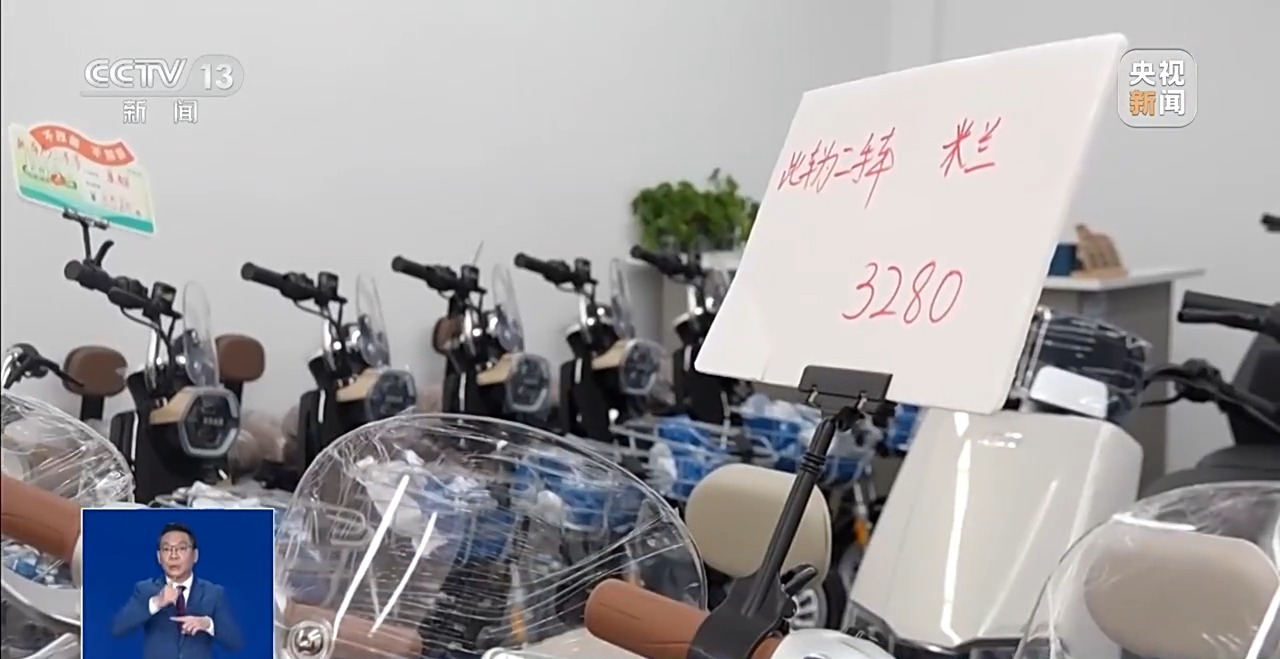
“禁售令”实施近三个月 为何多地仍能买到旧国标电动自行车
Yang Shi Xin Wen· 2026-02-26 19:27
Core Viewpoint - The article highlights the ongoing sale of old standard electric bicycles under the guise of "second-hand" vehicles, despite a ban on their sale due to new regulations. This practice raises concerns about compliance with safety standards and consumer protection [1][10]. Group 1: Sales Practices - Many retailers are selling old standard electric bicycles as "zero-kilometer second-hand vehicles," claiming they have never been used [4][5]. - Retailers have registered these bicycles before the ban took effect, allowing them to sell through a transfer process, thus circumventing the prohibition [4][6]. - In various regions, stores are holding significant inventories of old standard electric bicycles, with some shops reporting dozens to hundreds of units in stock [6]. Group 2: Regulatory Changes - The new national standard for electric bicycles includes stricter safety requirements, such as speed limitations and enhanced fire resistance measures [9]. - The new regulations stipulate that electric bicycles must not exceed a speed of 25 km/h, with automatic power cut-off for violations [9]. - The transition period for manufacturers to adapt to the new standards is set until August 31, 2025, with an additional sales grace period until November 30, 2025 [10][11]. Group 3: Industry Recommendations - Experts suggest that manufacturers should take responsibility for the disposal of old standard electric bicycles, potentially by returning them for upgrades to meet new standards [13]. - There is a call for collaborative efforts between manufacturers and retailers to address the challenges posed by the existing inventory of old standard bicycles [14].

旧国标电动自行车何去何从
Bei Jing Ri Bao Ke Hu Duan· 2026-01-06 23:13
Core Viewpoint - The new mandatory national standard for electric bicycles (GB 17761-2024) will take effect on December 1, 2025, leading to the complete cessation of sales for electric bicycles that do not comply with the new standard [1] Group 1: New National Standard Implementation - All electric bicycles sold after December 1, 2025, must meet the new national standard, which includes enhanced safety features and performance upgrades [1][3] - The new standard aims to eliminate fire hazards and reduce traffic accident risks by limiting motor speed and improving braking distances [4][5] - The introduction of features like Beidou navigation and real-time safety monitoring enhances user experience and vehicle safety [5] Group 2: Market Response and Transition - As of late November 2025, stores reported high sales of new standard electric bicycles, with some selling over 40 units in the last three days of the transition period [4] - Some retailers are attempting to sell unsold old standard bicycles as "zero-kilometer second-hand vehicles" by transferring ownership before the new standard takes effect [6][7] Group 3: Legal and Regulatory Considerations - The sale of "zero-kilometer second-hand vehicles" is legally permissible if the vehicle was registered before the new standard's implementation [8] - Manufacturers and retailers are advised to responsibly manage old standard bicycles through options like factory returns, recycling, or export [9] - Existing old standard bicycles can continue to be used and serviced, with manufacturers required to provide maintenance support [11] Group 4: Future Directions and Recommendations - There is a need for enhanced promotion of the new standard to ensure public awareness of its safety benefits [13] - Manufacturers should focus on optimizing product designs to meet diverse consumer needs while adhering to safety regulations [13] - Regulatory bodies must monitor the market to prevent price gouging and ensure compliance with the new standards [13]
新国标落地一个月,南京电动自行车市场仍在磨合期
Yang Zi Wan Bao Wang· 2025-12-30 15:18
Group 1 - The newly revised mandatory national standard "Safety Technical Specifications for Electric Bicycles" will be officially implemented on December 1, 2025, leading to a complete halt in the sale and registration of old standard electric bicycles, with new standard models gradually entering the market [1] - Sales of electric bicycles have significantly declined, contrasting sharply with the previous month when there was a rush to purchase old standard models, indicating that the industry is currently in a transitional phase [1] - The new standard electric bicycles have a maximum speed limit of 25 km/h and require a battery voltage of less than 48 volts, with a range of approximately 60 km, which may not meet the practical needs of users accustomed to the old standard [2][5] Group 2 - Some retailers still have old standard inventory available for sale, with prices reportedly increasing by at least 300 yuan compared to previous prices, despite the inability to register new purchases [3] - The new standard models currently available are limited in variety, with retailers indicating that more models will be introduced soon, but no promotional offers are currently available [4] - The market for electric bicycles is undergoing adjustments, with both production and sales needing to adapt to new consumer demands and safety regulations [5] Group 3 - Electric assist bicycles are gaining popularity, as they do not require registration and offer a hybrid option for users, combining traditional pedaling with electric assistance [6][7] - Retailers are advising customers to inquire about the certification for registration when purchasing electric assist bicycles, as those with electric motors and batteries are subject to registration requirements [7]
新国标落地后,小电驴店主“过冬”
Feng Huang Wang· 2025-12-26 12:24
Core Viewpoint - The implementation of the new national standard for electric bicycles has led to significant market disruption, resulting in a decline in sales and a challenging environment for dealers and manufacturers [2][3][4]. Group 1: Market Impact - The transition to the new standard has caused many physical stores to halt operations, with a noticeable absence of old standard vehicles and a lack of new standard models available for sale [2][3]. - Sales figures have plummeted, with a reported 28.7% year-on-year decline in domestic shipments of electric bicycles in November, totaling 2.21 million units [2][12]. - Major brands like Aima, Tailg, and Ninebot have experienced significant sales declines, with drops ranging from 24.8% to 48.8% [2][14]. Group 2: Consumer Sentiment - Consumers have expressed dissatisfaction with the new standard models, particularly regarding the speed limit of 25 km/h, which they feel negatively impacts their commuting efficiency [4][6]. - Price increases for new standard models, often by over 100 yuan, have also deterred consumers, with many feeling that the new models do not justify the higher costs [4][6]. - Issues such as inadequate storage space and the inability to carry children have further fueled consumer resistance to the new models [6][8]. Group 3: Dealer Challenges - Dealers are caught in a difficult position, facing inventory issues with old standard models while struggling to sell new standard models that are not meeting consumer expectations [3][9]. - Many small brand dealers have already exited the market due to the inability to adapt to the new standards and declining sales [2][3]. - Major brands are attempting to address these challenges by optimizing their product offerings and clarifying misconceptions about the new standards [9][11]. Group 4: Industry Response - The industry is witnessing a consolidation phase, where weaker brands are likely to be eliminated, while stronger, innovative companies may find new opportunities for growth [14][15]. - The new standard aims to enhance safety and compliance, pushing manufacturers to upgrade their technology and production processes [15][18]. - As the market adjusts, companies are expected to develop more practical solutions that balance safety with consumer needs, moving away from the previous low-cost, low-quality model [18].
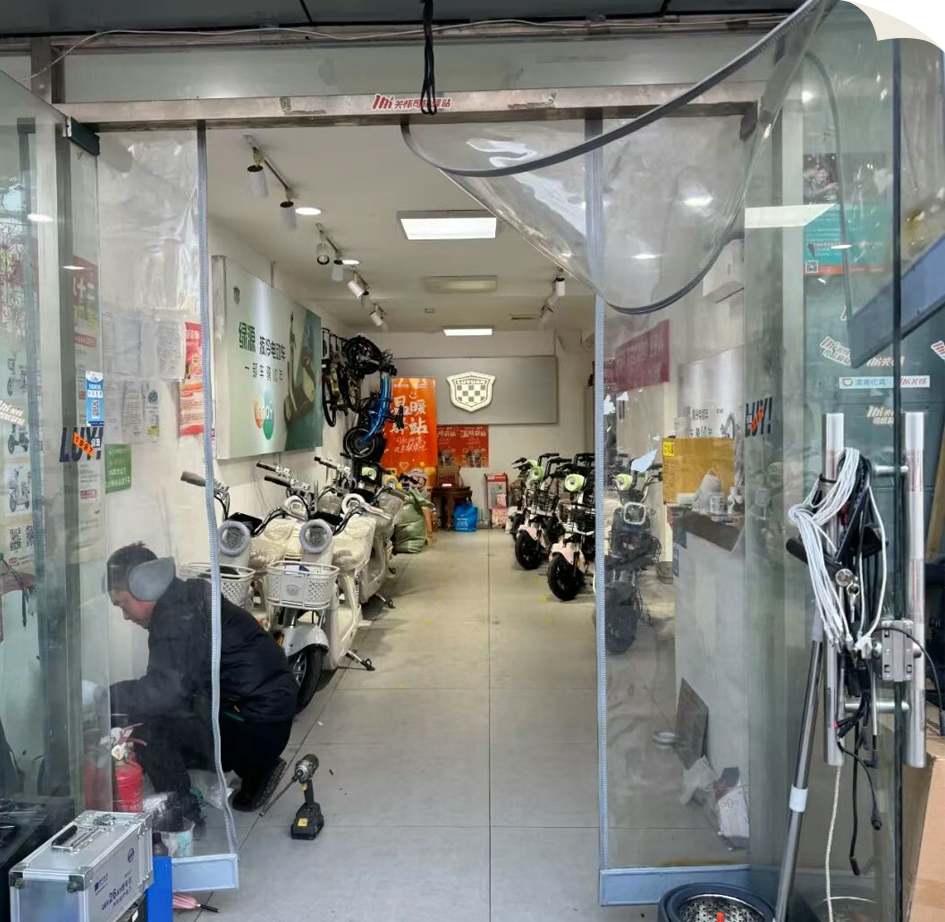
日流水剩50元,小电驴店主靠修车过冬
投中网· 2025-12-26 06:56
Core Viewpoint - The implementation of the new national standard for electric bicycles has led to significant market disruption, resulting in a decline in sales and a challenging environment for dealers and manufacturers [7][9][20]. Group 1: Market Impact - The new national standard has caused a drastic drop in sales, with November's domestic shipment volume of electric bicycles falling to 2.21 million units, a year-on-year decrease of 28.7% [8]. - Dealers are facing difficulties as old standard vehicles are running out of stock while new standard models are not selling, leading to a situation where many small brand dealers are closing down [9][11]. - Major brands like Aima, Tailg, and Ninebot have reported significant declines in sales, with year-on-year drops ranging from 24.8% to 48.8% [8][17]. Group 2: Consumer Sentiment - Consumers have expressed dissatisfaction with new standard electric bicycles, particularly regarding the speed limit of 25 km/h, which they feel negatively impacts their commuting efficiency [11][12]. - Price increases for new standard models, often by over 100 yuan, have deterred many consumers from purchasing, as they perceive the new models as less practical for family use and daily commuting [11][12]. - Issues such as insufficient storage space and the inability to carry children have led to widespread criticism of new models, with many consumers feeling that the designs do not meet their needs [12][13]. Group 3: Industry Response - Major manufacturers are attempting to address consumer concerns by optimizing their products and clarifying misconceptions about the new standards [15][20]. - Despite the challenges, some companies are launching new models that comply with the new standards, although supply issues have hindered availability in stores [15][16]. - The industry is undergoing a transformation, with the new standards expected to eliminate less competitive brands while providing opportunities for stronger, innovative companies to thrive [17][22].

日流水剩50元,小电驴店主靠修车过冬
Feng Huang Wang· 2025-12-25 03:03
Core Viewpoint - The implementation of the new national standard for electric bicycles has led to a significant downturn in sales and market activity, with many retailers struggling to adapt to the changes and consumer dissatisfaction with new products [3][4][5]. Group 1: Market Conditions - Many electric bicycle stores are experiencing a downturn, with some reporting only a few sales of new standard models since their launch [4][5]. - The overall sales volume of electric bicycles in November dropped to 2.21 million units, a year-on-year decline of 28.7% [4]. - Retailers are facing challenges as old standard inventory runs low while new standard models remain unsold, leading to a difficult market environment [5][11]. Group 2: Consumer Sentiment - Consumers express dissatisfaction with new standard electric bicycles, particularly regarding speed limits, increased prices, and inadequate storage space [6][8][10]. - The new standard's speed limit of 25 km/h has been criticized for negatively impacting commuting efficiency, leading to complaints about longer travel times [6][8]. - Price increases for new standard models, often by over 100 yuan, have deterred many consumers from purchasing [6][8]. Group 3: Industry Response - Major brands like Yadea, Aima, and Ninebot are attempting to address consumer concerns and improve product offerings in response to the new standards [11][13]. - The industry is witnessing a consolidation phase, with weaker brands being pushed out of the market, while stronger companies are adapting to the new regulations [17][19]. - The China Bicycle Association acknowledges the need for better communication and understanding of the new standards among consumers and manufacturers [10][19]. Group 4: Future Outlook - Despite current challenges, there is an expectation that prices for new standard electric bicycles may decrease over time as the market stabilizes [8]. - The new standards are seen as a necessary evolution for the industry, aimed at enhancing safety and product quality, which may ultimately benefit stronger brands [19][23]. - The market is anticipated to undergo further changes as companies innovate to meet consumer needs while complying with new regulations [23].

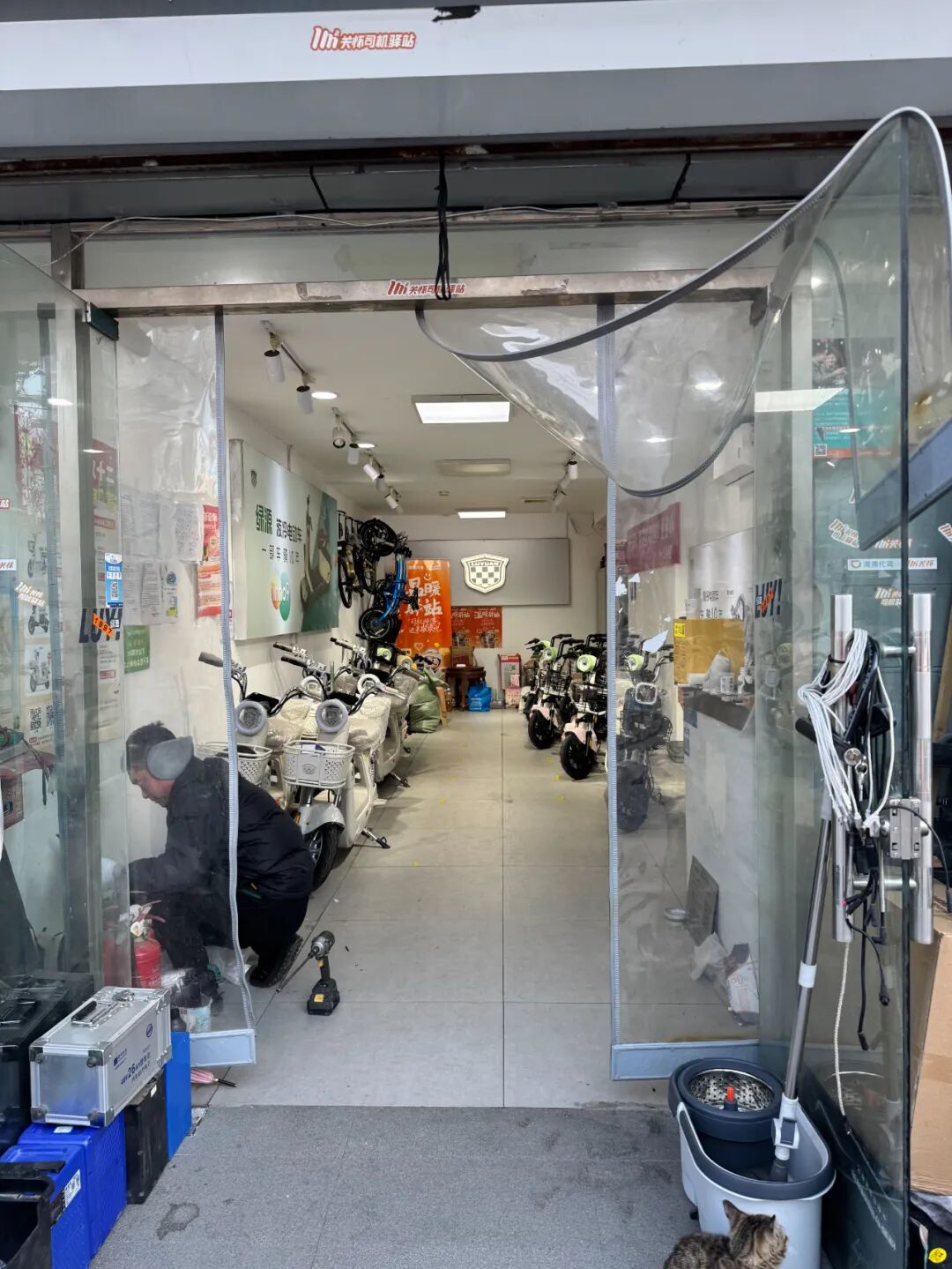
电动自行车市场探秘:旧国标新车咋就成了二手尖货?
Xin Jing Bao· 2025-12-09 00:59
Core Viewpoint - The sale of old national standard electric bicycles has been banned since December 1, but the market for "zero kilometer" second-hand electric bicycles, which are often illegally modified and sold without proper transfer of ownership, is thriving [1][2][3]. Group 1: Market Dynamics - The demand for "zero kilometer" second-hand electric bicycles is high, with sellers advertising features like high battery life and modifications that remove speed limits [2][3]. - Sellers are capitalizing on the ban of new old national standard electric bicycles by promoting these second-hand options as more convenient and cost-effective for consumers, particularly for delivery workers [4][6]. - Prices for these second-hand bicycles range from 1,500 to 2,800 yuan, influenced by brand, condition, motor power, and battery capacity [3][4]. Group 2: Regulatory Environment - Starting May 1, 2024, the new Beijing Non-Motor Vehicle Management Regulations will require the transfer of ownership for second-hand electric bicycles within 30 days of sale [1][25]. - Current regulations do not mandate the completion of ownership transfer for second-hand electric bicycles, leading to a prevalence of "back registration" practices that complicate traffic law enforcement [24][25]. - The lack of a formal process for verifying the authenticity of vehicle registration and ownership poses risks for consumers, as many sellers do not provide proper documentation [17][18]. Group 3: Consumer Behavior - Many consumers are unaware of the importance of vehicle registration and ownership transfer, leading to potential legal issues if they purchase bicycles without proper documentation [16][17]. - Sellers often promote the idea that not transferring ownership is beneficial, as it can prevent traffic violations from being recorded against the new owner's name [15][17]. - The market for these bicycles is primarily targeting delivery workers, who prefer the performance characteristics of old national standard bicycles over new models [7][14].

过户费800,秒变“0公里二手车”?旧标小电驴变相流通
Di Yi Cai Jing· 2025-12-07 11:57
Core Viewpoint - The article discusses the impact of the new national standard for electric bicycles, which bans the sale of those that do not comply with the new safety regulations, leading to a rise in the second-hand market for old standard models [2][4][9]. Group 1: Market Dynamics - As of December 1, electric bicycles that do not meet the new national safety standards are officially banned from sale, yet some dealers are still selling old standard models under the guise of "zero-kilometer second-hand electric bicycles" [2][4]. - Dealers have developed methods to circumvent the ban, such as selling old standard bicycles without registration or using previously registered plates to obtain legal status for the sale [5][6]. - The price difference between new and old standard bicycles is significant, with new models costing over a thousand yuan more, leading consumers to prefer the old models despite the legal risks [4][6]. Group 2: Consumer Behavior - Many consumers express dissatisfaction with the new standard bicycles, citing higher prices and perceived lower performance, which has led to a continued demand for old standard models [7][8]. - The lack of a trade-in subsidy for old bicycles further discourages immediate purchases of new models, prompting consumers to delay their buying decisions [3][7]. Group 3: Regulatory Environment - The National Certification and Accreditation Administration has mandated that all valid CCC certification certificates based on the old standard will be revoked by December 1, 2025, prohibiting further sales of these models [4]. - Market regulators are expected to enforce the new regulations strictly, with potential penalties for violations, emphasizing the need for consumers and manufacturers to be cautious [2][4]. Group 4: Safety Considerations - The new standard aims to enhance safety by reducing the use of plastic components and increasing fire safety measures, addressing the high incidence of accidents and fires associated with electric bicycles [8][9]. - Statistics indicate that electric bicycles are involved in a significant percentage of traffic accidents, highlighting the importance of the new regulations for public safety [8].
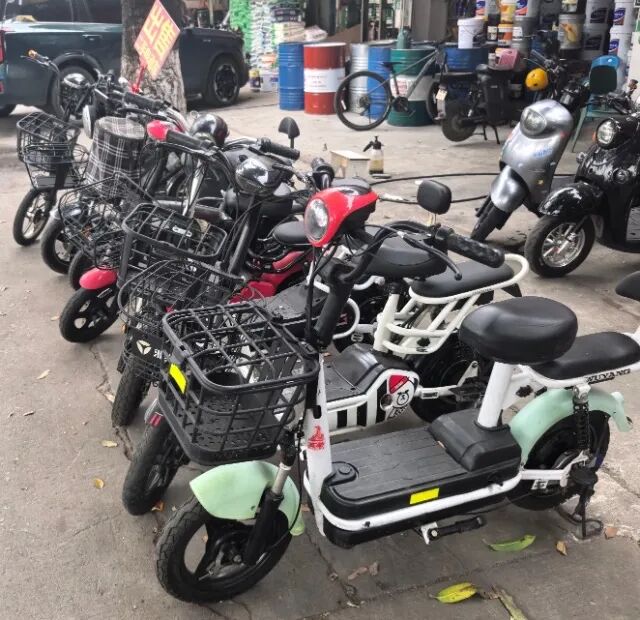
过户费800,秒变“0公里二手车”?旧标小电驴变相流通
第一财经· 2025-12-07 11:06
Core Viewpoint - The article discusses the impact of the new national standard for electric bicycles, which bans the sale of those that do not comply with the new safety regulations, leading to a shift in market dynamics and consumer behavior [3][4][6]. Group 1: Market Dynamics - As of December 1, electric bicycles that do not meet the new national safety standards are officially banned from sale, prompting some dealers to sell old standard models as "zero-kilometer second-hand electric bicycles" [4][6]. - Dealers are employing various methods to circumvent the ban, such as selling old standard bicycles without registration or using previously registered licenses to allow for legal sales [7][8]. - The price difference between new and old standard bicycles is significant, with new models costing over a thousand yuan more, leading consumers to prefer the old models despite the legal risks [6][11]. Group 2: Consumer Behavior - Many consumers express dissatisfaction with the new standard bicycles, citing higher prices and perceived lower performance, which has led to a continued demand for old standard models [11][12]. - The article highlights that some consumers are willing to pay additional fees for registration to acquire old standard bicycles legally, indicating a market adaptation to the new regulations [8][9]. - The ongoing debate among consumers regarding the safety and performance of new versus old standard bicycles reflects a broader concern about the transition and acceptance of the new regulations [11][12]. Group 3: Safety and Regulatory Implications - The new national standard aims to enhance safety by reducing the use of flammable materials and improving the fire resistance of key components, addressing the high incidence of accidents and fires associated with electric bicycles [12]. - Statistics indicate that electric bicycles are involved in a significant percentage of traffic accidents, underscoring the need for stricter safety regulations [12]. - The transition to the new standard is expected to phase out old standard bicycles gradually, promoting a safer transportation environment [12].
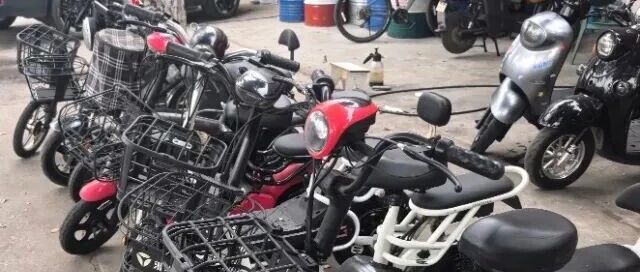
探访新国标落地后的电动自行车门店:多家观望,担心不好卖,如何平衡实际需求和安全关切?
Xin Lang Cai Jing· 2025-12-05 00:05
Core Viewpoint - The implementation of the new national standard for electric bicycles (GB 17761—2024) has sparked ongoing debates and concerns regarding its impact on the market and consumer behavior, with various stakeholders expressing mixed reactions to the changes. Group 1: New Standard Implementation - The new standard enhances safety and performance requirements for electric bicycles, including vehicle weight, pedal assist functionality, motor power limits, fire resistance, and quality assurance capabilities [1][4][10] - A transition period of 8 months was established, allowing manufacturers to produce under either the old or new standards until September 1, 2025, after which all new bicycles must comply with the new regulations [1][2] - Existing bicycles that do not meet the new standards will not be forcibly removed from the market, and consumers are encouraged to consider trade-in options [2] Group 2: Market Reactions - Retailers are divided in their response to the new standard, with some continuing to stock new standard bicycles while others are hesitant due to concerns over supply and potential price increases [2][3] - Reports indicate that the average price increase for new standard bicycles ranges from 400 to 800 yuan, leading to fears of reduced sales [4][5] - Some retailers have noted that the practicality and comfort of new standard bicycles need improvement, with consumer feedback highlighting issues such as inadequate seating for children and lack of storage space [7][12] Group 3: Manufacturer Perspectives - Manufacturers acknowledge that the new standard has increased production costs, but the overall impact on business remains uncertain, with expectations that clearer trends will emerge in the following year [5] - Companies like Aima Technology are preparing to adapt their product lines to align with the new standards, anticipating that non-compliant products will exit the market [5] Group 4: Consumer Concerns - Consumers have raised concerns about the new bicycles' performance, particularly regarding their ability to handle inclines and the overall power output, which some perceive as insufficient [7][8] - The new standard maintains the maximum motor power limit at 400W, similar to the previous standard, but includes additional requirements for safety and performance [10][11] - The industry is urged to focus on consumer needs, with calls for improved product designs that enhance comfort and usability [12]