新型武器

Search documents
警惕科技展会上的窃密黑手 国家安全机关提示
Yang Shi Xin Wen Ke Hu Duan· 2025-12-12 00:26
Core Viewpoint - The Ministry of National Security has issued a warning regarding the security risks associated with technology exhibitions, highlighting the potential for espionage and data theft amidst the showcasing of advanced technologies [1] Group 1: Security Risks at Technology Exhibitions - Technology exhibitions serve as a prime platform for companies to expand their market and foster collaborations, but they also attract espionage activities that threaten national security [1] - Certain attendees have disregarded security protocols, such as photographing or closely examining sensitive equipment, which poses a risk of data leakage [2] - There have been instances where individuals have used professional scanning devices to collect critical structural data from military equipment, exceeding normal observation practices [2] Group 2: Methods of Espionage - Attendees may exploit opportunities to physically interact with showcased technologies to analyze materials and potentially steal valuable prototypes [3] - A notable case involved a high-tech company losing a prototype chip during an exhibition, underscoring the high commercial value of even engineering samples [3] - Some individuals may pose as interested parties to gather fragmented data under the guise of academic inquiries, which can be pieced together to form strategic intelligence [4] Group 3: Recommendations for Security Measures - Companies are advised to implement strict personnel management and maintain confidentiality during exhibitions to protect their innovations [5] - It is recommended to monitor individuals showing excessive interest in technical details or attempting to access non-displayed equipment [5] - Companies should consider technical isolation strategies for sensitive displays and ensure that discarded materials are properly destroyed to prevent information leaks [5]
普京召开新闻发布会
Zheng Quan Shi Bao· 2025-10-10 15:08
Core Points - President Putin held a press conference summarizing the outcomes of his recent visit to Tajikistan, emphasizing the importance of the Commonwealth of Independent States (CIS) and its historical advantages from the Soviet era [1][2] - Putin acknowledged a basic consensus reached between the US and Russia regarding the Ukraine crisis during the Anchorage meeting, indicating that this consensus still exists [1] - He warned that if the US supplies Ukraine with Tomahawk cruise missiles, Russia will enhance its air defense systems in response [1] - Putin mentioned the development of a new type of weapon that Russia will showcase soon, with positive testing results [1] - He stated that there is still time to prepare for the extension of the New START treaty, suggesting that extending it would be beneficial to limit strategic weapons [1] - Regarding Russia's relationship with Azerbaijan, Putin noted that while there has been no crisis, a tragic plane crash has created a "crisis sentiment," and he hopes for a resolution following the investigation [1]
普京:俄罗斯已经掌握了一种新型武器
财联社· 2025-10-10 14:53
Core Viewpoint - The article discusses the escalating tensions between Russia and the United States regarding the potential provision of Tomahawk cruise missiles to Ukraine, highlighting Russia's response and new weapon developments [1]. Group 1: Russia's Response - Russian President Putin stated that if the U.S. supplies Tomahawk cruise missiles to Ukraine, Russia will enhance its air defense systems in response [1]. - Putin indicated that Russia has developed a new type of weapon, which will be showcased soon, and its testing results have been positive [1]. Group 2: U.S. Considerations - U.S. Vice President Pence mentioned that the White House is considering providing Tomahawk cruise missiles to Ukraine through NATO European member states, which could reach Moscow [1]. - President Trump confirmed that a "certain decision" has been made regarding the provision of Tomahawk missiles to Ukraine [1].

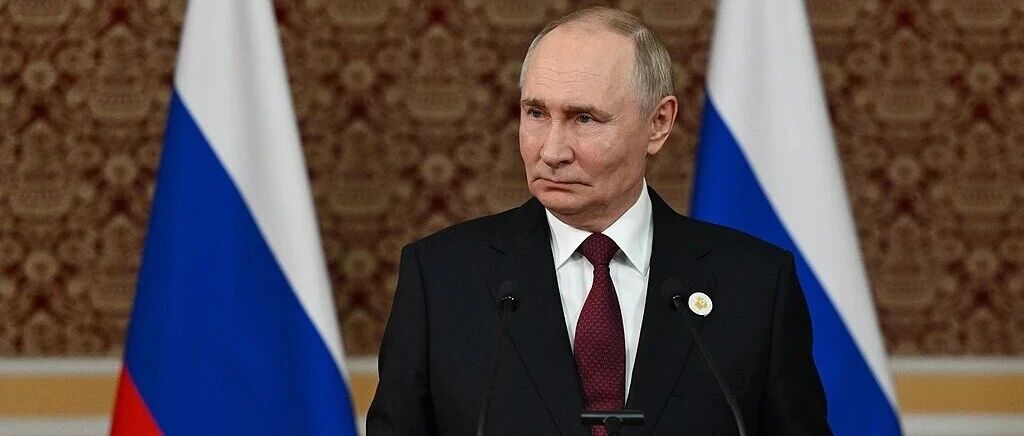
普京:俄罗斯已经掌握了一种新型武器,将在近期向外界展示
Xin Jing Bao· 2025-10-10 14:02
Core Points - Russian President Putin emphasized the importance of the Commonwealth of Independent States (CIS) maintaining its historical advantages established during the Soviet era [1] - Putin acknowledged a basic consensus reached between the US and Russia regarding the Ukraine crisis during the Anchorage meeting, which remains relevant [1] - The potential provision of "Tomahawk" cruise missiles to Ukraine by the US would prompt Russia to enhance its air defense systems [1] - Russia is set to showcase a new type of weapon that has shown promising test results [1] - There is still time to prepare for the extension of the New START treaty, which Putin believes would be beneficial for limiting strategic weapons [1] - Putin addressed the relationship between Russia and Azerbaijan, stating that while there has been no crisis, a tragic plane crash has created a "crisis sentiment" [1] Summary of Events - Putin's state visit to Tajikistan occurred from October 8 to 10, during which he attended the second Central Asia-Russia summit and the CIS heads of state council meeting [2]
普京:俄罗斯已经掌握了一种新型武器
第一财经· 2025-10-10 13:47
Group 1 - The core viewpoint of the article emphasizes the importance of the Commonwealth of Independent States (CIS) maintaining its historical advantages established during the Soviet era, particularly in cultural fields [3] - President Putin highlighted the basic consensus reached between the Russian and American leaders regarding the resolution of the Ukraine crisis during their meeting in Anchorage, indicating that this consensus still exists [3] - Putin warned that if the U.S. provides Ukraine with "Tomahawk" cruise missiles, Russia will respond by strengthening its air defense systems [3] - A new type of weapon developed by Russia is expected to be showcased soon, with positive testing results reported [3] - Putin mentioned that there is still time to prepare for the extension of the New START treaty, stating that extending the treaty would be beneficial to prevent limitations in the strategic weapons domain [3] - Regarding Russia's relationship with Azerbaijan, Putin noted that there has never been a crisis in their national relations, although a tragic plane crash created a "crisis sentiment" between the two countries [3][4]
美国关税行政令7日生效,多国紧急商讨应对
Huan Qiu Shi Bao· 2025-08-08 22:39
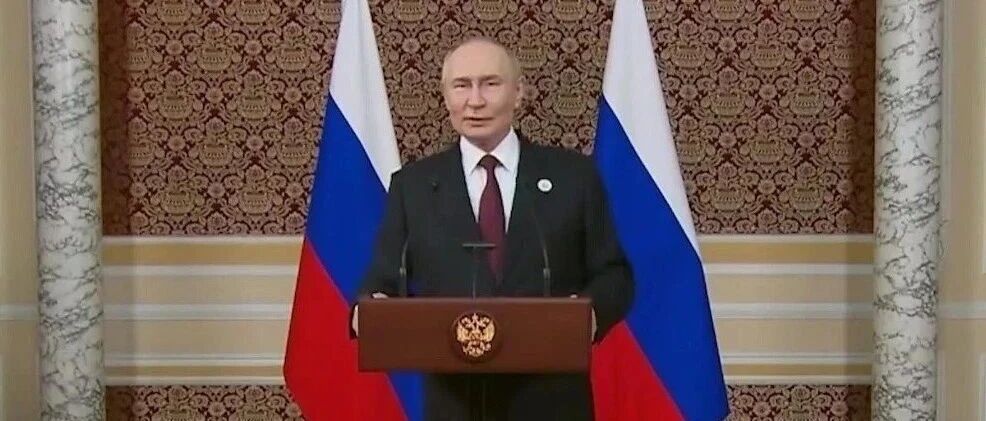
Core Points - The new tariff measures signed by President Trump have come into effect, imposing tariffs ranging from 10% to 50% on numerous trade partners, leading to widespread discontent and calls for collective responses from affected nations [1] - The average tariff on imported goods is projected to exceed 18%, marking the highest level since 1934 [1] - Brazil and India are among the countries facing the highest tariffs, with both nations expressing strong resistance to the measures [1] - Switzerland has been particularly affected, facing a 39% tariff, the highest among European countries, which has raised significant concerns for its export-driven economy [3] - Japan, despite having reached an agreement with the U.S., found that the promised tax reductions were not implemented, leading to demands for immediate corrective actions [4] Summary by Category Tariff Implementation - The U.S. Customs and Border Protection began collecting higher tariffs on imports starting at 12:01 AM Eastern Time on July 7 [1] - The tariffs are set between 10% and 50%, significantly impacting trade relationships [1] Affected Countries - Brazil and India are subjected to a 50% tariff, with both countries indicating they will not easily concede to U.S. demands [1] - Switzerland is facing a 39% tariff, which is significantly higher than previously threatened, causing alarm among its export sectors [3] - Japan is facing a 15% tariff, with ongoing negotiations to address discrepancies in previously agreed terms [4] Economic Impact - The tariffs are expected to create substantial pressure on Switzerland's economy, particularly affecting industries such as watchmaking, industrial machinery, chocolate, and cheese [3] - Indian officials have indicated that the tariffs could impact defense procurement plans, although the government later denied any changes to ongoing negotiations [1][3] - The U.S. government's announcement regarding tariffs on transshipped goods is anticipated to target Southeast Asian countries, with potential implications for trade practices [4]