
新能源冷藏车

Search documents
2025年中国冷藏车行业区域市场分析 华东地区需求旺盛【组图】
Qian Zhan Wang· 2026-01-29 06:17
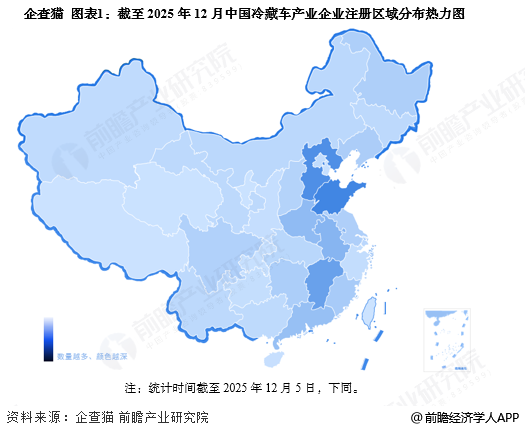
Core Insights - The report highlights the concentration of refrigerated vehicle companies in Shandong Province, with over 7,000 registered companies, followed by Hebei Province with around 6,000 [1][2]. Industry Overview - The major listed companies in the refrigerated vehicle industry include CIMC Vehicles, China National Heavy Duty Truck Group, Foton Motor, Dongfeng Motor, JAC Motors, Jiangling Motors, FAW Jiefang, and Power New Science [1]. - The representative companies in the refrigerated vehicle sector are primarily located in the eastern coastal provinces, particularly in the Yangtze River Delta region [3]. Market Performance - In the first three quarters of 2025, the highest sales of refrigerated vehicles were recorded in the East China region, totaling 16,042 units, which accounts for 27.87% of national sales [7]. - Guangdong and Hubei provinces led in refrigerated vehicle sales, with 5,744 and 4,354 units sold respectively, showing year-on-year growth of 30.40% and 46.25% [8]. - The rapid growth in sales was also noted in Tianjin and Jiangxi, with increases of 172.7% and 114.26% respectively [8]. New Energy Vehicles - The highest sales of new energy refrigerated vehicles were observed in East China, South China, and North China, with sales figures of 5,022, 4,812, and 4,541 units respectively, collectively representing 61.68% of total sales [11].

3.814亿吨、5567.1亿元,成绩“亮眼”!数说我国冷链物流行业稳步增长
Yang Shi Wang· 2026-01-28 04:31
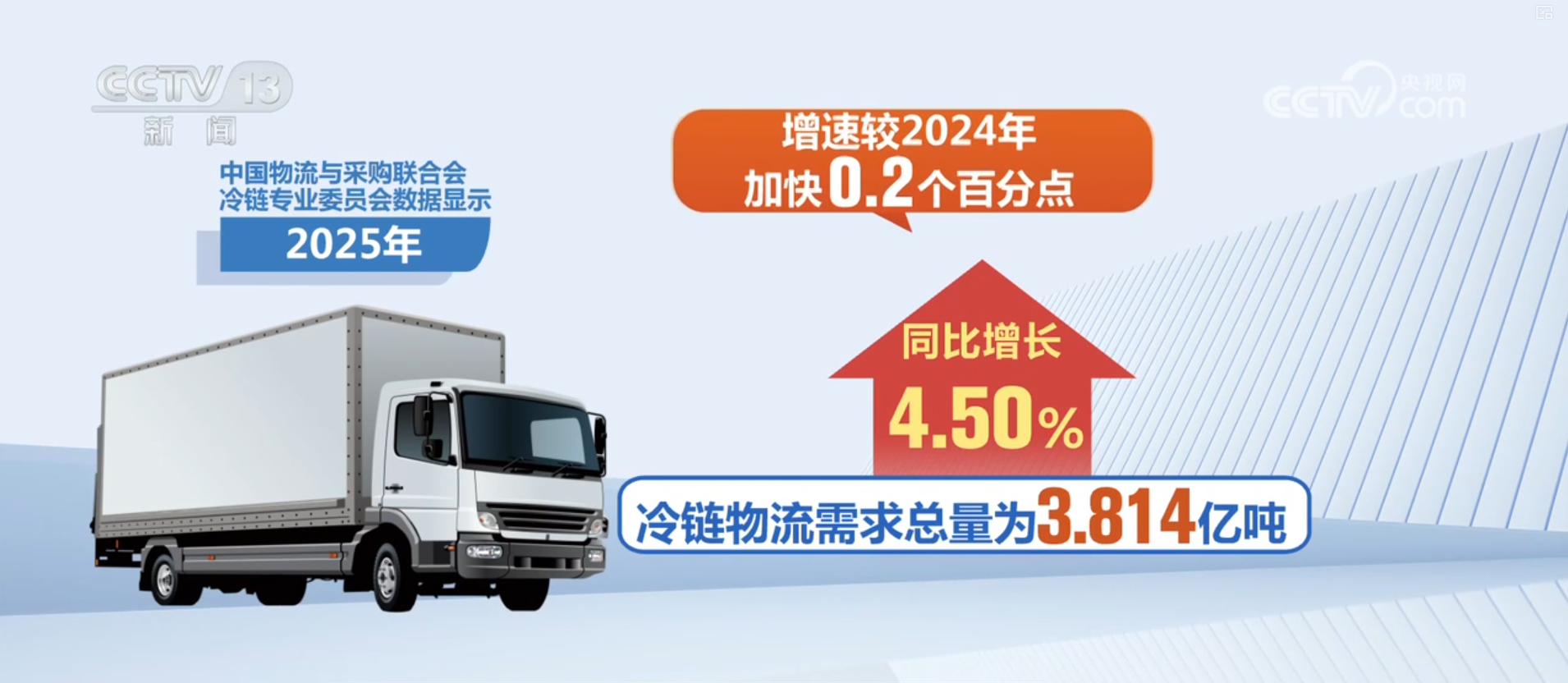
Core Insights - The cold chain logistics industry in China is experiencing steady growth, driven by increasing consumer demand and expanding market size and infrastructure [1][3]. Market Size and Growth - In 2025, the total demand for cold chain logistics is projected to reach 381.4 million tons, representing a year-on-year growth of 4.5%, with an acceleration of 0.2 percentage points compared to 2024 [3]. - The total revenue for cold chain logistics in 2025 is expected to be 556.71 billion yuan, reflecting a year-on-year increase of 3.84%, with a growth rate increase of 0.14 percentage points from 2024 [5]. Infrastructure Development - The total capacity of cold storage facilities is anticipated to reach 26.7 million cubic meters in 2025, marking a year-on-year growth of 5.53%, with a shift towards smart and automated upgrades [7]. Vehicle Sales and Trends - The total sales of refrigerated vehicles in 2025 are projected to be 81,969 units, showing a year-on-year increase of 30.2%. The sales of new energy refrigerated vehicles are expected to reach 36,769 units, with a significant year-on-year growth of 72.08% and a penetration rate of 44.86%, up by 10.96 percentage points [9]. Emerging Demand Drivers - The rapid growth of online consumption and instant retail services, such as same-hour and next-day delivery, is creating new demands for cold chain logistics. Additionally, the international expansion of Chinese food and retail companies is driving the development of cross-border cold chain logistics [5].
“十四五”时期我国冷链基础设施实现跨越发展
Yang Shi Xin Wen Ke Hu Duan· 2025-12-19 08:20
Core Insights - The cold chain industry in China is entering a phase of high-quality development driven by strategic guidance and growing market demand during the 14th Five-Year Plan period [1] Group 1: Market Growth and Infrastructure Development - The total demand for food cold chain logistics is expected to increase from 265 million tons in 2020 to 381 million tons by 2025 [2] - Total revenue for cold chain service companies is projected to rise from 383.2 billion yuan to 556.7 billion yuan during the same period [2] - The total capacity of public food cold storage is anticipated to reach 26.7 million cubic meters by 2025, a growth of 50.85% compared to 2020 [2] - The number of refrigerated trucks is expected to reach 585,400 units by 2025, marking a 104.19% increase from 2020 [2] - Sales of new energy refrigerated trucks are projected to be approximately 34,140 units in 2025, a year-on-year increase of 59.77%, accounting for 42.97% of total refrigerated truck sales [2] - A three-tier network system is being established, featuring 105 key cold chain logistics bases and various supporting facilities to meet market demand [2] Group 2: Service Development and Trends - The current cold chain distribution primarily relies on agricultural wholesale and trade channels, but there is a rising trend towards short-chain distribution [3] - New business models such as "field + cold chain + trade platform" and "central kitchen + cold chain" are emerging, indicating a diversification in service offerings [3] Group 3: Standards and Technological Advancements - The number of cold chain-related standards has increased from 199 in early 2020 to 301 by the end of 2025, covering all categories and processes within the cold chain [4] - China has led the development of the first international cold chain standard, enhancing its influence in global cold chain regulations [4] - The 15th Five-Year Plan outlines a clear development blueprint for the cold chain supply chain, emphasizing the use of IoT, blockchain, and AI to foster new consumption patterns [4]
视频丨总需求量超1.17亿吨!冷链助力果蔬“鲜”上餐桌
Yang Shi Xin Wen Ke Hu Duan· 2025-10-27 06:17
Core Insights - The cold chain logistics sector in China is experiencing steady growth, with a total demand of 117.3 million tons in Q3, representing a year-on-year increase of 4.72% [2][3] - The total revenue for food cold chain logistics service companies reached 144.97 billion yuan in Q3, marking a 3.92% increase year-on-year [5] - The total capacity of cold storage facilities reached 26.3 million cubic meters by the end of Q3 2025, showing a year-on-year growth of 7.35% [7] Demand and Market Trends - The growth in cold chain logistics demand is driven by seasonal consumption peaks and holiday preparations, particularly for meat and fresh produce [5] - Fresh e-commerce sales saw a year-on-year increase of approximately 15%, with the fastest growth in fruit and vegetable categories [5] Infrastructure and Capacity - The cold storage capacity is expanding, with an addition of 2.54 million cubic meters in Q3 [7] - Cold chain infrastructure, including refrigerated truck sales, is also on the rise, with refrigerated truck sales reaching 23,251 units in Q3, a year-on-year increase of 41.40% [10] Electric Vehicle Adoption - The sales of new energy refrigerated trucks surged by 125.05% year-on-year, totaling 10,024 units in Q3, driven by policy support and increasing demand for cold chain city distribution [10] - The penetration rate of new energy refrigerated trucks is expected to rise to around 40% in the upcoming quarter [10]

三季度我国冷链物流运行稳中有增 市场规模持续扩大
Yang Shi Wang· 2025-10-27 02:57
Core Insights - The cold chain logistics sector in China is experiencing steady growth in the third quarter, driven by policy guidance and market demand [1] - The total demand for food cold chain logistics reached 11.73 million tons in Q3, a year-on-year increase of 4.72%, with growth accelerating compared to Q2 [1][3] - The total revenue of food cold chain logistics service companies in Q3 was 144.97 billion yuan, reflecting a year-on-year growth of 3.92% [3] Demand and Revenue - The total demand for food cold chain logistics in the first three quarters of the year was 30.93 million tons, up 4.49% year-on-year, with growth accelerating compared to the first half of the year [1] - The total revenue for the first three quarters was 424.91 billion yuan, showing a year-on-year increase of 3.85%, with growth remaining stable compared to the first half [3] Infrastructure Development - Cold storage capacity in China reached 26.3 million cubic meters by Q3 2025, marking a year-on-year increase of 7.35%, with an addition of 2.54 million cubic meters in Q3 [5] - The construction of cold chain infrastructure is progressing steadily, with an increase in cold storage and refrigerated vehicle sales [3][5] Vehicle Sales - Refrigerated vehicle sales in Q3 totaled 23,251 units, representing a year-on-year growth of 41.40%, with new energy refrigerated vehicle sales reaching 10,024 units, up 125.05% [7] - The growth in new energy refrigerated vehicle sales is supported by policy subsidies and the opening of road rights in various regions, with expectations for continued growth in Q4 [7]

规模持续扩大 三季度我国冷链物流业务总需求量超1.17亿吨
Yang Shi Xin Wen· 2025-10-27 01:58
Core Insights - The cold chain logistics sector in China is experiencing steady growth in the third quarter, driven by policy guidance and market demand, leading to an expansion in market size [1] Group 1: Market Demand and Growth - The total demand for food cold chain logistics in Q3 reached 117.3 million tons, a year-on-year increase of 4.72%, with growth accelerating by 0.16 percentage points compared to Q2 [4] - The total demand for food cold chain logistics in the first three quarters of the year was 309.3 million tons, reflecting a year-on-year growth of 4.49%, with an acceleration of 0.14 percentage points compared to the first half of the year [4] - Fresh e-commerce sales grew by approximately 15% year-on-year in Q3, maintaining double-digit growth, with the fastest growth seen in fruits and vegetables [3] Group 2: Revenue and Financial Performance - The total revenue of food cold chain logistics service companies in Q3 was 144.97 billion yuan, a year-on-year increase of 3.92%, with growth accelerating by 0.2 percentage points compared to Q2 [6] - The total revenue for the first three quarters of the year was 424.91 billion yuan, reflecting a year-on-year growth of 3.85%, with growth rates remaining stable compared to the first half of the year [6] Group 3: Infrastructure and Capacity - The total capacity of cold storage facilities reached 26.3 million cubic meters by the end of Q3 2025, a year-on-year increase of 7.35%, with an additional capacity of 2.5359 million cubic meters added in Q3 [8] - Cold storage construction is becoming more rational amid a backdrop of reducing excess capacity, leading to a slowdown in capacity growth [8] Group 4: Vehicle Sales and Trends - The sales of refrigerated trucks in Q3 reached 23,251 units, a year-on-year increase of 41.4%, with sales of new energy refrigerated trucks reaching 10,024 units, reflecting a year-on-year growth of 125.05% [10] - The penetration rate of new energy refrigerated trucks is expected to rise to around 40% in the fourth quarter, driven by ongoing policy support and demand for cold chain city distribution [10]

三季度我国冷链物流市场规模持续扩大,基础设施建设稳步推进
Bei Jing Ri Bao Ke Hu Duan· 2025-10-26 22:55
Core Insights - The cold chain logistics sector in China is experiencing steady growth in the third quarter, driven by policy guidance and market demand [1][2] - The total demand for food cold chain logistics reached 11.73 million tons in Q3, a year-on-year increase of 4.72% [1] - The total revenue for food cold chain logistics service companies was 144.97 billion yuan in Q3, reflecting a year-on-year growth of 3.92% [1] Demand and Revenue - In Q3, the total demand for food cold chain logistics was 11.73 million tons, with a year-on-year growth rate of 4.72%, accelerating by 0.16 percentage points compared to Q2 [1] - For the first three quarters of the year, the total demand reached 30.93 million tons, marking a year-on-year increase of 4.49% [1] - The total revenue for food cold chain logistics service companies in Q3 was 144.97 billion yuan, up 3.92% year-on-year, with an acceleration of 0.2 percentage points from Q2 [1] - The total revenue for the first three quarters was 424.91 billion yuan, reflecting a year-on-year growth of 3.85% [1] Infrastructure Development - Cold chain infrastructure construction is progressing steadily, with continuous expansion of cold storage capacity and an increase in refrigerated vehicle sales [2] - By Q3 2025, the total capacity of cold storage is projected to reach 26.3 million cubic meters, a year-on-year increase of 7.35% [2] - In Q3, 2.54 million cubic meters of new cold storage capacity was added [2] - Refrigerated vehicle sales reached 23,251 units in Q3, showing a year-on-year growth of 41.40%, with new energy refrigerated vehicle sales increasing by 125.05% [2] - The penetration rate of new energy refrigerated vehicles is expected to rise to around 40% in the fourth quarter due to ongoing policy support and demand [2]
三季度我国冷链物流市场规模持续扩大 基础设施建设稳步推进
Yang Shi Xin Wen· 2025-10-26 22:07
Core Insights - The cold chain logistics sector in China is experiencing steady growth, driven by policy guidance and market demand, with an expanding market scale [1][2] Group 1: Cold Chain Logistics Demand - In Q3, the total demand for food cold chain logistics reached 11.73 million tons, a year-on-year increase of 4.72%, with growth accelerating by 0.16 percentage points compared to Q2 [1] - For the first three quarters of the year, the total demand was 30.93 million tons, up 4.49% year-on-year, with an acceleration of 0.14 percentage points compared to the first half of the year [1] - Fresh e-commerce sales grew by approximately 15% year-on-year in Q3, with the fastest growth seen in fruits and vegetables [1] Group 2: Revenue Growth - In Q3, total revenue for food cold chain logistics service companies was 144.97 billion yuan, a year-on-year increase of 3.92%, with growth accelerating by 0.2 percentage points compared to Q2 [1] - For the first three quarters, total revenue reached 424.91 billion yuan, up 3.85% year-on-year, with growth remaining stable compared to the first half of the year [1] Group 3: Cold Chain Infrastructure Development - Cold chain infrastructure construction is progressing steadily, with continuous expansion of cold storage capacity and steady growth in refrigerated vehicle sales [2] - By Q3 2025, the total capacity of cold storage is projected to reach 26.3 million cubic meters, a year-on-year increase of 7.35%, with an addition of 2.5359 million cubic meters in Q3 [2] - Refrigerated vehicle sales in Q3 reached 23,251 units, a year-on-year increase of 41.40%, with sales of new energy refrigerated vehicles growing by 125.05% [2]
市场规模不断扩大、增长势头良好 冷链物流支撑消费升级
Ren Min Ri Bao· 2025-10-14 00:59
Core Insights - The cold chain logistics industry is experiencing steady growth, driven by increasing consumer demand for fresh seafood and other perishable goods, with a total demand of 192 million tons in the first half of the year, representing a year-on-year increase of 4.35% [2][3] - The investment in cold storage facilities is expanding, with a total investment of 22.306 billion yuan in cold storage projects in the first half of the year, marking a year-on-year increase of 7.67% [3][4] - The sales of new energy refrigerated trucks are surging, with a total of 10,548 units sold in the first half of the year, reflecting a remarkable year-on-year growth of 119.61% [5][6] Cold Chain Logistics Demand - The total demand for food cold chain logistics reached 192 million tons in the first half of the year, with a revenue of 279.94 billion yuan, up 3.84% year-on-year [2] - The logistics network is efficiently delivering fresh products, with daily shipments of up to 20,000 orders for crabs during peak seasons [2] Cold Storage Investment - The investment in cold storage projects reached 22.306 billion yuan in the first half of the year, with a total capacity of 26 million cubic meters, equivalent to approximately 10.4 million tons, an increase of 6.12% year-on-year [4] - New cold storage facilities are being developed to meet market demands, such as a 9.2 billion yuan cold storage facility in Guangdong with a capacity of over 150,000 tons [3] New Energy Refrigerated Trucks - The sales of refrigerated trucks increased by 18.19% year-on-year, with new energy refrigerated trucks accounting for 35.8% of total sales [5] - The demand for refrigerated trucks is robust, with continuous growth in transportation volume, maintaining a 20% growth rate for three consecutive months [6]
市场规模不断扩大,增长势头良好,韧性进一步加强 冷链物流支撑消费升级(经济聚焦)
Ren Min Ri Bao· 2025-10-13 22:13
Core Insights - The seafood market is thriving, with a robust cold chain logistics network ensuring fresh delivery to consumers, supported by increased investment in cold storage and refrigerated vehicles [1][2]. Cold Chain Logistics Demand - The total demand for food cold chain logistics reached 192 million tons in the first half of the year, representing a year-on-year growth of 4.35% [2]. - The total revenue for food cold chain logistics service companies was 279.94 billion yuan, an increase of 3.84% year-on-year [2]. - The growth momentum of the food cold chain logistics industry is strong, with enhanced resilience as fresh products enter the consumption peak season [2]. Cold Storage Investment - Investment in cold storage projects amounted to 22.306 billion yuan in the first half of the year, reflecting a year-on-year increase of 7.67% [4]. - The total capacity of cold storage (public food cold storage) reached 260 million cubic meters by the end of June, equivalent to approximately 104 million tons, which is a 6.12% increase year-on-year [4]. - A new "super cold storage" facility in Guangdong, with an investment of 920 million yuan and a capacity exceeding 150,000 tons, has been put into operation to enhance cold chain logistics in the region [3]. Refrigerated Vehicle Sales - Sales of refrigerated vehicles reached 29,474 units in the first half of the year, marking an 18.19% increase year-on-year, with sales of new energy refrigerated vehicles at 10,548 units, up 119.61% [5]. - The penetration rate of new energy refrigerated vehicles reached 35.8%, an increase of 16.5 percentage points year-on-year [5]. - The demand for refrigerated vehicles remains high, with continuous growth in transportation volume, maintaining a 20% growth rate for three consecutive months [6].