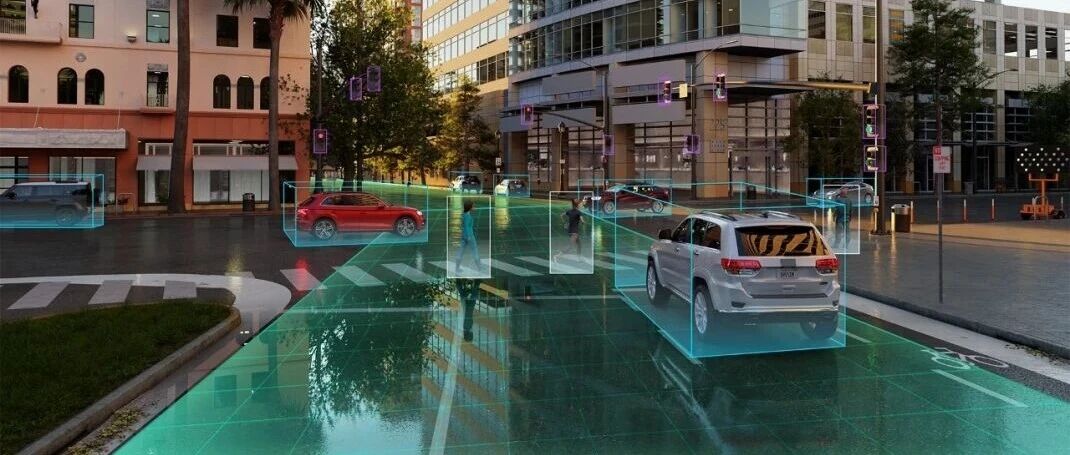
无图城区NOA

Search documents
资本围城中的自动驾驶,“讲故事”的终结与“看落地”的开启
3 6 Ke· 2025-12-08 08:51
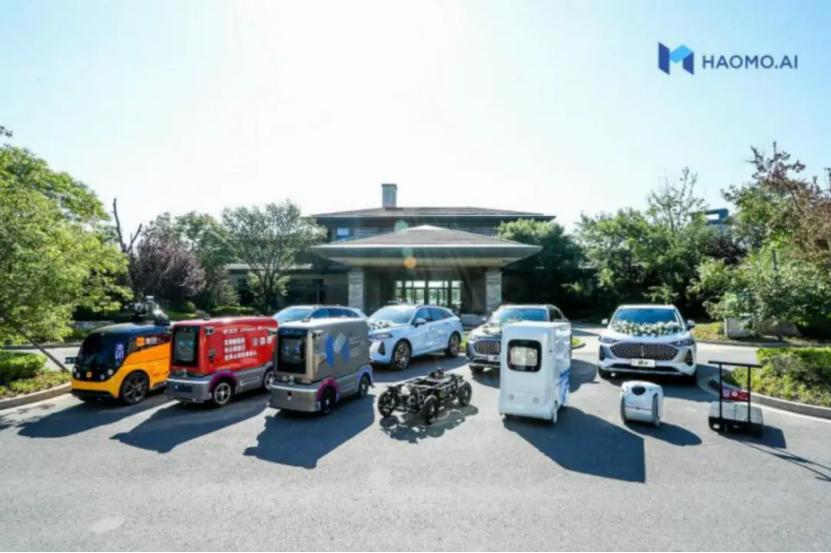
Core Viewpoint - The exit of Haomo Zhixing from the autonomous driving industry symbolizes the drastic changes in the financing environment, reflecting the challenges faced by companies in the sector as capital enthusiasm wanes and a more cautious investment approach emerges [1][2][10]. Group 1: Industry Financing Trends - The autonomous driving sector experienced a significant decline in financing, dropping from 932 billion yuan in 2021 to 200 billion yuan in 2023, a decrease of 78% [1][4]. - The initial phase of the industry was characterized by a "golden era" of capital influx, where investors were eager to fund unproven technologies and business models [2][4]. - The shift in capital strategy has moved from a broad investment approach to a more focused one, concentrating on companies with mature technologies and clear profit potential [5][9]. Group 2: Company-Specific Challenges - Haomo Zhixing, once a prominent player with over 2 billion yuan in financing and a valuation exceeding 1 billion USD, faced severe financial pressure, securing only 300 million yuan in 2024, insufficient for ongoing R&D and expansion [1][6][9]. - The company struggled with high hardware costs of 8,000 yuan per unit, while the industry average had fallen below 4,000 yuan, leading to a loss of competitive edge [9]. - The inability to demonstrate tangible results and a clear path to profitability contributed to the company's exit from the market, highlighting the need for firms to prove their technology can generate actual revenue [9][10]. Group 3: Market Dynamics and Future Outlook - The financing environment has led to a widening gap between leading companies and smaller players, with a clear trend of "head companies thriving, mid-tier struggling, and tail-end companies being eliminated" [7][10]. - Leading firms are leveraging their established technologies and funding to expand market share, while smaller companies are forced to adapt by focusing on niche markets or forming partnerships with larger entities [7][10]. - Despite the current challenges, there remains potential for recovery through technological breakthroughs, policy support, and innovative business models that lower entry barriers for users [10].

某头部车企的自研大考......
自动驾驶之心· 2025-09-26 16:03
Core Viewpoint - The article discusses the challenges and pressures faced by a leading automotive company's self-driving research team as they approach critical deadlines for developing advanced autonomous driving technologies, highlighting the competitive landscape and the importance of effective management in achieving technological advancements [6][8][14]. Group 1: Development Goals and Challenges - The self-driving research team of a leading automotive company has set ambitious internal goals to develop a no-map urban Navigation on Autopilot (NOA) by September 30 and an end-to-end system by December 30 [6]. - The company is currently lagging behind new entrants and leading autonomous driving firms by at least a year in terms of research and development progress [8]. - The pressure is high for the smart driving leaders, as failure to meet these deadlines could lead to accountability issues and organizational turmoil [7][8]. Group 2: Investment and Talent Acquisition - The company has significantly increased its investment in autonomous driving technology, surpassing that of some new entrants, and is willing to offer competitive salaries to attract top talent [9]. - Unlike some new entrants that offer compensation packages tied to stock performance, this leading company provides more cash to avoid fluctuations in employee compensation due to stock price volatility [9]. Group 3: Technical and Management Issues - Despite substantial investments, the company faces challenges in the end-to-end development process, particularly in data management, which is crucial for training models effectively [10]. - Traditional automotive companies often struggle with a lack of algorithmic expertise among their leadership, which affects their ability to manage and innovate in autonomous driving technology [13]. - The management approach in traditional firms tends to focus on coding output rather than the underlying algorithmic thought processes, which contributes to lower technical output compared to new entrants [14]. Group 4: Future Outlook and User Experience - The company plans to widely implement high-level urban NOA in numerous models next year, contingent on the success of its self-developed end-to-end system [15]. - The upcoming year is expected to be pivotal for end-to-end systems, as both new entrants and leading firms are achieving performance levels that meet consumer expectations [15]. - The emphasis will shift towards ensuring that the technology not only functions but also provides a satisfactory user experience, as performance differences among various end-to-end systems can significantly impact consumer perception [16].