
无障碍电影

Search documents
在“光明影院”,盲人也能“看”电影(环球热点)
Ren Min Ri Bao Hai Wai Ban· 2025-12-05 22:03
Core Viewpoint - The "Light Cinema" project in China has been actively creating accessible films for visually impaired individuals, significantly enhancing their cultural experience and inclusion in society [4][10]. Group 1: Volunteer Efforts and Impact - The "Light Cinema" volunteer team has produced over 800 accessible films in the past eight years, creating a "cultural blind path" for visually impaired individuals [4][8]. - Volunteers describe films using audio descriptions, allowing blind audiences to understand visual elements and emotions, thus fostering a shared cultural experience [5][6]. - The initiative has led to increased participation of visually impaired individuals in cultural activities, with many expressing joy and excitement about experiencing films for the first time [8][9]. Group 2: Technological and Regulatory Developments - The implementation of the Marrakech Treaty in 2022 has provided more autonomy in the production of accessible films, improving both quantity and quality [8][9]. - Advances in technology, such as algorithmic models for time code analysis, have streamlined the film production process, enhancing efficiency in creating audio descriptions [11]. - The establishment of national standards for internet accessibility has led to the creation of dedicated sections for accessible films on streaming platforms, broadening access for visually impaired individuals [10][11]. Group 3: Broader Social Implications - The initiative has become a node for other volunteer services, addressing various life challenges faced by visually impaired individuals, such as health monitoring and personal care [9]. - The collaborative efforts among various organizations, including the disabled persons' federation and community centers, have created a supportive network for disseminating accessible cultural products [9][11]. - The project exemplifies a sustainable model for inclusive cultural dissemination, contributing valuable experiences to the global discourse on accessibility [11][12].

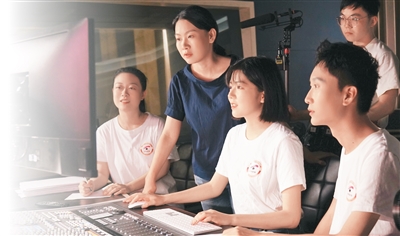
光影有声 心灵无碍——“光明影院”文明实践温暖千万视障人群
Xin Hua She· 2025-12-03 11:07
Core Viewpoint - The "Light Cinema" project is a cultural public welfare initiative aimed at providing accessible film experiences for visually impaired individuals, enhancing their cultural engagement and emotional connection through specially produced audio-described films [2][8]. Group 1: Project Overview - "Light Cinema" is a cultural public welfare project initiated by students and faculty from Communication University of China, creating accessible films by inserting audio descriptions that convey visual content and emotional significance [2][4]. - Over the past eight years, the project has produced more than 800 accessible films, with participation from over a thousand student volunteers [4][6]. Group 2: Community Impact - The project has been implemented in various local "Civilization Practice Centers," allowing visually impaired individuals to enjoy films in a communal setting, fostering a sense of cultural belonging and joy [5][7]. - The initiative not only provides film screenings but also includes additional services such as love lunches and community activities, creating a comprehensive support system for the visually impaired [7][8]. Group 3: Future Development - The project is expanding from regional trials to nationwide promotion, aiming to equalize public cultural services and ensure more visually impaired individuals can access cultural resources [7][8]. - The "Light Cinema" initiative is also gaining international recognition, with documentary films and literature being showcased globally, contributing to the discourse on cultural equity [7][8].
观看场次增加 影片上新提速 AI高效“补位”
Hang Zhou Ri Bao· 2025-12-03 02:41
Core Insights - The development of accessible cinema in Hangzhou has significantly improved over the past two years, with increased screening frequency and accessibility for visually impaired audiences [1][2][3] - The integration of AI technology is expected to enhance the production and accessibility of these films, potentially reducing the time required for creating accessible versions [7][8] Group 1: Development of Accessible Cinema - Hangzhou's accessible cinema now guarantees at least one screening per month in theaters, with additional monthly events organized in various districts [3] - The "Sonar" accessible film team has conducted 12 offline events this year, reaching nearly 700 viewers, and has guided local districts to host 169 accessible viewing activities, covering around 8,000 people [3] - The evolution of accessible cinema has transformed it from a "special event" into a "daily entertainment" option for visually impaired individuals, fostering social integration [3] Group 2: AI Integration and Future Prospects - AI technology is being utilized to optimize the production of accessible films, potentially reducing the creation time from one month to about ten days [7] - The "Sonar" team is collaborating with platforms like Youku to enhance the library of accessible films, although challenges remain regarding the availability of new releases and shared viewing experiences with family [4][5] - AI-generated scripts are being developed to assist in creating accessible content, although there are concerns about the lack of human touch in AI-generated narratives [8]
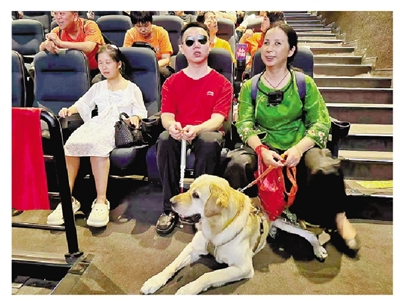
在“光明影院”,盲人“看”电影
Bei Jing Ri Bao Ke Hu Duan· 2025-12-02 13:24
Core Viewpoint - The "Light Cinema" project by Communication University of China is dedicated to creating barrier-free films for visually impaired individuals, enhancing their movie-watching experience and promoting inclusivity in cinema [3][5][9]. Group 1: Project Overview - The "Light Cinema" project has produced over 700 barrier-free films since its inception in 2017, involving over a thousand student volunteers [3][5]. - The project aims to provide visually impaired individuals with the same cinematic experience as sighted individuals by incorporating descriptive narration into films [5][9]. - Each barrier-free film takes nearly a month to produce, requiring extensive planning, scriptwriting, and recording to ensure an immersive experience for visually impaired viewers [5][6]. Group 2: Community Impact - The project has reached over 2,244 special education schools across China, making films accessible to a wider audience [12][14]. - The initiative has led to the establishment of barrier-free cinemas in various districts of Beijing, promoting local access to films for visually impaired individuals [14]. - The project has fostered a sense of community among visually impaired individuals, allowing them to enjoy films together and creating a social atmosphere around movie-watching [9][10]. Group 3: Future Aspirations - The "Light Cinema" team aims to address the issue of synchronized viewing, hoping to release barrier-free films simultaneously with regular films in the future [14]. - The project continues to evolve, with plans to expand its reach and enhance the viewing experience for visually impaired audiences [14].
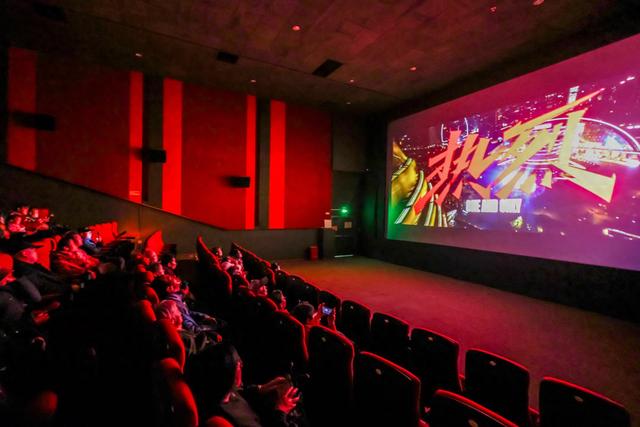
我们这样“看见”世界(大地风华)
Ren Min Ri Bao· 2025-10-06 22:01
Core Insights - The development of accessible cultural services for visually impaired individuals in China has significantly improved over the past few years, with libraries, cinemas, and museums enhancing their facilities and offerings to cater to this demographic [1][2][3] Group 1: Library Services - The establishment of a network of visually impaired reading rooms across China, with a total of 1,659 such facilities, has been a major advancement in providing access to literature and resources for visually impaired individuals [1] - The availability of nearly 19,000 smart reading machines in libraries nationwide, which have accumulated 35.83 million hours of online interaction, highlights the growing engagement of visually impaired readers with available resources [1] Group 2: Film Accessibility - The "audio-described cinema" initiative, which has been in place for over a decade, allows visually impaired individuals to experience films through detailed narration, with over 2,000 films now available on various internet platforms [2] - Volunteer efforts have been crucial in delivering these audio descriptions, enhancing the cultural experience for visually impaired audiences [2] Group 3: Museum Accessibility - The implementation of the "Barrier-Free Environment Construction Law" in September 2023 marks a significant step towards improving accessibility in museums, with institutions like the Forbidden City now offering guided tours and tactile experiences for visually impaired visitors [3] - The integration of cultural and creative elements in museum exhibits allows visually impaired individuals to engage with history through touch and sound, enriching their understanding of cultural heritage [3]
光影里的“无障碍守护”
Ren Min Ri Bao· 2025-09-24 23:22
Core Insights - The project "Barrier-Free Film Screening in Hainan" was launched on September 18, 2025, with the screening of the accessible version of the movie "A Dog's Purpose" [1] - The initiative aims to provide equal access to film culture for visually impaired individuals, having screened over 20 barrier-free films since its inception in 2018, benefiting nearly 10,000 visually impaired people in the province [1] - The project also collaborates with special education schools across the country, reaching approximately 50,000 visually impaired students through various activities [1] Summary by Categories Project Launch - The "Barrier-Free Film Screening" project was initiated in Hainan, specifically at a special education school, featuring enhanced audio descriptions and sound effects to aid visually impaired students [1] Impact and Reach - Since its establishment in 2018, the project has conducted over 20 screenings, allowing nearly 10,000 visually impaired individuals to enjoy films [1] - The project has expanded its outreach by partnering with special education schools nationwide, impacting around 50,000 visually impaired students through collaborative events [1]
让我陪你“看”电影
Ren Min Ri Bao· 2025-05-02 22:01
Core Viewpoint - The article highlights the importance of accessible cinema for visually impaired individuals, showcasing how it serves as a vital means for them to engage with the world and socialize, despite the challenges they face in enjoying traditional film experiences [1][3]. Group 1: Accessibility in Cinema - The Chinese Braille Library hosts weekly accessible film screenings, which are crucial for visually impaired individuals like Mao Weiyi, who travels over two hours to attend these events [1]. - Accessible films provide a unique opportunity for blind individuals to "watch" movies through audio descriptions, which help them understand the plot and visual elements that they cannot see [2][3]. Group 2: Social and Cultural Impact - For many blind individuals, watching movies is a way to connect with stories from around the world, offering a glimpse into experiences they might not otherwise encounter [3]. - Cinema serves as a social platform, allowing visually impaired individuals to gather, share experiences, and engage in conversations about films, fostering a sense of community [3]. Group 3: Professional Development in Audio Description - The role of an audio describer is complex, requiring the ability to convey visual elements without disrupting the film's dialogue, which is a skill that takes time to develop [2]. - Positive feedback from audiences, such as the elderly gentleman who expressed gratitude for understanding a film better through audio description, underscores the impact of this profession [2].