日元债

Search documents
刚刚,动手了!30年首次。。
Sou Hu Cai Jing· 2025-12-19 04:54
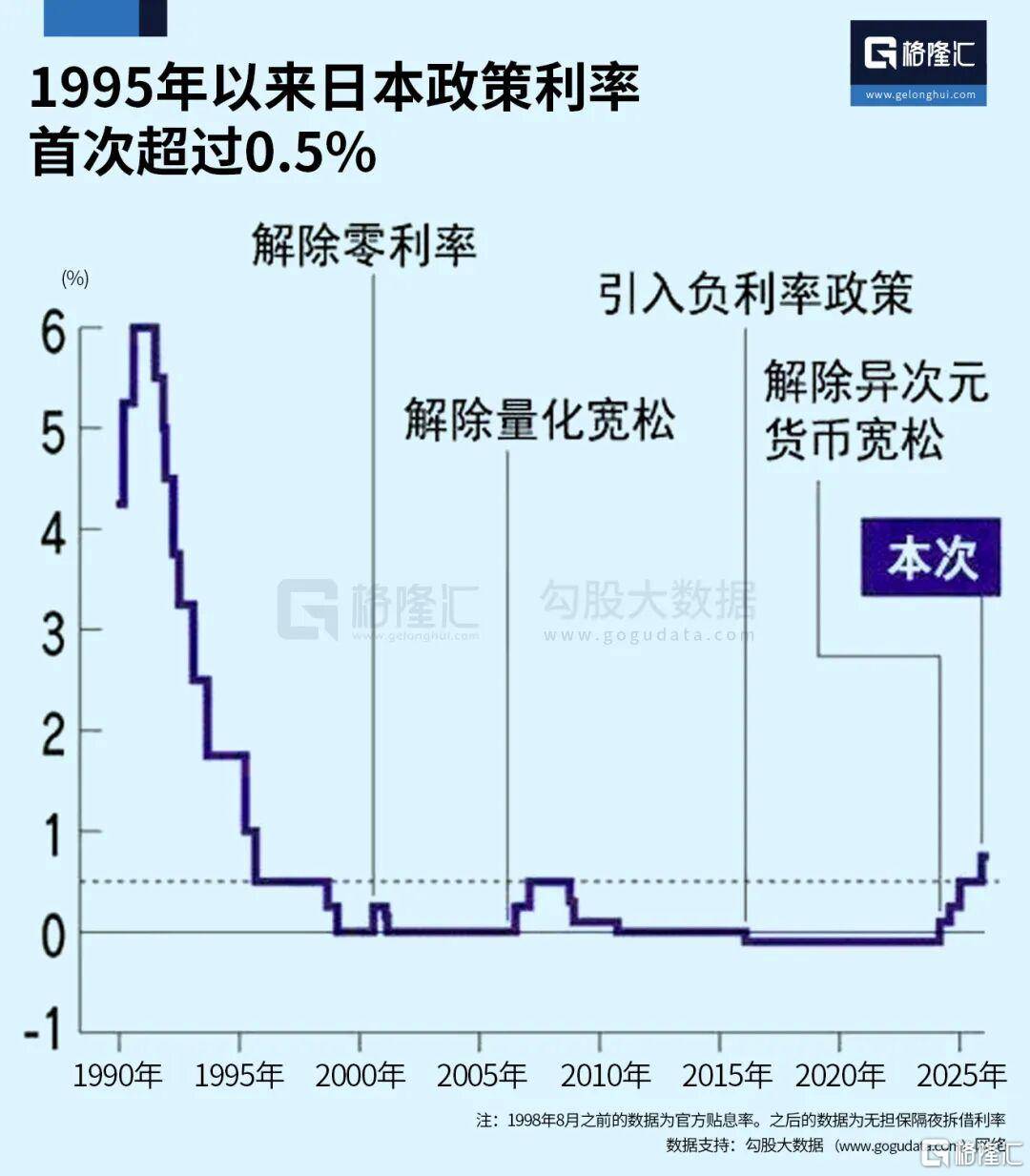
Core Viewpoint - The Bank of Japan has raised its benchmark interest rate from 0.5% to 0.75%, marking the highest level since 1995, which poses a significant stress test for global capital markets [1][30]. Group 1: Impact on Global Markets - The increase in interest rates signifies the end of the "ultra-cheap yen era," which has been a key driver for global asset prices over the past three decades [30]. - The rise in borrowing costs will affect the carry trade strategy, where investors borrow cheap yen to invest in higher-yielding assets globally, potentially leading to a liquidity crunch in the markets [17][30]. - As the cost of borrowing increases, leveraged positions in the carry trade may become unprofitable, prompting a sell-off of assets to cover positions, which could lead to a significant market downturn [19][21]. Group 2: Specific Market Reactions - Japan, being the largest foreign holder of U.S. Treasury bonds with over $1.2 trillion, may reconsider its holdings in U.S. debt as domestic yields rise, potentially leading to selling pressure on U.S. Treasuries [24]. - Emerging markets, which have been popular destinations for yen carry trade funds, are likely to experience capital outflows and currency depreciation as global liquidity tightens [25]. - High-valuation assets, particularly in technology and cryptocurrencies, may face significant corrections as the withdrawal of cheap funds alters risk appetites among investors [26]. Group 3: Implications for Chinese Markets - The direct impact on China's A-shares and bond markets may be limited, but there is a need to be cautious of emotional market reactions stemming from global volatility [27]. - If U.S. markets experience significant fluctuations due to carry trade unwinding, it could create short-term pressure on foreign investment sentiment in China [28]. - Conversely, if global markets enter a risk-off phase, some funds may flow into Chinese government bonds, providing a potential benefit to the domestic bond market [29].