
日咖夜酒

Search documents
潮尚重构消费|小酒馆赛道洗牌在即 同质化与供应链难题下的破局之路
Bei Jing Shang Bao· 2026-01-21 10:41
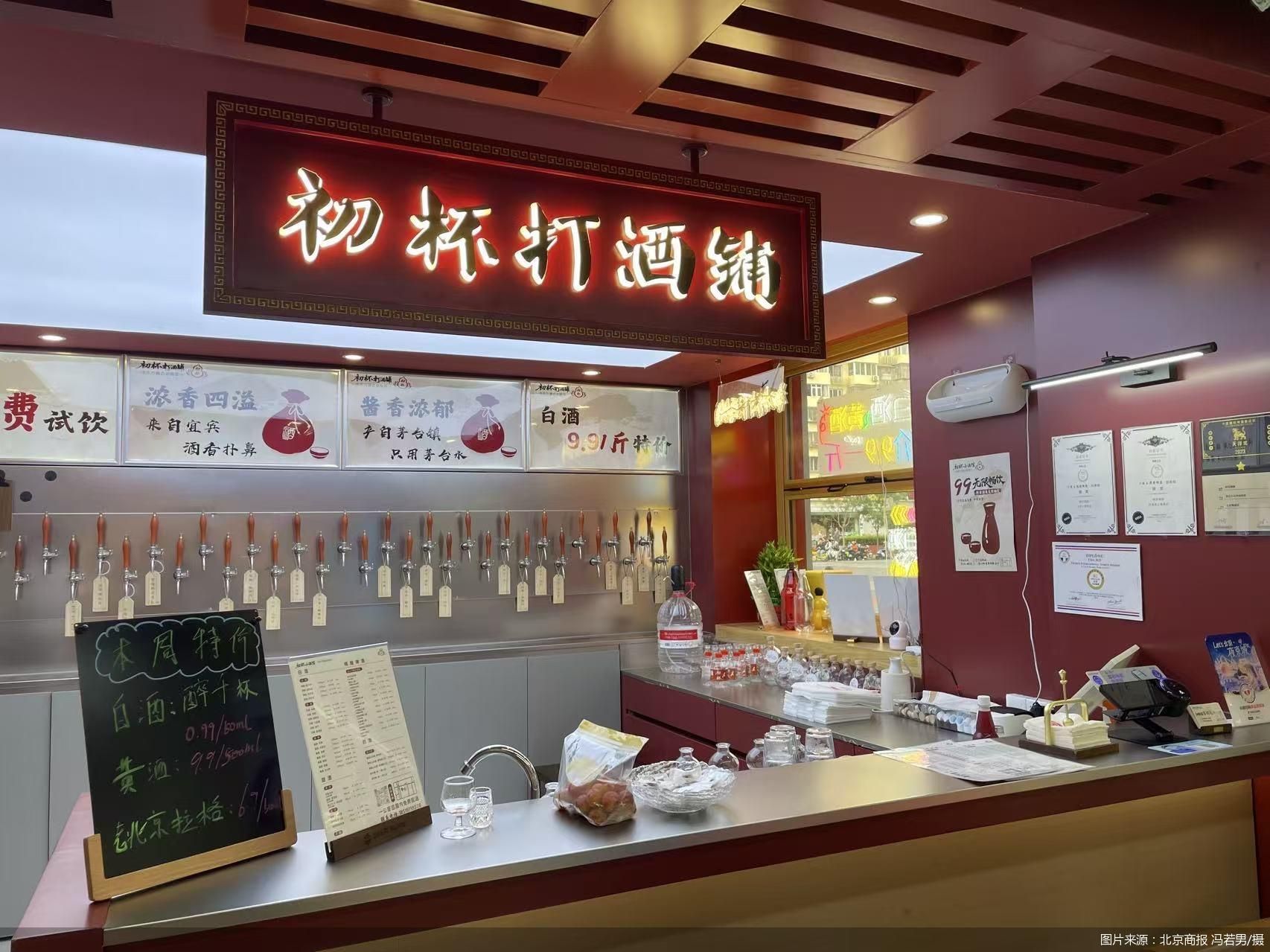
Core Insights - The rise of a new social business model centered around "micro-drunk" experiences in small taverns is emerging as a significant segment within the liquor market, potentially reaching a trillion-level market size [1] - As capital flows into this seemingly expansive market, challenges such as product homogenization and supply chain integrity are becoming bottlenecks for sustainable growth [1] - The ability to integrate exceptional offline experiences, efficient online fulfillment, and unique cultural content will determine which players can attract young consumers and succeed in the competitive landscape [1] Market Trends - The "day coffee, night liquor" model exemplifies a mixed-use tavern approach, addressing consumer demand for diverse social spaces and complex taste experiences [3] - Craft beer bars are creating dedicated spaces for consumers, fostering a sense of identity and community [4] - The emergence of community-focused liquor shops, such as "打酒铺," emphasizes local consumer engagement and high cost-performance ratios, with prices for various liquor types ranging from 2.99 to 39.99 yuan per 50ml [4][5] Consumer Behavior - Young consumers are shifting from traditional drinking cultures to a "micro-drunk" economy, prioritizing personal enjoyment and emotional fulfillment over social expectations [8] - The main drinking scenarios have transitioned from passive business gatherings to active socializing among friends, with a significant online presence reflected in over 100 million views of tavern-related topics on social media by 2025 [8] - Younger consumers are increasingly price-sensitive and willing to pay for atmosphere and experience, leading to a preference for cost-effective liquor options [8] Competitive Landscape - The small tavern sector is entering a phase of homogenization, with many establishments lacking unique branding and consumer loyalty [9] - Future competition will focus on three key areas: scene innovation, product development towards lower alcohol content and health, and cultural integration that resonates with younger consumers [9][10] - Supply chain strength and quality control are critical for sustaining competitive advantage, with successful models relying on specialized knowledge and technology [10] Future Outlook - The integration of online and offline channels is expected to redefine consumer experiences, with a shift towards online instant retail becoming more prominent [11] - The small tavern industry must evolve from merely providing space to creating engaging experiences and community connections to capture market opportunities [12] - Establishing brand barriers through deep content and local culture will be essential for long-term success in the small tavern market [12]

“投资50万,一年仍未盈利”,第一批日咖夜酒开始关店?
3 6 Ke· 2025-07-05 02:21
Core Insights - The "day coffee, night bar" concept, once popular among young consumers, is now facing significant challenges as many establishments are struggling to remain profitable and are even closing down [1][2][14] Group 1: Market Trends - The "day coffee, night bar" model gained traction in recent years, attracting numerous entrepreneurs due to its perceived profitability [2][27] - However, as the market becomes saturated and consumer interest wanes, many businesses are experiencing difficulties [2][14] Group 2: Business Challenges - Entrepreneurs like Chen Lin invested around 500,000 yuan to start a hybrid coffee and bar business but failed to achieve profitability after a year, leading to closure [3][6] - Many establishments are reverting to their original coffee business after struggling to attract customers during bar hours [8][10] - A common issue among these businesses is the lack of a standout product, leading to consumer confusion and diminished interest [8][22] Group 3: Consumer Behavior - Initial consumer interest was driven by social media trends, but many customers are not returning for repeat visits, resulting in low daily foot traffic [24][26] - The phenomenon of "one-time customers" has emerged, where consumers visit primarily for social media content rather than genuine interest in the offerings [24][26] Group 4: Operational Complexity - The dual nature of operating both a coffee shop and a bar complicates management, requiring significant effort in design, staffing, and inventory [29] - Many operators underestimated the complexities involved in successfully running a dual-concept establishment, leading to operational inefficiencies [29]
