晋江文学城

Search documents
怀柔区互联网协会2家企业入围 “综合贡献奖”10强
Sou Hu Cai Jing· 2026-01-04 09:12
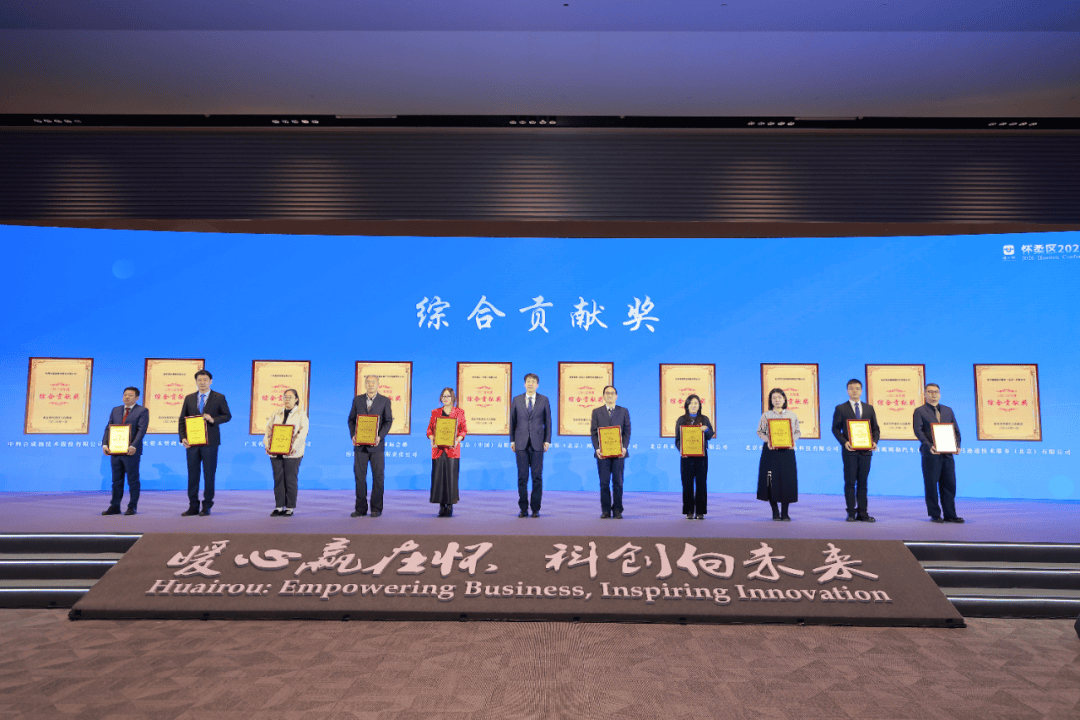
Group 1 - The conference held on January 4 focused on optimizing the business environment and promoting high-quality development in Huairou District, recognizing 25 companies for their significant contributions [2] - Among the recognized companies, Beijing Jinjiang Original Network Technology Co., Ltd. and Jingji World (Beijing) Network Technology Co., Ltd. were highlighted as top ten in the "Comprehensive Contribution Award" [2] Group 2 - Beijing Jinjiang Original Network Technology Co., Ltd., established in 2006, is a national high-tech enterprise with over 70 million registered users and 700,000 online novels, making it a leading platform for female-oriented original literature in mainland China [4] - Jingji World (Beijing) Network Technology Co., Ltd., founded in 2007, is also a national high-tech enterprise with over 900 million registered users, recognized as a top developer and operator of online gaming in China, ranking in the top 50 of the "China Internet Top 100 Enterprises" for five consecutive years [4] - Both companies are part of the district's internet association, which organized participation in the conference to enhance understanding of local business policies and resources, aiming to expand cooperation channels and match industry opportunities [5]

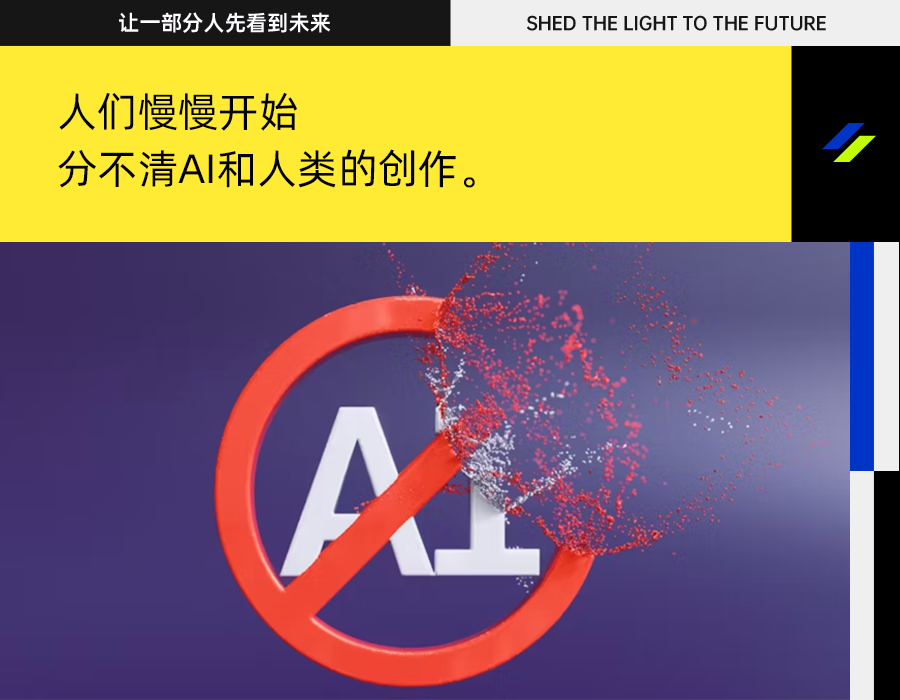
AI吞掉网文流量,底层作者正被「无声清退」
3 6 Ke· 2025-10-11 05:28
Core Viewpoint - The rise of AI-generated content is causing significant disruption in the literary industry, leading to protests from human authors against the unauthorized use of their works for AI training and the encroachment of AI on their creative space [1][21][25] Group 1: Author Protests and Legal Actions - Notable authors, including Grady Hendrix and Jennifer Robertson, have filed a collective lawsuit against Apple for allegedly using their works without permission to train the AI model OpenELM [1] - Over a thousand authors signed an open letter demanding publishers never release machine-generated books, emphasizing the importance of human emotional expression in literature [1][21] - In China, authors like Xiao Shen have reported instances of their works being replicated and modified by AI, leading to a sense of infringement and loss of income [2][3] Group 2: Impact on the Online Literature Industry - The influx of AI-generated content on platforms like Tomato Novel has surged dramatically, with new book releases increasing from 400 to 5606 in a year, a 13-fold increase [3][4] - Despite attempts by platforms to control AI content, the volume remains high, with nearly 2000 new books being released daily as of mid-September [3][4] - Authors are struggling to gain visibility and income as AI-generated works dominate the platform's traffic, leading to a decline in opportunities for new writers [4][5] Group 3: Author Experiences and Adaptations - Authors like Cang Shu have experienced a complete halt in their work's visibility on platforms, leading to a loss of income and forcing them to seek alternative avenues [4][5] - Some authors are transitioning to other creative fields, such as adapting their works into short dramas, in search of better financial stability [6][7] - The pressure to produce content has increased, with some authors reporting writing outputs significantly higher than average, yet still being overshadowed by AI capabilities [6][7] Group 4: AI's Evolving Capabilities - AI tools are becoming increasingly sophisticated, with capabilities to generate coherent and contextually relevant content, making it difficult for readers to distinguish between AI and human-written works [8][10] - The emergence of advanced AI writing tools has raised concerns about the future of the writing profession, as fully autonomous AI content generation could threaten traditional authorship [11][12] Group 5: Monetization and Market Dynamics - Individuals and teams are leveraging AI to produce large volumes of content quickly, with some reporting significant traffic and engagement on their AI-generated works [14][17] - The market for AI writing tools and courses is growing, with some users successfully monetizing AI-generated content through various platforms [18][19] - Despite the challenges posed by AI, platforms are currently siding with human authors, implementing measures to limit low-quality AI content while still allowing for some AI-assisted writing [21][25]
AI吞掉网文流量,底层作者正被“无声清退”|深氪lite
3 6 Ke· 2025-10-10 02:13
Group 1 - The core issue is the rising conflict between authors and AI-generated content, with authors feeling threatened by the unauthorized use of their works to train AI models [1][12][18] - A significant increase in AI-generated content has been observed on platforms like Tomato Novel, with new book releases skyrocketing from 400 to 5606 in one year, indicating a 1300% increase [4] - Authors are struggling to maintain visibility and income as AI-generated works flood the market, leading to a decline in their readership and revenue [5][6][21] Group 2 - The emergence of AI-assisted writing tools has allowed for rapid content production, with some authors able to generate up to 20,000 words daily, significantly impacting traditional writing practices [5][14] - Platforms are attempting to regulate AI content, but the effectiveness of these measures remains uncertain, as low-quality AI content continues to proliferate [18][21] - The market for AI-generated content is becoming lucrative, with some individuals successfully monetizing AI-written works, highlighting a shift in the industry dynamics [15][17] Group 3 - The backlash against AI content has led to collective actions from authors, including lawsuits and public protests against platforms that utilize AI in ways perceived as harmful to their rights [1][19] - Despite the challenges posed by AI, some authors still believe in the irreplaceability of human creativity, although the line between AI-generated and original content is becoming increasingly blurred [8][12][20] - The industry is witnessing a bifurcation, where established authors remain relatively unaffected while emerging writers face significant challenges due to the saturation of AI content [21]
一小时写30万字,AI「血洗」网文作者|深氪lite
3 6 Ke· 2025-10-09 11:47
Core Viewpoint - The article discusses the growing resistance from authors against AI-generated content in the literary industry, highlighting legal actions and personal experiences that reflect the impact of AI on traditional writing and the challenges faced by authors in a rapidly changing landscape [4][5][6]. Group 1: Author Resistance and Legal Actions - A collective lawsuit was filed by authors against Apple for unauthorized use of their works to train AI models, indicating a significant pushback against AI in the literary field [4]. - Over a thousand authors signed an open letter demanding publishers not to release machine-generated books, emphasizing the importance of human creativity in literature [4]. Group 2: Impact of AI on the Online Literature Industry - The influx of AI-generated content on platforms like Tomato Novel has surged, with new book releases increasing from 400 to 5,606 in one year, a 1,300% rise [8]. - Despite attempts by platforms to control AI content, the volume of AI-generated works continues to disrupt the flow of new authors and their potential earnings [8][9]. Group 3: Author Experiences and Challenges - Authors like "Cang Shu" and "Xiao Zhang" have reported significant drops in their readership and income due to the overwhelming presence of AI-generated content, leading to feelings of frustration and confusion [9][10]. - The introduction of AI-assisted writing tools has allowed for rapid content production, but many authors feel their traditional writing efforts are being overshadowed [9][10]. Group 4: AI Content Production and Monetization - Individuals and small teams are leveraging AI to produce large volumes of content quickly, with one author reportedly generating a 200,000-word novel in just a few hours [20][27]. - The monetization of AI-generated content is evident, with some authors successfully selling rights to their AI-generated works, indicating a new revenue stream in the industry [27][28]. Group 5: Industry Response and Future Outlook - Platforms are currently siding with traditional authors, implementing measures to limit low-quality AI content while still grappling with the challenges posed by AI advancements [30][32]. - The future of the online literature industry remains uncertain as the capabilities of AI continue to evolve, raising questions about the long-term impact on human authors and the quality of literary works [33][34].