景泰蓝马年新春限定‘萌马献瑞’礼盒

Search documents
汇聚六百年烟火气!隆福寺新春市集,“马不停蹄”逛起来→
Bei Jing Ri Bao Ke Hu Duan· 2026-02-14 08:10
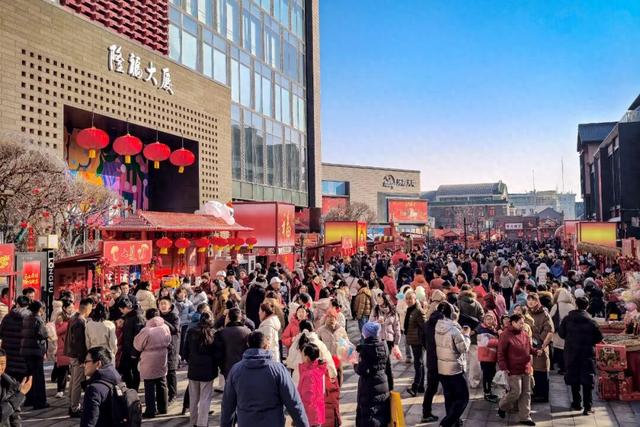
Core Viewpoint - The 2026 Longfu Temple Spring Market, themed "Unceasingly Busy, Prosperity Gathering," has officially opened, blending traditional customs with modern aesthetics to create an immersive cultural consumption experience for citizens and tourists, revitalizing the historical Longfu Temple area as the Year of the Horse approaches [1][3][27]. Group 1: Market Overview - The Longfu Temple Spring Market serves as a benchmark for the revitalization of Beijing's old city, injecting strong consumer vitality into the New Year celebrations and becoming a distinctive part of the East City New Year consumption map [3][9]. - The market features 2 performance spaces and 53 stalls, collaborating with 57 brands to create diverse consumption scenarios that cater to various needs such as purchasing, experiencing, and entertainment [3][9]. Group 2: Cultural and Artistic Elements - The market's design enhances the traditional atmosphere, with a "Longfu Horse" sculpture at the entrance and numerous decorative elements that embody the spirit of the Year of the Horse, creating an immersive shopping experience [5][6]. - Over 30 time-honored brands are prominently featured, including 21 traditional and intangible cultural heritage stalls, showcasing a variety of New Year products that reflect local culture [12][14]. Group 3: Culinary Offerings - The market offers a wide array of culinary delights, featuring traditional Beijing dishes alongside flavors from various regions, including Fujian and Sichuan, creating a rich gastronomic experience [20][24]. - Notable food vendors include Donglaishun's beef tripe and various local snacks, providing visitors with authentic tastes of Beijing [20][24]. Group 4: Community Engagement and Economic Impact - Local merchants are actively participating by launching New Year-themed activities that enhance the market's appeal and stimulate holiday consumption, making the Longfu Temple area a popular destination for New Year celebrations [11][29]. - The market not only serves as a festive gathering but also as a platform for cultural heritage transmission, showcasing the historical significance of the Longfu Temple area over nearly six centuries [27][29].

考察回访|跟着总书记,打卡隆福寺新春市集,好吃、好逛、好玩
Xin Lang Cai Jing· 2026-02-13 04:51
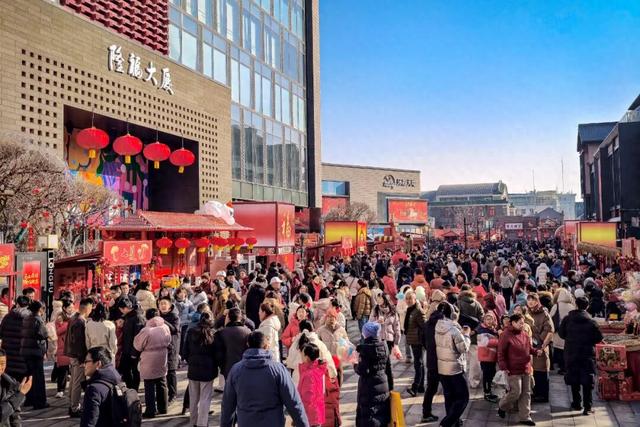
Core Insights - The 2026 Longfu Temple Spring Market has commenced, focusing on "Fu" culture and creatively integrating traditional customs with modern aesthetics to provide an immersive cultural consumption experience [1][3] Group 1: Event Overview - The Spring Market runs from February 4 to March 3, open daily from 10 AM to 7 PM, with an expected daily visitor count of 50,000 [1] - The event features 57 brands across 53 stalls, offering diverse consumer experiences including shopping, entertainment, and cultural activities [3] Group 2: Cultural and Artistic Elements - The market includes two performance spaces and showcases traditional and modern art forms, enhancing the festive atmosphere with installations like the "Longfu Horse" sculpture and various decorative elements [3][5] - Over 30 time-honored brands are participating, with a mix of traditional crafts and modern interpretations, such as the "Cute Horse Brings Good Luck" gift box from Beijing Enamel Factory [5][6] Group 3: Culinary Offerings - The market features a wide array of culinary delights, including traditional Beijing snacks and dishes from various regions, such as Fujian and Sichuan, providing a comprehensive taste of Chinese cuisine [8] - Notable food vendors include Donglaishun and traditional snack shops, offering local favorites that attract both locals and tourists [8] Group 4: Innovative Retail Experiences - Longfu Temple's innovative stores are launching special Spring Festival products, blending cultural heritage with modern consumer trends, such as the bronze-shaped pastries from Beijing Daoxiangcun [10] - The market also includes various creative brands and unique gift options, allowing visitors to prepare for the Spring Festival in one location [12]
(新春走基层)延续六百年烟火气 北京隆福寺新春市集“共绘”京韵年味
Zhong Guo Xin Wen Wang· 2026-02-13 00:23
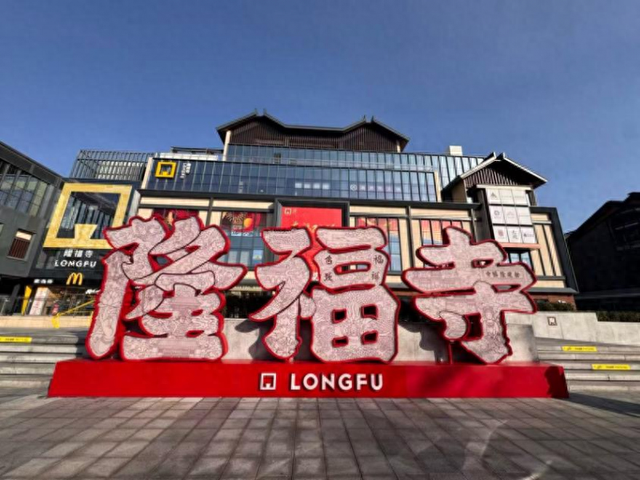
Core Viewpoint - The 2026 Longfu Temple Spring Market in Beijing revives the traditional festive atmosphere, showcasing a blend of cultural heritage and modern consumerism, attracting significant foot traffic and participation from various brands and local artisans [1][3][5]. Group 1: Market Overview - The Longfu Temple has been a cultural landmark in Beijing for nearly 600 years, evolving from a royal incense site to a bustling marketplace, reflecting the city's rich history and vibrant community life [3][5]. - The market features over 30 time-honored brands and a variety of Spring Festival-themed products, enhancing the festive shopping experience for visitors [5][8]. Group 2: Cultural and Economic Impact - The event is part of a broader initiative by the Dongcheng District to promote consumer activities during the Spring Festival, with nearly 100 themed events planned across key shopping districts [5]. - The market is expected to attract an average of 50,000 visitors daily, running from February 4 to March 3, with a focus on diverse consumer needs through various entertainment and shopping options [6][8]. Group 3: Product Highlights - A notable feature of the market is the presence of over 30 time-honored brands, including 21 traditional and intangible cultural heritage stalls, which create a unique shopping environment [8]. - The Beijing Enamel Factory's special "Lucky Horse" gift box, featuring themed refrigerator magnets, has gained popularity among consumers, showcasing the integration of traditional craftsmanship with modern design [8].

汇聚六百年烟火气!隆福寺新春市集,“马不停蹄”逛起来
Bei Jing Ri Bao Ke Hu Duan· 2026-02-12 06:39
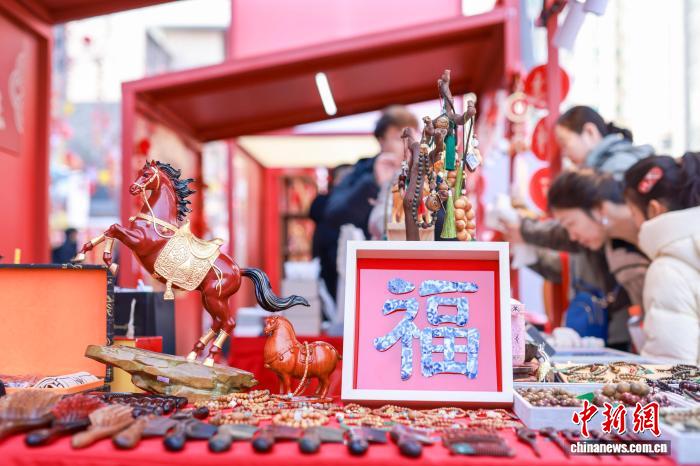
Core Viewpoint - The 2026 Longfu Temple Spring Market, themed "Unceasingly Busy, Prosperity Gathering," has officially opened, blending traditional customs with modern aesthetics to create an immersive cultural consumption experience for citizens and tourists, revitalizing the historical Longfu Temple area ahead of the Year of the Horse [1][3][27]. Group 1: Market Overview - The Longfu Temple Spring Market serves as a benchmark for the revitalization of Beijing's old city, injecting strong consumer vitality into the New Year celebrations and becoming a distinctive part of the East City’s New Year consumption map [3][9]. - The market features 2 performance spaces and 53 stalls, collaborating with 57 brands to create diverse consumption scenarios that cater to various needs such as purchasing, experiencing, and entertainment [3][9]. Group 2: Cultural and Artistic Elements - The market's design enhances the traditional atmosphere, with a "Longfu Horse" sculpture and numerous blessing lanterns creating an immersive experience that reflects the New Year’s themes [5][6]. - Over 30 time-honored brands are prominently featured, showcasing a variety of traditional and innovative products that embody the unique cultural flavor of Beijing [12][14]. Group 3: Culinary Offerings - The market offers a wide array of culinary delights, including traditional Beijing snacks and dishes from various regions, allowing visitors to experience diverse flavors [20][24]. - Notable food vendors include Donglaishun and traditional eateries, providing authentic local tastes alongside other regional cuisines [20][24]. Group 4: Community Engagement and Economic Impact - Local merchants are actively participating by launching New Year-themed activities, enhancing the market's collective effect on holiday consumption and making the Longfu Temple area a popular destination [11][29]. - The market is expected to run until March 3, featuring a rich array of activities that stimulate holiday economic growth and showcase the vibrant life of Beijing's old city [9][11]. Group 5: Historical Significance - The Longfu Temple has a rich history spanning nearly six centuries, serving as a vital cultural and commercial hub in Beijing, and the Spring Market continues this legacy by connecting tradition with modernity [27][29]. - The area has undergone significant urban renewal efforts, positioning it as a cultural landmark that integrates historical elements with contemporary functions [29][31].