
枸杞拿铁

Search documents
商圈“京”彩过大年!有潮流市集、非遗文化,更有科技体验
Xin Lang Cai Jing· 2026-02-21 03:55
Core Insights - The article highlights the vibrant atmosphere of the Lunar New Year market at Longfu Temple, showcasing a blend of traditional culture and modern retail experiences [2][3][6] Group 1: Market Atmosphere - The Longfu Temple market is bustling with visitors enjoying traditional foods and shopping, creating a lively festive environment [2][3] - The market features over a hundred stalls offering various traditional snacks, attracting large crowds [3][5] - The presence of cultural elements, such as the "Longfu Horse" sculpture and decorative lanterns, enhances the festive spirit [3][4] Group 2: Cultural Heritage and Innovation - The market includes a non-material cultural heritage section where artisans showcase traditional crafts, such as the "Rabbit Master" figurines and "翻里花" toys, which have been modernized for contemporary appeal [4][5] - The integration of traditional crafts with modern design has made these items popular among visitors, especially as souvenirs [5][6] Group 3: Technological Integration - The introduction of a smart retail store featuring a robot named "Xiao Gai" has attracted attention, providing a unique shopping experience with automated service [8][9] - The robot is equipped with advanced technology, allowing it to interact with customers and perform tasks similar to human staff [8][10] - The presence of robots in various roles, including as bartenders and performers, reflects a trend of blending technology with traditional celebrations [10]

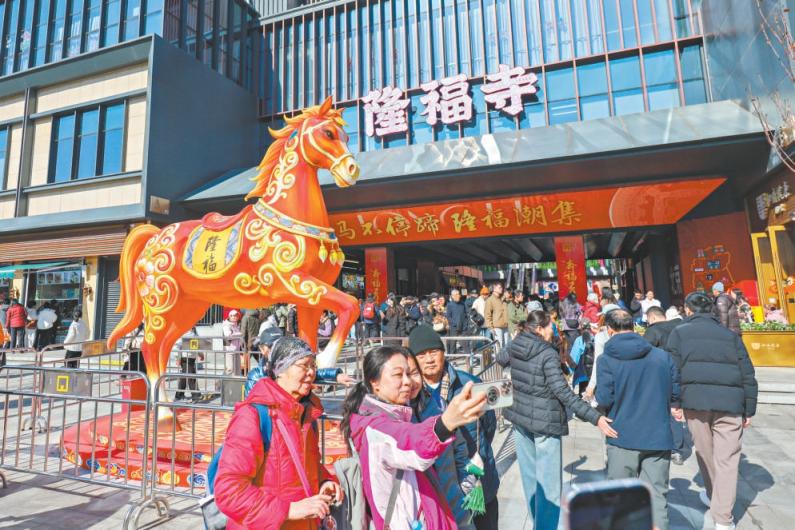
北京隆福寺真热闹啊
Xin Lang Cai Jing· 2026-02-21 03:52
Group 1 - The article highlights the vibrant atmosphere of the Longfu Temple area during the Spring Festival, showcasing a blend of traditional and modern elements in the marketplace [1] - Various stalls feature traditional delicacies and modern products, such as the "Star People" ice pops from Pop Mart, appealing to both older and younger generations [1] - The integration of technology is evident with the presence of robot "staff" in smart retail stores, enhancing the festive experience for visitors [1] Group 2 - The article emphasizes the immersive experience provided by intangible cultural heritage displays, allowing visitors to engage with traditional crafts [1] - The Longfu Temple area has undergone renovations, merging old and new, and creating a unique shopping experience that reflects the cultural richness of Beijing [1] - The diverse offerings, from traditional almond tea to modern health drinks, illustrate the fusion of heritage and contemporary trends in the local market [1]
商圈“京”彩过大年
Xin Lang Cai Jing· 2026-02-20 22:46
Core Viewpoint - The article highlights the vibrant atmosphere of the Lunar New Year celebrations in Beijing, showcasing a blend of traditional culture and modern retail experiences, particularly in the bustling commercial districts like the Longfu Temple area and newly opened shopping complexes [4][5][8]. Group 1: Longfu Temple Market - The Longfu Temple area has transformed into a lively market with over a hundred stalls offering traditional snacks and cultural experiences, attracting families and tourists [5][6]. - The market features a variety of traditional foods such as sugar paintings and tea soup, alongside modern attractions like a large sculpture of a horse symbolizing good fortune [5][6]. - Visitors are engaging with cultural displays, including non-material cultural heritage items like the "rabbit elder" figurines, which have been creatively reimagined for the New Year [6][7]. Group 2: New Shopping Complexes - New commercial complexes in Beijing, such as the Bay Area and the renovated Friendship Store, have become popular destinations for celebrating the New Year, offering immersive cultural experiences and festive decorations [8][9]. - The Bay Area features themed markets that showcase the cultural heritage of various Chinese regions, including performances and traditional crafts [8]. - The Friendship Store has incorporated interactive installations and festive decorations, enhancing the celebratory atmosphere for families visiting during the holiday [9]. Group 3: Technological Integration - The introduction of robotic staff in retail environments, such as the "Galbot G1" robot in a smart retail store, represents a significant technological advancement in customer service during the holiday season [10][11]. - These robots not only assist in sales but also engage with customers, creating a unique shopping experience that combines technology with traditional festivities [10][11]. - The presence of robots in commercial spaces is seen as a modern twist on traditional celebrations, appealing to both children and adults [11].

有潮流市集、非遗文化,更有科技体验:商圈“京”彩过大年
Xin Lang Cai Jing· 2026-02-20 22:46
Core Insights - The article highlights the vibrant atmosphere of the Lunar New Year markets in Beijing, particularly at the Longfu Temple, showcasing a blend of traditional culture and modern retail experiences [1][2][3] Group 1: Market Atmosphere - The Longfu Temple market is bustling with visitors enjoying traditional foods and shopping, creating a lively festive environment [1][2] - The market features a mix of traditional and contemporary elements, such as the "Longfu Horse" sculpture and various food stalls offering local delicacies [2][3] - The presence of non-material cultural heritage displays and interactive experiences enhances the festive spirit, attracting families and tourists alike [3][4] Group 2: Cultural Integration - The market integrates traditional crafts with modern design, exemplified by unique products like the "Rabbit Master" figurines and traditional toys reimagined for contemporary audiences [3][4] - Non-material cultural heritage showcases are prominent, with artisans demonstrating their skills and engaging visitors in traditional crafts [5][6] Group 3: Technological Innovation - The introduction of smart retail technology, such as the robot "Xiao Gai," enhances the shopping experience, providing efficient service and entertainment [8][9] - The robot's capabilities include autonomous operation and customer interaction, reflecting a trend towards integrating technology in retail environments [8][9]
汇聚六百年烟火气!隆福寺新春市集,“马不停蹄”逛起来→
Bei Jing Ri Bao Ke Hu Duan· 2026-02-14 08:10
Core Viewpoint - The 2026 Longfu Temple Spring Market, themed "Unceasingly Busy, Prosperity Gathering," has officially opened, blending traditional customs with modern aesthetics to create an immersive cultural consumption experience for citizens and tourists, revitalizing the historical Longfu Temple area as the Year of the Horse approaches [1][3][27]. Group 1: Market Overview - The Longfu Temple Spring Market serves as a benchmark for the revitalization of Beijing's old city, injecting strong consumer vitality into the New Year celebrations and becoming a distinctive part of the East City New Year consumption map [3][9]. - The market features 2 performance spaces and 53 stalls, collaborating with 57 brands to create diverse consumption scenarios that cater to various needs such as purchasing, experiencing, and entertainment [3][9]. Group 2: Cultural and Artistic Elements - The market's design enhances the traditional atmosphere, with a "Longfu Horse" sculpture at the entrance and numerous decorative elements that embody the spirit of the Year of the Horse, creating an immersive shopping experience [5][6]. - Over 30 time-honored brands are prominently featured, including 21 traditional and intangible cultural heritage stalls, showcasing a variety of New Year products that reflect local culture [12][14]. Group 3: Culinary Offerings - The market offers a wide array of culinary delights, featuring traditional Beijing dishes alongside flavors from various regions, including Fujian and Sichuan, creating a rich gastronomic experience [20][24]. - Notable food vendors include Donglaishun's beef tripe and various local snacks, providing visitors with authentic tastes of Beijing [20][24]. Group 4: Community Engagement and Economic Impact - Local merchants are actively participating by launching New Year-themed activities that enhance the market's appeal and stimulate holiday consumption, making the Longfu Temple area a popular destination for New Year celebrations [11][29]. - The market not only serves as a festive gathering but also as a platform for cultural heritage transmission, showcasing the historical significance of the Longfu Temple area over nearly six centuries [27][29].
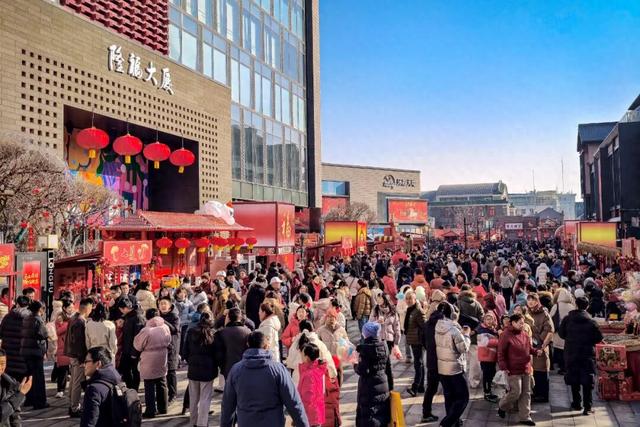
考察回访|跟着总书记,打卡隆福寺新春市集,好吃、好逛、好玩
Xin Lang Cai Jing· 2026-02-13 04:51
Core Insights - The 2026 Longfu Temple Spring Market has commenced, focusing on "Fu" culture and creatively integrating traditional customs with modern aesthetics to provide an immersive cultural consumption experience [1][3] Group 1: Event Overview - The Spring Market runs from February 4 to March 3, open daily from 10 AM to 7 PM, with an expected daily visitor count of 50,000 [1] - The event features 57 brands across 53 stalls, offering diverse consumer experiences including shopping, entertainment, and cultural activities [3] Group 2: Cultural and Artistic Elements - The market includes two performance spaces and showcases traditional and modern art forms, enhancing the festive atmosphere with installations like the "Longfu Horse" sculpture and various decorative elements [3][5] - Over 30 time-honored brands are participating, with a mix of traditional crafts and modern interpretations, such as the "Cute Horse Brings Good Luck" gift box from Beijing Enamel Factory [5][6] Group 3: Culinary Offerings - The market features a wide array of culinary delights, including traditional Beijing snacks and dishes from various regions, such as Fujian and Sichuan, providing a comprehensive taste of Chinese cuisine [8] - Notable food vendors include Donglaishun and traditional snack shops, offering local favorites that attract both locals and tourists [8] Group 4: Innovative Retail Experiences - Longfu Temple's innovative stores are launching special Spring Festival products, blending cultural heritage with modern consumer trends, such as the bronze-shaped pastries from Beijing Daoxiangcun [10] - The market also includes various creative brands and unique gift options, allowing visitors to prepare for the Spring Festival in one location [12]
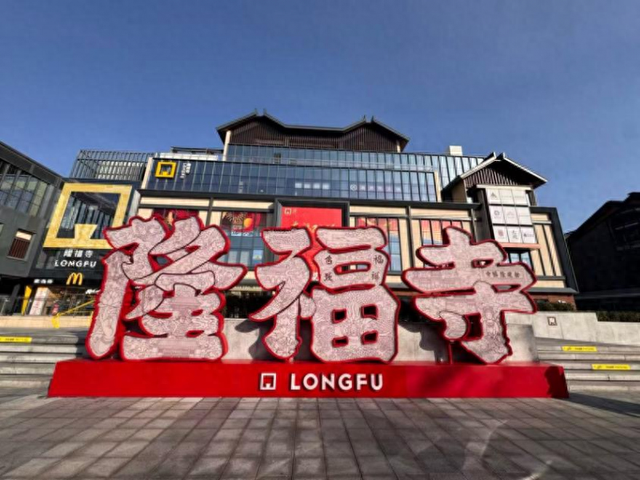
老字号在文商旅体展融合中破圈生长
Bei Jing Ri Bao Ke Hu Duan· 2025-12-23 23:19
Core Viewpoint - The article highlights the innovative integration of traditional Chinese medicine (TCM) with cultural, commercial, and tourism sectors by Beijing Tongrentang Group, emphasizing its strategic importance for future development and consumer engagement [1][4][6]. Group 1: Integration of TCM and Cultural Tourism - Beijing Tongrentang is transforming traditional consumer experiences by creating new retail environments that blend health products, dining, and cultural experiences, moving away from the conventional pharmacy model [4][5]. - The company is leveraging its cultural heritage and TCM as a lifestyle practice to foster sustainable and experiential consumer engagement [4][5]. - Initiatives such as the establishment of "Tongrentang Day" and participation in major sports events illustrate the company's commitment to cultural integration and consumer interaction [4][5]. Group 2: Collaborative Practices and Resource Integration - Tongrentang has formed partnerships with various brands to create unique offerings, such as herbal hot pot and commemorative products, enhancing its market presence [5][6]. - The company has developed a collaborative mechanism involving 15 entities to facilitate resource sharing and cross-industry cooperation, evolving from initial market events to broader applications in hotels and tourist areas [5][6]. - Recent collaborations with high-end hotels and tourist attractions aim to incorporate TCM wellness services into luxury travel experiences, showcasing the brand's adaptability [5][6]. Group 3: Innovation and Quality Development - The "14th Five-Year Plan" period has seen Tongrentang focus on high-quality development through technological innovation, sustainable practices, and international expansion [8][9]. - The company has established a robust R&D framework, resulting in over 800 domestic patents and the launch of nearly 300 new products since the beginning of the 14th Five-Year Plan [8][9]. - Smart manufacturing initiatives have been implemented, including the development of intelligent factories and digital production lines, enhancing operational efficiency and product quality [9][10]. Group 4: Market Expansion and Global Outreach - Tongrentang has registered over 1,200 product varieties for export and has established a significant international presence, providing services to over 30 million people globally [11]. - The company views its international outlets as cultural ambassadors, promoting TCM through various initiatives, including cultural experience centers and health ambassador programs [11]. - The establishment of cultural display areas and health seminars abroad reflects Tongrentang's commitment to globalizing its brand and TCM practices [11]. Group 5: Future Directions and Strategic Planning - As the company approaches the end of the 14th Five-Year Plan, it is focusing on technological innovation and digital transformation as key components of its future strategy [12][14]. - The upcoming "15th Five-Year Plan" emphasizes enhancing core competencies, fostering research reforms, and ensuring comprehensive collaboration across its business units [14][15]. - Talent development is prioritized, with plans for systematic training and recruitment of high-quality professionals to support innovation and organizational growth [15][17].

从好品质到好品牌 非遗焕新融入当下
Zhong Guo Xin Wen Wang· 2025-11-28 15:06
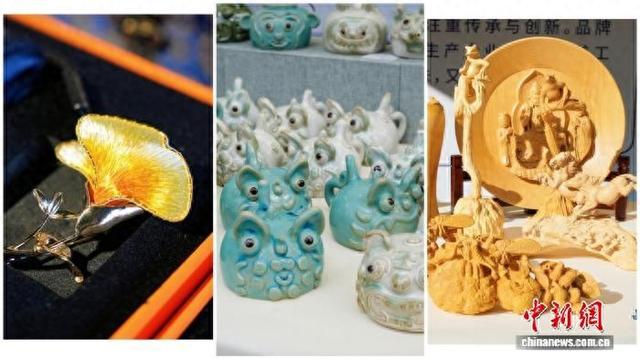
Core Insights - The 2025 Intangible Cultural Heritage (ICH) Brand Promotion Week in Dali, Yunnan, showcases 121 notable ICH brands from across China, providing a platform for experience sharing among ICH representatives [1][3] Group 1: Traditional Brands - Established brands like Tongrentang, founded in 1669, are innovating with health drinks such as "Morning Water" and "Overnight Water," appealing to younger consumers [3] - Wangxingji, another traditional brand, is incorporating contemporary themes into its fan products, including zodiac and anime designs, through material and artistic innovation [3] Group 2: Youth Brands - The Ru Shan Ming brand, founded by Li Keming, emphasizes "New Chinese Aesthetic Objects" and has gained recognition for its tea cups showcased at major events like the Paris Olympics [3] - The brand Jizhutang, led by 90s-born founder Yang Changqin, is transforming traditional bamboo crafts into modern products, creating over 3,000 flexible job opportunities with an average annual income increase of nearly 20,000 yuan [3] Group 3: Cross-Industry Innovations - "Wang's Hand Creation" is exploring the commercial value of local culture and crafts, integrating traditional skills into daily products through modern media like short videos and live streaming [3] - Pop Mart is linking trendy products with ICH, breathing new life into traditional intellectual properties through a "non-heritage + trendy play" approach [3] Group 4: Individual Practices and Innovations - ICH representatives are sharing personal experiences, such as Li Xingchang, who promotes Pu'er tea-making techniques nationwide to enhance consumer awareness of ICH [4] - Qiao Lin, representing traditional Qiao's ceramic techniques, is creating trendy accessories and home goods based on traditional skills [4] - Designer He Bowen merges traditional crafts like wax dyeing and embroidery with modern design, integrating ICH into contemporary life [4] Group 5: Brand Development and Sustainability - Professor Chen Anying from Tsinghua University emphasizes that diversity in ICH brands enhances sustainability and vitality, particularly in traditional craft regions [6] - The emergence of new brands from skilled practitioners, even those without high-level recognition, can significantly boost the transmission of ICH projects [6] Group 6: Case Study of Brand Creation - Liu Zhongping, founder of "Jieyou Nianhua Pu," created a brand that revitalizes traditional woodblock prints by incorporating modern themes and interactive experiences, such as themed events [7] - The China Tourism Press announced a 2024 initiative to promote innovative ICH products that blend traditional craftsmanship with modern design, aiming to integrate ICH into everyday life [7]
北京文化产业跨界创新活力涌现
Bei Jing Wan Bao· 2025-09-23 06:10
Group 1 - The integration of traditional Chinese medicine with new consumption trends and technologies is revitalizing Beijing's cultural industry [1][2] - Tong Ren Tang's "Zhi Ma Health Zero Store" has become a popular destination for young consumers, featuring a large unmanned vending machine that can hold up to 9,000 products [1] - The store combines traditional medicine with modern food trends, offering innovative products like goji berry latte and dried tangerine peel latte [1] Group 2 - The "Modular World" AI industrial community in Beijing is enhancing cultural upgrades through innovative technologies, allowing for the quick creation of personalized digital avatars [2] - The technology from Jisi Technology enables the generation of highly realistic digital humans, which are now active in over 500 brand live streams with an accuracy rate exceeding 98% [2] - The China Digital Culture Group showcases the role of digital technology in cultural preservation, featuring immersive VR experiences and digital exhibitions of cultural artifacts [2]


“养生经济”正在拿捏“Z世代”
Xiao Fei Ri Bao Wang· 2025-09-05 02:34
Group 1 - The core idea is that traditional Chinese medicine brands are transforming their offerings to appeal to younger consumers, focusing on a "light health" lifestyle rather than just selling beverages [1][2] - Several century-old brands, such as Tongrentang and Pianzaihuang, are innovating in products, scenarios, and business models to create shareable experiences that resonate with the Gen Z demographic [1][2] - The new store layout of Tongrentang emphasizes tea drinks and wellness products, attracting significant foot traffic even on weekdays, indicating a successful engagement with younger consumers [1] Group 2 - Pianzaihuang is revitalizing its brand image to connect with younger audiences through interactive marketing on platforms like Douyin and Xiaohongshu, utilizing engaging content to educate consumers about the brand [2] - The brand's Douyin challenge in 2025 achieved a remarkable 180 million views, showcasing the effectiveness of modern marketing strategies in reaching younger demographics [2] - Traditional brands are expanding their consumer engagement by developing creative products and collaborating across industries, such as launching health-focused coffee and unique medicinal dishes [2][3]
