智元灵犀X2青春版

Search documents
从“万元日租”到“千元肉搏”: 人形机器人租赁上演价格与生存战
Bei Ke Cai Jing· 2026-02-03 10:25
Core Insights - The humanoid robot rental market is experiencing significant changes, with a notable shift in brand competition and pricing dynamics driven by upcoming events like the 2026 Spring Festival [2][15][21]. Group 1: Market Dynamics - Several rental companies report that orders are already scheduled until the Spring Festival, indicating a steady demand despite fluctuations in daily bookings [1]. - The humanoid robot rental market has seen a drastic price drop, with rental prices for certain models falling from 20,000 yuan per day to around 5,000 yuan, reflecting a significant market correction [17][22]. - The entry of large platforms like Qingtian Rental and Wanjiyizu has intensified competition, leading to a "price war" that has further compressed profit margins for smaller rental companies [26][29]. Group 2: Brand Competition - Utree currently holds a dominant market share of approximately 70%, but competitors like Zhiyuan are gaining traction, especially as they offer better customization options for clients [8][10]. - The upcoming 2026 Spring Festival is viewed as a critical opportunity for brands to showcase their robots' capabilities, which could influence market positioning for the following year [15]. - Rental companies are diversifying their offerings by incorporating multiple brands to adapt to changing market conditions and consumer preferences [14][33]. Group 3: Operational Challenges - The rental business model involves not only the rental of robots but also considerations for after-sales service and operational expertise, which are crucial for successful performances [13][23]. - Many rental companies are now focusing on local markets and adjusting their operational strategies to cope with the declining rental prices and increased competition [34][32]. - The industry is characterized by a lack of standardization in pricing, leading to confusion and challenges for rental companies trying to establish a sustainable business model [25][21].


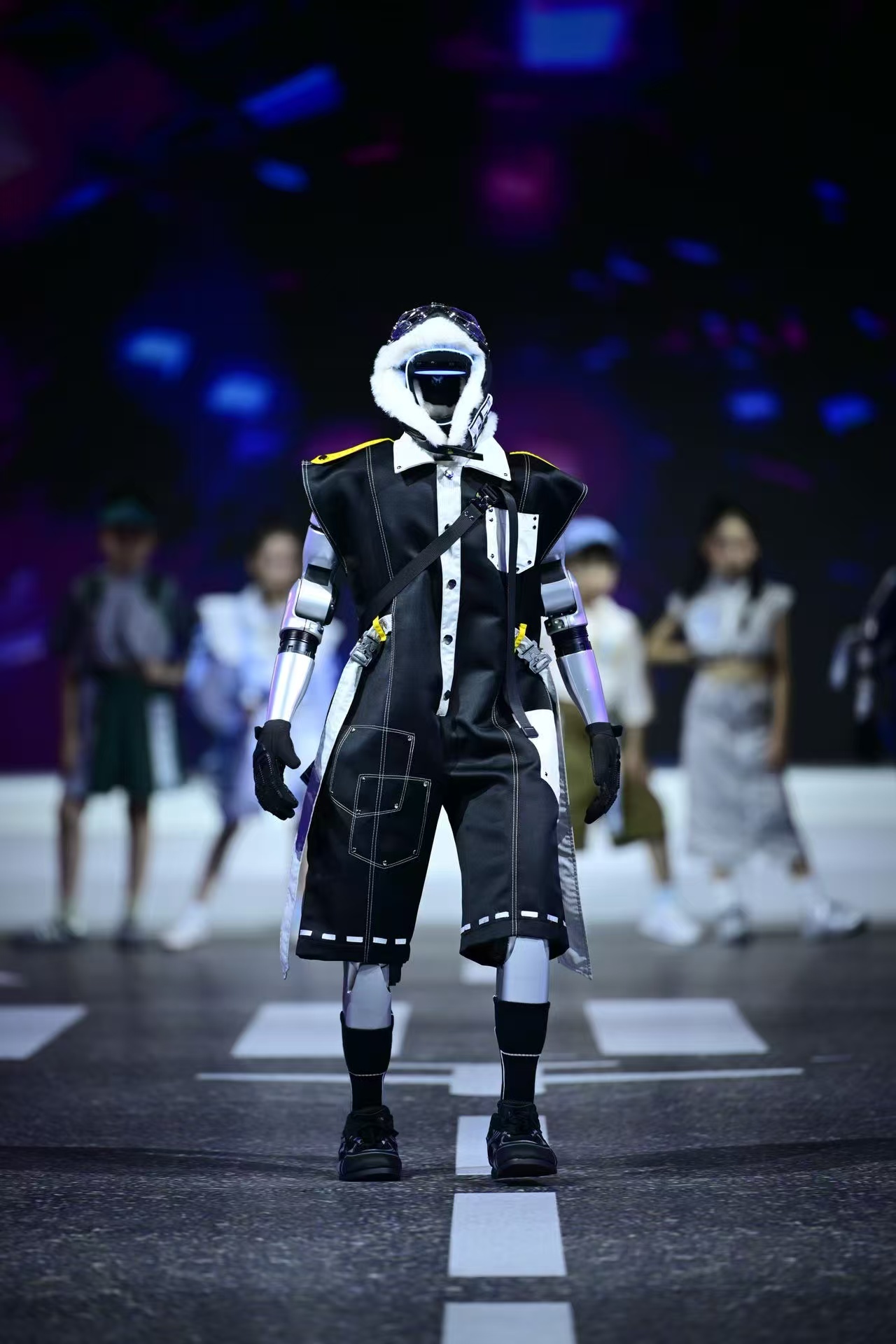
机器人租赁平台年末火爆, 但日租价大跌
Xin Lang Cai Jing· 2025-12-26 04:41
Group 1 - The robot rental market is experiencing explosive growth due to the increase in year-end events and performances, but rental prices are returning to rational levels, with daily rental fees dropping from over 10,000 yuan to hundreds or thousands of yuan [2] - Basic embodied intelligent robots can now be rented for as low as 200 yuan per day, while advanced interactive robots range from 2,000 to 5,000 yuan per day [2] - The rental business is booming, with some platforms reporting bookings extending into February, and prices fluctuating daily [2] Group 2 - The first open robot rental platform, "Qingtian Rental," was launched, aiming to connect over 10 manufacturers, 200 service rental companies, and 300,000 rental customers by 2026 [3] - The platform currently covers 50 core cities in China and plans to expand to over 200 cities by 2026, creating an open robot rental ecosystem [3] - Popular humanoid robots on the platform are available for daily rentals starting from 1,499 yuan, with promotional offers reducing prices to as low as 699 yuan [3] Group 3 - The robot rental market has surpassed 1 billion yuan, with expectations to reach no less than 10 billion yuan next year [10] - Sales of embodied intelligent robots have surged, with transaction volumes increasing by 757% year-on-year during October and November [10] - Despite growth, consumer-grade humanoid robots still face challenges in performing complex tasks and natural emotional interactions, indicating ongoing technological upgrades [10]

放弃百万年薪去卖人形机器人:再不入场就赶不上泡沫了
创业邦· 2025-09-16 03:30
Core Viewpoint - The humanoid robot industry is seen as the next major technological frontier, with significant investment and growth potential expected by 2025, despite current limitations in robot capabilities and commercial viability [6][9][24]. Industry Overview - The humanoid robot sector attracted over 40 billion in financing in the first half of 2025, with nine deals exceeding 500 million [6]. - The industry is currently in a chaotic early stage, with a general consensus that large-scale commercialization is still 3-5 years away [7][9]. - The International Data Corporation (IDC) predicts that approximately 2,000 humanoid robots will be sold in China in 2024, indicating a nascent market [9]. Market Dynamics - Companies are selling humanoid robots primarily for their marketing value rather than their functional capabilities, with many clients purchasing them to showcase innovation [12][18]. - The pricing structure in the industry is characterized by a "display price" for public perception and a "purchase price" that reflects the actual cost to clients, which is often significantly higher [15][17]. - The supply chain for humanoid robots is not yet fully developed, leading to production limitations and a reliance on manual assembly rather than automated processes [17][19]. Competitive Landscape - The competition is intensifying as companies strive to secure orders and demonstrate commercial viability, with many startups seeking external funding to survive [19][22]. - Established companies like Ubiquity are also facing challenges, as their humanoid robot sales remain low compared to other product lines, highlighting the need for diverse revenue streams [20][22]. - The industry is witnessing a race to go public, with companies aiming to establish themselves as leaders before the market cools down [23]. Future Outlook - The humanoid robot market is expected to see significant growth, with projections of annual sales doubling in the coming years, contingent on technological advancements [24]. - However, the initial phase of opportunity is limited, as larger tech firms are anticipated to enter the market once it matures, posing a threat to current startups [24].
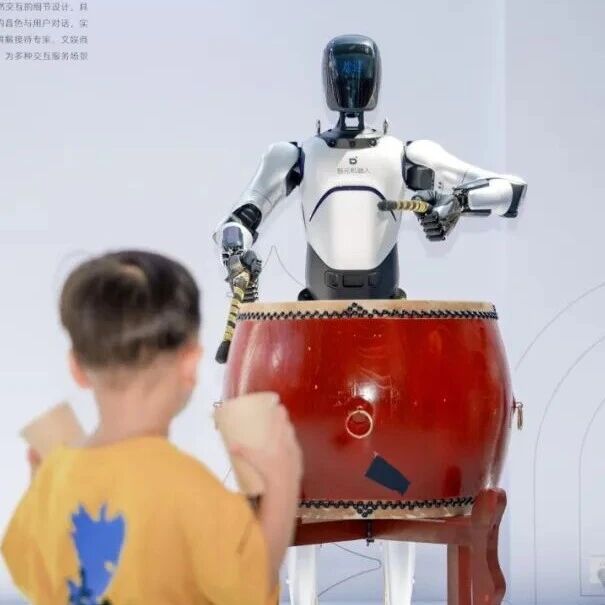
买机器人就像买奢侈品,谁在为机器人买单?
阿尔法工场研究院· 2025-09-16 00:07
Core Viewpoint - The humanoid robot industry is on the verge of significant growth, with the potential for the first A-share listing in this sector by Yushutech in September 2025, despite the current early-stage technology and limited commercial viability [5][6][30]. Group 1: Industry Overview - The humanoid robot sector is expected to become a major technological frontier, likened to smartphones and automobiles, with over 40 billion in financing attracted in the first half of 2025 [6][30]. - The industry is characterized by a significant gap between the current capabilities of humanoid robots and the expectations set by promotional materials, with many robots still requiring human control for basic functions [7][11]. - The commercial sales volume of humanoid robots in China is projected to be around 2,000 units in 2024, which is considered low compared to other manufacturing sectors [10][22]. Group 2: Market Dynamics - Companies in the humanoid robot space are currently leveraging a "bubble" to attract investment and media attention, which is essential for maintaining high valuations [10][23]. - The pricing structure in the industry is misleading, with "display prices" often much lower than the actual "purchase prices" that include necessary software and services [19][21]. - The competition for orders is intense, with companies resorting to various tactics to secure contracts, including inflating order numbers and leveraging relationships [27][28]. Group 3: Future Outlook - The industry is expected to see substantial growth, with projections of 50%-100% growth for each company in the first half of 2025, and potential annual output doubling in the coming years [30][31]. - However, the initial advantages held by startups may diminish as larger tech companies like Tencent and Alibaba enter the market, leveraging their resources and established supply chains [32]. - Companies must act quickly to secure orders and establish themselves as leaders in the market before the competitive landscape changes significantly [23][32].