智能建筑能源管理系统(BeMS)

Search documents
21专访丨霍尼韦尔大中华区总裁余锋:制造业转型过程中,企业要寻找绿色最优解
2 1 Shi Ji Jing Ji Bao Dao· 2026-02-25 23:20
Core Viewpoint - The trend of zero-carbon initiatives is gaining momentum in China, with the Ministry of Industry and Information Technology and other departments issuing guidelines for the construction of zero-carbon factories starting in 2026, aiming to promote deep decarbonization in the industrial sector [1] Group 1: Zero-Carbon Factory Development - The construction of zero-carbon factories is seen as a necessary progression for enterprises, organizations, and the nation [1] - Honeywell's Tianjin factory is part of a zero-carbon park initiative, exploring pathways for green and low-carbon industrial manufacturing [1] - Honeywell has 75% of its products manufactured in China coming from nationally or provincially recognized green factories [1][10] Group 2: Challenges in Manufacturing Transition - The primary challenge for the manufacturing sector in transitioning to intelligent and green practices is finding a balance between operational safety, production efficiency, green low-carbon goals, and cost optimization [3] - Increased pressure on profitability is noted due to capacity expansion outpacing market demand, leading to declining product prices and heightened difficulty in maintaining profitability [4] - A significant gap in professional talent is emerging, with fewer young people willing to work in complex chemical manufacturing roles, necessitating accelerated automation and digital transformation [5] Group 3: Technological and Strategic Integration - The transition from green factories to zero-carbon factories requires a comprehensive transformation involving strategy, technology, management, and supply chain [12] - Companies must overcome technical challenges and industry leadership integration to drive upgrades and open new growth points [13] - Effective carbon cost management and carbon asset operation are essential for transforming carbon management from a cost center to a potential profit center [13] Group 4: Honeywell's Commitment and Innovations - Honeywell is committed to achieving carbon neutrality in all its operations and facilities by 2035, aligning its development with China's dual carbon goals [11] - The Tianjin factory has implemented smart building energy management systems, resulting in a 5% reduction in electricity consumption and a decrease of 86 tons in carbon emissions [9] - The company aims to share its sustainable practices and innovations with local partners to contribute to the establishment of a national-level zero-carbon park in Tianjin [8]



专访霍尼韦尔余锋:制造业转型过程中,企业要寻找绿色最优解
2 1 Shi Ji Jing Ji Bao Dao· 2026-02-25 07:25
Core Viewpoint - The construction of zero-carbon factories is gaining momentum in China, with the Ministry of Industry and Information Technology and other departments issuing guidelines to select a batch of zero-carbon factories starting in 2026, aiming to promote deep decarbonization in the industrial sector [1] Group 1: Zero-Carbon Factory Development - The trend of zero-carbon factories follows the implementation of zero-carbon park policies, indicating a significant shift towards green and low-carbon transformation in manufacturing [1] - Honeywell's Tianjin factory is part of a zero-carbon park initiative, exploring feasible paths for green and low-carbon industrial manufacturing [1][3] - The company aims to upgrade from green factories to zero-carbon factories, aligning with national development goals and enhancing competitiveness [5][9] Group 2: Challenges in Manufacturing Transition - The manufacturing sector faces challenges such as increased profit pressure due to capacity expansion outpacing market demand, necessitating innovative solutions for sustainable development [2] - A significant talent gap is emerging as fewer young people are willing to work in traditional manufacturing roles, prompting a need for accelerated automation and digital transformation [2] Group 3: Technological Integration and Sustainability - Honeywell has implemented smart building energy management systems in its Tianjin factory, achieving a 5% reduction in electricity consumption compared to the previous year, equating to a decrease of 86 tons of CO2 emissions [6] - The company is focusing on energy efficiency, waste resource utilization, and clean production processes to promote sustainable factory operations [6] Group 4: Strategic Importance of Carbon Management - Carbon footprint management is becoming a core competitive advantage for companies, with increasing international procurement requirements emphasizing the importance of carbon management [7] - The transition from green factories to zero-carbon factories involves a comprehensive transformation across strategy, technology, management, and supply chain [9][10]
聚焦进博|霍尼韦尔大中华区总裁余锋:八年“全勤生”期待更多“中国机遇”
Guo Ji Jin Rong Bao· 2025-11-06 11:00
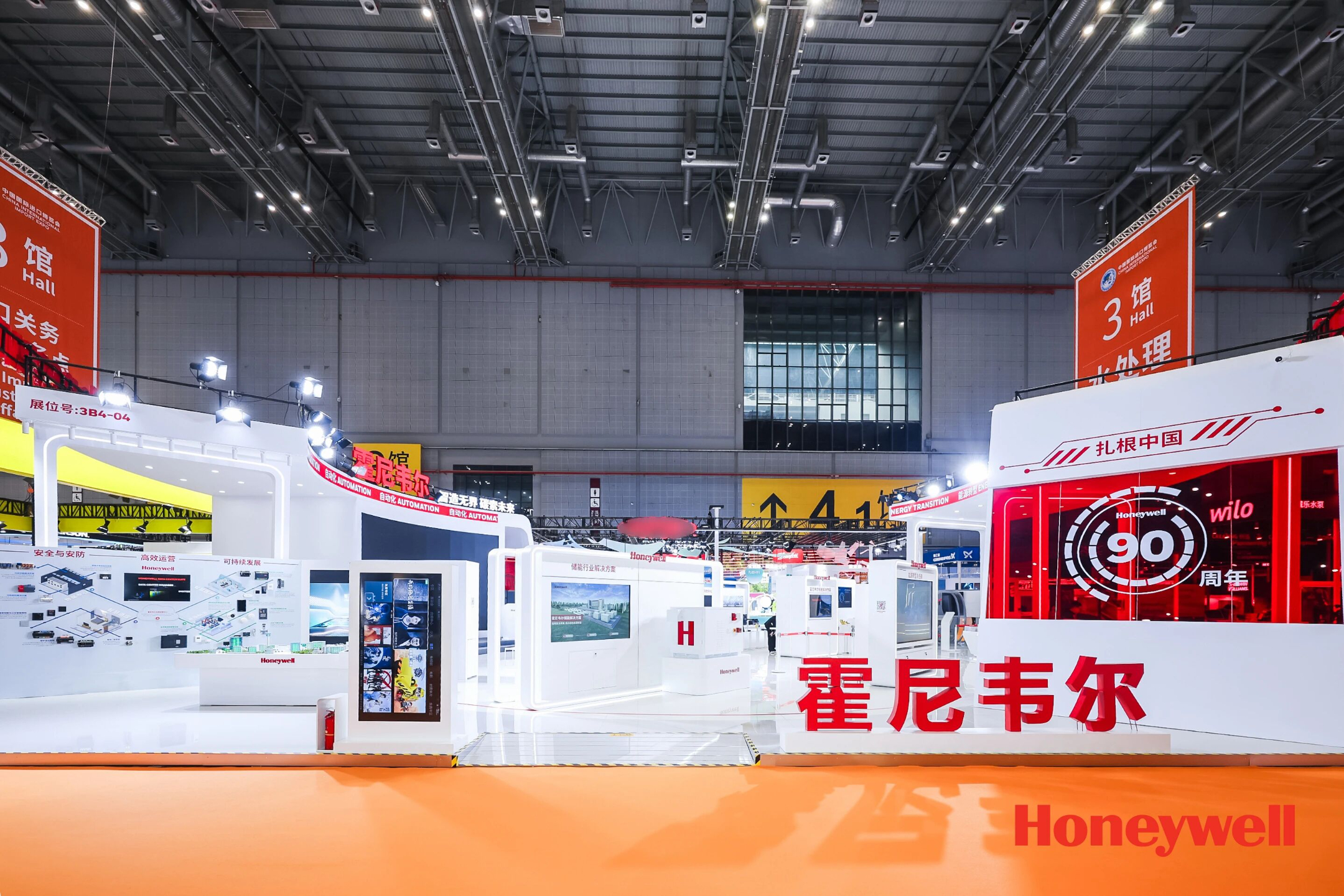
Core Insights - The eighth China International Import Expo (CIIE) was held from November 5 to 10, featuring a record scale with participation from 155 countries, regions, and international organizations, and 4,108 overseas companies, including 290 Fortune 500 and industry-leading firms [1][4] - Honeywell has been a consistent participant in the CIIE, expanding its exhibition space from over 50 square meters in the first year to 500 square meters this year, showcasing approximately 170 innovative technologies, products, and solutions [1][4] - The CIIE serves as a vital platform for Honeywell to launch innovative products, present cutting-edge technologies, and expand partnerships, reflecting the company's commitment to "Eastern service for the East" [4][6] Company Performance and Strategy - Honeywell's participation in the CIIE has led to a continuous expansion of its exhibition space and product offerings, enhancing its industry ecosystem through interactions with upstream and downstream clients and suppliers [6][8] - The company has introduced eight new products across 15 core categories at this year's expo, focusing on semiconductor, industrial combustion, industrial automation, smart buildings, and battery safety, demonstrating its commitment to driving industrial intelligence and green transformation [7][9] - Two of the eight new products were developed and produced by local teams in China, emphasizing Honeywell's integration into the local innovation ecosystem and responsiveness to Chinese customer needs [7][9] Historical Context and Future Outlook - Honeywell has been operating in China for nearly 90 years, marking significant milestones in the development of the country's modern industries, including the establishment of the first modern oil refinery [12][13] - The company has accelerated its localization efforts since 2003, enhancing its innovation ecosystem in China since 2018, and views the Chinese market as a crucial growth engine [13] - Honeywell's CEO highlighted the importance of China's complete industrial system, large market, and supportive policies as key factors for the company's confidence in future growth opportunities in advanced manufacturing, clean energy, and digital industries [13]