暖核一号

Search documents
超千亿核电新账本:山东如何跑通商业路径?
经济观察报· 2026-01-29 02:40
Core Viewpoint - Shandong Province is pioneering the world's first commercial nuclear heating project, "Warm Nuclear No. 1," extending the nuclear energy industry chain from electricity generation to urban heating networks, marking a significant shift in energy structure and a revolution in the "nuclear+" business model [3][4]. Summary by Sections Nuclear Power Development Goals - By 2030, Shandong aims to have an operational nuclear power capacity exceeding 13 million kilowatts and a nuclear heating area targeting 200 million square meters, forming a nuclear energy industry cluster worth 500 billion [3][22]. Commercial Model and Challenges - The commercial model involves a collaboration between nuclear power plants, government platforms, long-distance pipeline companies, and heating companies, which is essential for the sustainable replication of the model [5][11]. - Key challenges include unstandardized design and construction, cross-regional coordination, and profit distribution mechanisms [5][4]. Economic Viability - The cost of nuclear heating is comparable to that of thermal power, with a cost control of 50 to 60 yuan per gigajoule within a 50-kilometer radius, significantly lower than traditional coal and natural gas heating [9][8]. Infrastructure and Coordination - A communication mechanism involving government leadership and enterprise participation has been established to facilitate the construction of a 83-kilometer main pipeline [14][11]. - The transition from local to cross-city coordination has increased complexity, necessitating repeated discussions on heat source distribution and maintenance responsibilities [13][14]. Technological and Market Dynamics - The nuclear power market in Shandong features diverse technological routes, including AP1000 and domestically developed technologies, which can lead to higher operational costs and challenges in standardization [17][18]. - The introduction of private capital into nuclear projects, such as the Zhaoyuan nuclear project, represents a significant shift in capital structure and aims to alleviate financial pressure on state-owned enterprises [19][20]. Local Industry Development - Local equipment manufacturing has gained opportunities due to the nuclear heating projects, with companies like Yantai Taihai Nuclear Power securing significant orders [20][19]. - The establishment of a long-distance pipeline company as a new commercial entity is crucial for the cross-regional replication of the nuclear heating model [20][21]. Strategic Planning for the 14th Five-Year Plan - The strategic layout of Shandong's nuclear power development has evolved to encompass a comprehensive energy system and a 500 billion-level nuclear energy industry cluster [22][21]. - The provincial energy bureau has set clear quantitative targets for nuclear power capacity, heating area, and industry scale by 2025 and 2030 [22][23]. Policy and Standardization Efforts - Shandong is exploring policy solutions to address challenges in standardization, coordination, and funding, including the establishment of a provincial-level coordination agency or fund [24][25]. - The focus is on creating a market-oriented, diversified financing mechanism to attract more social capital into the nuclear energy sector [25][24].



超千亿核电新账本:山东如何跑通商业路径?
Jing Ji Guan Cha Wang· 2026-01-29 01:28
Core Viewpoint - Shandong Province is advancing its nuclear power development strategy, focusing on integrating nuclear energy into heating solutions, thereby creating a new commercial model that extends beyond electricity generation [1][12]. Nuclear Power Development Goals - By 2030, Shandong aims to have an operational nuclear power capacity exceeding 13 million kilowatts and a nuclear heating area targeting 200 million square meters, forming a nuclear energy industry cluster worth 500 billion [1][12]. Commercial Model and Challenges - The commercial model involves a collaboration between nuclear power plants, government platforms, long-distance pipeline companies, and heating companies, but faces challenges such as inconsistent design standards and coordination issues across regions [2][5]. - The transition from a demonstration phase to a sustainable commercial model is a critical question for Shandong as it embarks on its 14th Five-Year Plan [2]. Economic Viability - The cost of nuclear heating is comparable to that of coal and natural gas heating, with a cost control range of 50 to 60 yuan per gigajoule within a 50-kilometer radius, potentially saving around 60 million yuan in heating costs for a season covering 5 million square meters [4]. Infrastructure and Coordination - A specialized technical team has been established to manage land acquisition and pipeline construction, with existing heating companies transitioning to nuclear heating operations [6]. - A communication mechanism involving government leadership and enterprise collaboration has been developed to address cross-regional coordination challenges [6]. Industrial Applications and Efficiency - The nuclear heating system is designed to prioritize residential heating in winter while increasing industrial steam supply in non-heating seasons, improving energy utilization rates from 36.69% to 55.9% [7]. - The model has successfully expanded from local to inter-city applications, maintaining principles that prevent price increases for residents and additional burdens on the government [7]. Technological Diversity and Industry Structure - Shandong's nuclear power market features diverse technological routes, including AP1000 and domestically developed CAP series technologies, which can lead to higher operational costs and challenges in standardization [8]. - The introduction of private capital into nuclear projects, such as the Zhaoyuan nuclear power project, represents a significant shift in capital structure and aims to alleviate financial pressures on state-owned enterprises [9][10]. Local Equipment Manufacturing Opportunities - Local companies have emerged as key players in the nuclear supply chain, providing essential equipment and services, which helps reduce construction and operational costs while fostering industry competitiveness [10]. Future Directions and Policy Initiatives - Shandong is exploring policy measures to standardize design, construction, and acceptance criteria for nuclear energy projects, aiming to resolve existing bottlenecks [14][15]. - The province is also considering establishing a provincial-level coordination body to address cross-city pipeline construction and heat source allocation issues [15]. Strategic Vision for the 14th Five-Year Plan - The 14th Five-Year Plan marks a pivotal shift for Shandong's nuclear power sector, transitioning from project-based development to a strategic, integrated energy system aimed at achieving a 500 billion industry scale [12][16].
山东两会|超千亿核电新账本:山东如何跑通商业路径?
Jing Ji Guan Cha Wang· 2026-01-29 01:15
Core Insights - Shandong Province is advancing its nuclear power development strategy, focusing on integrating nuclear energy into heating solutions, marking a shift from traditional electricity generation to a comprehensive energy service model [2][3][26] - The province aims to exceed 13 million kilowatts of operational nuclear capacity and provide heating for 200 million square meters by 2030, establishing a significant nuclear energy industry cluster valued at 500 billion [3][23] Group 1: Nuclear Energy Development - The Shandong government has outlined plans to construct the Haiyang Nuclear Power Phase III and expand clean heating projects, indicating a strategic shift towards nuclear energy applications beyond electricity [2][3] - The Haiyang Nuclear Power Station has initiated the world's first commercial nuclear heating project, "Warm Nuclear No. 1," which extends the nuclear energy supply chain into urban heating networks [2][3][17] Group 2: Economic Viability and Challenges - The cost of nuclear heating is comparable to that of coal and natural gas, with a projected savings of approximately 60 million yuan per heating season for a heating area of 5 million square meters [8][15] - Challenges include the need for standardized design and construction practices, as well as effective cross-regional coordination and profit-sharing mechanisms [4][22] Group 3: Business Model Innovation - A collaborative business model involving nuclear power plants, government platforms, long-distance pipeline companies, and heating companies is being developed to ensure the sustainability of nuclear heating [9][10] - The model aims to balance the interests of various stakeholders, including government, nuclear enterprises, and users, while maintaining stable pricing for residents [15][24] Group 4: Technological and Operational Developments - The integration of nuclear heating has led to technological advancements, such as the successful adaptation of AP1000 turbine technology for heating purposes, which has improved energy efficiency [7][18] - The Shandong nuclear power market features diverse technological routes, which, while fostering innovation, also present challenges in standardization and operational efficiency [18][19] Group 5: Future Directions and Policy Initiatives - The provincial government is exploring new financing mechanisms and collaborative models to attract private investment into nuclear projects, aiming to alleviate financial pressures on state-owned enterprises [20][25] - Future strategies include establishing a provincial-level coordination body to address cross-regional challenges and promote standardized practices in nuclear energy utilization [25][26]
保供企业坚守一线筑牢“防冻线” 为千家万户享受零碳温暖夯实能源“压舱石”
Yang Shi Wang· 2026-01-26 08:49
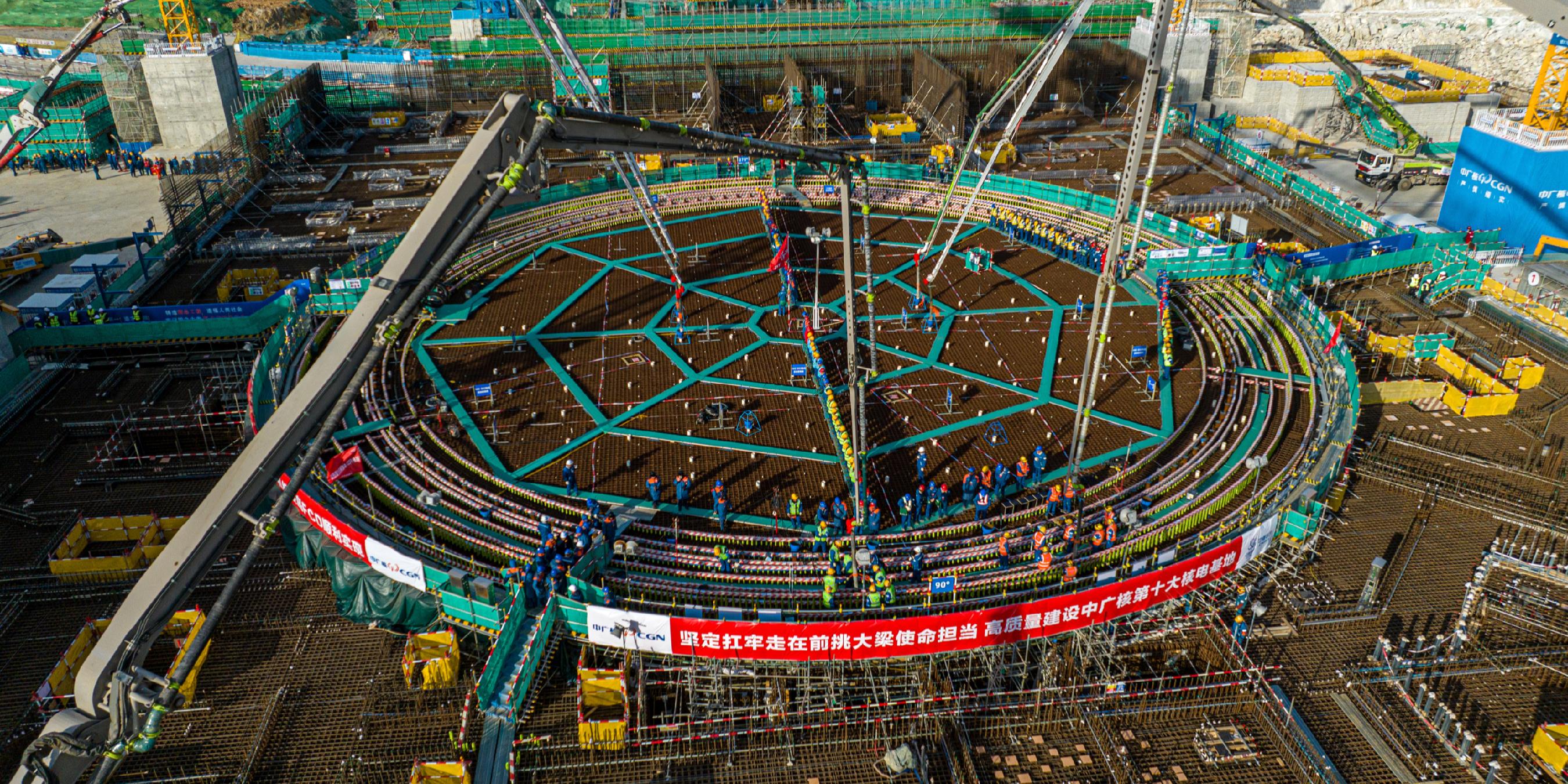
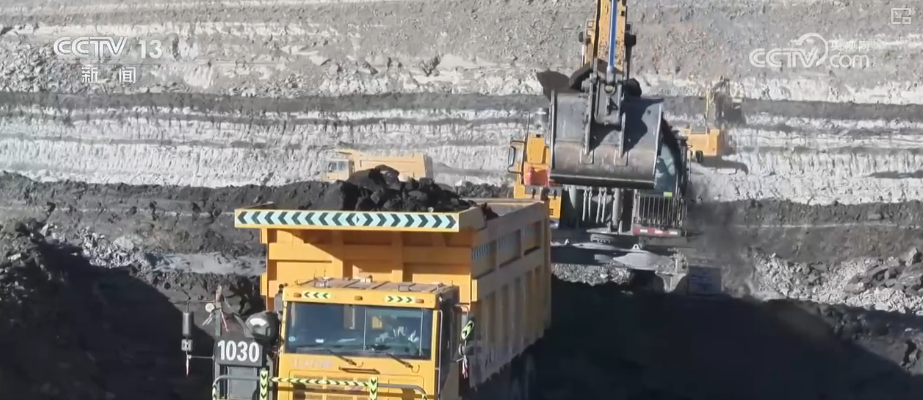
Core Viewpoint - The extreme cold weather in Inner Mongolia and Heilongjiang has posed significant challenges to energy supply, prompting local energy companies to enhance their operational readiness to ensure heating for households during winter [1][3]. Energy Supply Challenges - The temperature has dropped below -40°C in some areas, creating a severe test for energy supply [3]. - National Energy Investment Group's Baiyinhuamon East Coal Mine has entered a supply guarantee mode, maintaining over 95% equipment utilization and ensuring high coal stock levels to meet winter demands [3]. Operational Readiness - The production department of the Hweicheng Thermal Power Plant in Inner Mongolia has implemented 24-hour monitoring and inspections of heating facilities to ensure stable operations during the cold snap [5]. - The Shen Dong Coal Mine has established a comprehensive supply guarantee system, focusing on stable underground production and smooth surface operations [6]. Coal Production Efficiency - The coal mining team at the Shen Dong Coal Mine is utilizing intelligent simulation technology to optimize coal cutting processes, achieving a daily average output of over 15,000 tons with a 98% equipment uptime [12]. - The team emphasizes safety and efficiency, contributing to energy supply stability despite challenging working conditions [13]. Transportation and Logistics - The Hohhot Railway Bureau has enhanced coal transportation capabilities, ensuring over 420,000 tons of coal are transported daily to meet electricity demands across 29 provinces [15]. - The coal transportation system has implemented measures to prevent freezing, ensuring smooth operations during the cold weather [16]. Clean Energy Initiatives - The use of clean energy for heating is increasing, with the city of Rongcheng in Shandong utilizing nuclear energy for the first time this winter, following similar initiatives in Haiyang and Rushan [17]. - The "Warm Nuclear No. 1" project employs a unique heat transfer method, providing stable heating to residents while ensuring safety [19]. - This project has a heating capacity of approximately 270 megawatts, covering an area of 6.75 million square meters and benefiting nearly 300,000 residents [21][23].
电投产融:公司打造了“海阳核电核能综合利用”创新品牌,建成投运了包括“暖核一号”在内的一批核能综合利用创新示范项目
Zheng Quan Ri Bao Zhi Sheng· 2025-12-17 12:11
Core Viewpoint - The company is advancing its nuclear technology with the "Guohe No. 1" (CAP1400), which is a large advanced pressurized water reactor with a single unit power of 1.5 million kilowatts, representing China's largest self-designed nuclear power technology [1] Group 1: Technology and Innovation - The "Guohe No. 1" technology is based on the introduction and absorption of third-generation passive pressurized water reactor technology, featuring independent intellectual property rights [1] - The company emphasizes a "passive" safety design concept in its nuclear technology [1] Group 2: Comprehensive Utilization of Nuclear Energy - The Shandong Nuclear Power, part of the assets to be injected, is pioneering large pressurized water reactor heat and power generation research and practice, focusing on the utilization of residual heat from nuclear power plants and local clean heating needs [1] - The company has established an innovative brand for comprehensive nuclear energy utilization, including projects like "Warm Nuclear No. 1" [1] Group 3: Future Plans and Compliance - The company will conduct careful research and demonstration regarding the specific implementation plans and timelines for comprehensive utilization based on strategic development, technical economic feasibility, and local demand [1] - The company commits to advancing related work in compliance with laws and regulations, ensuring proper information disclosure [1]

新成员加入!今冬山东第三地涌起“零碳暖流”
Da Zhong Ri Bao· 2025-11-20 01:03
Core Insights - The "Warm Nuclear No. 1" (Rongcheng) nuclear heating project has been officially operational since November 15, providing stable indoor temperatures around 23°C for residents [1][2] - Rongcheng becomes the third city in Shandong to adopt nuclear heating, following Yantai Haiyang and Weihai Rushan, contributing to a "zero-carbon" initiative [1] Heating Technology - The project utilizes a dual-machine series large temperature difference heating technology, allowing for significant enhancement of heating capacity and flexible adjustment based on demand [1] - The heating process involves steam extraction from the nuclear power unit's secondary circuit, ensuring no radioactive water exchange occurs, thus maintaining safety [1] Economic and Environmental Benefits - Nuclear fuel costs account for only 20% of the total nuclear power generation costs, ensuring stable heating prices unaffected by fuel transportation or extreme weather [2] - The project is expected to save 120,000 tons of standard coal annually and reduce emissions of CO2 by 360,000 tons, NOx by 2,066 tons, SO2 by 2,173 tons, and smoke dust by 1,258 tons, significantly improving local air quality and marine ecology [2] - "Warm Nuclear No. 1" is China's first commercial demonstration project for nuclear heating, having safely operated for six heating seasons and serving 400,000 households with clean energy [2]
电投产融(000958) - 电投产融2025年半年度业绩说明会投资者活动记录表
2025-08-29 09:36
Group 1: Company Overview and Structure - The company is named State Power Investment Corporation Financial Holdings Co., Ltd. (电投产融) and is listed under the stock code 000958 [1] - The company is transitioning to focus solely on nuclear power, divesting from financial operations and other energy sectors [5] - The company will become the sole integration platform for nuclear power operations under the State Power Investment Group [5] Group 2: Performance and Market Response - The company has experienced stock price fluctuations despite the overall market rising by 800 points [6] - The management is actively working on enhancing the company's investment value and adhering to market regulations [6] Group 3: Restructuring Progress - The major asset restructuring is currently underway, with necessary approvals pending from the Shenzhen Stock Exchange and the China Securities Regulatory Commission [4][9] - The company has submitted responses to the Shenzhen Stock Exchange's inquiries and is in the process of making required modifications [8][9] - The restructuring aims to streamline operations and focus on nuclear, thermal, and renewable energy sectors [5] Group 4: Investor Relations and Communication - The company emphasizes compliance with information disclosure obligations and assures investors of transparency regarding restructuring updates [7][9] - The management is committed to providing timely updates on the restructuring process and any potential impacts on operations [3][9]
核能咋供热?暖气水安全吗?实地探访全国首个零碳供暖城市
Nan Fang Du Shi Bao· 2025-07-24 05:59
Core Viewpoint - The urgent and long-term demand for large-scale, affordable, stable, and reliable clean low-carbon energy in the heating sector is highlighted, with nuclear waste heat heating providing a new solution to the challenges faced by traditional coal heating [1][9]. Group 1: Nuclear Heating Projects - The "Warm Nuclear No. 1" project in Shandong Haiyang is the first commercial project in China to achieve zero-carbon heating, operational since 2019, and has been recognized as a national demonstration project by the National Energy Administration [5]. - The project has expanded its heating range from Haiyang to include the city of Weihai, with plans to provide heating to the Qingdao area by 2026, potentially reaching a heating capacity of 200 million square meters [5]. - The nuclear heating project in Rongcheng, relying on the world's largest passive pressurized water reactor, is set to be operational by the 2025 heating season, covering an area of 6.75 million square meters to meet the heating needs of nearly 300,000 residents [7]. Group 2: Environmental and Economic Benefits - Nuclear waste heat heating significantly reduces pollution emissions compared to coal heating, with the "Warm Nuclear No. 1" project saving approximately 1.29 million tons of raw coal and reducing CO2 emissions by 2.36 million tons over six heating seasons [12]. - The transition from coal to nuclear heating is expected to save 184,000 tons of standard coal annually and reduce emissions of nitrogen oxides by 2,066 tons and sulfur dioxide by 2,173 tons [7]. - The project enhances energy utilization efficiency by converting waste heat from nuclear power generation into heating, thus alleviating pressure on renewable energy consumption and reducing temperature rise in nearby marine areas [11]. Group 3: Safety Assurance - The safety of the heating water from nuclear energy is ensured through multiple physical barriers and a closed-loop system, preventing any radioactive material from entering the heating system [14][15]. - The heating process involves a series of heat exchangers that isolate the heating water from the nuclear reactor, ensuring that only heat is transferred without any exchange of media [14]. - Continuous monitoring of radiation levels in the heating circuit is conducted, with high-sensitivity instruments in place to detect any anomalies, ensuring comprehensive safety measures [15].