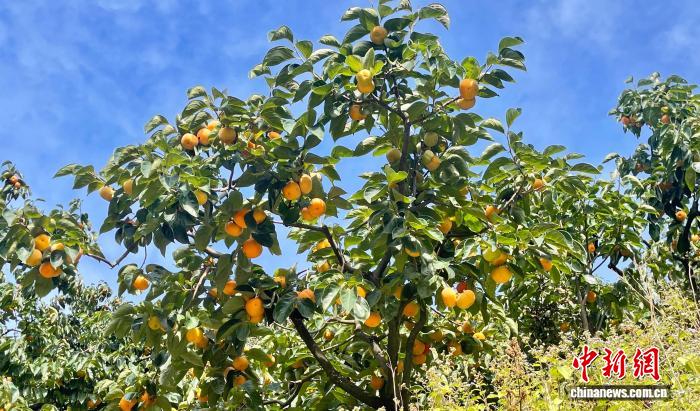
月柿

Search documents
花开八桂石榴红 籽籽同心共筑梦
Ren Min Ri Bao Hai Wai Ban· 2026-01-29 22:51
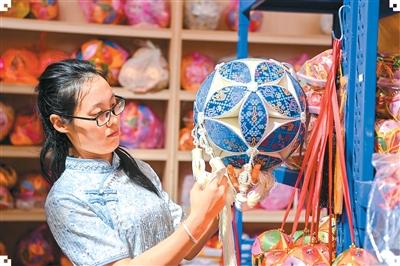
Core Viewpoint - Guangxi Zhuang Autonomous Region is promoting the construction of a community of shared future for all ethnic groups, emphasizing unity and cooperation among diverse communities to achieve common prosperity and cultural integration [2][5][9]. Group 1: Community Governance - Communities in Guangxi are primarily multi-ethnic, fostering a strong sense of unity through the establishment of over 3,000 "ethnic homes" and service centers, enhancing mutual living, learning, and cooperation among various ethnic groups [6]. - The Panlong community in Nanning has successfully implemented a "party-building co-construction" model, integrating resources from 64 local units to promote community activities and mutual assistance, resulting in a significant increase in community engagement [5][6]. Group 2: Economic Development - The production of Luosifen (snail rice noodles) in Liuzhou has created a complete industrial chain, leading to the establishment of 680,000 acres of raw material bases and generating over 800 billion yuan in sales by 2025, benefiting over 300,000 people [7]. - In Hechi, the annual harvest of persimmons has attracted over 30,000 tourists, with sales reaching 86 million yuan, showcasing the potential of local agricultural products through e-commerce [7]. - The embroidery industry in Jingxi has seen significant growth, with annual production exceeding 700,000 pieces and generating nearly 20 million yuan in revenue, providing substantial income for local impoverished households [7]. Group 3: Cultural Integration - The "March 3" festival has evolved into a national cultural brand, integrating cultural performances, sports, and tourism, thereby enhancing cultural identity and unity among ethnic groups [9][10]. - Guangxi has established over 100 ethnic cultural education demonstration schools, promoting traditional dances and languages, with a Mandarin proficiency rate of 85.68%, surpassing the national average [10].

桂林两水库移民村蝶变记:政策产业富农家
Zhong Guo Xin Wen Wang· 2025-11-09 12:39
Core Insights - The article highlights the transformation of two resettlement villages in Guilin, Guangxi, due to policy support and tailored industrial development, turning them into prosperous communities from their origins as relocation sites [1][7]. Group 1: Economic Development - Huangzhugang Village has successfully developed the cultivation of "Yue Persimmon," expanding its planting area from dozens of acres to over 3,000 acres, with an average of 12 acres per household [2][4]. - The annual output value of Yue Persimmon in Huangzhugang Village has exceeded 20 million yuan, with households earning over 600,000 yuan annually [4][6]. - In Matihqiao Village, the introduction of a 3-kilometer paved road has improved transportation, allowing for timely market access and increased fruit prices [4][6]. Group 2: Policy Support - Local government initiatives, including over 1,600 skill training sessions and infrastructure improvements such as 40 kilometers of paved roads and 11 kilometers of safe drinking water pipelines, have enhanced villagers' production capabilities [4][6]. - The establishment of cooperatives and the creation of a green brand "Landong Huangzhugang" have contributed to the continuous improvement of industrial efficiency [2][4]. Group 3: Community Transformation - The transformation of Huangzhugang Village has led to every household living in modern homes and owning vehicles, with the collective economic income reaching 340,000 yuan annually [2][4]. - Matihqiao Village has diversified its agricultural production, with 200 acres of kumquats and 80 acres of kiwifruit, resulting in an average annual income of over 100,000 yuan per household [6][7].