
产业共兴

Search documents
花开八桂石榴红 籽籽同心共筑梦
Ren Min Ri Bao Hai Wai Ban· 2026-01-29 22:51
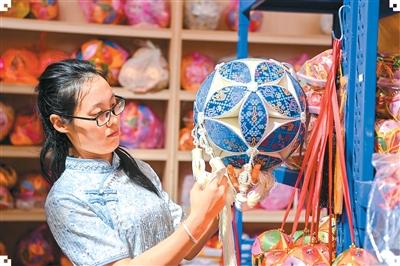
Core Viewpoint - Guangxi Zhuang Autonomous Region is promoting the construction of a community of shared future for all ethnic groups, emphasizing unity and cooperation among diverse communities to achieve common prosperity and cultural integration [2][5][9]. Group 1: Community Governance - Communities in Guangxi are primarily multi-ethnic, fostering a strong sense of unity through the establishment of over 3,000 "ethnic homes" and service centers, enhancing mutual living, learning, and cooperation among various ethnic groups [6]. - The Panlong community in Nanning has successfully implemented a "party-building co-construction" model, integrating resources from 64 local units to promote community activities and mutual assistance, resulting in a significant increase in community engagement [5][6]. Group 2: Economic Development - The production of Luosifen (snail rice noodles) in Liuzhou has created a complete industrial chain, leading to the establishment of 680,000 acres of raw material bases and generating over 800 billion yuan in sales by 2025, benefiting over 300,000 people [7]. - In Hechi, the annual harvest of persimmons has attracted over 30,000 tourists, with sales reaching 86 million yuan, showcasing the potential of local agricultural products through e-commerce [7]. - The embroidery industry in Jingxi has seen significant growth, with annual production exceeding 700,000 pieces and generating nearly 20 million yuan in revenue, providing substantial income for local impoverished households [7]. Group 3: Cultural Integration - The "March 3" festival has evolved into a national cultural brand, integrating cultural performances, sports, and tourism, thereby enhancing cultural identity and unity among ethnic groups [9][10]. - Guangxi has established over 100 ethnic cultural education demonstration schools, promoting traditional dances and languages, with a Mandarin proficiency rate of 85.68%, surpassing the national average [10].

贯彻全会精神 云岭一线见闻|佤族村寨幸福长
Xin Lang Cai Jing· 2026-01-18 23:37
Core Viewpoint - The article highlights the transformation of Longnai Village in Cangyuan Wa Autonomous County, showcasing its development through ethnic unity and industrial growth, leading to improved living standards and economic prosperity for its residents [1][2]. Group 1: Village Development and Economic Growth - Longnai Village has a border line of 3.9 kilometers and is known as the "first village of border returnees," where cultural integration is evident in its architecture and community life [1]. - The village has made significant progress in infrastructure and living conditions due to national policies, with a focus on sustainable development and economic initiatives [1]. - In 2024, Longnai Village's total economic income is projected to exceed 23.67 million yuan, with a per capita net income of 21,454 yuan and collective economic income of 276,000 yuan [1]. Group 2: Social Welfare and Community Well-being - The village boasts a 100% enrollment rate for school-age children, with a standardized health clinic ensuring the health of all ethnic groups [2]. - Safety drinking water projects are fully implemented, and insurance coverage for pensions and medical care exceeds 95% [2]. - The unique "one glance at two countries" landscape and cultural integration are attracting more visitors, leading to the development of rural tourism and local businesses [2].
片区化推进宜居宜业和美乡村建设
Xin Hua Ri Bao· 2025-08-04 22:03
Group 1: Core Concepts - The Jiangsu Provincial Government aims to cultivate a number of livable and workable rural areas, selecting 40 areas as provincial cultivation objects for 2024-2025 [1] - The initiative emphasizes the development of rural industries, moving from "one village, one product" to "multiple products in one area," enhancing the value chain of agricultural products [1][2] - The program encourages collaboration between rural communities and enterprises to improve market presence and brand recognition [1] Group 2: Aesthetic Development - The focus is on creating aesthetically pleasing rural areas, transitioning from "one village's beauty" to "shared beauty among villages" [2] - The initiative promotes the integration of local culture and landscape design, encouraging designers and artists to participate in rural development [2] - The development of local cultural brands and traditional crafts is highlighted, with examples of successful projects generating significant economic value [2] Group 3: Shared Services - The program aims to enhance public services and infrastructure, moving from basic guarantees to quality living standards [3] - It emphasizes the integration of transportation, information, and logistics infrastructure, with a focus on rural cold chain logistics [3] - The initiative seeks to improve access to education, healthcare, and other public services in rural areas, particularly for those farther from urban centers [3] Group 4: Collaborative Operations - The strategy promotes resource integration and cooperative development among villages, moving from isolated operations to collective growth [4] - Examples include the establishment of operational companies that enhance collective economic income through collaboration [4] - The initiative explores financial mechanisms to support agricultural modernization and collective asset management [4] Group 5: Organizational Development - The program encourages the establishment of joint party committees and collaborative governance structures among rural areas [5] - It focuses on talent recruitment and retention to drive rural economic development, with initiatives to support young professionals [5] - The initiative includes performance-based incentives for collective economic management teams to enhance operational efficiency [5]