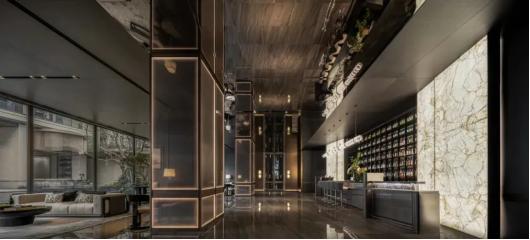
架空层

Search documents
没想到最近新盘的架空层,变成了这样
3 6 Ke· 2025-09-12 03:02
Core Insights - The article discusses the evolving design and functionality of "elevated floors" (架空层) in new residential developments, highlighting a shift from open, less functional spaces to enclosed, well-designed areas that enhance community living and social interaction [1][3][21] Group 1: Trends in Elevated Floors - The trend of indoor elevated floors has become more pronounced, moving from a basic design (1.0) to a more sophisticated, enclosed version (2.0) that offers better comfort and usability [3][4] - Enclosed elevated floors provide a sheltered space for activities, equipped with amenities like new air systems, making them more appealing during extreme weather [3][4] - Developers are increasingly recognizing the importance of elevated floors, leading to higher design standards and integration with indoor aesthetics [4][6] Group 2: Integration with Community Spaces - Elevated floors are being designed to connect seamlessly with outdoor public areas, enhancing the overall community experience [7][10] - Projects like融信保利创世纪 have successfully integrated elevated floors with weather corridors, improving functionality and user experience [10] - The design of elevated floors is evolving to include features like large windows and open layouts that enhance interaction with the surrounding environment [11][13] Group 3: Expanded Functions and Community Engagement - Elevated floors are now serving multiple social functions, such as private dining areas, fitness rooms, and even art galleries, reflecting a shift towards multifunctional community spaces [15][18] - Successful long-term operation and maintenance of elevated floors are crucial for their sustained appeal and utility, as seen in projects like宁波万科沐拾 [20][21] - The design and functionality of elevated floors are becoming key selling points for developers, as they cater to the growing demand for high-quality living environments [21][22]

越来越多的房企朝架空层下手了
3 6 Ke· 2025-08-29 02:07
Core Insights - The concept of "air space" in residential properties is evolving from being overlooked to becoming a focal point for enhancing community interaction and lifestyle, particularly in high-end residential developments [1][4] - The shift in buyer demand from merely having a home to seeking quality living spaces is driving this transformation, indicating a significant change in community value [1][4] Policy Changes - Multiple provinces and cities in China are implementing policies to optimize the calculation standards for the floor area ratio of public spaces like air spaces and covered walkways, supporting high-quality housing demand [2] - For instance, Beijing has introduced guidelines that encourage the construction of open balconies, rooftop gardens, and air spaces, with specific regulations on their dimensions and usage [2] Development Trends - Real estate developers are increasingly focusing on the children's living environment within air spaces, showcasing a more specialized and segmented approach [3] - Developers are creating multifunctional areas within air spaces, integrating features such as reading rooms, fitness zones, and children's play areas to enhance family functionality [4] Innovative Collaborations - Leading real estate companies are partnering with well-known cultural brands and lifestyle IPs to transform air spaces into thematic community hubs, moving beyond traditional functional designs [5][6] - Examples include projects in Chengdu and Hangzhou that incorporate cultural elements and professional services into their air spaces, creating diverse living scenarios and enhancing community engagement [6][8] Market Evolution - The emphasis on air spaces reflects a new phase of refined development in the industry, where developers aim to create all-age, multi-scenario community spaces [4] - The revival of air space value signifies a shift from functionalism to emotional connection and cultural identity within community settings, driven by the integration of professional brand operations and cultural IPs [8]