柿子椒

Search documents
猫冬这样吃 免疫力妥妥的
Bei Jing Qing Nian Bao· 2025-12-02 01:28
Core Viewpoint - The article emphasizes the importance of a balanced and nutritious diet during winter to enhance immunity and adapt to colder temperatures, highlighting specific dietary recommendations to prevent common winter illnesses. Group 1: Energy Supply - Adequate energy intake is crucial in winter as the body requires more calories to maintain normal temperature and physiological activities, necessitating an increase in caloric consumption [2] - It is recommended to mix staple foods like rice and grains, incorporating options such as millet, corn, and whole grains to ensure a balanced diet [2] - Daily oil intake should be controlled to below 25 grams, preferably using unsaturated fats from plant oils, while avoiding excessive animal fats [2] Group 2: Protein Intake - Sufficient protein intake is essential for synthesizing antibodies that help the body resist cold and infections, with recommendations to include lean meats, fish, eggs, and dairy in meals [3] - Each meal should ideally contain about one-third of protein, with specific examples provided for breakfast, lunch, and dinner [3] - While animal proteins are generally superior, care should be taken to avoid excessive fat intake, with suggestions for lean cuts of meat [3] Group 3: Vitamins and Minerals - Increased demand for vitamins related to energy metabolism, particularly vitamin B2, is noted, with animal liver, eggs, and milk as good sources [4] - Vitamin C is highlighted for its role in enhancing cold resistance and collagen synthesis, with fresh fruits and vegetables recommended, particularly winter jujubes [5] - Vitamin A is important for maintaining the health of epithelial tissues, with suggestions for daily vegetable intake to ensure adequate levels [5] Group 4: Calcium and Iron - Calcium intake is emphasized, especially for children and the elderly, with dairy products recommended as primary sources [6] - Iron-rich foods are necessary to support blood circulation and immune function, with animal sources being more easily absorbed than plant sources [7] Group 5: Zinc and Dietary Practices - Foods rich in zinc, such as red meat and shellfish, are recommended to reduce infection risk during winter [8] - It is advised to avoid raw and cold foods to prevent gastrointestinal irritation, and to limit the consumption of overly fatty foods to maintain digestive health [9][10]
俯身田野,我为什么喜欢上了“重复劳作”?
Hu Xiu· 2025-09-20 03:11
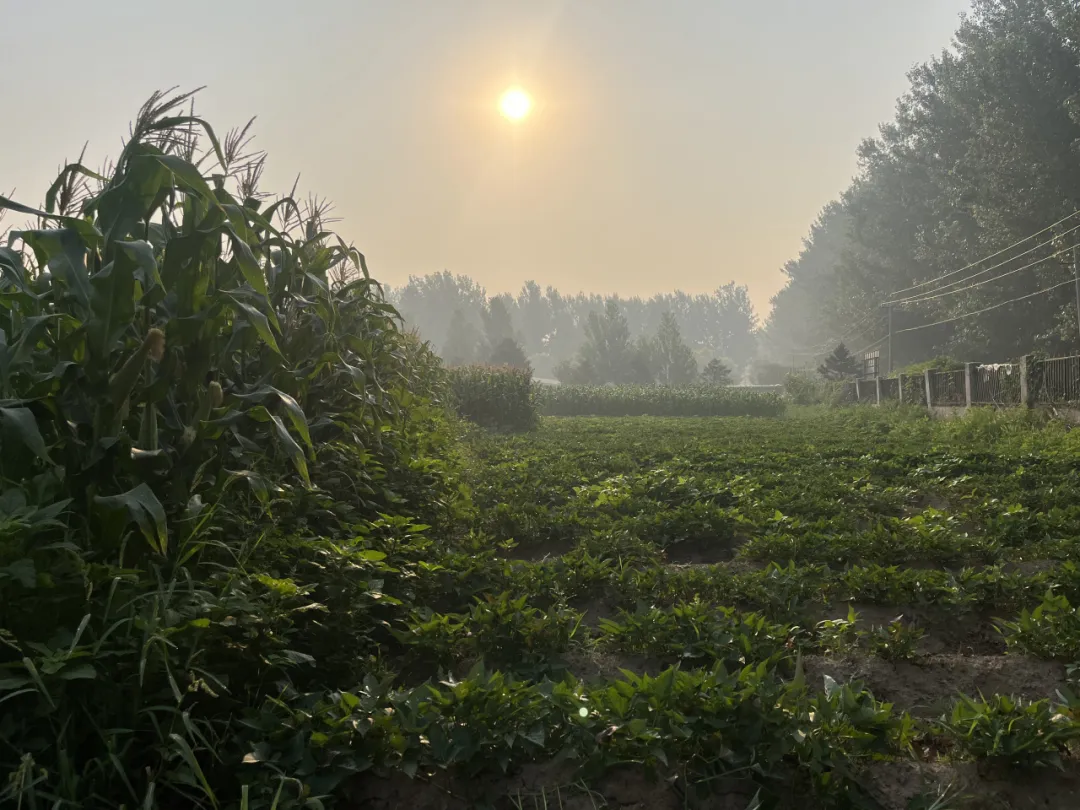
Core Insights - The article reflects on the deep connection between agriculture and nature, emphasizing the importance of hands-on experience in understanding the land and its ecosystems [7][8][51] - It highlights the wisdom of local farmers and the significance of biodiversity in agricultural practices, advocating for a collaborative approach to farming that respects natural processes [6][10][38] Group 1: Agricultural Practices - The article discusses the role of weeds in agriculture, suggesting that they can be beneficial by retaining soil moisture and suppressing other weeds, challenging the conventional view of weeds as mere nuisances [9][10] - It describes various observations of plant and insect interactions, illustrating how certain weeds and insects can indicate soil health and contribute to pest management [13][15][22][23] - The narrative emphasizes the importance of understanding the life cycles of crops and their responses to environmental conditions, showcasing the resilience and adaptability of plants [29][34][45] Group 2: Personal Experience and Reflection - The author shares personal experiences of working on a farm, highlighting the joy and fulfillment derived from repetitive agricultural tasks, which foster a deeper connection to the land [47][50] - The article reflects on the transformative nature of agricultural work, where the act of nurturing plants leads to a greater appreciation for the food system and the life cycles involved [37][41][46] - It concludes with a philosophical perspective on the role of farmers as collaborators with nature, advocating for a respectful and symbiotic relationship with the environment [51]