根茎类蔬菜

Search documents
冰箱里的年货 别连塑料袋放!小年囤货避坑指南
Xin Lang Cai Jing· 2026-02-10 00:31
Core Viewpoint - The article emphasizes the importance of proper purchasing and storage methods for traditional Chinese New Year goods to ensure food safety and quality during the festive season [1]. Group 1: Purchasing Recommendations - The recommended order for purchasing New Year goods is to buy packaged foods first, followed by fresh produce, then cooked foods, and finally frozen products [1][13]. - It is advised to avoid purchasing loose frozen meatballs due to potential contamination risks and lack of nutritional labeling [3][5]. - For frozen meatballs, it is better to choose those with complete packaging to ensure hygiene and to check nutritional content [5]. Group 2: Storage Guidelines - Avoid placing plastic bags directly into the refrigerator as it can affect food safety; non-food-grade plastic bags may contain harmful substances [7][9]. - Different types of vegetables have specific storage methods: leafy greens should be dried and stored in a breathable bag, root vegetables can be kept in a cool, dry place, and tropical fruits should not be refrigerated [11][13]. - Berries should be stored in ventilated containers with absorbent materials to prevent spoilage [11].


春节囤菜指南绿叶菜冷藏不宜超过3天
Xin Lang Cai Jing· 2026-02-06 12:41
Core Viewpoint - The article provides a guide on how to properly store various types of vegetables and fruits during the Chinese New Year, emphasizing that different food items require specific storage methods to maintain freshness and quality [1] Group 1: Storage Guidelines for Vegetables - Leafy greens should be stored in a breathable bag after removing wilted leaves and drying with paper towels, and should not be refrigerated for more than three days to keep them crisp [1] - Root vegetables do not need refrigeration and should be kept in a cool, dry place; if refrigerated, they should be wrapped in plastic wrap to prevent moisture and sprouting [1] - Mushrooms are sensitive to moisture and should be stored in a dry environment to avoid spoilage [1] Group 2: Storage Guidelines for Fruits - Unripe fruits should be placed in breathable bags without sealing, while ripe fruits should be kept in a ventilated area without bags [1] - Tropical fruits should not be refrigerated as they may get frostbite and turn black; they should be stored in a cool, ventilated area [1] - Berries like strawberries and blueberries should be placed in perforated containers with paper towels to absorb moisture and prevent crushing [1] - Apples and pears, which can accelerate the ripening of other produce, should be stored separately or wrapped in plastic wrap [1]
防寒潮 保丰收
Xin Lang Cai Jing· 2026-01-22 23:17
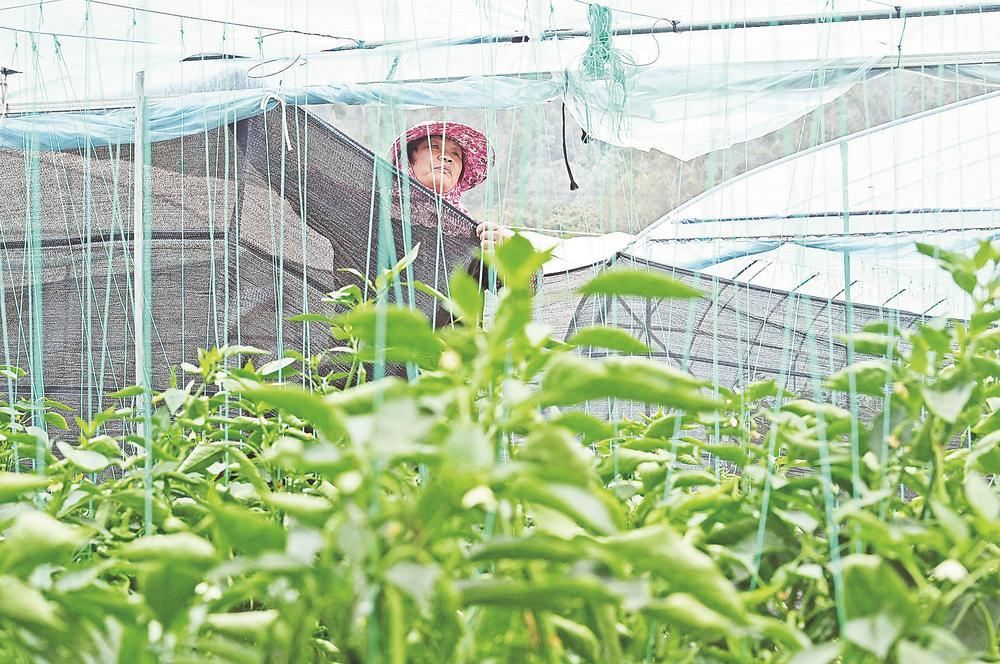
Core Viewpoint - The article highlights the proactive measures taken by farmers in Quanzhou's Quangang District to mitigate the impact of cold weather on vegetable production, ensuring a successful harvest despite adverse conditions [2] Group 1: Agricultural Measures - Farmers in Quangang District are actively installing and checking greenhouse film equipment to protect crops from cold and frost [2] - The district has over 5,000 acres of facilities for greenhouse cultivation, focusing on leafy vegetables, root vegetables, and fruiting vegetables [2] Group 2: Production Statistics - By 2025, the vegetable planting area in the district is projected to reach 13,800 acres, with an expected output of over 31,000 tons and a production value exceeding 800 million yuan [2]
塔城市地、市市场监督管理局开展“你点我检” “点”亮民生关切 “检”出消费安心
Zhong Guo Shi Pin Wang· 2026-01-09 09:26
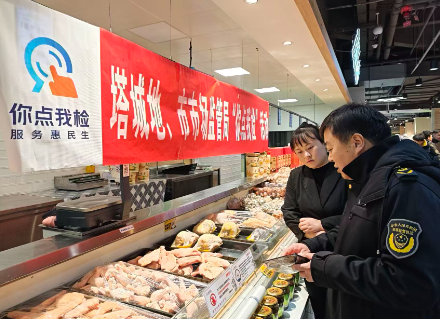
Group 1 - The core idea of the article emphasizes the importance of food safety and the initiative taken by local authorities to ensure the safety of food products for consumers [1][5] - The "You Order, We Inspect" activity was conducted in Tachen District, involving local market supervision authorities and merchants to enhance consumer trust in food safety [1][5] - The event focused on high-frequency consumer goods, specifically meat and vegetables, with a systematic approach to sampling and inspection to ensure traceability of the products [3][5] Group 2 - A total of 10 batches of meat and vegetable samples were tested, covering key safety indicators, with results to be publicly announced through official channels [5] - Non-compliant products will be subject to legal investigation and disposal, highlighting the commitment of local market supervision departments to maintain food safety standards [5] - The initiative aims to establish a collaborative platform for government regulation, merchant self-discipline, and community participation, promoting a safe shopping environment for consumers [5]