绿叶菜

Search documents
年夜饭前必看!这些肉别多吃,保存方法要记牢
Xin Lang Cai Jing· 2026-02-16 09:53
Group 1 - The article emphasizes the importance of selecting the right types of meat for a healthy and delicious reunion dinner, highlighting that lean pork can be as nutritious as lean beef, particularly in terms of protein and iron content, and superior in vitamin B1 [1][2] - It suggests prioritizing fish and shrimp due to their low fat content and high levels of beneficial omega-3 fatty acids, which are good for cardiovascular health [3] - The article warns against consuming processed meats, such as beef jerky and cured meats, due to potential carcinogenic substances formed during processing [5] Group 2 - It advises against eating certain types of meat, including chicken offal, which may contain harmful substances due to their metabolic functions [6] - The article also highlights the risks associated with consuming chicken and duck necks, recommending proper cleaning and skin removal [7] - It lists specific foods that should not be stored as leftovers, including green leafy vegetables, seafood, and cold dishes, due to the risk of bacterial growth and nutrient degradation [9][10][11] Group 3 - The article promotes a balanced diet, suggesting that meals should include a variety of food groups, with recommendations for daily and weekly intake of diverse foods [12][13] - It encourages a ratio of one-third vegetables, one-third meat, and one-third a mix of both, while also recommending the selection of dark vegetables and skinless poultry for healthier options [14][15]
冰箱里的年货 别连塑料袋放!小年囤货避坑指南
Xin Lang Cai Jing· 2026-02-10 00:31
Core Viewpoint - The article emphasizes the importance of proper purchasing and storage methods for traditional Chinese New Year goods to ensure food safety and quality during the festive season [1]. Group 1: Purchasing Recommendations - The recommended order for purchasing New Year goods is to buy packaged foods first, followed by fresh produce, then cooked foods, and finally frozen products [1][13]. - It is advised to avoid purchasing loose frozen meatballs due to potential contamination risks and lack of nutritional labeling [3][5]. - For frozen meatballs, it is better to choose those with complete packaging to ensure hygiene and to check nutritional content [5]. Group 2: Storage Guidelines - Avoid placing plastic bags directly into the refrigerator as it can affect food safety; non-food-grade plastic bags may contain harmful substances [7][9]. - Different types of vegetables have specific storage methods: leafy greens should be dried and stored in a breathable bag, root vegetables can be kept in a cool, dry place, and tropical fruits should not be refrigerated [11][13]. - Berries should be stored in ventilated containers with absorbent materials to prevent spoilage [11].


春节囤菜指南绿叶菜冷藏不宜超过3天
Xin Lang Cai Jing· 2026-02-06 12:41
Core Viewpoint - The article provides a guide on how to properly store various types of vegetables and fruits during the Chinese New Year, emphasizing that different food items require specific storage methods to maintain freshness and quality [1] Group 1: Storage Guidelines for Vegetables - Leafy greens should be stored in a breathable bag after removing wilted leaves and drying with paper towels, and should not be refrigerated for more than three days to keep them crisp [1] - Root vegetables do not need refrigeration and should be kept in a cool, dry place; if refrigerated, they should be wrapped in plastic wrap to prevent moisture and sprouting [1] - Mushrooms are sensitive to moisture and should be stored in a dry environment to avoid spoilage [1] Group 2: Storage Guidelines for Fruits - Unripe fruits should be placed in breathable bags without sealing, while ripe fruits should be kept in a ventilated area without bags [1] - Tropical fruits should not be refrigerated as they may get frostbite and turn black; they should be stored in a cool, ventilated area [1] - Berries like strawberries and blueberries should be placed in perforated containers with paper towels to absorb moisture and prevent crushing [1] - Apples and pears, which can accelerate the ripening of other produce, should be stored separately or wrapped in plastic wrap [1]
用冷饭做炒饭,吃完进ICU!啥是“炒饭综合征”?
Xin Lang Cai Jing· 2026-02-05 13:06
Core Insights - A man in Guangdong experienced severe health issues after consuming fried rice made from refrigerated rice, leading to ICU admission due to foodborne illness caused by Bacillus cereus [2] Group 1: Foodborne Illness Overview - The illness was identified as food poisoning caused by Bacillus cereus, commonly found in starchy foods like rice and fried rice left at room temperature for extended periods [2] - Symptoms of the illness include abdominal pain, diarrhea, and respiratory difficulties, which can lead to multi-organ failure if untreated [2] Group 2: Types of Bacillus cereus Poisoning - There are two types of Bacillus cereus poisoning: 1. Vomiting type, which requires high-temperature cooking (126°C for 90 minutes) to eliminate the toxin, with symptoms appearing within 0.5 to 6 hours [3] 2. Diarrheal type, which can be eliminated by heating at 45°C for 30 minutes or 56°C for 5 minutes, with symptoms appearing within 2 to 36 hours [3] Group 3: Food Safety Recommendations - To avoid Bacillus cereus poisoning, it is advised to consume rice and other starchy foods immediately after cooking and to store them properly in the refrigerator [3] - Personal hygiene practices, such as frequent handwashing and maintaining clean kitchen utensils, are essential to prevent cross-contamination [3] Group 4: Foods to Avoid Overnight Storage - Certain foods should not be stored overnight, including: 1. Seafood, which can degrade and irritate the gastrointestinal tract [4] 2. Leafy greens, which can produce harmful nitrites if stored improperly [4] 3. Fresh soy milk, which can harbor bacteria if not consumed shortly after preparation [5] 4. Mushrooms and fungus, which can produce toxins if not stored correctly [6]

“炒饭综合征”,致男子多脏器衰竭
Xin Lang Cai Jing· 2026-02-01 14:11
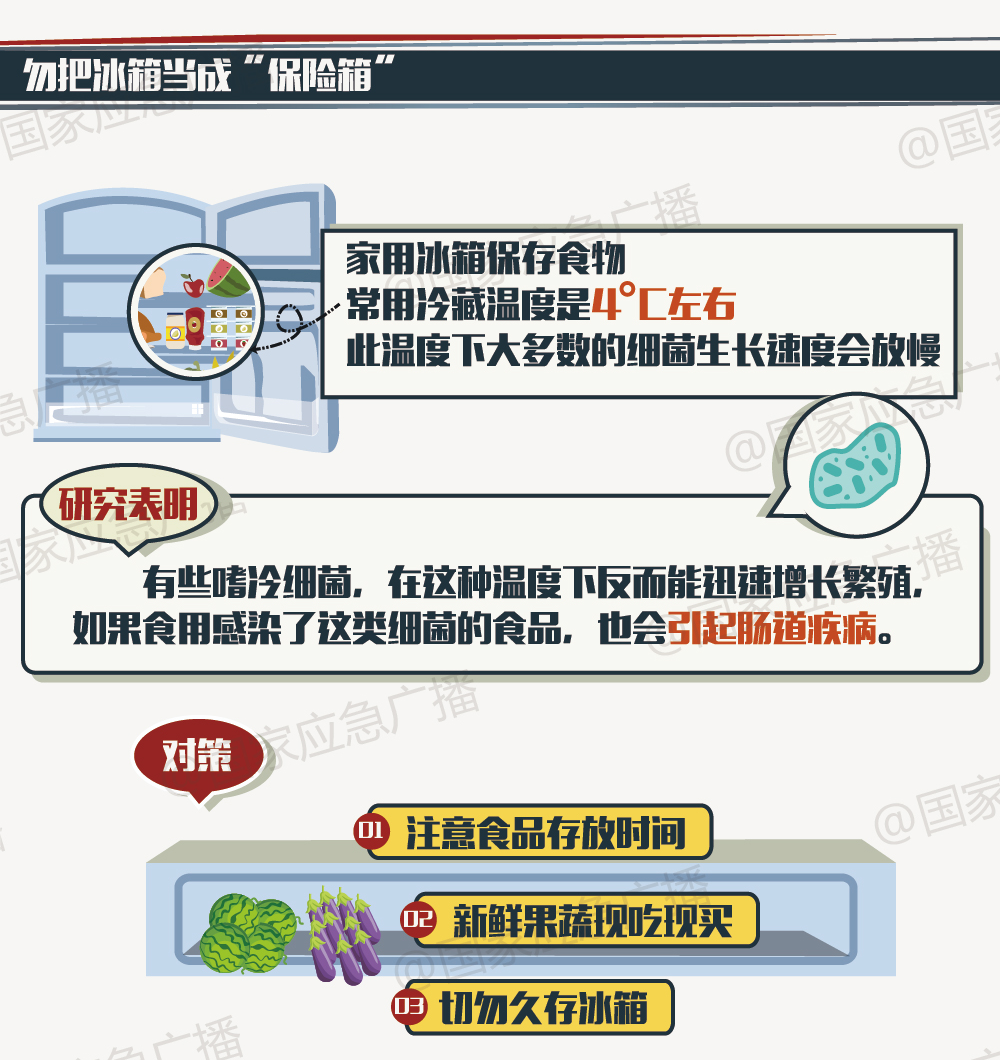
Core Viewpoint - Improper storage and consumption of leftover rice can lead to severe foodborne illnesses, specifically a condition referred to as "fried rice syndrome" caused by Bacillus cereus bacteria [1][3]. Group 1: Fried Rice Syndrome - "Fried rice syndrome" is characterized by symptoms such as abdominal pain, diarrhea, and respiratory difficulties, as experienced by a 50-year-old man in Guangdong who consumed refrigerated fried rice [2][3]. - The condition is caused by Bacillus cereus, which thrives in starchy foods like rice when left at room temperature for extended periods [3]. - There are two types of Bacillus cereus food poisoning: the vomiting type, which requires high temperatures to eliminate toxins, and the diarrhea type, which can be mitigated with lower heating temperatures [4][5]. Group 2: Prevention Measures - To avoid "fried rice syndrome," individuals should maintain personal hygiene, regularly wash hands, and keep kitchen utensils clean to prevent cross-contamination [6]. - It is advised to consume freshly prepared food and avoid overnight storage, as refrigeration does not guarantee safety [7][8]. - Specific foods that should not be consumed after being stored overnight include seafood, leafy greens, fresh soy milk, and certain fungi, as they can develop harmful substances when improperly stored [11].
台风“桦加沙”即将登陆,广东一超市只剩辣椒:广东人最后的倔强,路过的看都不看一眼
Qi Lu Wan Bao· 2025-09-23 09:32
Core Viewpoint - The impending arrival of Typhoon "Hagupit" is causing panic buying in Guangdong, leading to a significant depletion of essential supplies, with only chili peppers remaining on the shelves [1][3][7]. Group 1: Consumer Behavior - Consumers in Guangdong are exhibiting panic buying behavior, resulting in the near-total depletion of grocery items, with only chili peppers left unsold [1][3]. - A local resident, Ms. Wu, reported that upon visiting the supermarket, she found all vegetables sold out except for chili peppers, indicating a shift in consumer purchasing priorities [3][7]. - The trend of buying non-perishable items, such as instant noodles, has also been noted, with only spicy flavors remaining available [7]. Group 2: Preparedness and Response - Residents are taking the threat of the typhoon seriously, with many starting to stock up on supplies two days in advance of the storm's expected landfall [7]. - Despite the current calm weather, there is a sense of unease among the local population, as they anticipate the storm's impact [9].

好商品标尺:零售老板一定要懂“交叉比率”
3 6 Ke· 2025-08-25 10:10
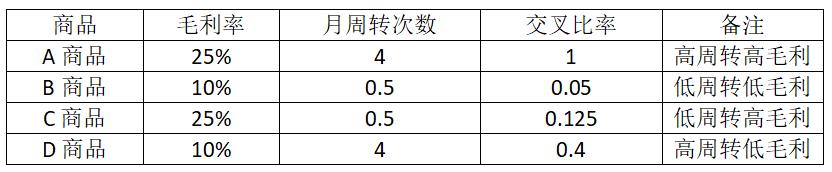
Core Insights - The retail industry is facing unprecedented challenges, including declining foot traffic, inventory buildup, and shrinking profit margins, with 62% of retail companies experiencing stagnation in growth [1] - Identifying core products and leveraging the "Cross Ratio" (CR) is essential for retailers to achieve sales and profit breakthroughs amidst these challenges [1][2] What is Cross Ratio - Cross Ratio (CR) is a tool to identify more profitable products, combining gross margin and inventory turnover to assess product profitability and capital efficiency [2][3] - CR is calculated as: CR = Gross Margin (%) × Inventory Turnover Rate [3] Significance of Cross Ratio - A higher CR indicates greater returns on inventory investment, highlighting the comprehensive value of a product [4] How to Use Cross Ratio for Product Selection - Focus on high CR products and optimize low CR products through data-driven adjustments [5] - Steps include: 1. Replace low CR products and streamline SKUs based on defined evaluation periods and benchmarks [5][6] 2. Classify products in the evaluation list to avoid blind elimination [6] 3. Monitor and replace low CR products with high CR alternatives to maintain customer flow [7] Adjusting Profitability and Turnover Rates - Strategies to enhance low CR products include optimizing display and inventory management for low turnover, high margin items, and negotiating better procurement costs for high turnover, low margin items [8][9] Comparing CR Values Across Categories - Conduct a comprehensive CR value assessment across product categories to identify advantageous segments for resource allocation and category expansion [10][11] Application of Cross Ratio in Chain Systems - Cross Ratio can help address the challenges of store differentiation and standardization by comparing CR values across stores to identify profitability gaps [12][13] - Targeted adjustments based on CR analysis can lead to significant improvements in store performance [15] Final Value of Cross Ratio - Cross Ratio aids retailers in optimizing capital allocation, enhancing store efficiency, and reducing trial-and-error costs, ultimately leading to higher profitability [20][21][22] - The core logic is that a higher CR translates to more profit generated per unit of inventory investment [20] Conclusion - In the current retail landscape of slowing growth and rising costs, data-driven decision-making through Cross Ratio is crucial for retailers to thrive and optimize operations [23][24]
牢记这几类食物,隔夜就别再吃了!
Yang Shi Xin Wen· 2025-07-16 04:13
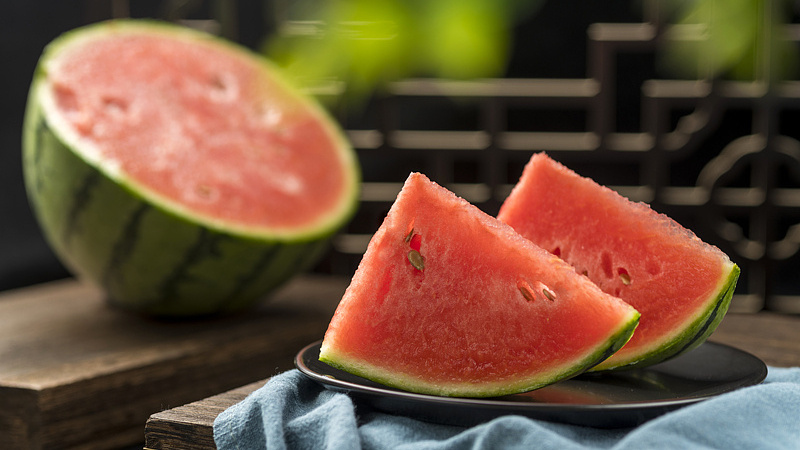
Group 1 - The article emphasizes the importance of food safety during high temperatures, particularly regarding the consumption of cut fruits and leftover meals [1][11] - Cut watermelon should ideally be consumed fresh, and if stored, it should be wrapped and refrigerated, with a maximum storage time of 48 hours to prevent bacterial growth [1][3] - Leftover food, especially certain types like leafy greens and seafood, should be avoided due to the risk of spoilage and potential health hazards [4][8] Group 2 - Leafy vegetables can lose nutrients and become unsafe if stored improperly, as they may convert nitrates into harmful nitrites [6] - High-protein seafood can produce degradation products if not consumed on the same day, potentially causing gastrointestinal discomfort [8] - Starchy foods like potatoes should be sealed and frozen if not consumed immediately, to minimize bacterial growth [10] Group 3 - Recommendations for summer eating include preparing only what can be consumed in one sitting and ensuring any leftovers are properly stored and reheated before consumption [11][13] - The article outlines a "three do's and three don'ts" approach for summer food safety, emphasizing cooking food thoroughly, separating raw and cooked items, and avoiding the consumption of raw water and unwashed produce [13]
吃“聪明药”能提高成绩?谣言!其实大脑最爱这6种食物
Yang Shi Xin Wen· 2025-06-04 06:17
Group 1 - The article discusses the risks associated with the so-called "smart drugs" that are often promoted to enhance academic performance, particularly during exam seasons [1][6] - "Smart drugs" include substances like methylphenidate, modafinil, and Adderall, which are controlled substances with high potential for addiction and significant side effects [3][4] - The misuse of these drugs can lead to severe mental health issues, including irritability, insomnia, and even hallucinations, and they do not actually improve intelligence [6] Group 2 - The article emphasizes the importance of nutrition for brain health, suggesting that certain foods can support cognitive function without the risks associated with "smart drugs" [7] - Six recommended foods for brain health include seafood rich in DHA, nuts high in unsaturated fatty acids, eggs containing lecithin, leafy greens, whole grains, and probiotics [8][10][12][14] - These foods provide essential nutrients that contribute to brain health and cognitive function, highlighting a natural approach to enhancing mental performance [8][10][12][14]