格力碳化硅芯片

Search documents
家电龙头布局新能源四五年后谋质变,“下半场”才刚开始
第一财经· 2026-01-28 12:25
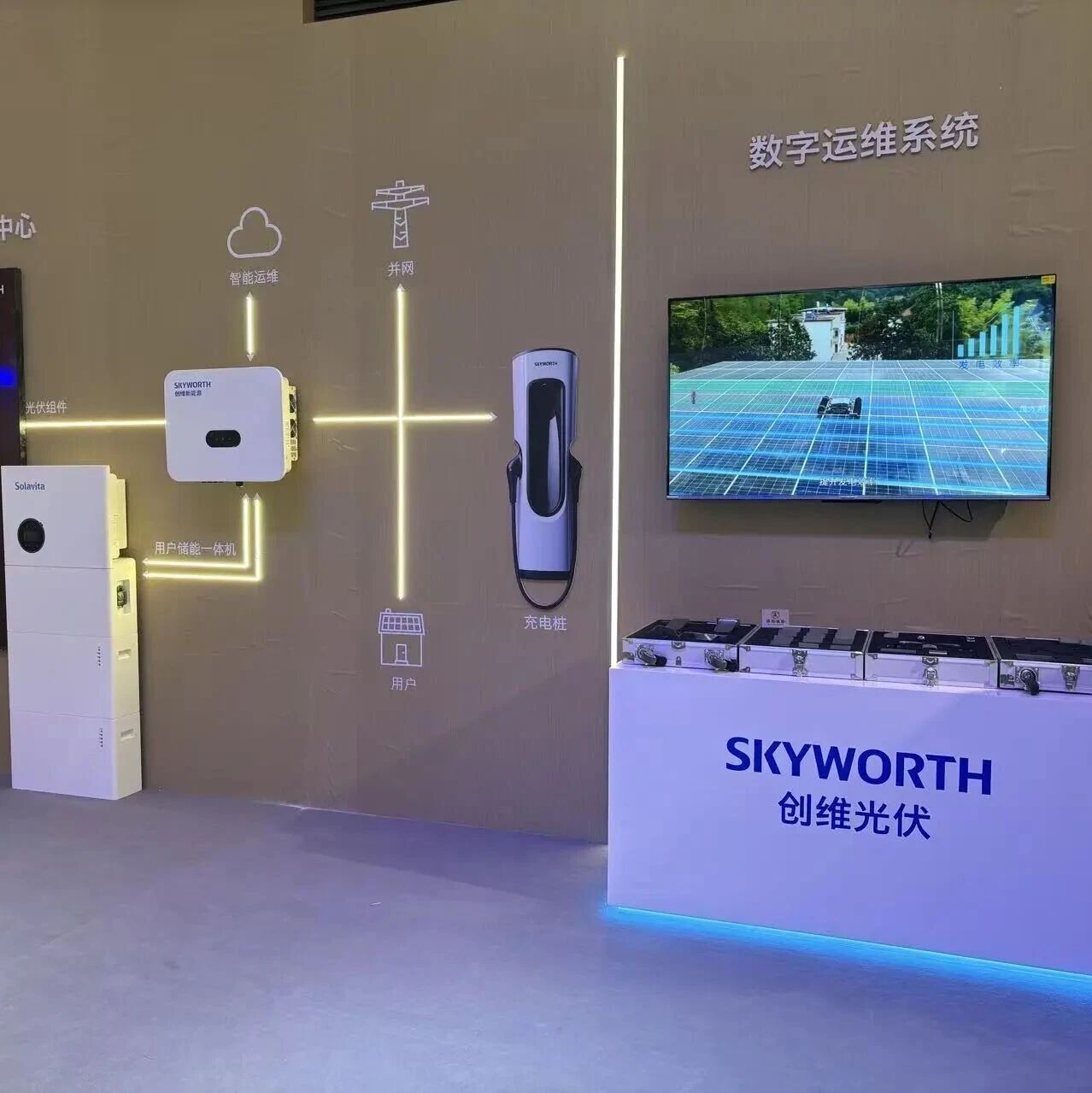
Core Viewpoint - Leading home appliance companies are deepening their investments in the trillion-yuan new energy sector as traditional markets mature and growth slows, with new energy businesses becoming significant growth drivers for these companies [3][4][8]. Group 1: Company Developments - Skyworth Group plans to delist and spin off its solar business, with expectations that solar revenue will surpass TV revenue by 2025, driven by a 53.5% year-on-year growth in solar revenue to 13.836 billion yuan in the first half of 2025 [4]. - Midea Group has established a new energy division and aims to integrate solar, storage, and heat pump technologies, with annual revenue from its new energy business reaching approximately 10 billion yuan [5]. - TCL's subsidiary, TCL Zhonghuan, reported revenues of 21.57 billion yuan in the first three quarters of the previous year and is investing in new energy to enhance its product offerings [6]. - Haier New Energy recently secured over 1 billion yuan in Series B funding and aims to create an AI-driven energy internet ecosystem [6]. Group 2: Market Trends and Challenges - The Chinese home appliance market is expected to see a decline in retail sales by 6.7% in 2026, highlighting the need for companies to pivot towards new energy for growth [8]. - The competition in the solar and storage sectors is intensifying, with companies facing challenges in profitability despite the potential for significant market expansion [10][11]. - The shift towards new energy is seen as a "second growth curve" for these companies, with a focus on integrating new energy solutions into smart home and manufacturing sectors [9][10]. Group 3: Future Outlook - Companies like Gree Electric are expanding into silicon carbide chip production to enhance energy efficiency in their products, with plans to mass-produce these chips by 2026 [9]. - The energy landscape is evolving, with expectations that by 2030, renewable energy will account for approximately 30% of total power generation in China [8]. - The transition from hardware sales to operational capabilities in the storage sector is crucial for maintaining competitive advantages as market dynamics shift [11].




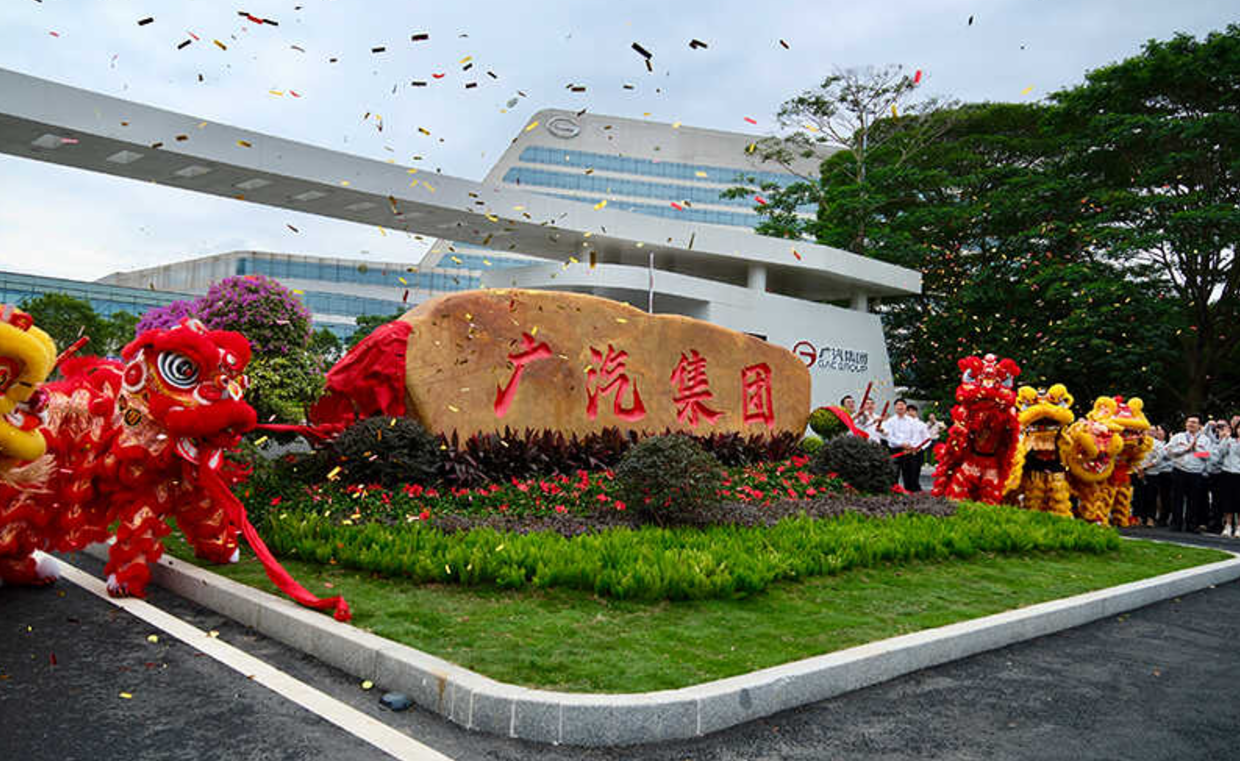
广汽集团辟谣格力替代半数汽车芯片传闻,双方聚焦生态协同与产业合作
Ju Chao Zi Xun· 2026-01-21 02:45
Core Viewpoint - GAC Group issued an official statement denying rumors that Gree Electric would replace half of its automotive chips, clarifying that the discussions between the two companies focused on collaborative development in the "smart ecosystem" of "people, vehicles, and homes" [2] Group 1: Company Collaboration - The rumors originated from a high-level meeting on January 15, where GAC Group's chairman introduced the Hyper GT model, emphasizing its 1004 chips with independent Chinese intellectual property [2] - Gree Electric has been involved in the chip sector since 2015, with a team of nearly 1,000 people and over 60% being technical staff, achieving cumulative sales of over 300 million chips by 2025 [4] - Gree's silicon carbide (SiC) chip business is accelerating, with a factory capable of producing 240,000 six-inch SiC wafers annually, and plans to launch SiC power devices for various markets by 2026 [4] Group 2: Investment and Product Development - In 2025, GAC Capital completed an investment in Chongqing Pingwei Industrial Co., which focuses on chip design and has established deep cooperation with GAC Group across its core brands [5] - The GAC Hyper GT model, featuring 100% domestically designed chips, successfully rolled off the production line in November 2025, marking a significant breakthrough in chip localization [5] - GAC Group launched 12 automotive-grade chips in April 2025, developed in collaboration with various companies, covering critical areas such as power management and safety [6] Group 3: Ecosystem Development - GAC Group initiated the "Automotive Chip Application Ecosystem Co-construction Plan" to enhance collaboration and innovation across the industry, ensuring supply chain stability and promoting technological self-reliance in the automotive sector [7]