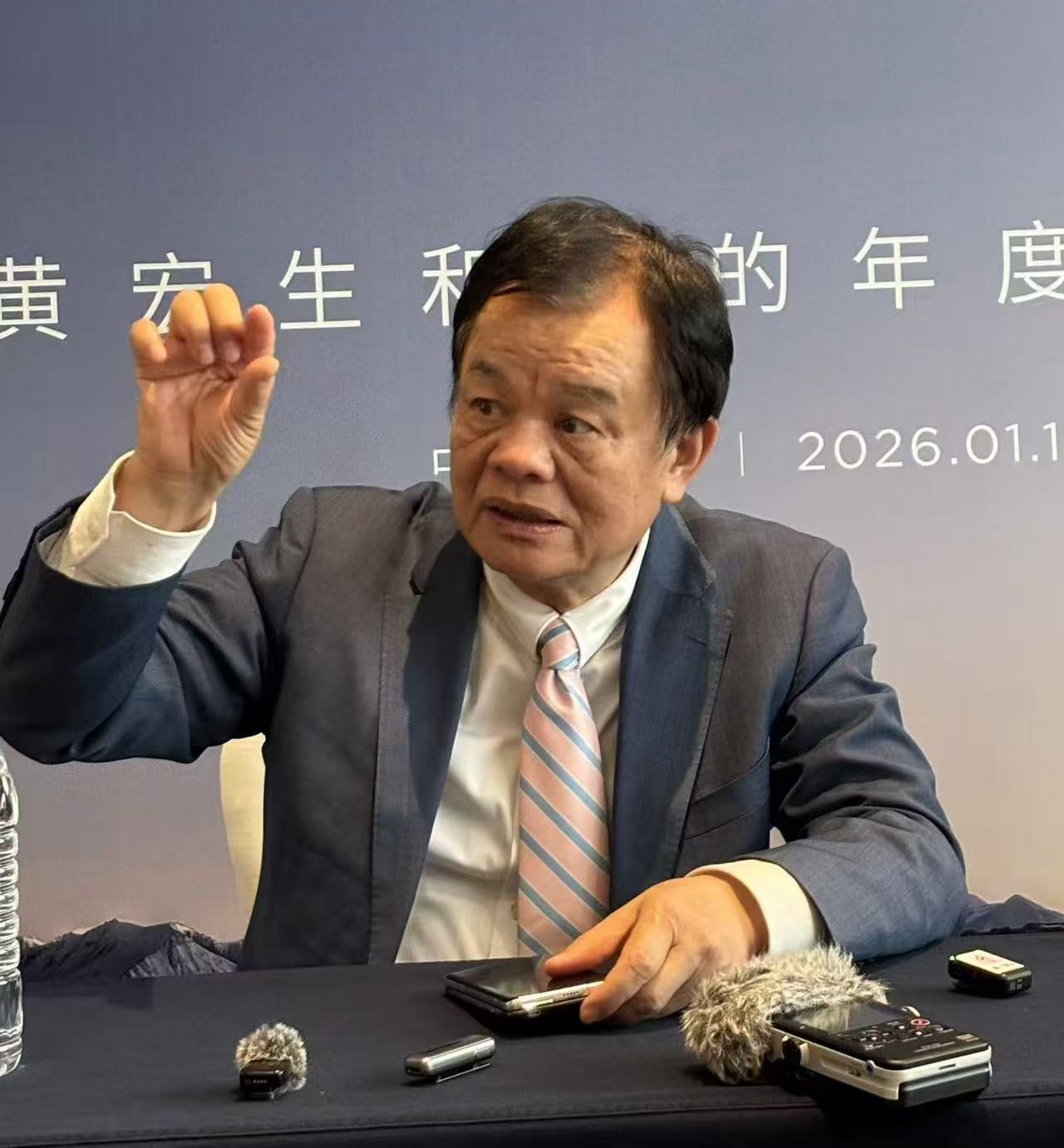
创维光伏

Search documents
年入650亿,70岁创业大佬的三次跨界奇迹
Xin Lang Cai Jing· 2026-02-09 01:21
Core Insights - Huang Hongsheng, at 70 years old, continues to lead Skyworth through industry cycles, demonstrating resilience and ambition in entrepreneurship [1][5][61] - Skyworth has transformed from a household name in television to a diversified group involved in electric vehicles and solar energy, achieving significant revenue growth [5][36][100] Group 1: Company Background and Achievements - Skyworth was established in Hong Kong in 1988 and quickly became a major player in the Chinese television market, achieving a listing on the Hong Kong Stock Exchange in 2000 [52][78] - The company has expanded its product offerings beyond televisions to include home appliances, electric vehicles, and solar energy solutions, becoming a comprehensive group [100][104] - In 2024, Skyworth's total revenue reached approximately 650.13 billion yuan, with solar energy contributing 203 billion yuan and the automotive sector generating nearly 2 billion yuan in profit [103][104] Group 2: Entrepreneurial Journey of Huang Hongsheng - Huang's entrepreneurial journey began with significant challenges, including three failed ventures in the early 1990s before successfully launching Skyworth [18][76][78] - His decision to enter the electric vehicle market in 2010 was initially met with skepticism, but the company has since achieved profitability, particularly in the Middle East market [56][91] - Huang's strategic pivot to solar energy in 2020 has resulted in rapid growth, with solar revenue increasing from 41.01 billion yuan in 2021 to 203.34 billion yuan in 2024 [39][97] Group 3: Future Outlook and Vision - Huang aims for Skyworth to achieve a revenue target of 100 billion yuan, reflecting his ongoing ambition despite his age [5][59] - The company is positioned to leverage its extensive customer base for solar energy solutions, with expectations that solar revenue will surpass television revenue by 2025 [41][100] - Huang emphasizes the importance of innovation and adaptability in business, continuously seeking new opportunities in emerging markets [25][46][106]


深度丨港股连演“母公司退市+子公司上市” 传统巨头借“腾笼换鸟”转型升级
证券时报· 2026-01-28 23:53
Core Viewpoint - The "tenglong huan niao" model, characterized by "parent company delisting + subsidiary independent listing," is becoming a key capital path for traditional enterprises to transition into the new energy and technology sectors [1][4]. Group 1: Recent Developments - On January 28, the China Securities Regulatory Commission issued a notice for Lantu Automotive's overseas listing, which will be conducted through an introduction method on the Hong Kong Stock Exchange [3]. - Dongfeng Group and Skyworth Group are also adopting the "tenglong huan niao" model, with Skyworth planning to spin off its solar business for independent listing while delisting itself [3]. - The trend of spin-off listings is becoming more common in the Hong Kong market, with companies like Sunny Optical Technology and Alibaba considering similar strategies [3]. Group 2: Advantages of Spin-off Listings - Spin-off listings provide independent financing platforms for subsidiaries, facilitating rapid growth and enhancing the overall valuation of the parent company [4]. - The rise of new industries such as technology and biomedicine has made spin-off listings a crucial method for these companies to expand financing channels and enhance brand influence [4]. Group 3: Motivations Behind the Transition - The direct motivation for choosing the "tenglong huan niao" model is the significant valuation discount of traditional businesses in the Hong Kong market [6]. - Dongfeng Group and Skyworth Group opted for privatization due to their valuations being significantly below industry averages, with Dongfeng's price-to-book ratio at 0.33 and Skyworth's at 0.56 [7]. - The low market valuations hindered their capital needs for new business layouts, prompting the decision for capital operations [7]. Group 4: Strategic Implications - The "tenglong huan niao" model serves as a strategic transformation core, allowing companies to avoid traditional business drag on overall valuation and focus on value re-evaluation and resource concentration [8]. - Independent listings enable more flexible implementation of equity incentive plans, which is crucial for attracting and retaining talent, especially in technology-driven companies [8]. Group 5: Operational Significance - The "tenglong huan niao" model provides a replicable path for traditional enterprises' strategic transformation, helping to clarify the boundaries between core and new businesses [10]. - By separating high-growth, technology-driven new businesses, companies can better allocate resources and avoid conflicts between old and new business objectives [10]. - This model accelerates the marketization process of new businesses, allowing them to have financing platforms and valuation systems that match their development stages [10].

家电龙头布局新能源四五年后谋质变,“下半场”才刚开始
第一财经· 2026-01-28 12:25
Core Viewpoint - Leading home appliance companies are deepening their investments in the trillion-yuan new energy sector as traditional markets mature and growth slows, with new energy businesses becoming significant growth drivers for these companies [3][4][8]. Group 1: Company Developments - Skyworth Group plans to delist and spin off its solar business, with expectations that solar revenue will surpass TV revenue by 2025, driven by a 53.5% year-on-year growth in solar revenue to 13.836 billion yuan in the first half of 2025 [4]. - Midea Group has established a new energy division and aims to integrate solar, storage, and heat pump technologies, with annual revenue from its new energy business reaching approximately 10 billion yuan [5]. - TCL's subsidiary, TCL Zhonghuan, reported revenues of 21.57 billion yuan in the first three quarters of the previous year and is investing in new energy to enhance its product offerings [6]. - Haier New Energy recently secured over 1 billion yuan in Series B funding and aims to create an AI-driven energy internet ecosystem [6]. Group 2: Market Trends and Challenges - The Chinese home appliance market is expected to see a decline in retail sales by 6.7% in 2026, highlighting the need for companies to pivot towards new energy for growth [8]. - The competition in the solar and storage sectors is intensifying, with companies facing challenges in profitability despite the potential for significant market expansion [10][11]. - The shift towards new energy is seen as a "second growth curve" for these companies, with a focus on integrating new energy solutions into smart home and manufacturing sectors [9][10]. Group 3: Future Outlook - Companies like Gree Electric are expanding into silicon carbide chip production to enhance energy efficiency in their products, with plans to mass-produce these chips by 2026 [9]. - The energy landscape is evolving, with expectations that by 2030, renewable energy will account for approximately 30% of total power generation in China [8]. - The transition from hardware sales to operational capabilities in the storage sector is crucial for maintaining competitive advantages as market dynamics shift [11].



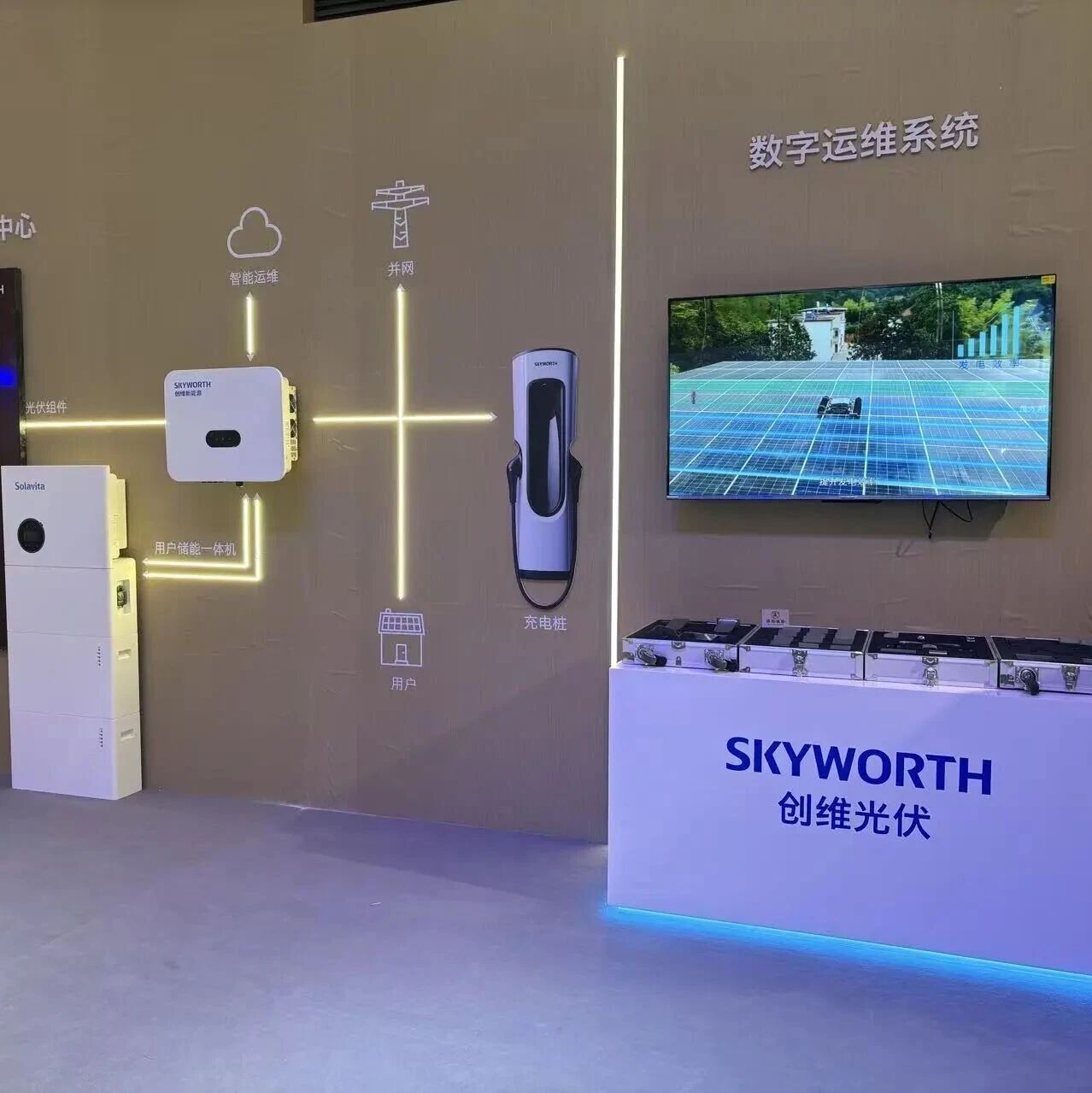
港股异动 | 创维集团(00751)再涨超5% 光伏板块计划分拆上市 有望充分反映新能源业务资产价值
智通财经网· 2026-01-22 01:57
Group 1 - The core viewpoint of the article is that Skyworth Group (00751) experienced a significant stock price increase of 37% yesterday and continued to rise over 5% in early trading today, indicating strong market interest following the announcement of its privatization and spin-off plans [1] - On January 20, Skyworth Group announced that its board has resolved to advance the company's privatization and simultaneously spin off its photovoltaic business, Skyworth Photovoltaics, for independent listing [1] - CICC's research report highlights that Skyworth Photovoltaics, as a leading player in distributed photovoltaic development, is expected to transform into a global energy service provider [1] Group 2 - According to the company announcement, if shareholders opt for cash compensation combined with the distribution of Skyworth Photovoltaics shares, the theoretical total value per share is approximately 10.16 HKD, calculated as 4.03 + 0.37 * 16.57 [1] - The report suggests that the spin-off listing is likely to fully reflect the asset value of Skyworth's renewable energy business and establish an independent financing platform to support the expansion of its energy storage business [1]
创维集团再涨超5% 光伏板块计划分拆上市 有望充分反映新能源业务资产价值
Zhi Tong Cai Jing· 2026-01-22 01:52
Group 1 - The core viewpoint of the article is that Skyworth Group (00751) experienced a significant stock price increase of 37% yesterday and continued to rise over 5% in early trading today, indicating strong market interest following the announcement of its privatization and spin-off plans [1] - On January 20, Skyworth Group announced that its board has resolved to advance the company's privatization and simultaneously spin off its photovoltaic business, Skyworth Photovoltaics, for independent listing [1] - CICC's research report highlights that Skyworth Photovoltaics, as a leading player in distributed photovoltaic development, is expected to transform into a global energy service provider [1] Group 2 - According to the company's announcement, if shareholders opt for cash compensation combined with the distribution of Skyworth Photovoltaics shares, the theoretical total value per share is estimated at approximately HKD 10.16 [1] - The report suggests that the spin-off listing is likely to fully reflect the asset value of Skyworth's renewable energy business and establish an independent financing platform to support the expansion of its energy storage business [1]
复牌暴涨37%!创维集团同步推进私有化,分拆光伏独立上市
Jin Rong Jie· 2026-01-22 00:12
Group 1 - The core decision of Skyworth Group is to advance privatization and delisting while simultaneously spinning off its photovoltaic business, Skyworth Photovoltaics, for independent listing [1] - On January 21, Skyworth Group's stock resumed trading at HKD 7.12 per share, reflecting a significant increase of 37.45% [1] - The spinoff and privatization are interdependent, set to occur simultaneously, with Skyworth Photovoltaics applying for a mainboard listing on the Hong Kong Stock Exchange without a public offering of new shares [1] Group 2 - Skyworth Group, established in 1988, operates in four main sectors: smart home appliances, smart system technology, new energy, and modern services [2] - Skyworth Photovoltaics, founded in 2020, has rapidly become a leading player in the household photovoltaic sector, leveraging the group's appliance channels and user base [2] - In the first half of 2025, the revenue from Skyworth Group's new energy business reached CNY 13.836 billion, marking a year-on-year growth of 53.5%, and accounting for 38% of the group's total revenue [2] - The founder of Skyworth Group, Huang Hongsheng, has indicated that the revenue from Skyworth Photovoltaics is expected to surpass that of the television business for the first time in 2025 [2] - The first commercial photovoltaic project in Thailand, a 3MW rooftop distributed photovoltaic power station at UMC Steel Plant, is set to commence operations in December 2025, with an expected annual power generation of approximately 4.422 million kWh [2] - Skyworth Group aims to optimize operational efficiency by concentrating management of remaining businesses under core shareholders after privatization, as traditional appliance business growth slows [2]
创维集团资本腾挪引爆股价!光伏业务拟分拆上市,2025年营收或首超电视业务
Sou Hu Cai Jing· 2026-01-21 09:53
Core Viewpoint - Skyworth Group is making a strategic move to privatize and spin off its solar energy business amid slowing growth in its traditional home appliance sector, signaling a shift towards renewable energy as a growth driver [2][8]. Group 1: Company Actions - On January 21, Skyworth Group officially resumed trading, opening over 42% higher, indicating strong market support for its recent announcements [2]. - The company announced a share buyback plan and a distribution of shares in Skyworth Solar to all shareholders, including the controlling shareholder [2][3]. - The buyback plan will allow shareholders to choose between cash compensation of HKD 4.03 per share or a share exchange for new shares in Skyworth Solar, with a theoretical total value of approximately HKD 10.16 per share, representing a 96.14% premium over the last closing price before suspension [3][5]. Group 2: Financial Implications - The estimated valuation for Skyworth Solar shares ranges from HKD 14.18 to HKD 18.96, based on projections for November 30, 2025 [4]. - As of January 21, Skyworth Group's stock price increased by 37.45% to HKD 7.12 per share, reflecting investor optimism regarding the privatization and spin-off [4]. - The solar energy business is expected to surpass traditional television business revenue for the first time in 2025, with solar revenue projected to grow significantly [12]. Group 3: Industry Context - The renewable energy sector is becoming a competitive battleground for home appliance giants, with Skyworth's solar business showing a 53.5% year-on-year revenue growth, reaching approximately CNY 13.84 billion [12]. - The company's solar business model integrates "photovoltaics + inclusivity + digital technology," positioning it favorably in the market [12]. - Skyworth's founder anticipates substantial growth in global solar demand, particularly in overseas markets, with strategic expansions planned in regions like the Middle East and Europe [13].
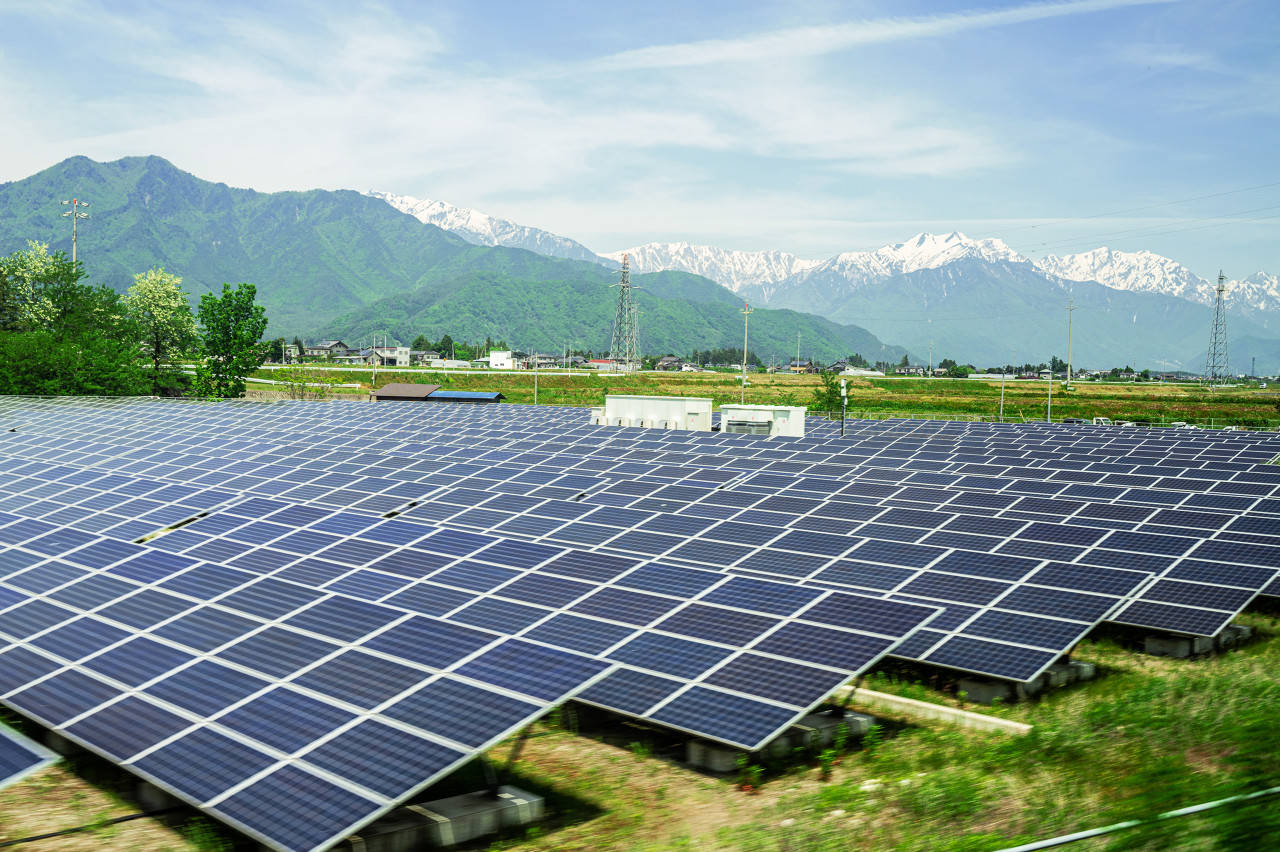
创维集团启动退市:扶持光伏板块“上位”
Xin Lang Cai Jing· 2026-01-21 08:24
Core Viewpoint - Skyworth Group plans to spin off its solar energy segment, Skyworth Photovoltaics, for a separate listing on the Hong Kong Stock Exchange, aiming to unlock growth potential and enhance shareholder value [1][3]. Group 1: Company Overview - Skyworth Group, established in 1988, is well-known in China for its home appliances and has diversified into smart systems, new energy, and modern services [7]. - Skyworth Photovoltaics, founded in 2020, focuses on distributed solar power station system integration, smart manufacturing of solar products, energy storage, operation and maintenance, and logistics [7]. Group 2: Financial Performance - For the first half of 2025, Skyworth Group reported revenue of 36.264 billion RMB, a year-on-year increase of 20.3%, while net profit fell by 48.9% to 365 million RMB [7][11]. - The new energy segment's revenue reached 13.78 billion RMB in the first half of 2025, growing over 50% year-on-year, contributing approximately 40% to the group's total revenue [12]. Group 3: Spin-off Details - The estimated value of each share of Skyworth Photovoltaics is projected to be between 12.9 and 17.26 RMB, translating to approximately 14.18 to 18.96 HKD [3]. - Shareholders will receive approximately 0.37 shares of Skyworth Photovoltaics for each share they hold in Skyworth Group, with a theoretical value of about 6.13 HKD per share based on the midpoint valuation [3]. Group 4: Market Reaction - Following the announcement, Skyworth Group's stock price surged over 40%, closing up 37.45% at 7.12 HKD, with a market capitalization of approximately 13.5 billion HKD [1]. Group 5: Strategic Importance of New Energy - The new energy business has transitioned from a "strategic cultivation" phase to a "scale contribution" phase, becoming a key growth driver for Skyworth Group [12]. - As of June 30, 2025, Skyworth Photovoltaics had a net profit of 532 million RMB and total assets of approximately 178 billion RMB [12][13].
创维创始人黄宏生:去年光伏收入首超电视
Xin Lang Cai Jing· 2026-01-11 14:10
Core Insights - The founder of Skyworth Group, Huang Hongsheng, highlighted the importance of photovoltaic (PV) technology, AI home appliances, and internationalization during the 2026 annual speech [1] - Skyworth's PV revenue is projected to exceed its TV revenue for the first time in 2025 [1] - The growth of Skyworth's PV business is expected to be driven by overseas markets, with plans to enter the energy storage sector [1] Company Developments - Skyworth's PV business is anticipated to account for over one-third of the company's total revenue by mid-2025 [1] - The company began its foray into the PV sector in 2020, expanding from rural distributed PV systems to upstream core components, including modules, brackets, inverters, and a new energy digital ecosystem platform [1] - Skyworth has established a vertical industry chain in the photovoltaic sector [1]
对话创维创始人黄宏生:去年光伏收入首超电视
Di Yi Cai Jing· 2026-01-11 12:05
Core Insights - The founder of Skyworth Group, Huang Hongsheng, highlighted the company's focus on photovoltaic technology, AI home appliances, and international expansion during the 2026 annual speech [2] - Skyworth's photovoltaic revenue is expected to surpass its television revenue for the first time in 2025, with the photovoltaic business projected to account for over one-third of the company's total revenue by mid-2025 [2][3] Photovoltaic Business - Skyworth entered the photovoltaic sector in 2020, expanding from rural distributed photovoltaic systems to upstream core components, establishing a vertical industry chain that includes modules, brackets, inverters, and a digital ecosystem [3] - The company is accelerating its overseas expansion, with projects such as the commercial photovoltaic project in Thailand expected to generate over 4.4 million kWh in its first year and a 10MW distributed photovoltaic station project signed in Italy [3] - Huang anticipates significant potential in the overseas photovoltaic market, citing high electricity prices in Europe and frequent power outages in parts of Southern Africa as driving factors for increased demand [3] AI Home Appliances - Skyworth plans to fully promote AI home appliances by 2026, integrating AI functionalities into high-end products, such as smart search for film and television content and intelligent interaction with other appliances [3][4] - The introduction of AI appliances is expected to be delayed for lower-end products due to rising storage costs [4] International Expansion - Skyworth has acquired the operational rights for the Philips television brand in North America and aims for low-cost global expansion through sponsorships, similar to competitors like Hisense and TCL [4] - Research firm AVC predicts that Skyworth could enter the top five global television shipment rankings by 2026 [4] Synergy Between Businesses - The company has introduced a "photovoltaic balcony" solution targeting high-rise residential users, allowing for solar panel installation on balconies to meet household electricity needs [4] Cautious Outlook on Robotics and AI Glasses - Despite the popularity of humanoid robots and AI glasses at CES 2026, Huang expressed a conservative view on their practical applications, emphasizing that AI home appliances, overseas photovoltaic business, and future energy storage are the main growth areas for Skyworth [4]