橄榄球

Search documents
近代中国如何拥抱现代奥林匹克与国际接轨?|新年书摘
Di Yi Cai Jing· 2026-02-15 01:39
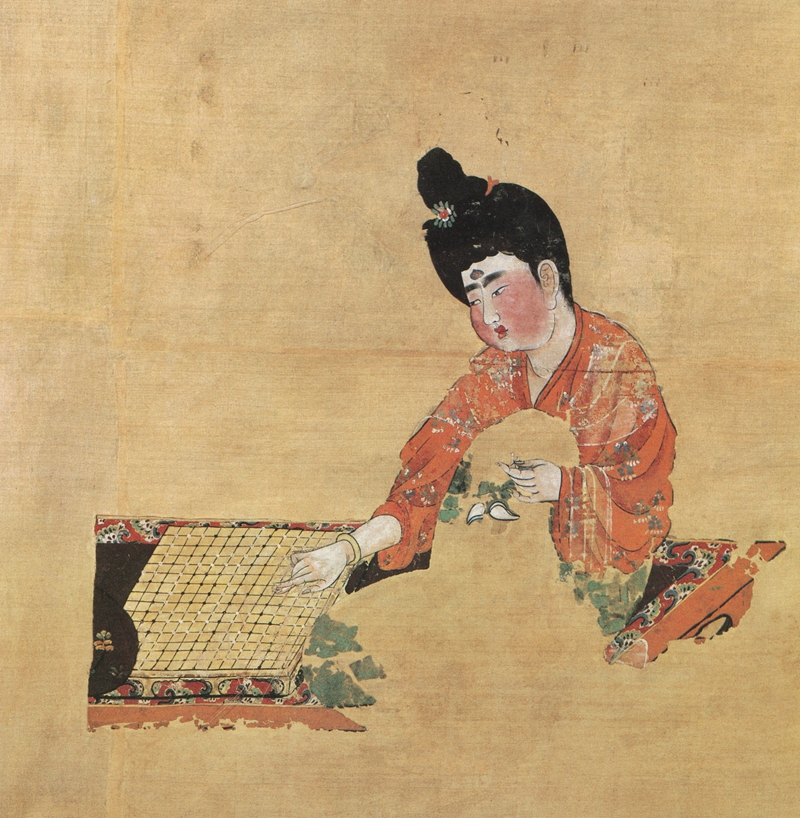
Core Argument - The transition of China from an imperial civilization to a nation-state is significantly hindered by traditional sports, which reflect cultural and civilizational characteristics that are at odds with modernity [1][4][5]. Group 1: Traditional Sports and Cultural Identity - Traditional Chinese sports, such as martial arts and Go, embody cultural and civilizational traits that are integral to the construction of "Chineseness" [3][4]. - The concept of "sports" as understood today was introduced from Japan in the late 19th century, highlighting a cultural paradox where traditional activities reflect Chinese identity yet are labeled as inferior in modern contexts [3][4]. - The emphasis in traditional sports is on moral and intellectual development rather than physical prowess, contrasting sharply with Western competitive sports [5][6]. Group 2: Historical Context and Evolution - The evolution of Chinese sports can be divided into three significant phases: the Spring and Autumn period, the Qin and Han dynasties to the Song, and the Ming and Qing dynasties, with key turning points occurring during the Song dynasty and the late 19th century [6][7][8]. - The Song dynasty marked a decline in the emphasis on physicality and sports due to socio-political pressures and the rise of Confucian ideals, leading to a negative perception of physical activities [7][8]. - By the late 19th century, the humiliation of the Opium Wars prompted a national awakening, leading to a renewed interest in sports as a means of national rejuvenation and identity reconstruction [9][10]. Group 3: Internationalization and Modernization - The introduction of modern Olympic ideals to China was facilitated by the YMCA, which played a crucial role in promoting sports and organizing national competitions [15][16]. - The establishment of the first national sports event in 1910 and the subsequent interest in the Olympics marked a significant shift towards international engagement in sports [16][17]. - The success of Chinese students in American sports during their studies abroad exemplified the potential for international competitiveness, contrasting with the domestic perception of weakness [12][13][14]. Group 4: Contemporary Implications - The hosting of the 2008 Summer Olympics and the 2022 Winter Olympics in Beijing reflects China's growing emphasis on sports as a symbol of international integration and national pride [17][18]. - Sports have also played a pivotal role in diplomatic relations, as seen in the "ping-pong diplomacy" of the 1970s, which opened doors for international engagement [18]. - The increasing societal focus on sports is evident in educational contexts, with sports being integrated into national discourse and even high school examinations [17].

东城区家长看过来!24所中小学新增体育传统校,射击、冰雪等项目首次上线~
Xin Jing Bao· 2026-01-09 02:36
Core Viewpoint - The Dongcheng District Sports Bureau and Education Committee have announced the second batch of traditional sports schools for 2025-2027, including 24 primary and secondary schools, expanding the coverage of traditional sports projects in the district [1]. Group 1: New Schools and Sports Projects - A total of 24 schools have been selected as traditional sports schools in Dongcheng District, significantly broadening the scope of traditional sports [1]. - New sports such as shooting, wrestling, fencing, rugby, ice and snow sports, and Go have been included in the traditional school layout for the first time, alongside existing advantageous projects [1]. Group 2: List of Selected Schools - The selected schools include Beijing Dongzhimen Middle School Education Group (Go), Beijing Guangqumen Middle School Education Group (Go), and Beijing No. 24 Middle School (football, martial arts, swimming) among others [3][4]. - Other notable schools include Beijing No. 50 Middle School (shooting), Beijing No. 55 Middle School (ice sports), and Beijing No. 109 Middle School (rugby) [3][4].