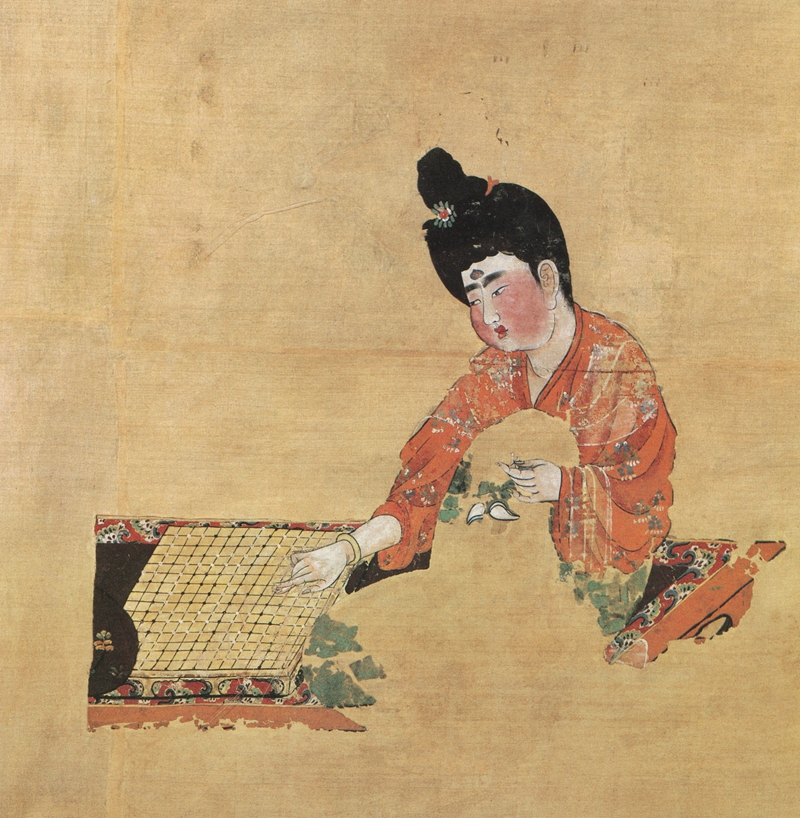
尚武精神

Search documents
东西问·马年说马丨赵艺博:海昏侯墓中的“马蹄金”缘何而来?
Xin Lang Cai Jing· 2026-02-22 08:41
Core Viewpoint - The article discusses the significance of the "Horseshoe Gold" artifacts found in the tomb of Liu He, the grandson of Emperor Wu of Han, highlighting their cultural, historical, and artistic importance in the context of the Western Han Dynasty [3][4]. Group 1: Horseshoe Gold Artifacts - The "Horseshoe Gold" is a colloquial term for "Niao Ti Gold," characterized by its hollow center and concave bottom, resembling the foot of a heavenly horse, with 50 pieces discovered in Liu He's tomb, made of 99% pure gold and featuring intricate designs [4]. - The shape of the Horseshoe Gold is linked to the auspicious beliefs of the Western Han period, where the appearance of heavenly horses was considered a sign of good fortune, and these artifacts were not used as currency but were royal gifts to vassal kings [4]. Group 2: Role of Horses in Han Dynasty - In the Han Dynasty, horses were regarded as the "first among livestock" due to their essential roles in agriculture, transportation, and military, closely tied to the state's strength and expansion [6]. - The military demand for horses was significant, especially during Emperor Wu's reign, where cavalry became the main force in battles against the Xiongnu, leading to a systematic management of horse breeding and training by the state [6][7]. - Horses also played a crucial role in transportation and communication, forming the backbone of the extensive logistics network necessary for the vast Han Empire, including the famous Silk Road [7]. Group 3: Cultural Significance of Horses - Horses in the Han Dynasty transcended their practical uses, becoming symbols of military power, social status, and artistic expression, reflecting the era's martial spirit and reverence for strength [8]. - They were integral to significant rituals and ceremonies, often used in sacrificial offerings, which imbued them with a sacred status, symbolizing a connection between the earthly and the divine [9]. - The quality and quantity of horses were indicators of social status, with noble families using horses and carriages as symbols of wealth and power, while horses also featured prominently in literature and art, representing ideals of loyalty and ambition [9][11]. Group 4: Artifacts and Craftsmanship - The tomb of Liu He yielded over 4,000 pieces of chariot and horse equipment, primarily made of bronze, showcasing advanced craftsmanship techniques such as gilding and gold-silver inlay, reflecting the high artistic standards of the Han Dynasty [11]. - The use of these techniques indicates a sophisticated understanding of materials and aesthetics, merging functionality with visual appeal, and demonstrating the cultural significance of gold as a symbol of auspiciousness [11][13].

近代中国如何拥抱现代奥林匹克与国际接轨?|新年书摘
Di Yi Cai Jing· 2026-02-15 01:39
Core Argument - The transition of China from an imperial civilization to a nation-state is significantly hindered by traditional sports, which reflect cultural and civilizational characteristics that are at odds with modernity [1][4][5]. Group 1: Traditional Sports and Cultural Identity - Traditional Chinese sports, such as martial arts and Go, embody cultural and civilizational traits that are integral to the construction of "Chineseness" [3][4]. - The concept of "sports" as understood today was introduced from Japan in the late 19th century, highlighting a cultural paradox where traditional activities reflect Chinese identity yet are labeled as inferior in modern contexts [3][4]. - The emphasis in traditional sports is on moral and intellectual development rather than physical prowess, contrasting sharply with Western competitive sports [5][6]. Group 2: Historical Context and Evolution - The evolution of Chinese sports can be divided into three significant phases: the Spring and Autumn period, the Qin and Han dynasties to the Song, and the Ming and Qing dynasties, with key turning points occurring during the Song dynasty and the late 19th century [6][7][8]. - The Song dynasty marked a decline in the emphasis on physicality and sports due to socio-political pressures and the rise of Confucian ideals, leading to a negative perception of physical activities [7][8]. - By the late 19th century, the humiliation of the Opium Wars prompted a national awakening, leading to a renewed interest in sports as a means of national rejuvenation and identity reconstruction [9][10]. Group 3: Internationalization and Modernization - The introduction of modern Olympic ideals to China was facilitated by the YMCA, which played a crucial role in promoting sports and organizing national competitions [15][16]. - The establishment of the first national sports event in 1910 and the subsequent interest in the Olympics marked a significant shift towards international engagement in sports [16][17]. - The success of Chinese students in American sports during their studies abroad exemplified the potential for international competitiveness, contrasting with the domestic perception of weakness [12][13][14]. Group 4: Contemporary Implications - The hosting of the 2008 Summer Olympics and the 2022 Winter Olympics in Beijing reflects China's growing emphasis on sports as a symbol of international integration and national pride [17][18]. - Sports have also played a pivotal role in diplomatic relations, as seen in the "ping-pong diplomacy" of the 1970s, which opened doors for international engagement [18]. - The increasing societal focus on sports is evident in educational contexts, with sports being integrated into national discourse and even high school examinations [17].